UPSC Daily Quiz 5 June 2026

UPSC Daily Quiz

[WpProQuiz 178]

UPSC Daily Quiz FAQs

Q1: What is the Daily UPSC Quiz?

Ans: The Daily UPSC Quiz is a set of practice questions based on current affairs, static subjects, and PYQs that help aspirants enhance retention and test conceptual clarity regularly.

Q2: How is the Daily Quiz useful for UPSC preparation?

Ans: Daily quizzes support learning, help in revision, improve time management, and boost accuracy for both UPSC Prelims and Mains through consistent practice.

Q3: Are the quiz questions based on the UPSC syllabus?

Ans: Yes, all questions are aligned with the UPSC Syllabus 2025, covering key areas like Polity, Economy, Environment, History, Geography, and Current Affairs.

Q4: Are solutions and explanations provided with the quiz?

Ans: Yes, each quiz includes detailed explanations and source references to enhance conceptual understanding and enable self-assessment.

Q5: Is the Daily UPSC Quiz suitable for both Prelims and Mains?

Ans: Primarily focused on Prelims (MCQ format), but it also indirectly helps in Mains by strengthening subject knowledge and factual clarity.

Infant Mortality Rate, Meaning, Current Status, Key Drivers

Infant Mortality Rate

Infant Mortality Rate (IMR) refers to the number of deaths of children below one year of age per 1,000 live births in a specific year. It is widely used as a key indicator of public health infrastructure, maternal and child healthcare services, and socio-economic development. IMR is further divided into: 

  • Neonatal Mortality Rate (NMR) refers to deaths occurring within the first 28 days of life. These are typically caused by prematurity, birth asphyxia, neonatal sepsis, and congenital conditions.
  • Post-neonatal Mortality Rate refers to deaths occurring between 29 days and one year of life, which are more commonly linked to infections, diarrhoea, malnutrition, and lack of immunisation coverage.

Current Status of Infant Mortality Rate (IMR) in India

  • India’s IMR stands at 24 deaths per 1,000 live births in 2024, down from 30 in 2019 as per Sample Registration System Report 2024 (SRS) 2024.
  • Around 1 in every 42 infants in India still dies before completing one year of age.
  • The rural–urban gap persists, with rural areas showing higher vulnerability (1 in 37) compared to urban areas (1 in 59).
  • India has achieved a 37.4% decline in IMR between 2012–14 and 2022–24, reflecting faster improvement than the previous decade.
  • Neonatal mortality rate stands at 18 per 1,000 live births (2024), indicating that newborn survival remains the key concern.
  • Neonatal deaths account for 73% of total infant deaths, up from 67.6% in 2014, showing increasing concentration in the early life stage.
  • Large inter-state variation persists, with Goa and Sikkim at 7, while Chhattisgarh (36), Uttar Pradesh (35), and Madhya Pradesh (35) remain high-burden states.
  • Southern states such as Kerala (8), Tamil Nadu (11), and Telangana (17) continue to perform significantly better than the national average.
  • Overall, India is nearing the global Infant Mortality Rate (IMR) average (~27), but still has a gap to bridge in neonatal survival and equity.

Key Drivers of Infant Mortality Rate (IMR) Decline

India’s decline in Infant Mortality Rate is driven by improved institutional care, expanded public health programmes, and state-specific innovations that have strengthened maternal and child health outcomes.

  1. Rise in Institutional Deliveries
  • Institutional deliveries increased from under 83% in 2019 to over 95% in 2024, ensuring safer childbirth under trained medical supervision and better emergency obstetric care.
  • Rural India showed slightly faster improvement in IMR (36% decline) compared to urban areas (35%), reflecting the impact of targeted rural health interventions.
  1. Government Schemes and Interventions
  • Janani Suraksha Yojana (JSY) promotes institutional deliveries by providing cash incentives to poor pregnant women, reducing risky home births.
  • Pradhan Mantri Matru Vandana Yojana (PMMVY) supports maternal nutrition and health through financial assistance during pregnancy and breastfeeding.
  • Mission Indradhanush improves vaccination coverage for children and pregnant women in low-performing and high-risk areas.
  • LaQshya Programme improves the quality of care in labour rooms and maternity operation theatres, ensuring safer deliveries.
  • National Health Mission (NHM) strengthens primary healthcare systems, especially in rural, tribal, and underserved districts.
  • POSHAN Abhiyaan focuses on reducing maternal and child malnutrition, which is a major cause of low birth weight and infant deaths.
  1. State-Level Innovations
  • Telangana reduced IMR from 35 (2014) to 17 (2024) through better antenatal care, nutrition support under Aarogya Laxmi, and transport support for pregnant women.
  • Odisha reduced IMR from 49 (2014) to 28 (2024), supported by a sharp rise in institutional deliveries from about 72% to over 97%.
  • Tripura achieved its lowest-ever IMR of 12 in 2024, reflecting strong and consistent improvements in public health services and overall development indicators.

Challenges in Reduction of Infant Mortality Rate (IMR)

Despite consistent decline in IMR, India continues to face structural gaps in neonatal care, uneven health system performance, and deep regional inequalities that slow further progress.

  • Neonatal deaths dominate IMR, as 73% of infant deaths in 2024 occur within 28 days, with NMR still high at 18/1,000, showing limited progress in newborn survival.
  • Quality gap in institutional deliveries, reflected in Chhattisgarh’s IMR of 36 despite 97% institutional delivery coverage, highlighting weak intrapartum and postnatal care.
  • Wide inter-state variation, ranging from Goa & Sikkim (7) to UP, MP, and Chhattisgarh (35–36), indicating uneven health system strength.
  • Rural–urban divide persists, as seen in Assam (rural IMR 31 vs urban 14), due to poor access, delayed referrals, and weak infrastructure.
  • Maternal anaemia and malnutrition, leading to low birth weight and preterm births, which significantly increase neonatal risk.
  • Weak neonatal care capacity, especially shortage of functional SNCUs, NBSUs, trained staff, and critical care support in high-burden states.
  • Gender-based disparities, such as Bihar (female IMR 25 vs male 21), reflecting socio-cultural bias in childcare and nutrition.
  • Postnatal care gaps, including weak follow-up, infection management, and newborn monitoring after discharge.

Infant Mortality Rate (IMR) FAQs

Q1: What is the Infant Mortality Rate (IMR)?

Ans: Infant Mortality Rate (IMR) is the number of deaths of children under one year per 1,000 live births in a year. It reflects the quality of maternal and child health services and overall public health.

Q2: What is India’s current IMR?

Ans: India’s IMR is 24 per 1,000 live births (2024, SRS), down from 30 in 2019, showing steady improvement in child survival.

Q3: What is neonatal mortality?

Ans: Neonatal mortality refers to deaths within the first 28 days of life, mainly due to prematurity, birth asphyxia, infections, and birth defects.

Q4: What is post-neonatal mortality?

Ans: It refers to deaths between 29 days and one year, mainly caused by infections, diarrhoea, malnutrition, and poor immunisation coverage.

Q5: What are the key government programmes reducing Infant Mortality Rate (IMR)?

Ans: Janani Suraksha Yojana (JSY), Pradhan Mantri Matru Vandana Yojana (PMMVY), Mission Indradhanush, National Health Mission (NHM), LaQshya Programme, POSHAN Abhiyaan, and Rashtriya Bal Swasthya Karyakram (RBSK) collectively strengthen maternal and child health and help reduce Infant Mortality Rate (IMR).

India Becomes the World’s Second-Largest Solar Growth Market

India Becomes the World’s Second-Largest Solar Growth Market

Why in news: According to the latest International Renewable Energy Agency (IRENA) report, India added 37 GW of solar capacity in 2025, compared with 34 GW added by the US, making India the world’s second-largest solar growth market. China remained the largest, adding 315 GW during the year.

Key Highlights of the IRENA Report

For the first time, India emerged as the world’s second-largest solar growth market in 2025, underscoring the rapid expansion of its renewable energy sector and its growing role in the global clean energy transition.

Solar Capacity Additions (2025): 

  • India added over 37 GW of solar capacity in 2025, surpassing the United States (34 GW) to become the world’s second-largest solar growth market.
  • China remained the global leader, adding nearly 315 GW of solar capacity in a single year.
  • Global solar power capacity increased by 512 GW, rising from 1,880 GW in 2024 to 2,392 GW in 2025.

India’s Installed Solar Capacity: 

  • India’s installed solar capacity increased from 98.5 GW in 2024 to 135.5 GW in 2025, registering a growth of nearly 37 GW in one year.
  • During the same period, the United States expanded its solar capacity from 177.6 GW to 211.6 GW.

Solar Power Generation: 

  • India overtook Japan to become the world’s third-largest solar power producer in 2025.
  • India generated 108,494 GWh of solar electricity, compared to 96,459 GWh generated by Japan.

Overall Renewable Energy Installed Capacity (December 2025): 

  • India ranked third globally in total renewable energy installed capacity with 250.52 GW.
  • China retained the top position with 2,258.02 GW, followed by the United States with 467.92 GW.
  • India surpassed Brazil (228.20 GW) and Germany (199.92 GW) in renewable energy capacity rankings.
Rank Country Renewable Energy Capacity (GW)

1

China

2,258.02

2

United States

467.92

3

India

250.52

4

Brazil

228.20

5

Germany

199.92

India’s Solar Growth Trajectory

India’s solar sector has witnessed unprecedented growth over the last decade, with the pace of capacity addition accelerating significantly in recent years.

Milestone Time Taken

2.7 GW (2014) to 50 GW

96 months

50 GW to 100 GW

36 months

100 GW to 150 GW

14 months

Other Key Milestones: 

  • India added a record 44.6 GW of solar capacity in FY 2025-26, compared to 23.8 GW in FY 2024-25.
  • Installed solar capacity increased from 98.5 GW in 2024 to 135.5 GW in 2025.
  • India added 55.3 GW of non-fossil fuel capacity during FY 2025-26.
  • In July 2025, renewable energy met 51.5% of India’s electricity demand of 203 GW, marking the highest-ever renewable share in power generation.
  • India achieved 50% of its installed power capacity from non-fossil fuel sources ahead of its Paris Agreement commitment.

Factors Driving Solar Growth

India’s rise as the world’s second-largest solar growth market has been driven by strong policy support, expansion of solar infrastructure, promotion of domestic manufacturing, and continuous technological innovation.

PM Surya Ghar: Muft Bijli Yojana: Launched in 2024, it aims to install rooftop solar systems on 1 crore households and provide up to 300 units of free electricity per month.

  • Outlay: ₹75,021 crore
  • More than 32 lakh households benefited by March 2026
  • Rooftop solar capacity reached 4,946 MW by July 2025

Production Linked Incentive (PLI) Scheme: The scheme promotes domestic manufacturing of solar modules and cells to reduce import dependence.

  • Outlay: ₹24,000 crore
  • Created 18.5 GW solar module manufacturing capacity
  • Attracted ₹52,900 crore investment and generated 44,400 jobs

Solar Parks and Ultra Mega Solar Power Projects: Provides land, transmission connectivity, and other infrastructure for large-scale solar projects.

  • 50 Solar Parks sanctioned across 12 States
  • Total sanctioned capacity: 37,990 MW

Green Energy Corridors (GEC): The Green Energy Corridor (GEC) programme develops dedicated transmission infrastructure to transport electricity from renewable energy-rich states such as Rajasthan and Gujarat to major consumption centres across the country, ensuring seamless integration of solar and wind power into the national grid.

  • GEC Phase-II aims to establish 10,750 circuit km of transmission lines and 27,500 MVA of substation capacity.
  • By March 2025, 9,161 circuit km of transmission lines and 21,925 MVA of substation capacity had already been completed.
  • Future GEC Phases III and IV are planned to facilitate the evacuation of an additional 150 GW of renewable energy.
  • GEC-III, proposed in the Union Budget FY26, is expected to involve an investment of around ₹56,000 crore.

PM-KUSUM Scheme: PM-KUSUM promotes the solarisation of agriculture through solar pumps and feeder solarisation, helping farmers reduce energy costs and earn additional income.

  • Over 9 lakh standalone solar pumps installed.
  • More than 9.7 lakh feeder-level solarisation pumps completed.
  • Reduces dependence on diesel and conventional electricity for irrigation.

Renewable Purchase Obligations (RPOs) and Domestic Content Requirement (DCR): These measures support both renewable energy demand and domestic manufacturing.

  • RPOs require DISCOMs and large consumers to procure a specified share of electricity from renewable sources, ensuring steady demand for solar power.
  • DCR promotes the use of domestically manufactured solar equipment, reducing import dependence and strengthening the solar manufacturing ecosystem.

Research and Innovation::India is making progress in next-generation solar technologies.

  • IIT Bombay developed a 26% efficient perovskite solar cell.
  • A 30.2% efficient perovskite-silicon tandem solar cell has placed India among global leaders in solar research.

Significance of This Achievement

India’s emergence as the world’s second-largest solar growth market marks a major milestone in its clean energy transition, strengthening its energy security, climate leadership, and economic competitiveness.

  • Energy Security: Reduced dependence on imported fossil fuels enhances energy independence, improves the current account balance, and cushions the economy against global energy price volatility.
  • Climate Commitments: Accelerates progress towards India’s Nationally Determined Contributions (NDCs), including the target of achieving 500 GW of non-fossil fuel capacity by 2030 and Net-Zero emissions by 2070.
  • Economic Growth: Expansion of the solar sector generates employment, boosts domestic manufacturing, attracts investments, and supports the growth of green industries.
  • Sustainable Development: Facilitates access to clean, affordable, and reliable energy while contributing to environmental sustainability and inclusive growth.
  • Global Leadership: Positions India as a leading renewable energy power and demonstrates that rapid industrialisation and clean energy expansion can advance simultaneously.
  • Geopolitical Leverage: Strengthens India’s influence in global climate governance and multilateral forums such as the UNFCCC, COP Summits, and the International Solar Alliance (ISA).
  • Technological Advancement: Encourages innovation in solar manufacturing, energy storage, and next-generation technologies, enhancing India’s long-term competitiveness in the global clean energy sector.

Challenges Ahead

  • Grid Integration: Rapid solar additions strain grid infrastructure; need for advanced storage and smart grid solutions.
  • Land Acquisition: Large-scale solar parks face land availability and rehabilitation challenges.
  • Import Dependence: Despite PLI push, India still imports significant volumes of solar cells and polysilicon (largely from China).
  • Financing Gap: Mobilising capital at the scale needed (especially for distributed rooftop solar) remains a challenge.
  • Skewed State Distribution: Rajasthan, Gujarat, and Tamil Nadu account for a disproportionate share of installations; lagging states need policy attention.
  • Waste Management: Growing concerns about end-of-life solar panel disposal and recycling infrastructure.

Way Forward

  • Accelerate domestic manufacturing of solar cells, wafers, and polysilicon to reduce import vulnerability and strengthen the supply chain.
  • Strengthen grid infrastructure through investment in battery energy storage systems (BESS), pumped hydro, and smart grid technology.
  • Promote Distributed Renewable Energy — expand rooftop solar in residential, commercial, and agricultural sectors.
  • Ensure just transition by supporting states and regions with high fossil fuel dependency to shift toward renewables.
  • Expand International Solar Alliance (ISA) initiatives to position India as a leader in global solar diplomacy.
  • Develop a robust solar waste management policy in anticipation of large-scale panel decommissioning post-2030.

India Becomes the World’s Second-Largest Solar Growth Market FAQs

Q1: What is India’s rank in global solar capacity additions in 2025?

Ans: India is the second-largest solar growth market in 2025 after China.

Q2: Which policy measures have driven India’s solar energy growth?

Ans: India’s solar expansion is driven by targeted schemes like PM Surya Ghar, PM-KUSUM, PLI for manufacturing, Solar Parks, Green Energy Corridors, and supportive regulatory tools like RPOs.

Q3: What are the major challenges in India’s solar sector?

Ans: The key challenges include grid integration issues, dependence on imported components, land constraints, uneven state-level distribution, and lack of robust solar waste management systems.

Q4: What is India’s rank in total renewable energy capacity globally?

Ans: India ranks third in total installed renewable energy capacity after China and the United States.

Q5: What is India’s major long-term target in renewable energy?

Ans: India aims to achieve 500 GW of non-fossil fuel capacity by 2030 and net-zero emissions by 2070.

The Growth of India’s Middle Class: Impact of 12 Years of Governance Reforms

The Growth of India’s Middle Class: Impact of 12 Years of Governance Reforms

Over the last twelve years, reforms in taxation, healthcare, housing, education, infrastructure, entrepreneurship and digital governance have improved the quality of life of millions of Indians. These reforms have strengthened India’s middle class and enabled it to play a larger role in economic growth and nation-building.

Who is the Middle Class?

The World Bank classifies countries based on Gross National Income (GNI) per capita.

Category GNI per Capita

Low Income

Up to $1,135

Lower-Middle Income

$1,136–$4,495

Upper-Middle Income

$4,496–$13,935

High Income

Above $13,935

Although there is no universal definition of the middle class, it generally refers to households with stable incomes, access to education and healthcare, and the ability to save and invest for the future.

Growth India’s Middle Class

  • Between 2009 and 2017, the global middle-class population expanded from 1.8 billion to 3.5 billion, with about 40% in Asia — driven significantly by India and China.
  • India’s GDP per capita grew by 53% between 2011 and 2019, while the Indian middle class expanded at 6.3% annually between 1995 and 2021, comprising about 31% of the population today.
  • OECD forecasts project that between 2030 and 2035, India will overtake China in middle-class population in absolute terms.
  • The World Economic Forum (WEF) notes that 93% of urban consumer growth will occur outside the top five cities, with nearly 500 “consumer cities” likely to emerge. 
  • By 2036, India’s middle class and affluent consumers are projected to account for 93% of all spending, up from 80% in 2026.

A strong middle class drives consumption, invests in education, health and housing, strengthens public systems through tax contributions, fuels entrepreneurship and innovation, promotes social trust, reduces inequality, and supports stable, well-governed societies.

Impact of 12 Years of Governance Reforms on India’s Middle Class

Over the last decade, governance reforms have improved the ease of living, enhanced financial security and expanded opportunities for India’s growing middle class.

Financial Empowerment and Social Security: 

  • Higher income tax exemption limits increased from ₹2.5 lakh in 2014 to ₹12 lakh annually under the new tax regime, raising disposable income and boosting household savings.
  • Goods and Services Tax (GST) expanded the taxpayer base from 66.5 lakh to 1.64 crore and created a unified national market, reducing tax inefficiencies and lowering the cost of many goods and services.
  • The Unified Pension Scheme guarantees a minimum pension of ₹10,000 per month with inflation protection, strengthening retirement security for salaried employees.
  • Insurance coverage expanded through PMJJBY (26.88 crore enrolments), PMSBY (57.11 crore enrolments) and Ayushman Bharat (43.52 crore cards), reducing financial vulnerability to health and life risks.
  • Home loan interest rates declined from 9.5-10.5% to 7.35-8.75%, making housing more affordable and reducing EMI burdens.
  • PM Mudra Yojana disbursed over 57 crore loans worth ₹40.07 lakh crore, promoting self-employment and supporting small business growth.

Better Housing and Urban Connectivity: 

  • PMAY-Urban sanctioned 125.31 lakh houses and completed 98.1 lakh houses, expanding affordable home ownership among middle-income families.
  • The SWAMIH Fund completed over 58,000 stalled homes, protecting the investments and savings of homebuyers.
  • Metro rail services expanded from 5 cities to 26 cities, reducing travel time, improving urban mobility and enhancing productivity.
  • Railway investment increased from ₹32,000 crore to ₹2.78 lakh crore, while high-speed tracks expanded to 23,713 km, improving connectivity, safety and passenger convenience.
  • Operational airports increased from 74 to 165 under UDAN, making air travel more affordable and improving regional connectivity.

Improved Access to Basic Amenities: 

  • Tap water connections increased from 3.23 crore to 15.85 crore under Jal Jeevan Mission, improving public health and reducing household hardships.
  • Urban waste processing reached nearly 97% and sewerage coverage expanded under Swachh Bharat Mission and AMRUT, creating cleaner and healthier living conditions.
  • Energy shortages declined from 4.2% to 0.03%, while electricity availability increased substantially, improving quality of life and economic productivity.

Affordable and Accessible Healthcare: 

  • More than 18,000 Jan Aushadhi Kendras saved citizens around ₹40,000 crore by providing affordable generic medicines, reducing healthcare expenses.
  • Ayushman Bharat PM-JAY expanded access to cashless healthcare, protecting families from catastrophic medical expenditure.
  • Over 1.85 lakh Ayushman Arogya Mandirs strengthened primary healthcare services and improved preventive healthcare coverage.
  • Tuberculosis (TB) incidence declined by 21% and malaria cases reduced by nearly 80%, improving health outcomes and workforce productivity.
  • The number of AIIMS increased to 23 and medical infrastructure expanded significantly, improving access to quality healthcare services.

Strengthening Human Capital and Entrepreneurship: 

  • The number of IITs increased from 16 to 23 and student strength doubled to 1.35 lakh, expanding access to quality technical education.
  • The Vidya Lakshmi Scheme sanctioned over 60,600 education loans worth ₹7,750 crore, making higher education more accessible to middle-class students.
  • Entry of foreign universities in India is reducing the cost of international education and increasing academic opportunities within the country.
  • Skill India mission trained millions of youth and apprentices, improving employability and workforce readiness.
  • Startup India increased recognised startups from 502 to 2.23 lakh and generated 23.3 lakh jobs, creating new avenues for innovation and employment.

Seamless Digital Governance: 

  • Jan Dhan accounts increased from 14.72 crore to 58.26 crore, deepening financial inclusion and facilitating direct benefit transfers.
  • Aadhaar and mobile connectivity strengthened digital public infrastructure, enabling efficient and transparent service delivery.
  • DigiLocker expanded to 69.9 crore users and issued over 950 crore documents, reducing paperwork and simplifying access to services.
  • UMANG registrations increased to 11.39 crore, enabling citizens to access multiple government services through a single digital platform.

Significance of a Growing Middle Class

A growing middle class acts as the backbone of a developing economy by driving consumption, strengthening human capital, promoting social stability, and accelerating inclusive growth.

  • Economic Growth Engine: A growing middle class fuels consumption-led growth, expands domestic demand and strengthens India’s economic resilience.
  • Human Capital Development: Higher spending on education, healthcare and skill development enhances productivity and creates a knowledge-based economy.
  • Revenue and Fiscal Strength: Rising incomes and tax contributions increase government revenues, enabling greater investment in public services and infrastructure.
  • Entrepreneurship and Innovation: Expanding purchasing power creates larger markets, encouraging startups, innovation and employment generation.
  • Inclusive Growth and Social Mobility: Growth of the middle class reduces poverty, expands economic opportunities and promotes upward social mobility.
  • Democratic Stability and Good Governance: A strong middle class strengthens civic participation, accountability and demand for transparent and responsive governance.
  • Balanced Urbanisation: Rising middle-class populations in Tier-2 and Tier-3 cities drive regional development and reduce excessive concentration in metropolitan centres.
  • Global Economic Influence: India’s expanding middle class is emerging as a global consumption powerhouse, with nearly 500 consumer cities expected to drive future economic growth.
  • Social Cohesion and Stability: A broad middle class acts as a social stabiliser by reducing inequalities and fostering trust, aspiration and social harmony.

Challenges to Sustaining Middle-Class Growth

Despite significant policy gains over the past twelve years, India’s middle class continues to face structural challenges that could limit its long-term expansion and economic security.

  • Informalisation of Employment: Nearly 85% of India’s workforce remains employed in the informal sector, with limited job security, social protection, and income stability, restricting upward socio-economic mobility.
  • Youth Unemployment and Underemployment: High youth unemployment and a graduate unemployment rate of nearly 29% indicate that educational attainment is not translating into adequate employment opportunities.
  • Skill Mismatch and Employability Gap: Rapid technological changes in sectors such as AI, advanced manufacturing, and green energy have exposed gaps in industry-relevant skills, leaving many graduates unemployable.
  • High Healthcare Expenditure: Out-of-pocket expenditure still accounts for nearly half of total health spending, making medical emergencies a major source of financial vulnerability for middle-class households.
  • Rising Education Costs: Escalating expenditure on education, coaching, and skill development is placing increasing pressure on household budgets and reducing disposable income.
  • Digital Divide: Unequal access to high-speed internet and low levels of digital literacy, particularly in rural areas, limit the benefits of digital governance and economic opportunities.
  • Limited Manufacturing-Led Job Creation: Manufacturing contributes only around 13% to GDP, constraining the creation of large-scale formal employment needed to absorb India’s growing workforce.
  • Regional Development Imbalances: Economic growth and quality public services remain concentrated in a few states and urban centres, resulting in uneven access to opportunities across regions.
  • Inflation and Cost-of-Living Pressures: Rising costs of housing, healthcare, education, and urban services continue to erode the purchasing power and savings capacity of middle-income families.
  • Inadequate Social Security Coverage: Many self-employed, gig workers, and informal-sector workers remain outside comprehensive pension, insurance, and social security frameworks, increasing economic insecurity.
  • Demographic Dividend at Risk: With nearly one million youth entering the workforce every month, insufficient job creation could transform India’s demographic advantage into a demographic challenge.
  • Middle-Income Trap Concerns: Sustaining middle-class growth requires continuous productivity gains, innovation, and income growth; otherwise, households may struggle to move beyond basic economic security.

Way Forward for Strengthening India’s Middle Class

A sustained rise of India’s middle class requires a shift from scheme-driven support to productivity-led, job-rich and human capital–driven growth.

  • Formalisation of Employment: Expand formal sector jobs by simplifying labour laws, incentivising MSME hiring, and extending universal social security coverage to informal and gig workers.
  • Manufacturing-Led Job Creation: Accelerate labour-intensive manufacturing through PLI schemes, infrastructure push, and ease of doing business reforms to absorb India’s expanding workforce.
  • Skill Development for Future Economy: Align education and skilling systems with emerging sectors such as AI, green energy, fintech, and advanced manufacturing to reduce employability gaps.
  • Affordable and Quality Healthcare: Increase public health spending and strengthen primary, secondary, and tertiary healthcare to reduce out-of-pocket expenditure and financial distress.
  • Quality Education and Human Capital: Improve learning outcomes through NEP 2020 implementation, teacher training, and digital education infrastructure to ensure real upward mobility.
  • Digital Inclusion: Bridge the rural-urban digital divide by expanding broadband access, digital literacy, and last-mile connectivity for equitable access to digital governance.
  • Balanced Regional Development: Promote Tier-2 and Tier-3 city growth through infrastructure investment, industrial clusters, and service-sector expansion to reduce regional disparities.
  • Inflation Control and Cost-of-Living Relief: Strengthen housing, transport, education, and essential services to protect middle-class purchasing power and improve quality of life.

Growth of India’s Middle Class FAQs

Q1: What defines the middle class in India?

Ans: The middle class is not strictly defined but generally includes households with stable incomes, access to education and healthcare, and sufficient savings and consumption capacity for upward mobility.

Q2: How has India’s middle class expanded in recent years?

Ans: India’s middle class has grown steadily, with estimates suggesting it now forms around 30% of the population, supported by rising incomes, urbanisation, and consumption-led economic growth.

Q3: Which major reforms have strengthened India’s middle class?

Ans: Key reforms include GST, income tax rationalisation, PMAY housing scheme, Ayushman Bharat healthcare coverage, Jan Dhan financial inclusion, and digital governance through Aadhaar and DBT systems.

Q4: Why is the middle class important for India’s economy?

Ans: The middle class drives consumption demand, supports tax revenues, promotes entrepreneurship, strengthens human capital, and contributes to overall economic stability and growth.

Q5: What is the biggest challenge facing India’s middle class today?

Ans: The biggest challenges include job quality and informal employment, rising cost of living, skill mismatch, and inadequate social security coverage for large sections of the workforce.

Environmental Cost of Artificial Intelligence (AI), Key Findings

Environmental Cost of Artificial Intelligence

Why in the News? : The United Nations University Institute for Water, Environment and Health (UNU-INWEH) has released a report titled Environmental Cost of AI’s Energy Use: Carbon, Water and Land Footprints (June 2026), warning that the environmental costs of artificial intelligence extend far beyond carbon emissions to encompass water depletion, land use, electronic waste, and equity concerns.

Key Findings of the UNU-INWEH Report

The report highlights that the rapid expansion of Artificial Intelligence is creating significant pressures on energy, water, land, and material resources, raising concerns about its long-term environmental sustainability.

Data Centres are Becoming Major Resource Consumers: 

  • Global data centres consumed around 448 TWh of electricity in 2025.
  • By 2030, electricity demand from data centres is projected to reach 945 TWh, nearly 3% of global electricity consumption.
  • If considered a country, global data centres would rank among the world’s largest electricity consumers.

Rising Water Footprint: 

  • Data-centre electricity use could require 9.3 trillion litres of water annually by 2030.
  • This is equivalent to the basic annual domestic water needs of 1.3 billion people in Sub-Saharan Africa.

Expanding Land Footprint: 

  • AI-related electricity infrastructure could occupy over 14,500 sq km of land by 2030.
  • This is roughly twice the area of the Jakarta metropolitan region.

Inference Drives AI Energy Demand: 

  • Contrary to popular perception, training AI models is not the major energy consumer.
  • Once deployed, inference (running AI models for user queries) accounts for 80–90% of total AI energy use.
  • ChatGPT alone is estimated to process 2.5 billion prompts daily, consuming approximately 383 GWh of electricity annually.

Energy Intensity of AI Tasks: 

  • A typical AI chat query uses about 200 times more energy than basic text classification.
  • Generating an AI image can require around 1,450 times more energy.
  • A short AI-generated video may consume as much electricity as 200,000 spam classification tasks.

E-Waste Challenge: 

  • AI infrastructure could generate up to 2.5 million tonnes of electronic waste annually by 2030.
  • Disposal and recycling burdens are likely to fall disproportionately on developing countries.

Global AI Divide: 

Only 32 countries host AI-specialised data centres.

  • More than 90% of global AI computing capacity is concentrated in the United States and China.
  • Over 150 countries lack sovereign AI computing infrastructure, highlighting a widening digital divide.

Jevons Paradox: 

  • The report highlights the rebound effect (Jevons Paradox), where improvements in AI efficiency reduce costs and lead to higher usage, so without limits on tokens, resolution, or output length, overall environmental impact continues to rise despite per-query efficiency gains.

Local burden global benefits: 

The report shows that AI expansion creates unequal local burdens and global benefits. AI infrastructure often places heavy stress on local resources like electricity and water, while benefits are enjoyed elsewhere.For example, 

  • In Ireland, data centres used about 21% of total electricity, forcing authorities to pause new approvals around Dublin.
  • In Mexico (Querétaro), data centres are increasing pressure on water resources during long drought conditions.
  • In Uruguay, data centre expansion coincided with severe drought, reducing safe drinking water availability in Montevideo.

Six Principles for Responsible AI Ecosystem

The UNU-INWEH report proposes a comprehensive governance model for making Artificial Intelligence environmentally sustainable. A sustainable AI ecosystem should be guided by six core principles:

  • Governments should plan AI data centres along with electricity, water, and land use, and require clear reporting of environmental impact.
  • Industry and AI developers should design AI systems to use less energy by improving model design, outputs, and processing methods.
  • Users and organisations should use only as much AI as needed and prefer simpler, low-energy options for tasks.
  • Data centre operators should choose locations and energy sources carefully, keeping in mind overall environmental pressure.
  • Investors should consider environmental costs like energy use, water consumption, and land use as important risks.
  • Communities should be involved early in decisions about data centre locations, with proper transparency and complaint mechanisms.
  • International bodies should create common standards to measure AI’s environmental impact and ensure fair access to computing resources.

Environmental Cost of Artificial Intelligence (AI) FAQs

Q1: Why is AI considered an environmental concern today?

Ans: AI depends on large data centres that consume massive electricity, water, and land resources. According to UNU-INWEH (2026), its environmental impact now goes beyond carbon emissions to include water depletion, land use, and e-waste generation.

Q2: How much electricity will AI data centres consume in the future?

Ans: Global data centres consumed about 448 TWh in 2025, and this is projected to rise to 945 TWh by 2030, nearly 3% of global electricity use.

Q3: What is the hidden driver of AI’s energy use?

Ans: The report highlights that inference (running AI for daily user queries), not training, is the main driver, accounting for 80–90% of total AI energy consumption.

Q4: What is the Jevons Paradox in AI?

Ans: It refers to the rebound effect, where improved efficiency reduces cost, leading to more usage. As a result, total environmental impact may increase despite technological efficiency gains.

Q5: Why is AI called a global inequality issue?

Ans: Because benefits are global but costs are local. Over 90% of AI compute is concentrated in a few countries, while others face water stress, land use pressure, and e-waste burdens from AI infrastructure.

Famine in British India, List, Causes, Commissions, Policies

Famine in British India

Famine in British India refers to recurring large scale food crises that caused widespread starvation, disease, migration and death between the eighteenth century and 1947. Although droughts, floods and crop failures contributed to food shortages, colonial economic and administrative policies often intensified their impact. During British rule, India witnessed dozens of famines, with millions of deaths recorded. Historians and nationalist leaders argued that excessive taxation, commercialization of agriculture, inadequate relief measures and neglect of rural welfare transformed periodic food shortages into catastrophic human disasters.

How Many Famine in British India?

Famine in British India occurred repeatedly under colonial rule and revealed the growing severity of food crises across different regions of India.

  • Bengal Famine (1769-70): One of the earliest and deadliest famines under East India Company rule. About one-third of Bengal’s population perished. Relief measures were largely absent, while Company officials profited from the rice trade.
  • Madras Famine (1781-82): Severe scarcity affected the Madras region. The famine reflected the vulnerability of agriculture dependent on monsoon rainfall and limited government intervention.
  • Chalisa Famine (1783-84): This famine struck Northern India and caused extensive suffering. Crop failures and food shortages spread across large territories, leading to heavy mortality.
  • Doji Bara or Skull Famine (1791-92): One of the most devastating famines in Indian history, affecting Madras and adjoining regions. Contemporary estimates suggest around 11 million deaths.
  • North Western Provinces and Oudh Famine (1803): The administration provided revenue remissions, loans, advances to landowners and grain bounties in selected urban centres to reduce distress.
  • Guntur Famine (1833): The famine caused enormous demographic losses. Nearly 2 lakh people died from a total population of about 5 lakh in the affected area.
  • Agra and Upper India Famine (1837-38): Public works were introduced as relief measures. However, helpless and infirm persons depended largely on private charity rather than direct state support.
  • Upper Doab Famine (1860-61): The first famine during which authorities systematically investigated causes, intensity and extent. Colonel Baird Smith conducted inquiries, though no comprehensive policy emerged.
  • Orissa Famine (1866): One of the worst nineteenth century famines. Despite warnings, authorities failed to prepare adequately. Around 13 lakh people died in Orissa alone.
  • Rajputana Famine (1868-70): Northern and Central India experienced severe scarcity. Relief efforts were undertaken, but they remained inadequate compared to the scale of suffering.
  • Bihar Famine (1873-74): The famine highlighted the need for organized relief systems and preventive measures against recurring food shortages.
  • Great Famine (1876-78): Affected Madras, Bombay, Punjab and parts of Uttar Pradesh. More than 58 million people were impacted and R.C. Dutt estimated nearly 5 million deaths in a single year.
  • Indian Famine (1896-97): Affected almost every province. Approximately 34 million people suffered. Extensive relief operations were conducted, though mortality remained high in some regions.
  • Indian Famine (1899-1900): Around 28 million people were affected. Authorities delayed opening relief works, resulting in overcrowding and administrative breakdowns when assistance finally began.
  • Famines of 1906-07 and 1907-08: These were among the more serious famines of the early twentieth century and demonstrated the continuing vulnerability of rural India.
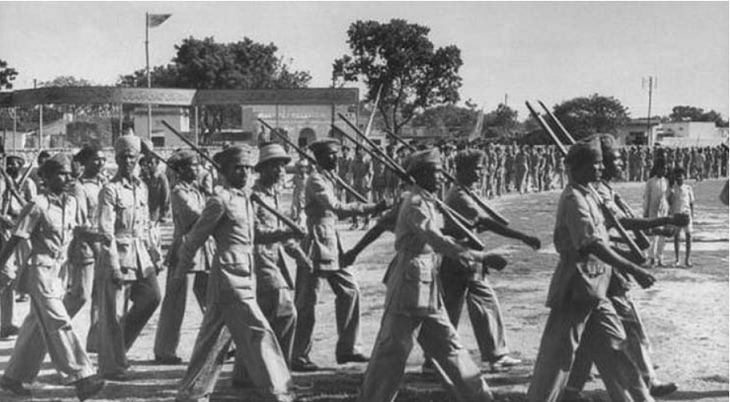
  • Bengal Famine (1943): The last major famine under British rule. It resulted in the deaths of several million people and became a symbol of colonial administrative failure.

Causes of Famine in British India

British economic policies, agrarian structures, ecological changes and inadequate relief systems combined with natural factors to produce repeated famines. The major reason contributing to the Famines in India during British Rule are highlighted below:

  • Heavy Land Revenue Demands: Systems such as the Permanent Settlement of 1793 imposed high tax burdens on cultivators. Even during crop failures, revenue collection continued, leaving peasants with little surplus for survival.
  • Ryotwari Revenue System: In Madras, Bombay and parts of Assam, cultivators paid revenue directly to the state. High assessments increased indebtedness and weakened resilience against agricultural shocks.
  • Commercialization of Agriculture: Colonial authorities encouraged cultivation of indigo, cotton, opium and jute. Expansion of cash crops reduced acreage under food crops and increased vulnerability to food shortages.
  • Export Oriented Policies: Rice, wheat, cotton, opium and other commodities were exported to support imperial economic interests. Food exports often continued even during periods of local scarcity.
  • Neglect of Agricultural Investment: Limited attention was given to irrigation, soil improvement and agricultural modernization. Dependence on monsoon rainfall therefore remained extremely high.
  • Inadequate Irrigation Infrastructure: Railways expanded rapidly under British rule, but irrigation development lagged behind. Agricultural production remained vulnerable to drought and rainfall fluctuations.
  • Economic Drain of Wealth: Dadabhai Naoroji's drain theory highlighted how wealth extraction through taxation and trade imbalances reduced India's capacity to withstand crises.
  • Laissez Faire Economic Approach: Colonial administrators often relied on free market principles and avoided direct intervention in grain markets, even during severe shortages.
  • Delayed Relief Measures: Relief operations were frequently initiated after distress had already reached severe levels, increasing mortality and suffering.
  • Poor Transport Distribution in Early Periods: Before transport networks expanded, grain movement to famine stricken regions remained difficult and inefficient.
  • Ecological Degradation: Deforestation for agriculture and resource extraction disturbed ecological balance, increased drought vulnerability and reduced environmental resilience.
  • Debt and Land Alienation: Farmers frequently borrowed from moneylenders at high interest rates. Crop failures often resulted in loss of land and long term impoverishment.
  • Population Pressure: Growing population combined with stagnant agricultural productivity increased pressure on available food resources in many regions.
  • Natural Disasters: Droughts, floods, cyclones, excessive rainfall and crop diseases frequently triggered food shortages, which colonial policies often aggravated.
  • Wartime Disruptions: During major conflicts, especially the Second World War, transport systems, imports and food distribution networks were severely disrupted.

Famine in British India Impacts

Famine in British India had deep demographic, economic, social and political consequences that reshaped Indian society. The major impacts of Famines of Colonial India have been discussed here:

  • Massive Loss of Life: Millions died from starvation, malnutrition and diseases associated with food shortages. Mortality was especially high among poor peasants, labourers, women and children.
  • Human Suffering and Starvation: Families endured prolonged hunger, declining health and social breakdown as food became increasingly inaccessible.
  • Economic Devastation: Agricultural production collapsed in affected regions, disrupting rural economies and reducing employment opportunities.
  • Distress Sale of Assets: Families sold land, livestock, tools, jewellery and household goods at extremely low prices to purchase food.
  • Rural Impoverishment: Repeated famines pushed entire communities into chronic poverty and weakened economic recovery for years.
  • Large Scale Migration: People migrated from villages to towns and cities searching for employment, relief and food supplies.
  • Rapid Urbanization: Migration contributed to urban growth and increased pressure on housing, sanitation and public resources.
  • Agricultural Changes: Farmers increasingly experimented with drought resistant crops and alternative cultivation methods in response to recurring crises.
  • Social Disruption: Traditional support networks weakened as communities fragmented and people dispersed in search of survival.
  • Health Crisis: Malnutrition reduced immunity and increased vulnerability to diseases, creating secondary mortality waves beyond starvation.
  • Educational Setbacks: Children often left school due to poverty, migration, or the need to support family survival, perpetuating long term deprivation.
  • Disease Outbreaks: Poor sanitation, overcrowding, contaminated water and weakened health conditions accelerated the spread of epidemics.
  • Exploitation of Vulnerable Groups: Women and children faced heightened risks of trafficking, forced labour and social exploitation during famine periods.
  • Growth of Nationalist Criticism: Famines strengthened criticism of colonial rule. Leaders such as Dadabhai Naoroji and R.C. Dutt linked recurrent famines to British economic policies.
  • Political Awareness: Repeated crises increased public demand for administrative accountability, welfare measures and self governance.

Famine Policies in British India

British famine policy evolved gradually from ad hoc relief measures to structured administrative frameworks, though many limitations remained. Major initiatives and policies of British Government related to the management of Famine in Colonial India evolved in the below given manner:

  • Absence of Early Famine Policy: Under the East India Company, no comprehensive famine prevention or relief system existed. Responses depended largely on local officials and provincial governments.
  • Grain Storage Measures: Authorities occasionally stored grain reserves to stabilize supplies during shortages and prevent extreme scarcity.
  • Anti Hoarding Efforts: Penalties were imposed on hoarding in some regions to discourage artificial price increases during crises.
  • Import Incentives: Governments sometimes offered bounties and incentives to encourage grain imports into famine affected areas.
  • Agricultural Loans: Advances and loans were provided for well construction and agricultural recovery in selected regions.
  • Expansion of Public Works: Relief employment through roads, canals and infrastructure projects became a common famine response mechanism.
  • Recognition of State Responsibility: After 1858, the colonial state increasingly acknowledged responsibility for irrigation, agrarian reforms and famine prevention.
  • Irrigation Development: Preventive measures included expansion of irrigation facilities aimed at reducing dependence on uncertain monsoon rainfall.
  • Agrarian Legislation: Various administrative reforms sought to reduce agricultural vulnerability and improve revenue management.
  • Famine Relief Policy: Structured relief systems gradually emerged to address food shortages through employment, relief camps and assistance programmes.
  • Famine Funds: Dedicated funds were established to meet extraordinary expenditure during major famine emergencies.
  • Famine Codes: Formal codes prescribed procedures for relief operations, scarcity classification, employment generation and food distribution.
  • Minimal Cost Principle: Colonial policies often aimed to prevent deaths while keeping expenditure as low as possible, limiting the scope of relief.
  • Relief Camps and Poor Houses: Destitute individuals received cooked food, grain, or monetary assistance through designated relief institutions.
  • Provincial Responsibility: Provincial governments generally bore relief costs, while the central government provided support when necessary.

Famine Commissions in British India

Several commissions examined recurring famines and recommended administrative reforms to reduce mortality and improve relief systems.

Campbell Commission (1866)

  • The commission was appointed after the Orissa Famine of 1866. It highlighted administrative failures and recommended better transport facilities, improved communication networks, timely grain imports and greater government responsibility for relief.
  • Significance: The commission emphasized that delayed response and poor connectivity had worsened the Orissa disaster. It marked an early attempt to systematically evaluate famine administration.

Strachey Commission (1880)

  • The commission was appointed by Lord Lytton under Sir Richard Strachey following the Great Famine of 1876-78 to formulate general principles for famine prevention and relief.
  • Timely Employment Recommendation: The commission stressed that work should be provided before famine victims became physically weakened by starvation.
  • Adequate Wage Principle: Relief wages were to be revised regularly to ensure workers received sufficient support during scarcity periods.
  • Organized Relief Distribution: Distressed areas were to be divided into administrative circles, each supervised by competent officers responsible for gratuitous relief.
  • Inspection of Food Supplies: The commission recommended monitoring food availability while generally trusting private trade for distribution.
  • Revenue and Rent Relief: Suggestions included suspension and remission of land revenue and rents in severely affected regions.
  • Provincial and Central Cost Sharing: Relief expenditure was primarily assigned to provincial governments, with central assistance available when required.
  • Cattle Protection Measures: Migration facilities for cattle to forest regions with adequate grazing were recommended during severe drought conditions.
  • Famine Fund Creation: The government accepted most recommendations and established famine funds to finance emergency relief operations.

Lyall Commission (1898)

  • The Commission was constituted after the famine of 1896-97 to review existing policies and improve famine administration.
  • Revision of Famine Codes: The commission recommended strengthening and refining existing famine codes for more effective implementation.
  • Emphasis on Irrigation: Greater investment in irrigation projects was proposed as a preventive measure against recurring famines.
  • Administrative Coordination: Better coordination between central and provincial governments was recommended to improve response efficiency during food crises.

Bengal Famine of 1943

The Bengal Famine of 1943 was the last major famine under British rule and remains one of the most tragic humanitarian disasters in modern Indian history.

  • Historical Context: The famine occurred during the Second World War in Bengal province and became one of the most severe food crises of the twentieth century.
  • Crop Failures Since 1938: Bengal experienced a series of crop failures beginning in 1938, weakening food security before the famine reached catastrophic proportions.
  • Loss of Burmese Rice Imports: Japanese occupation of Burma halted Bengal's normal rice imports, removing a major source of food supply.
  • Wartime Disruptions: War conditions disrupted trade routes, transport networks and movement of food grains across eastern India.
  • Inflation and Price Rise: Food scarcity caused sharp increases in rice prices, making basic food unaffordable for large sections of the population.
  • Hoarding and Speculation: Traders and intermediaries engaged in speculation and hoarding, further reducing market availability and driving prices upward.
  • Administrative Failures: Relief measures were widely criticized as inadequate, delayed and insufficient for the scale of the crisis.
  • Military Prioritization: Food, medical supplies and transport resources were often allocated first to military requirements and wartime industries.
  • Rice and Boat Denial Policies: Wartime defensive measures disrupted local transport and market systems, worsening food distribution problems.
  • Massive Mortality: Several million people died from starvation, malnutrition and disease, making it one of the deadliest famines in Indian history.
  • Disease and Malnutrition Cycle: Starvation weakened immunity, increasing deaths from infections and epidemic diseases.
  • Social Breakdown: Overcrowding, poor sanitation, contaminated water and unburied bodies accelerated the spread of disease.
  • Large Scale Migration: Rural populations migrated to Calcutta and other urban centres seeking food, employment and relief assistance.
  • Gendered Impact: Women and girls faced heightened exploitation, homelessness and vulnerability during the crisis, with many forced into survival based occupations.
  • Political Consequences: The famine intensified anti colonial sentiment and strengthened criticism of British governance, becoming a powerful symbol of colonial neglect and economic exploitation.

Famine in British India FAQs

Q1: Which was the most devastating famine during British rule in India?

Ans: The Bengal Famine of 1943 is considered one of the most devastating Famine in British India, causing the deaths of several million people due to food shortages, war related disruptions and administrative failures.

Q2: What were the main causes of Famine in British India?

Ans: Major causes included high land revenue demands, promotion of cash crops, inadequate irrigation, food grain exports, poverty, droughts and ineffective famine relief policies.

Q3: How many major famines occurred during British rule in India?

Ans: India experienced numerous famines under British rule, including major famines such as the Bengal Famine (1770), Orissa Famine (1866), Great Famine (1876-78) and Bengal Famine (1943).

Q4: What was the purpose of the Strachey Commission of 1880?

Ans: The Strachey Commission was appointed to formulate famine relief principles, recommend preventive measures and develop a systematic famine policy for British India.

Q5: Why is the Bengal Famine of 1943 a significant Famine in British India?

Ans: The famine highlighted the failures of colonial governance during wartime and intensified anti colonial sentiment, strengthening demands for India's independence.

Taxation System in India, Types, GST, Provisions, Reforms

Taxation System in India

The Taxation System in India is a structured framework through which the Central Government, State Governments, and local bodies collect taxes to finance public expenditure and promote economic development. It includes both direct and indirect taxes, forming the backbone of the country’s revenue system. The system is guided by constitutional provisions that define the powers of different levels of government. Over the years, reforms like GST and digital tax administration have made it more transparent and efficient.

Taxation System in India Objectives

The Taxation System in India aims to generate government revenue, promote economic growth, reduce income inequalities, and support social welfare and public development programs.

  • Revenue Generation: Provides funds for government expenditure on infrastructure, defense, healthcare, and education.
  • Economic Development: Mobilizes resources for industrial growth, agricultural development, and public investment.
  • Income Redistribution: Reduces economic disparities through progressive taxation and welfare spending.
  • Price Stability: Helps control inflation and regulate demand in the economy through fiscal measures.
  • Employment Generation: Supports government schemes and investments that create job opportunities.
  • Social Welfare: Finances poverty alleviation programs, subsidies, and social security initiatives.
  • Encouraging Savings and Investment: Offers tax incentives to promote savings, entrepreneurship, and capital formation.
  • Discouraging Harmful Consumption: Imposes higher taxes on products such as tobacco and alcohol to protect public health.
  • Regional Development: Facilitates balanced growth by funding development projects in backward and underserved regions.

Constitutional Provisions Related to Taxation

The Constitution of India provides the legal and institutional framework for taxation by clearly defining the powers of the Union and State Governments to levy, collect, and distribute taxes.

  • Article 265: States that "No tax shall be levied or collected except by authority of law." This ensures that taxes can only be imposed through a valid law enacted by the legislature.
  • Article 246: Distributes legislative powers between Parliament and State Legislatures regarding taxation through the Union List, State List, and Concurrent List.
  • Seventh Schedule: Specifies the subjects on which the Union and States can levy taxes through the Union List and State List.
  • Article 268: Provides for taxes levied by the Union Government but collected and appropriated by the State Governments.
  • Article 269: Deals with taxes levied and collected by the Union but assigned to the States.
  • Article 269A: Governs the levy and collection of Goods and Services Tax (GST) on inter-State trade and commerce.
  • Article 270: Provides for the distribution of certain taxes collected by the Union between the Centre and the States.
  • Article 271: Authorizes Parliament to levy surcharges on certain taxes for Union purposes.
  • Article 275: Provides grants-in-aid from the Union Government to States in need of financial assistance.
  • Article 280: Establishes the Finance Commission, which recommends the distribution of tax revenues between the Centre and States.
  • Article 279A: Provides for the establishment of the GST Council, the constitutional body responsible for making recommendations on GST-related matters.
  • 101st Constitutional Amendment Act, 2016: Introduced the Goods and Services Tax (GST) and significantly reformed India's indirect taxation system by creating a unified national market.

Types of Taxes in India

Taxes in India are broadly classified into Direct Taxes and Indirect Taxes, depending on whether the burden of tax can be transferred to another person or is borne directly by the taxpayer.

Direct Tax

Direct taxes are imposed directly on the income, profits, or wealth of individuals and organizations and are paid straight to the government.

  • Income Tax: Levied on the income earned by individuals, HUFs, firms, and other taxpayers.
  • Corporate Tax: Imposed on the profits earned by domestic and foreign companies.
  • Capital Gains Tax: Charged on profits arising from the sale of capital assets such as property, shares, and securities.
  • Securities Transaction Tax (STT): Levied on the purchase and sale of securities traded on recognized stock exchanges.
  • Equalisation Levy: Imposed on certain digital transactions and e-commerce services.

Indirect Tax

Indirect taxes are collected by intermediaries such as businesses and are ultimately paid by consumers through the purchase of goods and services.

  • Goods and Services Tax (GST): The primary indirect tax levied on the supply of goods and services across India.
  • Customs Duty: Imposed on imports and exports to regulate international trade and generate revenue.
  • Excise Duty on Alcohol: Levied by State Governments on the manufacture and sale of alcoholic beverages.
  • Stamp Duty: Charged on legal documents, contracts, and property transactions.
  • Property Tax: Levied by local bodies on residential, commercial, and industrial properties.
  • Road and Vehicle Tax: Collected by State Governments on vehicle ownership and usage.
  • Entertainment and Betting Tax: Levied on betting, gambling, and certain entertainment-related activities.

Goods and Services Tax (GST)

The Goods and Services Tax (GST) is a comprehensive, destination-based indirect tax introduced in India on 1 July 2017. It replaced multiple Central and State taxes with a unified tax system, simplifying taxation and creating a common national market under the principle of "One Nation, One Tax."

  • Replaced taxes such as Excise Duty, Service Tax, VAT, Central Sales Tax, Entry Tax, Luxury Tax, and Entertainment Tax.
  • Levied on the supply of goods and services at each stage of the value chain.
  • Operates on the destination-based taxation principle, where tax revenue goes to the state where goods or services are consumed.
  • Eliminates the cascading effect of taxation through the Input Tax Credit (ITC) mechanism.
  • Consists of CGST, SGST, IGST, and UTGST for different types of transactions.
  • Promotes transparency, efficiency, and ease of doing business through a technology-driven tax system.
  • Facilitates seamless interstate trade by removing multiple checkpoints and tax barriers.
  • Improves tax compliance through online registration, return filing, and payment systems.
  • Helps broaden the tax base and increase government revenue collection.
  • Encourages the formalization of the economy by bringing more businesses under the tax network.
  • Governed by the GST Council, a constitutional body established under Article 279A.

Direct Tax Reforms in India

Direct Tax Reforms in India have been introduced to simplify tax administration, improve transparency, enhance taxpayer convenience, and increase voluntary compliance. These reforms focus on digitalization, reducing tax disputes, widening the tax base, and creating a more efficient and taxpayer-friendly taxation system.

Faceless Assessment Scheme

  • Introduced as the E-Assessment Scheme in 2019 and expanded into the Faceless Assessment Scheme in 2020.
  • Eliminates physical interaction between taxpayers and tax officials.
  • Aims to improve transparency, accountability, and efficiency in tax administration.
  • Around 58,322 scrutiny cases were initially selected under the faceless assessment framework.

Faceless Appeal System

  • Launched under the Transparent Taxation – Honouring the Honest platform in 2020.
  • Enables appeals to be handled electronically without face-to-face interaction.
  • Reduces discretion and promotes impartial decision-making.

Corporate Tax Rate Reduction (2019)

  • In September 2019, the government reduced the base corporate tax rate from 30% to 22% for existing domestic companies.
  • New manufacturing companies were offered a concessional tax rate of 15% (subject to conditions).
  • Intended to boost investment, manufacturing, and global competitiveness.

Digitalization of Tax Administration

  • Expansion of online tax filing, e-verification, and digital communication.
  • Simplifies compliance and minimizes paperwork.
  • Nearly 99% of income tax returns are now filed electronically, reflecting the success of digital reforms.

PAN-Aadhaar Integration

  • Strengthens taxpayer identification and reduces duplication.
  • Helps track financial transactions and curb tax evasion.
  • Improves the accuracy of taxpayer databases.

Taxpayer Charter

  • Introduced in 2020 as part of the transparent taxation initiative.
  • Defines the rights and responsibilities of taxpayers.
  • Promotes trust and accountability between taxpayers and the tax administration.

Simplification of Income Tax Return (ITR) Filing

  • Introduction of pre-filled return forms and simplified filing procedures.
  • Faster processing of returns and refunds.
  • Enhances taxpayer convenience and compliance.

Progressive, Proportional and Regressive Taxation

Progressive, Proportional, and Regressive Taxation are different methods of imposing taxes based on how the tax burden changes with the income level of taxpayers. These systems are used to achieve various economic and social objectives, including revenue generation, equity, and income redistribution.

Progressive Taxation

Progressive taxation is a system in which the tax rate increases as the taxpayer's income increases. Higher-income individuals pay a larger percentage of their income as tax compared to lower-income groups.

  • Tax burden rises with an increase in income.
  • Promotes social and economic equality.
  • Helps reduce income and wealth disparities.
  • Generates higher revenue from affluent sections of society.
  • Based on the principle of ability to pay.
  • Example: Income Tax in India, where higher income slabs are taxed at higher rates.

Proportional Taxation

Proportional taxation, also known as a flat tax system, applies the same tax rate to all taxpayers regardless of their income level.

  • Every taxpayer pays tax at a uniform rate.
  • Tax burden remains proportionate to income.
  • Simple and easy to administer.
  • Reduces complexity in tax calculations.
  • Does not significantly redistribute income.
  • Example: A hypothetical system where all taxpayers pay a fixed percentage of their income as tax.

Regressive Taxation

Regressive taxation is a system in which the tax burden falls more heavily on lower-income groups than on higher-income groups as a proportion of income.

  • Lower-income individuals spend a larger share of their income on taxes.
  • Tax rate effectively decreases as income rises.
  • May increase economic inequality.
  • Commonly associated with consumption-based taxes.
  • Easier to collect due to broad tax coverage.
  • Example: Certain indirect taxes where all consumers pay the same tax rate regardless of income.

Distribution of Taxes

The distribution of taxes in India refers to the constitutional division of taxation powers and revenue-sharing arrangements between the Union Government, State Governments, and local bodies to ensure fiscal federalism and balanced development across the country. 

  • The Constitution divides taxation powers between the Centre and States through the Union List, State List, and Concurrent List under the Seventh Schedule.
  • The Union Government collects major taxes such as Income Tax, Corporate Tax, Customs Duty, and IGST, which are used for national-level expenditure.
  • The State Governments collect taxes like SGST, stamp duty, land revenue, excise on alcohol, and motor vehicle tax for state-level development.
  • Some taxes are levied by the Centre but shared with States based on Finance Commission recommendations.
  • The Finance Commission (Article 280) plays a key role in recommending the distribution of net tax proceeds between Centre and States.
  • Taxes collected under Article 268 and Article 269 are either assigned or shared with State Governments.
  • The GST regime introduced a dual structure where both Centre (CGST) and States (SGST) share tax on intra-state transactions.
  • IGST is collected by the Centre on inter-state trade and later distributed between Centre and destination States.

Role of Finance Commission in Distribution of Taxes

The Finance Commission of India, established under Article 280 of the Constitution, plays a crucial role in ensuring fair and equitable distribution of tax revenues between the Union and the States to maintain fiscal balance and cooperative federalism.

  • The Finance Commission recommends the vertical distribution of taxes between the Centre and States, deciding how the divisible pool of taxes is shared.
  • It determines the horizontal distribution formula, which allocates resources among States based on criteria like population, income distance, area, and fiscal discipline.
  • It suggests the percentage share of States in the net proceeds of central taxes, which is periodically revised every five years.
  • The Commission recommends grants-in-aid to States under Article 275, especially for those with weaker financial capacity.
  • It aims to reduce regional imbalances by ensuring equitable distribution of financial resources among richer and poorer States.
  • It strengthens fiscal federalism by balancing the financial powers and responsibilities of the Centre and States.
  • It advises on measures to improve the financial health of local bodies, including Panchayats and Municipalities.

Major Challenges in India's Taxation System

India's taxation system has undergone significant reforms over the years, but several structural, administrative, and economic challenges continue to affect its efficiency, revenue collection, and taxpayer compliance.

  • Narrow Tax Base: A relatively small proportion of India's population pays direct taxes, limiting the government's revenue-generating capacity and increasing dependence on indirect taxes.
  • Tax Evasion and Black Money: Concealment of income, underreporting of transactions, and cash-based activities result in substantial revenue losses and weaken fiscal transparency.
  • Large Informal Economy: A significant portion of economic activity takes place in the unorganized sector, making it difficult for tax authorities to track income and ensure compliance.
  • Complex Tax Compliance: Frequent changes in tax laws, procedures, and filing requirements increase compliance costs, particularly for small businesses and individual taxpayers.
  • GST-Related Challenges: Issues such as multiple return filings, input tax credit disputes, technical glitches, and refund delays continue to create difficulties for businesses.
  • High Volume of Tax Litigation: Large numbers of pending tax disputes in tribunals and courts lead to uncertainty, delayed revenue realization, and increased compliance burdens.
  • Centre-State Fiscal Disputes: Differences regarding tax devolution, GST compensation, and revenue-sharing arrangements sometimes create challenges in fiscal federalism.
  • Administrative Inefficiencies: Despite digitization, delays in assessments, dispute resolution, and enforcement continue to affect the effectiveness of tax administration.
  • Taxation of the Digital Economy: Rapid growth of e-commerce, digital services, and multinational technology companies poses challenges for tax authorities in determining tax jurisdiction and liability.
  • Dependence on Indirect Taxes: A substantial share of government revenue comes from indirect taxes, which may disproportionately affect lower-income groups and raise concerns about tax equity.

Taxation System in India FAQs

Q1: What is the Taxation System in India?

Ans: The Taxation System in India is the framework through which the Central Government, State Governments, and local bodies levy and collect taxes to finance public expenditure and economic development.

Q2: What are the main types of taxes in India?

Ans: The two main types of taxes in India are Direct Taxes (such as Income Tax and Corporate Tax) and Indirect Taxes (such as GST and Customs Duty).

Q3: What is a Direct Tax?

Ans: A Direct Tax is a tax that is paid directly by the taxpayer to the government and cannot be transferred to another person. Examples include Income Tax and Corporate Tax.

Q4: What is an Indirect Tax?

Ans: An Indirect Tax is a tax collected by an intermediary and ultimately borne by the consumer. GST is the most prominent example of an indirect tax in India.

Q5: What is GST?

Ans: Goods and Services Tax (GST) is a destination-based indirect tax introduced on 1 July 2017 that replaced multiple Central and State taxes to create a unified tax system.

World Food Safety Day 2026, Date, Theme, Food Safety in India

World Food Safety Day 2026

World Food Safety Day 2026 is a global observance dedicated to promoting safe food practices and preventing foodborne diseases. The day highlights the importance of food safety in protecting health, supporting livelihoods, strengthening economies and ensuring access to safe and nutritious food. It is led by the World Health Organization (WHO) and the Food and Agriculture Organization (FAO). The observance encourages governments, businesses and consumers to work together for safer food systems worldwide.

When is World Food Safety Day 2026?

World Food Safety Day 2026 will be observed on 7 June 2026 across the world. The observance was established by the United Nations General Assembly in 2018 and the first World Food Safety Day was celebrated on 7 June 2019. It serves as an international platform to raise awareness about food safety risks, promote preventive measures and strengthen food safety systems that protect public health and sustainable development.

World Food Safety Day 2026 Theme

The theme of World Food Safety Day 2026 is “From burden to solutions- safe food everywhere.” The theme focuses on the global burden of foodborne diseases and emphasizes the importance of using scientific evidence, disease estimates and reliable data to develop effective and affordable food safety solutions. It highlights that understanding the scale and impact of food related risks helps governments, businesses and consumers take informed actions to make food safer for everyone.

World Food Safety Day 2026 History

World Food Safety Day was established to strengthen global awareness about food safety and prevent foodborne illnesses worldwide.

  • Growing cases of foodborne diseases, contamination incidents and unsafe food practices increased international attention towards creating stronger food safety systems and coordinated global action for consumer protection.
  • The United Nations General Assembly officially established World Food Safety Day in 2018 to encourage countries to prioritize food safety and improve public awareness regarding food related health risks.
  • The World Health Organization and the Food and Agriculture Organization of the United Nations jointly facilitate the annual observance, working closely with Member States and stakeholders.
  • The first World Food Safety Day was celebrated on 7 June 2019, creating a dedicated global platform for discussions on food safety, disease prevention and food system resilience.
  • Over the years, the observance has increasingly focused on science based regulation, risk assessment, surveillance systems and evidence driven decision making to reduce foodborne disease burdens.
  • This year, WHO will release new foodborne disease burden estimates before 7 June 2026, providing updated evidence to support targeted interventions, policy formulation and cost effective food safety solutions.

World Food Safety Day 2026 Significance

World Food Safety Day 2026 highlights the direct relationship between safe food, public health, economic development and sustainable food systems.

  • Addressing Foodborne Diseases: Foodborne diseases remain a major global burden and are linked to at least 200 illnesses that affect health, education, livelihoods, productivity and economic growth across countries.
  • Preventable Nature of Risks: Most food safety risks can be prevented through proper hygiene, safe handling, scientific monitoring, improved regulation and stronger compliance throughout the food supply chain.
  • Science Based Decision Making: The 2026 theme emphasizes that reliable health data enables governments and regulators to design targeted, evidence based and cost effective food safety interventions.
  • Protecting Public Health: Safe food reduces exposure to harmful bacteria, viruses, parasites, toxins, chemical residues and adulterants that can cause serious illnesses and long term health consequences.
  • Supporting Food Businesses: Scientific guidance helps food producers, processors, transporters, retailers and inspectors improve food safety practices, reduce contamination risks and strengthen consumer confidence.
  • Consumer Awareness and Trust: Better communication of food safety information allows consumers to make informed choices while increasing trust in national food safety systems and regulatory institutions.
  • Contribution to Sustainable Development: Food safety supports food security, nutrition, responsible consumption, public health protection and broader sustainable development objectives at national and global levels.
  • Strengthening Global Cooperation: The observance encourages collaboration among governments, scientists, regulators, businesses and consumers to create safer and more resilient food systems worldwide.

Food Safety in India

India has significantly strengthened its food safety framework through scientific regulation, institutional reforms and consumer awareness initiatives, though important challenges remain.

  • Food Safety and Standards Act 2006: India replaced multiple food related laws with a unified framework under the Food Safety and Standards Act 2006, creating a modern science based regulatory system.
  • Role of FSSAI: The Food Safety and Standards Authority of India (FSSAI) regulates food standards, licensing, testing, labelling, hygiene norms, consumer awareness and enforcement across the country.
  • Adoption of Global Standards: India has increasingly aligned its regulations with Codex Alimentarius standards, helping harmonize food safety requirements with internationally accepted scientific principles.
  • Scientific Standardization: Regulatory measures include defined limits for Maximum Residue Levels (MRLs), Acceptable Daily Intake (ADI), food additives, contaminants and other food safety parameters.
  • Consumer Awareness Initiatives: Campaigns such as Eat Right India promote healthy eating habits, food hygiene awareness and greater public participation in maintaining food safety standards.
  • Core Objective of Food Safety Efforts: The ultimate goal is to ensure safe and nutritious food for all citizens while reducing foodborne diseases, strengthening public trust and supporting sustainable food systems.

Food Safety in India Challenges

  • Food Adulteration and Contamination: Persistent challenges include pesticide residues, illegal additives, food adulteration, chemical contamination and unhygienic food handling practices in parts of the supply chain.
  • Research Gaps: Limited India specific toxicological studies and the absence of comprehensive Total Diet Studies (TDS) affect the development of localized risk assessments suited to Indian conditions.
  • Regulatory Issues: Certain outdated regulations and warning labels continue despite evolving scientific evidence, creating challenges for regulatory credibility and public confidence.
  • Complex Food Supply Chains: India's large organized and unorganized food sectors make monitoring, inspection, enforcement and compliance more difficult across diverse food markets.
  • Food Safety Priorities: Key focus areas include food adulteration control, food labelling and packaging, street food hygiene, pesticide monitoring, imported food regulation, fortified food standards and consumer protection.
  • Way Forward: India needs stronger scientific research, regular regulatory updates, risk based inspections, improved testing systems, clearer public communication and greater collaboration among regulators, scientists, industry and consumers.

World Food Safety Day 2026 FAQs

Q1: When is World Food Safety Day 2026 observed?

Ans: World Food Safety Day 2026 will be observed globally on 7 June 2026 to promote safe food practices and prevent foodborne diseases.

Q2: What is the theme of World Food Safety Day 2026?

Ans: The theme for World Food Safety Day 2026 is “From burden to solutions- safe food everywhere.”

Q3: Who organizes World Food Safety Day?

Ans: World Food Safety Day is facilitated jointly by the World Health Organization (WHO) and the Food and Agriculture Organization (FAO).

Q4: Which organization regulates Food Safety in India?

Ans: The Food Safety and Standards Authority of India (FSSAI) is the main authority responsible for food safety regulation and standards in India.

Q5: What are the major challenges to Food Safety in India?

Ans: Major challenges include food adulteration, contamination, pesticide residues, weak monitoring in some areas, limited testing infrastructure and gaps in risk communication.

Question Hour in Parliament, Meaning, Time, Procedure, Questions

Question Hour in Parliament

Question Hour in Parliament is one of the most important instruments of legislative control over the executive in India. It allows Members of Parliament (MPs) to seek information, question government decisions and examine the functioning of ministries. Through this mechanism, ministers become directly answerable to Parliament. Over the years, Question Hour has played a crucial role in promoting transparency, exposing irregularities and strengthening democratic accountability by bringing official information into the public domain.

What is Question Hour in Parliament?

Question Hour in Parliament is the designated one hour period during a parliamentary sitting when MPs ask questions to ministers regarding government policies, administration, schemes and departmental functioning. It is generally held during the first hour of the sitting in Lok Sabha and at 12 PM in Rajya Sabha. The procedure is governed by parliamentary rules and supervised by the Speaker of Lok Sabha and the Chairman of Rajya Sabha, who have the final authority regarding its conduct and admissibility.

Question Hour in Parliament Features

Question Hour in Parliament serves as primary mechanism for obtaining official information and ensuring government accountability.

  • Before Independence, the first question addressed to the government was asked in 1893. In Rajya Sabha, questions were first taken up on 27 May 1952.
  • Question Hour Time generally occupies the first hour of a parliamentary sitting. In Lok Sabha, it usually begins at 11:00 AM to 12:00 PM, while in Rajya Sabha it is being conducted from 12:00 noon to 1:00 PM since 2014.
  • Question Hour enables MPs to directly question ministers regarding policies, decisions, expenditure, implementation of schemes and administrative actions, thereby ensuring continuous legislative scrutiny of the executive.
  • Ministers are required to provide factual and authentic replies before Parliament, making them answerable for the performance and functioning of their respective ministries and departments.
  • The conduct of Question Hour is regulated through established parliamentary procedures, including Rules 32 to 54 of Lok Sabha and corresponding provisions in Rajya Sabha rules.
  • The Speaker of Lok Sabha and the Chairman of Rajya Sabha possess final authority regarding admissibility, scheduling, conduct and procedural decisions related to questions.
  • Apart from ministers, questions may also be addressed to private members, meaning MPs who are not part of the Council of Ministers.

Types of Questions in Question Hour

Question Hour in Parliament provides different categories of questions to address routine, detailed and urgent matters of governance.

  • Starred Question: A starred question is identified by an asterisk (*) and requires an oral answer from the concerned minister. MPs can ask supplementary questions after receiving the initial reply.
  • Unstarred Question: An unstarred question receives a written response from the ministry. Since the answer is laid on the table of the House, supplementary questions are not permitted.
  • Short Notice Question: These questions concern matters of urgent public importance and are submitted with less than ten days’ notice. They receive oral answers and allow supplementary questions.
  • Questions to Private Members: Certain questions may be directed to private members concerning bills, resolutions, or matters for which they are responsible within parliamentary proceedings.
  • Supplementary Questions: After an oral answer to a starred or short notice question, members may ask supplementary questions to obtain additional clarification and factual details.

Criteria for Questions Asked in Question Hour

Questions admitted during Question Hour in Parliament must satisfy specific procedural and substantive requirements prescribed by parliamentary rules.

  • Questions should relate to matters of public significance and issues concerning governance, administration, public welfare, or government functioning.
  • Questions must be pointed, clear and confined to a single issue rather than combining multiple unrelated matters.
  • The subject matter should primarily fall within the responsibility and jurisdiction of the Government of India or the concerned ministry.
  • If a question contains factual statements, the member submitting it is responsible for ensuring their correctness and authenticity.
  • Questions should not contain arguments, defamatory remarks, inferences, imputations, ironical expressions, or unnecessary personal references.
  • Questions cannot seek hypothetical answers, abstract legal interpretations, or personal opinions from ministers regarding speculative situations.
  • Parliamentary rules provide that questions should generally not exceed 100 words and must remain concise and focused.
  • Questions ordinarily should not seek information on matters currently under consideration by a Parliamentary Committee.

Question Hour in Parliament Procedure

A structured procedure ensures that questions are properly examined and answered within parliamentary sessions. The detailed process of Question Hour in Parliament has been listed below:

  • Submission of Notice: MPs submit question notices to the Secretary General either through the Member’s Portal using credentials or through printed forms from the Parliamentary Notice Office.
  • Advance Notice Requirement: Normally, questions are required to be submitted at least fifteen days before the date on which answers are sought in the House.
  • Limit on Notices: A member may submit up to five question notices, including both oral and written questions, for a particular sitting day.
  • Examination by Presiding Officer: The Speaker or Chairman examines the notices and determines whether they satisfy admissibility conditions prescribed under parliamentary rules.
  • Preparation of Replies: After admission, the concerned ministry prepares official responses based on departmental records, facts and government policies.
  • Listing of Questions: Generally, only 20 starred questions are listed for oral answers daily, while up to 230 unstarred questions may be listed for written replies.
  • Oral and Written Responses: Ministers provide oral answers for starred and short notice questions, whereas written responses are furnished for unstarred questions.
  • Special Exceptions: Question Hour is not held when the President addresses both Houses at the beginning of a new Lok Sabha or parliamentary year and on Budget presentation day.

Question Hour in Parliament Significance

Question Hour in Parliament remains one of the strongest democratic tools for ensuring responsible government and informed public debate.

  • Ensures Executive Accountability: Ministers must explain government actions, policies, expenditure decisions and administrative performance before elected representatives.
  • Promotes Transparency: Information provided during Question Hour becomes part of parliamentary records and enters the public domain for wider scrutiny.
  • Information Gathering Mechanism: MPs obtain detailed and authentic data regarding government programmes, implementation status, policy outcomes and departmental performance.
  • Checks Arbitrary Decisions: Regular questioning discourages arbitrary executive actions by subjecting decisions to parliamentary examination and public visibility.
  • Exposes Irregularities: Over nearly seven decades, questions raised by MPs have revealed financial irregularities, administrative lapses and governance deficiencies.
  • Strengthens Representative Democracy: MPs use Question Hour to raise issues affecting citizens and ensure that public concerns receive official responses from the government.
  • Improves Governance Quality: The possibility of parliamentary questioning encourages ministries to maintain better records, efficiency and policy preparedness.
  • Protects Constitutional Accountability: Since the government is collectively responsible to Parliament, Question Hour reinforces the constitutional principle of responsible government.

Question Hour in Parliament Limitations

Despite its importance, several practical and procedural challenges affect the effectiveness of Question Hour in Parliament.

  • Limited Available Time: The one hour duration restricts the number of questions that can actually be taken up and discussed during a sitting.
  • Political Disruptions: Frequent disruptions, adjournments and interruptions often reduce the opportunity for meaningful questioning and detailed ministerial responses.
  • Incomplete Responses: At times, answers may be technical, brief, or insufficient, limiting the effectiveness of parliamentary scrutiny.
  • Large Number of Pending Questions: The volume of notices received often exceeds the number that can be listed or answered during a session.
  • Suspension Concerns: Suspension of Question Hour, as witnessed during the Covid 19 period, reduces opportunities for MPs to directly question the government.
  • s When Question Hour is unavailable, ministers are not subject to the same structured questioning process that exists under normal parliamentary functioning.

Difference Between Question Hour and Zero Hour

Question Hour in Parliament and Zero Hour are distinct parliamentary devices serving different purposes within legislative proceedings.

  • Timing: Question Hour is conducted during the designated questioning period of the sitting, whereas Zero Hour begins immediately after Question Hour and continues until regular business starts.
  • Rules and Recognition: Question Hour is formally regulated under parliamentary rules, while Zero Hour is an Indian parliamentary innovation not mentioned in the official rules book.
  • Notice Requirement: Questions in Question Hour require prior notice and scrutiny, whereas matters during Zero Hour can be raised without any advance notice.
  • Nature of Proceedings: Question Hour focuses on obtaining information and answers from ministers, while Zero Hour allows members to raise urgent public issues and concerns.
  • Answer Obligation: Ministers are required to answer questions during Question Hour, whereas issues raised during Zero Hour do not necessarily require formal replies.
  • Types of Questions: Question Hour includes starred, unstarred, short notice and private member questions, while Zero Hour does not involve any such classified questioning system.
  • Accountability Function: Question Hour directly enforces ministerial accountability, whereas Zero Hour primarily provides a platform for drawing attention to important matters.
  • Democratic Value: Both mechanisms strengthen parliamentary democracy, but Question Hour remains the more structured and effective instrument for executive oversight and transparency.

Question Hour in Parliament FAQs

Q1: What is Question Hour in Parliament?

Ans: Question Hour is the first hour of a parliamentary sitting when MPs ask questions to ministers about government policies, decisions and administration.

Q2: How many types of questions are asked during Question Hour in Parliament?

Ans: There are four types of questions: Starred Questions, Unstarred Questions, Short Notice Questions and Questions addressed to Private Members.

Q3: What is the need for Question Hour in Parliament?

Ans: It ensures government accountability, promotes transparency, provides authentic information and allows MPs to scrutinize executive actions.

Q4: When is Question Hour not held in Parliament?

Ans: Question Hour is not conducted on the day of the President’s address to both Houses and on the day the Union Budget is presented.

Q5: What is the difference between Question Hour and Zero Hour?

Ans: Question Hour is a rule based mechanism with prior notice and mandatory ministerial replies, whereas Zero Hour allows issues to be raised without notice and does not require formal answers.

World Pest Day 2026, Date, Theme, History, Pest Management

World Pest Day 2026

World Pest Day 2026 is observed globally to highlight the importance of professional pest management in protecting public health, food safety, property, agriculture and the environment. It was initiated by the Chinese Pest Control Association and supported by the Federation of Asian and Oceania Pest Managers’ Association (FAOPMA), the National Pest Management Association (NPMA) and the Confederation of European Pest Management Associations (CEPA). 

When is World Pest Day 2026?

The World Pest Day 2026 is observed annually on June 06th across the world. The initiative aims to improve public, government and media awareness, strengthen the professional image of the pest management industry, encourage scientific pest control and highlight major threats caused by small pests. The day promotes scientific and responsible pest control practices while creating awareness about the threats posed by pests worldwide.

World Pest Day 2026 Theme

The theme of World Pest Day 2026 is “Defending Health Across Borders: The Global Power of Pest Management” with the tagline “Marking 10 Years of World Pest Day- United Around the Globe.” The theme celebrates the tenth anniversary of the observance and recognizes the collective efforts of pest management professionals, associations and organizations worldwide in safeguarding human health, food systems and communities from pest- related risks. It also emphasizes international cooperation because pests and the diseases they spread do not recognize national boundaries.

World Pest Day 2026 History

World Pest Day 2026 traces its origin to a global effort to increase awareness about pest related challenges and professional pest control solutions.

  • World Pest Day was established in 2017 by the Chinese Pest Control Association with support from FAOPMA, NPMA and CEPA to promote awareness about the role of pest management in public health protection.
  • The inaugural ceremony was held on 6 June 2017 in China, with around 300 invited participants including industry experts, media representatives, researchers and academic professionals.
  • The observance gained international recognition when World Pest Day was celebrated in Portugal during the Global Summit of Pest Management Services for Public Health and Food Safety in 2018.

Also Read: Important Days in June 2026

World Pest Day 2026 Observance

World Pest Day 2026 promotes education, awareness, innovation and collaboration in pest management through global and local initiatives.

  • Global awareness campaigns: Organizations conduct social media outreach, public engagement programmes and educational campaigns to inform people about pest related risks and the benefits of professional pest management services.
  • Workshops and seminars: Experts organize training sessions, conferences and awareness programmes discussing disease prevention, food safety, integrated pest management and emerging pest control technologies.
  • Research and innovation promotion: The observance provides a platform for presenting new research, sustainable pest control methods and innovative approaches to managing pest populations effectively.
  • Professional training activities: Pest management professionals participate in technical sessions that improve skills, encourage responsible practices and strengthen industry standards across different countries.
  • 10th anniversary celebration: A special anniversary programme is scheduled on 5 June 2026 during the Global Public Health & Food Safety Summit in Hong Kong, bringing together global pest management leaders.

Pest Management in India

Pest Management remains a critical issue in India because agriculture, food security, public health and environmental sustainability are closely linked with pesticide use and pest control practices.

  • What are Pests?: Pests include insects, fungi, weeds, bacteria,  molluscs and other organisms that damage crops, spread diseases, reduce agricultural productivity and threaten human health and food systems.
  • Pesticide Usage in India: India is the fourth largest pesticide producer in the world. The Indian pesticide market was valued at about Rs 197 billion in 2018.
  • Health related concerns: National Crime Records Bureau data recorded 7,672 accidental insecticide and pesticide poisoning cases in 2015, resulting in 7,060 deaths.
  • Impact on farmers: Long term exposure to pesticides has been associated with headaches, fatigue, dizziness, memory impairment, depression, Parkinson’s disease, Alzheimer's disease and other nervous system disorders.
  • Biomagnification Challenge: Pesticides enter soil and water systems, move through plants and aquatic organisms and accumulate at higher concentrations in humans through the food chain, a process known as biomagnification.
  • Agricultural and ecological effects: Continuous pesticide use over several decades has contributed to ecological imbalance, environmental degradation and economic challenges affecting agricultural sustainability.
  • Regulatory framework: Pesticides are regulated under the Insecticides Act 1968 and Insecticides Rules 1971. The Act governs import, manufacture, sale, transport, distribution and use of pesticides and insecticides.
  • Registration mechanism: India has about 292 registered pesticides. Registration is handled by the Directorate of Plant Protection, Quarantine & Storage under the Ministry of Agriculture & Farmers Welfare.
  • Need for reforms: Administrative gaps, quality control concerns, limited accountability and the continued use of several pesticides banned elsewhere prompted approval of the Pesticides Management Bill, 2020.
  • Government initiatives: Programmes such as Paramparagat Krishi Vikas Yojana (PKVY) and Rashtriya Krishi Vikas Yojana (RKVY) encourage organic farming and reduced dependence on chemical pesticides.
  • Promotion of biopesticides: India is encouraging biologically based pest control solutions, including microorganisms, plant extracts, nematodes and pheromones as environmentally safer alternatives.
  • Future measures: Experts recommend stricter regulation of hazardous pesticides, stronger farmer awareness programmes, need based pesticide registration, better emergency response systems and greater adoption of agro-ecological practices.

Also Check: Agrochemicals

World Pest Day 2026 Significance

World Pest Day 2026 highlights the essential contribution of pest management to public health, food security, environmental protection and economic stability.

  • Public health protection: Effective pest management reduces the spread of diseases transmitted by pests, including malaria, dengue and other vector borne illnesses affecting millions worldwide.
  • Food security enhancement: Pest control helps prevent crop losses, protects food storage systems and strengthens supply chains from farms to consumers, supporting global food availability.
  • Environmental responsibility: Scientific pest management encourages responsible control methods that reduce environmental damage while preserving biodiversity and ecosystem balance.
  • Economic benefits: Agriculture, hospitality, food processing and real estate sectors benefit significantly from reduced pest related losses and improved operational efficiency.
  • Global collaboration platform: The observance promotes international cooperation, knowledge sharing and coordinated responses to pest challenges that increasingly cross borders due to trade and climate change.
  • Awareness and education: World Pest Day improves understanding of pest threats, professional pest management services and the need for sustainable solutions that protect people, property, food and the environment.

World Pest Day 2026 FAQs

Q1: When is World Pest Day 2026 observed?

Ans: World Pest Day 2026 is observed globally on 6 June 2026 to promote awareness about pest management and public health protection.

Q2: What is the theme of World Pest Day 2026?

Ans: The theme of World Pest Day 2026 is “Defending Health Across Borders: The Global Power of Pest Management.”

Q3: Who started World Pest Day?

Ans: World Pest Day was initiated by the Chinese Pest Control Association with support from FAOPMA, NPMA and CEPA in 2017.

Q4: Which Law regulates Pesticides in India?

Ans: Pesticides in India are regulated under the Insecticides Act, 1968 and the Insecticides Rules, 1971, which govern their manufacture, sale, distribution and use.

Q5: What are Biopesticides in Pest Management?

Ans: Biopesticides are pest control agents derived from living organisms or natural substances such as microorganisms, plant extracts and insect pheromones.

Screw Pine

Screw Pine

Screw Pine Latest News

Recently, it was observed that farmers in Odisha’s Ganjam district have switched from paddy to kewra cultivation or Screw Pine cultivation due to repeated crop raids by wild boars. 

About Screw Pine

  • The Screw Pine or kewra  or kewda plant (pandanus odorifer) is a small branched tree or shrub.
  • It is a common species of the family Pandanaceae.
  • It is a monocot, more closely related to grasses and palms than to conifers.
  • It grows naturally in tropical coastal environments.
  • Appearance
    • It is a small, slender, branching tree with a flexuous trunk supported by brace roots.
    • With rosettes of long-pointed, stiffly leathery, spiny, bluish-green, fragrant leaves.
    • It is known for its distinctive prop roots and long, narrow leaves.
  • Distribution: It is found wild in southern India, Burma and the Andamans.
    • It grows abundantly in the coastal regions of Orissa, especially along the Ganjam coast between Rushikulya river to the north and Bahuda river to the south.
  • Required Climatic Conditions
    • Climate: It requires bright, direct sunlight and thrives in warm, humid conditions.
    • Soil: It prefers loamy soil that is rich in organic matter and retains moisture well.
    • Rain: Moderate rainfall (1,500–2,000 mm annually)
  • Applications
    • It is widely used to flavour food, in the aromatic, perfumery and cosmetics industry as well as in Ayurvedic medicines.
    • The flowers (only male) are used to extract fragrance/oil.
    • The leaves of the plant are used to make mats, baskets and bags.
  • Ecological Significance: It plays a vital role in stabilising shorelines and supporting biodiversity — making it a keystone species in Indian coastal ecosystems.

Source: DTE

Screw Pine FAQs

Q1: Which species of Screw Pine is most important commercially for Kewda oil extraction?

Ans: Pandanus odorifer syn. Pandanus fascicularis - main source of Kewda oil/attar in India

Q2: What is an important ecological role of Screw Pine in coastal areas ?

Ans: Dense thickets with prop roots stabilize dunes, prevent coastal erosion, act as bio-shield

National Awards for e-Governance

National Awards for e-Governance

National Awards for e-Governance Latest News

Recently, the Union government named 16 projects of the Central, state and local governments across the country as the winners of the National Awards for e-Governance.

About National Awards for e-Governance

  • NAeG are presented every year to recognize and promote excellence in implementation of e-Governance initiatives. 
  • Nodal Ministry: Ministry of Personnel, Public Grievances & Pensions
  • The NAeG Awards, 2026 consist of:
    • Trophy, Certificate and an incentive of Rs 10 lakh for Gold Awardees and Rs 5 lakh for Silver Awardees to be awarded to Central Ministry/Department/State/UT/ District/Organisation/Gram Panchayat for being utilised for implementation of project/programme or bridging resources gaps in any area of public welfare.
  • This year 16 Awards are being conferred under the NAeG 2026. Of these 10 will be Gold Awards and 6 will be silver Awards.
  • The seven categories for the NAeG 2026, are
    • Government Process Re-engineering by Use of Technology for Digital Transformation
    • Innovation by Use of AI and Other New Age Technologies for Providing Citizen Centric Services
    • Best e-Gov Practices/Innovation in Cyber Security
    • District Level Initiatives in e-Governance
    • Grassroots Level Initiatives by Gram Panchayats or equivalent Traditional Local Bodies for Deepening/Widening of Service Delivery
    • Replication and Scaling of Nationally Awarded and Mission-Mode e-Governance Projects by States/UTs/Districts,
    • Digital transformation by Use of Data Analytics in Digital Platforms by Central Ministries/States/UTs.

Source: PIB

National Awards for e-Governance FAQs

Q1: The National Awards for e-Governance were instituted in which year?

Ans: Instituted in 2003 to recognize and promote excellence in e-Governance

Q2: National Awards for e-Governance are presented by which Ministry/Department?

Ans: DARPG, Ministry of Personnel, Public Grievances & Pensions presents NAeG

Agricultural and Processed Food Products Export Development Authority

Agricultural and Processed Food Products Export Development Authority (APEDA)

Agricultural and Processed Food Products Export Development Authority Latest News

Recently, the Agricultural and Processed Food Products Export Development Authority (APEDA) facilitated the flagging off of the first-ever sea shipment of botanical-infused ready-to-cook millet functional foods from Karnataka to New Zealand. 

About Agricultural and Processed Food Products Export Development Authority

  • It is a statutory body established by the Government of India under the Agricultural and Processed Food Products Export Development Authority Act in December, 1985.
  • Nodal Ministry: It works under the Ministry of Commerce and Industry.
  • Objective: To develop and promote the export of scheduled products.
  • APEDA is headed by a Chairman appointed by the Central Government.
  • Headquarters: New Delhi
    • APEDA has set up 15 Regional Offices at Mumbai, Bengaluru, Telangana, Kolkata, Guwahati, Ahmedabad, Varanasi, Chandigarh, Bhopal, Chennai, Kochi, Tripura, Srinagar, Jammu, and Ladakh

Functions of APEDA

  • Setting the standards and specifications for the scheduled products.
  • Registration of exporters of the scheduled products on payment of required fees.
  • Carrying out an inspection of products to ensure the quality of such products.
  • Training in various aspects of the industries connected with the scheduled products.
  • Development of industries relating to the scheduled products and undertaking surveys, feasibility studies, etc.
  • It is responsible for providing financial assistance, information, and guidelines for the development of scheduled products. 
  • It also functions as the Secretariat to the National Accreditation Board (NAB) for the implementation of accreditation of the Certification Bodies under National Programme for Organic Production (NPOP) for Organic exports.

Source: PIB

Agricultural and Processed Food Products Export Development Authority FAQs

Q1: APEDA was established under which Act?

Ans: APEDA Act, 1985. Came into effect on 13th Feb 1986

Q2: APEDA functions under which Ministry?

Ans: Under Department of Commerce, Ministry of Commerce & Industry

National e-Vidhan Application(NeVA)

National e-Vidhan Application

National e-Vidhan Application Latest News

Recently, the West Bengal legislative assembly signed MoU for implementation of National e-Vidhan Application (NeVA).

About National e-Vidhan Application

  • It is an online platform designed to digitize the legislative processes of all state and union territory assemblies.
  • It is one of the 44 Mission Mode Projects (MMPs) under the Digital India Programme of the Government of India.
  • It aims to make the functioning of all State Legislatures paperless and integrate all Legislative Houses on a single digital platform under the vision of ‘One Nation, One Application’.
  • NeVA is a device neutral and member centric application created to equip them to handle diverse House Business smartly by putting entire information regarding member contact details, rules of procedure, list of business, notices, bulletins, bills etc.
  • It assists the Chair of the House in conducting proceedings smoothly while enabling members to fulfill their responsibilities efficiently.
  • The NeVA platform is hosted on Meghraj 2.0, India’s cloud infrastructure, ensuring robust scalability, security, and data integrity.

Features of National e-Vidhan Application

  • It provides real-time access to key legislative documents, such as agendas, bills, and reports.
  • The platform features a secure digital repository, safeguarding the confidentiality and integrity of legislative data.
  • The platform also offers multilingual capabilities, catering to the linguistic diversity across states and regions, making it accessible to a broader range of users.
  • Its device-agnostic nature allows it to be accessed seamlessly across smartphones, tablets, laptops, and desktops.

Source: PIB

National e-Vidhan Application FAQs

Q1: NeVA 2.0 was launched with which key addition?

Ans: NeVA 2.0 includes AI/ML based real-time translation and speech-to-text for regional languages

Q2: Which was the first State Legislative Assembly to go completely paperless using NeVA?

Ans: Nagaland Assembly

Similipal Tiger Reserve

Similipal Tiger Reserve

Similipal Tiger Reserve Latest News

Recently, 4 rare black tigers were spotted in Similipal Tiger Reserve. 

About Similipal Tiger Reserve

  • Location: It is situated in the Mayurbhanj district of Odisha.
  • The park is named after the Simul (silk cotton) tree, which grows in abundance here.
  • It is situated in the Deccan Peninsular Bio-geographic Zone, it harbours a unique blend of Western Ghats, Eastern Ghats, and eastern Himalayan biodiversity.
  • It has some beautiful waterfalls like Joranda and Barehipani.
  • It is surrounded by high plateaus and hills, the highest peak being the twin peaks of Khairiburu and Meghashini (1515 m above mean sea level).
  • Tribes: It is also home to various tribes, including Kolha, Santhala, Bhumija, Bhatudi, Gondas, Khadia, Mankadia, and Sahara.
  • Vegetation: The forest is predominantly moist mixed deciduous forest with tropical semi-evergreen forest in areas with suitable microclimatic conditions and sporadic patches of dry deciduous forests and grasslands.
  • Flora: Sal is the dominant tree species here. 
    • It houses 7% of the flowering plants and 8% of India’s orchids.The park also has extensive grasslands that are grazing grounds for many of the herbivores. 
  • Fauna: It is known for the tiger, elephant, and hill mynah, leopard, sambar etc.

Source: TOI

Similipal Tiger Reserve FAQs

Q1: Similipal is part of which Elephant Reserve?

Ans: Mayurbhanj Elephant Reserve

Q2: Similipal Tiger Reserve is dominated by which forest type?

Ans: Primarily tropical moist deciduous dominated by Sal

North Eastern Council

North Eastern Council

North Eastern Council Latest News

Recently, the 73rd Plenary Session of the North Eastern Council (NEC) commenced in Shillong. 

About North Eastern Council

  • It was established under the North Eastern Council Act, 1971.
  • It is the nodal agency for the economic and social development of the North Eastern Region.
  • States: It consists of the eight States of Arunachal Pradesh, Assam, Manipur, Meghalaya, Mizoram, Nagaland, Sikkim and Tripura. 
  • Sikkim was included as the eighth member state through the NEC (Amendment) Act, 2002 
  • Composition
    • Ex-Officio Chairman: Union Home Minister
    • Ex-Officio Vice-Chairman: Minister of state, ministry of development of north eastern region (DoNER).
    • Members: It comprises governors & chief ministers of constituent states and three members nominated by the President.
  • Functions: It serves as the apex regional planning body for the North Eastern Region and plays a pivotal role in fostering coordinated development and strengthening cooperative federalism in the region.

Source: DD News

North Eastern Council FAQs

Q1: Where is the headquarters of North Eastern Council located?

Ans: Shillong, Meghalaya

Q2: North Eastern Council was constituted under which Act?

Ans: NEC set up by North Eastern Areas (Reorganisation) Act, 1971.

Pradhan Mantri Kaushal Vikas Yojana

Kaushal Vikas Yojana

Pradhan Mantri Kaushal Vikas Yojana Latest News

Recently, the Parliament’s Public Accounts Committee (PAC) pulled up the government over its flagship skilling programme the Pradhan Mantri Kaushal Vikas Yojana (PMKVY).

About Pradhan Mantri Kaushal Vikas Yojana

  • It is a skill development programme launched by the government of India in 2015.
  • It aims to empower the youth of India to engage in industry relevant skill training and secure a better livelihood.
  • Implementing Agency: It is being implemented by the National Skill Development Corporations in partnership with multiple stakeholders.

Eligibility Criteria of Pradhan Mantri Kaushal Vikas Yojana

  • Age Limit: Candidates aged 14 to 35 years are generally eligible for PMKVY training programs.
  • Nationality: Applicants must be Indian citizens to qualify for the scheme.
  • Educational Qualifications: PMKVY caters to individuals from diverse educational backgrounds, including those without formal education.
  • Employment Status: Priority is given to unemployed or underemployed individuals to enhance their employability.
  • Aadhar Card: An Aadhar card is often a mandatory requirement for applying to PMKVY programs.

Features of Pradhan Mantri Kaushal Vikas Yojana

  • Industry experts are consulted regularly in order to ensure that updated skill training is provided according to industry demands. 
  • Short term training courses make it easy for people to acquire new skills within a short period of time. 
  • Recognition to Prior Learning is also acknowledged through certification without undergoing the same training. 
  • The scheme also aims to provide placement assistance for all the candidates trained in a certain skill.

Source: TH

Pradhan Mantri Kaushal Vikas Yojana FAQs

Q1: Pradhan Mantri Kaushal Vikas Yojana (PMKVY) is the flagship scheme of which Ministry?

Ans: Ministry of Skill Development & Entrepreneurship

Q2: PMKVY 1.0 was launched in which year?

Ans: PMKVY 1.0 launched in July 2015.

Cambodia

Cambodia

Cambodia Latest News

Recently, the National Payments Corporation of India has officially partnered with ACLEDA Bank to launch Unified Payments Interface (UPI) acceptance in Cambodia. 

About Cambodia

  • Location: It is located in the southern portion of the Indo China Peninsula in Southeast Asia.
  • Bordering Countries: It is bordered by three countries namely Vietnam (East and southeast) Laos (Northeast) and Thailand (Northwest).
  • Maritime Boundaries: It is bounded by the Gulf of Thailand to the southwest. 
  • Capital: Phnom Penh

Geographical Features of Cambodia

  • Climate: The country is characterised by a tropical savanna climate and monsoons.
  • Mountain Ranges: It mainly consists of Dangrek Mountains, Krâvanh and Dâmrei Mountains.
  • Highest Point: The highest point in Cambodia is the 1,810 m (5,938 ft) high Phnom Aural. 
  • Major Rivers: Mekong River
  • Lake: Tonlé Sap Lake is a large lake that is connected to the Mekong River.
  • Natural Resources: It mainly consists of iron ore, copper, and gold.
  • World Heritage Sites: Temple of Angkor Wat and Temple of Preah Vihear (It is dedicated to Lord Shiva).

Source: News On Air

Cambodia FAQs

Q1: What is the capital of Cambodia?

Ans: Phnom Penh

Q2: Angkor Wat temple complex, a UNESCO World Heritage Site, is located in which country?

Ans: Cambodia

MY Bharat Platform

MY Bharat

MY Bharat Platform Latest News

Recently, the Mera Yuva Bharat (MY Bharat) platform has been awarded a Guinness World Records title for achieving the highest participation in an online quiz within one week. 

About MY Bharat Platform

  • It is an autonomous body that has been set up by the Department of Youth Affairs, Ministry of Youth Affairs and Sport.
  • It has been set up by the Government of India and registered as a society under Societies Registration Act XXI of 1860.
  • MY Bharat’s digital platform provides equitable access to opportunities for youth to actualize their aspirations and build Viksit Bharat.

Features of MY Bharat Platform

  • It is meticulously designed to cater to the needs of the dynamic youth demographic, aged between 15 and 29 years.
  • It provides an over-arching institutional mechanism powered by technology for youth development and youth-led development.
  • The platform connects youth with programs and learning opportunities in Businesses, Government Departments and Non-Profit Organisations. 
  • To supplement theoretical learning in the classroom, youth need experiential learning programs that allow them exposure to work in practical situations in local businesses, in local self-government and in Government bodies.
  • MY Bharat platform will create such an eco-system and empower young individuals to become catalysts for community transformation. 
  • The platform allows youth to generate their individual profiles listing their skill-sets and activities.
  • The platform would allow youth to network with each other and also potential mentors.
  • This platform offers a wealth of resources, mentorship programs, experiential learning opportunities, networks, and invaluable industry connections.

Source: DD News

MY Bharat Platform FAQs

Q1: What is the primary objective of MY Bharat platform?

Ans: It acts as an overarching enabling mechanism for youth development.

Q2: MY Bharat platform is an initiative of which Ministry?

Ans: Ministry of Youth Affairs and Sports is the nodal ministry

Supreme Court Draft Regulations on AI in Courts – Explained

AI in Courts

AI in Courts Latest News

  • The Supreme Court has released draft regulations governing the use of Artificial Intelligence in courts, proposing a complete ban on using AI for judicial decision-making, sentencing, and bail determinations.

About Artificial Intelligence in the Judicial System

  • Artificial Intelligence (AI) refers to computer systems capable of performing tasks that typically require human intelligence, such as learning, reasoning, problem-solving, and decision-making. In the judicial context, AI tools can assist in:
    • Legal research and precedent retrieval.
    • Document review and summarisation.
    • Case management and scheduling.
    • Transcription of court proceedings.
    • Translation of judgments and pleadings.
    • Predictive analytics for case outcomes.

Global Trends in Judicial AI

  • Several countries have begun experimenting with AI in their judicial systems:
    • United States: Uses AI tools for risk assessment in bail and sentencing decisions, though these have faced criticism for bias.
    • China: Has deployed AI judges and "smart courts" for handling certain types of cases.
    • United Kingdom: Uses AI for legal research and document analysis.
    • Estonia: Considering AI judges for small claims cases.

Background and Need for Regulation in India

  • The push for AI regulations in courts has been driven by several factors:
    • Incidents of AI Hallucination: There have been instances where AI-generated content has appeared in court orders with factual errors or fabricated citations, prompting the Supreme Court to express "institutional concern" about the misuse of AI in judicial processes.
    • Risk of Bias: AI systems trained on historical data can perpetuate or amplify biases, particularly affecting vulnerable groups. This raises serious concerns about the right to a fair trial and equality before the law.
    • Privacy Concerns: The use of AI involves processing large volumes of personal data, raising concerns under the Digital Personal Data Protection Act, 2023.
    • Need for Uniform Standards: Different courts and tribunals have been adopting AI tools independently, leading to inconsistencies and the need for uniform regulatory standards.

News Summary

  • The Supreme Court has released the draft "Regulations for Use of Artificial Intelligence (AI) in Courts, 2026" for public consultation. 
  • The framework was prepared under the aegis of the Supreme Court's AI Committee, chaired by Justice P.S. Narasimha.
  • The draft regulations are open for public comments until June 20, 2026.

Core Principle: AI as an Assistant, Not a Decision-Maker

  • The fundamental principle underlying the draft regulations is that AI use in court processes will remain "strictly subservient to human judgment and judicial authority." 
  • Every AI system:
    • Shall function solely in an assistive capacity.
    • Shall not supplant or compromise the independent exercise of judicial authority.
    • The ultimate authority to determine matters of law, fact, and justice shall vest exclusively in judicial officers.

Absolutely Prohibited Uses of AI

  • Regulation 20 of the draft lists specific uses of AI that are absolutely prohibited in the following court processes:
  • Judicial Decision-Making
    • AI systems cannot independently determine judicial outcomes.
    • Cannot pass sentences or perform adjudicatory functions.
  • Risk Scoring Prohibition
    • The draft prohibits AI-based risk scoring systems from being used to:
    • Assess the flight risk of accused persons.
    • Predict recidivism (likelihood of re-offending).
    • Determine bail eligibility.
    • Evaluate the credibility of parties or witnesses.
  • Predictive Profiling
    • Courts are barred from using AI to:
    • Predict or profile the future behaviour of litigants, accused persons, witnesses, or lawyers.
    • Conduct predictive analysis that could prejudice judicial proceedings.
  • Black Box AI Systems
    • The framework prohibits the deployment of:
    • Opaque or unexplainable "black box" AI systems in matters affecting legal rights or personal liberty.
    • AI systems whose decision-making processes cannot be transparently explained.
  • Surveillance Restrictions
    • AI-based surveillance or continuous monitoring of judges, lawyers, and litigants is banned.
    • Exception only when specifically authorised by law.
  • Data Privacy
    • Personal data cannot be used to train, test, or refine AI systems without prior approval of the appropriate authority.
    • All AI systems must comply with the Digital Personal Data Protection Act, 2023.

Transparency and Disclosure Requirements

  • Mandatory Disclosure: A critical feature of the draft is the requirement for transparency and disclosure when AI tools are used:
    • Lawyers and litigants must disclose AI-assisted filings to the court.
    • Disclosure must be made through a prescribed declaration.
    • The declaration applies to Pleadings, Documents, and Evidence
  • Court's Power to Probe: Courts are empowered to seek details regarding:
    • The AI system used.
    • The extent of AI assistance in preparing the material.
    • The verification steps undertaken before filing.
  • Fairness and Non-Discrimination: The draft mandates that AI systems must be:
    • Designed, trained, and deployed in a manner that promotes fairness.
    • Free from discrimination on grounds of race, religion, caste, sex, gender, disability, language, economic status, or any other ground prohibited under the Constitution.

Special Protection for Vulnerable Groups

  • Special care must be taken to protect the rights and interests of:
    • Women, Children, Persons with disabilities, Marginalised and minority communities and Persons from economically and socially disadvantaged backgrounds

Proposed Regulatory Framework

  • Apex Body at the Supreme Court: The draft proposes a permanent, full-time apex body at the Supreme Court to regulate and promote innovation in judicial AI.
  • AI Committees at Each Court: The draft also calls for the establishment of AI committees at:
    • The Supreme Court
    • Every High Court
    • These committees would oversee, regulate, and facilitate responsible AI adoption within their jurisdictions.

Significance of the Draft Regulations

  • Safeguarding Judicial Independence: The regulations reinforce the constitutional principle that judicial functions must be exercised by duly appointed judicial officers, not by machines.
  • Protecting Personal Liberty: By prohibiting AI in bail decisions and risk scoring, the regulations protect against algorithmic bias that could affect personal liberty.
  • Ensuring Transparency: Mandatory disclosure requirements promote accountability in legal filings and prevent the misuse of AI.
  • Promoting Responsible Innovation: The "presumption in favour of responsible AI adoption" balances innovation with ethical considerations.
  • Setting Global Standards: India's framework could serve as a model for other jurisdictions grappling with similar challenges.

Source: TH | IE

AI in Courts FAQs

Q1: What is the name of the draft regulations released by the Supreme Court?

Ans: The draft regulations are titled "Regulations for Use of Artificial Intelligence (AI) in Courts, 2026."

Q2: Who chairs the Supreme Court's AI Committee?

Ans: The AI Committee is chaired by Supreme Court Justice P.S. Narasimha.

Q3: What are the prohibited uses of AI under the draft regulations?

Ans: AI cannot be used for judicial decision-making, sentencing, bail determinations, risk scoring, predictive profiling, or surveillance of judicial officers.

Q4: What is Regulation 43 of the draft?

Ans: Regulation 43 mandates disclosure of AI-assisted filings by lawyers and litigants, with courts empowered to seek details about the AI system used.

Q5: Until when is the draft open for public comments?

Ans: The draft regulations are open for public comments and suggestions until June 20, 2026.

Urban Fire Safety in India: Why Residential Areas Remain the Deadliest

Urban Fire Safety in India

Urban Fire Safety in India Latest News

  • On June 3, 2026, a devastating fire at Flourish Stay B&B in South Delhi's Malviya Nagar claimed at least 21 lives. 
  • A day later, a suspected short circuit sparked a fire in the ICU of a private hospital in Muzaffarpur, Bihar, killing four patients. 
  • These incidents, along with several similar tragedies reported across the country in recent months of 2026, have once again exposed the persistent fire safety deficiencies in India's urban areas, particularly in residential and mixed-use buildings.

The Scale of the Problem: What the Data Shows

  • The Malviya Nagar fire is not an isolated tragedy. It reflects a systemic national failure.
  • According to an analysis of the 2024 National Crime Records Bureau (NCRB) report:
    • 5,888 fire-related deaths were recorded across India in 2024.
    • Of these, 3,555 — roughly 60% — occurred inside homes and residential buildings.
    • Six out of every ten fire deaths in India happen in the very spaces where people feel safest.
  • Overall fire deaths have been declining over the years. But residential buildings have consistently remained the single largest source of fire fatalities — and that trend has not changed.
  • Outside residential buildings, the highest fire casualties in non-residential spaces occur in hospitals and commercial areas like shopping centres.

Why Residential Buildings Are So Vulnerable

  • No Basic Safety Infrastructure
    • Most residential spaces in India operate without the basics: no smoke alarms, no fire suppression systems, no evacuation plans, and no routine safety awareness. 
    • These are not luxuries — they are the minimum requirements for any building where people sleep.
  • Illegal Conversions and Rampant Violations
    • A growing problem in Indian cities is the illegal conversion of residential buildings into commercial establishments — hotels, hostels, offices, and guesthouses — without obtaining proper licences or upgrading safety infrastructure.
    • The Flourish Stay B&B is a textbook example. It was built as a home, converted into a hotel, and expanded from 6 to 26 rooms across six floors — all without commensurate fire safety upgrades. 
    • This pattern repeats across Delhi and other major cities.
  • Common Causes of Residential Fires
    • Two triggers account for the vast majority of residential fires:
      • Electrical faults are the most common. High use of electrical equipment in urban areas — combined with old wiring, overloaded circuits, and faulty connections — creates persistent ignition risks.
      • LPG gas leaks are the other major cause. These happen due to pilferage from cylinders, use of non-standard equipment, failure to replace worn hosepipes, leaking O-rings, and improper handling at consumer premises.
  • Dense Urban Layout
    • Indian urban settlements are densely packed, with narrow lanes and constricted access roads. 
    • When a fire breaks out, fire engines often struggle to reach the site quickly. 
    • Once there, the compact layout makes firefighting operations difficult and evacuation dangerous.

Why the Fire Spreads and Kills

  • Fires are deadlier than many people realise — not just because of flames, but because of what fire does to the surrounding environment.
  • According to the National Institute of Disaster Management (NIDM), most victims in a fire do not die from burns. 
  • They die from asphyxiation — the fire depletes oxygen and fills the space with smoke and toxic gases released from burning materials. 
  • These gases choke the lungs and cause breathing failure. Additionally, the heat causes expansion of liquids, gases, and metals, often triggering secondary explosions.
  • The NDMA classifies fire as a "human-induced disaster" — meaning it is almost always preventable.

The Governance Gap

  • Fire Services: A State and Municipal Subject
    • Fire services fall under the State List of the Constitution. 
    • Under Article 243(W), fire services have been included as a municipal function in the Twelfth Schedule
    • This means primary responsibility lies with state governments and urban local bodies (ULBs). The Centre's role is largely advisory.
  • The National Building Code (NBC), 2016
    • The Bureau of Indian Standards published the National Building Code of India in 2016.
    • This code contains detailed guidelines on construction, fire safety, smoke management, periodic audits, electrical fire prevention, and sensor-based firefighting systems.
    • The problem is not the absence of rules. The problem is non-implementation. 
    • The Malviya Nagar fire is a direct consequence of regulatory failure — the building had expanded massively in violation of existing norms.
  • Resource Constraints
    • The 15th Finance Commission acknowledged that fire services across India suffer from a severe lack of resources and equipment. It recommended Rs 5,000 crore for modernisation and strengthening of fire services at the state level.
    • A 2022 Ministry of Home Affairs report noted a "considerable gap in operational capabilities of fire and emergency services in Indian cities." 
    • As cities grow taller, specialised equipment for high-rise firefighting is needed — but procurement remains slow.

Conclusion

  • Urban fires in India do not happen in isolation. They are the product of overlapping failures — poor construction, illegal land use, absence of safety culture, weak enforcement, and under-resourced fire departments. 
  • Cities need a fire plan — where multiple stakeholders are alert and accountable. Until then, the pattern will repeat: a fire, public outrage, a few arrests, and no systemic change.

Source: IE | BE

Urban Fire Safety in India FAQs

Q1: Why is Urban Fire Safety in India a growing concern?

Ans: Urban Fire Safety in India is a growing concern because residential buildings account for a majority of fire-related deaths across the country.

Q2: What are the main causes of poor Urban Fire Safety in India?

Ans: Urban Fire Safety in India is affected by faulty electrical systems, LPG leaks, illegal building conversions, inadequate safety infrastructure, and weak enforcement.

Q3: Why do residential buildings remain the deadliest in Urban Fire Safety in India?

Ans: Urban Fire Safety in India remains weak because most homes lack smoke detectors, fire suppression systems, evacuation plans, and regular safety inspections.

Q4: How do governance issues affect Urban Fire Safety in India?

Ans: Urban Fire Safety in India suffers from poor implementation of safety norms, limited municipal oversight, resource shortages, and inadequate firefighting infrastructure.

Q5: What measures can improve Urban Fire Safety in India?

Ans: Urban Fire Safety in India can be strengthened through stricter enforcement of building codes, fire audits, public awareness, modern equipment, and better urban planning.

Cheque Bounce vs Insolvency: Supreme Court to Clarify the IBC and Section 138 Conflict

Cheque Bounce vs Insolvency

Cheque Bounce vs Insolvency Latest News

  • The Supreme Court has referred to a larger bench a significant legal question: Can a person undergoing insolvency proceedings use those proceedings to pause or stop a cheque bounce case against them? 
  • Recently, a bench of Justices JB Pardiwala and KV Viswanathan referred the matter in the case of Dineshchand Surana v. UCO Bank, noting a clear conflict in existing Supreme Court judgments. 
  • The matter now awaits constitution of an appropriate bench by the Chief Justice of India.

The Insolvency and Bankruptcy Code (IBC), 2016

  • When a person files for personal insolvency under the IBC, the law immediately puts a moratorium — a legal pause — on all proceedings related to that person's debts. 
  • This serves a clear purpose: while a debtor's assets are being restructured and distributed among creditors, no single creditor should be allowed to grab assets ahead of others.
  • Two sections govern this moratorium:
    • Section 96 — An interim moratorium kicks in from the day the insolvency application is filed.
    • Section 101 — A full statutory moratorium begins once the court formally accepts the application.

Section 138 of the Negotiable Instruments Act

  • Section 138 makes dishonoured cheques — commonly called cheque bounce — a criminal offence. 
  • The punishment can be imprisonment, a fine, or both. The law was designed to ensure people take cheque payments seriously.
  • However, over time courts have also recognised a compensatory dimension — a convicted person can be directed to pay the cheque amount to the complainant. 
  • The offence is also compoundable, meaning the parties can settle and the case ends. This dual nature — part criminal, part compensatory — is what creates the legal tension.

The Core Legal Conflict

  • The fundamental question is: What is a cheque bounce case at its heart — a criminal prosecution or a debt recovery mechanism?
  • The answer to that question determines whether the IBC moratorium applies to it.
  • If it is primarily criminal, the moratorium has no business touching it — the IBC is a debt resolution framework, not a shield against crime. 
  • But if its real purpose is to recover money owed, then it looks more like a debt proceeding, and the moratorium could logically apply.
  • An earlier Supreme Court judgment captured this tension perfectly, describing Section 138 as a "civil sheep in criminal wolf's clothing" — meaning it wears the costume of criminal law but its real purpose is recovering money.

The Conflict in Precedents

  • The Supreme Court's own judgments on this question point in opposite directions:
    • P Mohanraj v. Shah Bros Ispat (2021) - Called Section 138 a "civil sheep in criminal wolf's clothing." Since its real purpose is money recovery, the moratorium should logically cover it.
    • Rakesh Bhanot v. Gurdas Agro (2025) - Moratorium is meant to pause civil debt recovery, not stall criminal prosecution. Accused cannot use insolvency to escape Section 138 proceedings.
  • The 2026 bench noted a critical problem: 
    • the 2025 judgment did not engage with the detailed analysis in the 2021 case, and 
    • the 2021 case had not fully examined the criminal dimensions of Section 138. 
  • Neither ruling resolved the conflict cleanly. Hence the referral to a larger bench.

What the Court Suggested: A Possible Way Forward

  • While referring the matter, the bench offered a preliminary framework — splitting the cheque bounce case into two distinct parts and treating each differently.
  • On the criminal aspect — trial, conviction, imprisonment, and penal fine — the bench said the moratorium cannot apply. The IBC itself defines "debt" in a way that excludes court-imposed fines. A person cannot use insolvency to escape personal criminal accountability.
  • On the compensatory aspect — the court's power to direct payment of the cheque amount to the complainant — the bench said the moratorium should apply. Allowing one creditor to recover money from an insolvent person's assets during restructuring would undermine the entire logic of the IBC, which is to ensure fair and orderly distribution among all creditors.
  • In short, the court drew a clean line: punish the crime, but pause the compensation.

Why This Matters

  • The outcome of this case will have far-reaching consequences. Creditors, accused persons, and company directors who are simultaneously facing insolvency and cheque bounce proceedings all have a stake in how this question is resolved.
  • If moratorium fully covers Section 138, insolvent debtors could use IBC proceedings to stall cheque bounce cases — effectively using insolvency as a legal escape route. 
  • If moratorium is fully excluded, creditors in cheque bounce cases could recover money ahead of other creditors, disrupting the orderly insolvency process. 
  • The court's suggested middle path — separating the criminal and compensatory aspects — tries to balance both concerns. But its final acceptance depends on the larger bench.

Source: IE

Cheque Bounce vs Insolvency FAQs

Q1: What is the Cheque Bounce vs Insolvency dispute?

Ans: The Cheque Bounce vs Insolvency dispute concerns whether insolvency moratorium provisions under the IBC can suspend proceedings for cheque dishonour under Section 138.

Q2: Why is the Supreme Court hearing the Cheque Bounce vs Insolvency issue?

Ans: The Cheque Bounce vs Insolvency issue has reached a larger bench because previous Supreme Court judgments have taken conflicting positions on the matter.

Q3: How does the IBC relate to the Cheque Bounce vs Insolvency debate?

Ans: In the Cheque Bounce vs Insolvency debate, the IBC provides a moratorium on debt-related proceedings, raising questions about its applicability to cheque bounce cases.

Q4: What is the core legal question in the Cheque Bounce vs Insolvency case?

Ans: The Cheque Bounce vs Insolvency case seeks to determine whether cheque bounce proceedings are primarily criminal prosecutions or mechanisms for debt recovery.

Q5: What solution has the Court suggested in the Cheque Bounce vs Insolvency matter?

Ans: In the Cheque Bounce vs Insolvency matter, the Court suggested allowing criminal prosecution to continue while pausing compensation-related recovery during insolvency proceedings.

World Environment Day 2026, Theme, Significance, Host Country

World Environment Day 2026

World Environment Day 2026 is being observed on 5 June 2026 to encourage people across the world to take action for environmental protection. At a time when global temperatures are reaching record highs, glaciers are melting, forests are shrinking, and pollution is increasing, this day reminds us that protecting the environment is a shared responsibility.

World Environment Day 2026 Theme

The theme of World Environment Day 2026 is: "Inspired by Nature. For Climate. For Our Future". The theme highlights the importance of nature in solving climate-related challenges. It encourages people, industries, and governments to adopt sustainable practices and learn from nature's ability to restore balance.

World Environment Day 2026 Host Country

The Republic of Azerbaijan is the official host country for World Environment Day 2026, with the main celebrations taking place in Baku, its capital city. Azerbaijan is working closely with the United Nations Environment Programme (UNEP) to promote climate action and environmental sustainability. 

World Environment Day 2026 Objectives

World Environment Day 2026 aims to inspire individuals, communities, businesses, and governments to take meaningful action for environmental protection and climate resilience.

  • Promote awareness about climate change and environmental challenges.
  • Encourage sustainable lifestyles and responsible consumption.
  • Protect biodiversity and conserve natural ecosystems.
  • Reduce pollution and improve waste management practices.
  • Support nature-based solutions for climate action.
  • Promote recycling and the circular economy.
  • Encourage the use of renewable and clean energy sources.
  • Mobilize communities to participate in environmental conservation activities.
  • Strengthen global cooperation for environmental protection.

International Cooperation for Environmental Protection

International Cooperation helps countries work together through environmental agreements, global policies, and legislation to address challenges such as climate change, pollution, and biodiversity loss.

  • Promotes joint action to combat Climate Change and environmental degradation.
  • Encourages countries to adopt common Environmental Standards and Regulations.
  • Supports international agreements such as the Paris Agreement and United Nations Framework Convention on Climate Change (UNFCCC).
  • Strengthens Environmental Legislation related to emissions, waste management, and pollution control.
  • Facilitates the sharing of Clean Technologies and Sustainable Practices.
  • Supports the conservation of Forests, Oceans, Wetlands, and Biodiversity.
  • Encourages cooperation in tackling Transboundary Pollution and Marine Plastic Waste.
  • Provides Financial Assistance and Technical Support to developing countries for environmental protection.
  • Promotes Renewable Energy, Green Infrastructure, and Sustainable Development.
  • Enhances global monitoring, reporting, and accountability through international environmental frameworks.
  • Encourages the implementation of Circular Economy principles and Resource Efficiency policies.
  • Strengthens Climate Resilience and disaster preparedness through coordinated global efforts.

World Environment Day 2026 Significance

World Environment Day 2026 is significant because it serves as a global platform to raise awareness about environmental challenges and inspire collective action for a sustainable future. It encourages governments, businesses, and individuals to work together to address the growing threats of Climate Change, Biodiversity Loss, and Pollution.

  • Promotes awareness about Environmental Protection and sustainable living.
  • Encourages urgent action to tackle Climate Change and reduce carbon emissions.
  • Highlights the importance of conserving Natural Resources and Biodiversity.
  • Supports the adoption of Nature-Based Solutions for environmental challenges.
  • Motivates governments to strengthen Environmental Policies and Legislation.
  • Encourages industries to adopt Sustainable Production and Waste Management practices.
  • Promotes Recycling, Resource Efficiency, and the Circular Economy.
  • Inspires communities to participate in tree plantation, clean-up drives, and conservation activities.
  • Strengthens International Cooperation for addressing global environmental issues.

World Environment Day 2026 FAQs

Q1: When is World Environment Day 2026 celebrated?

Ans: World Environment Day 2026 will be celebrated on 5 June 2026 (Friday).

Q2: What is the theme of World Environment Day 2026?

Ans: The theme of World Environment Day 2026 is “Inspired by Nature. For Climate. For Our Future.”

Q3: Which country is hosting World Environment Day 2026?

Ans: The Republic of Azerbaijan is the official host country, and the main celebrations will take place in the city of Baku.

Q4: Who organizes World Environment Day?

Ans: World Environment Day is led by the United Nations Environment Programme (UNEP), the leading global environmental authority of the United Nations.

Q5: Why is World Environment Day important?

Ans: It raises awareness about Climate Change, Pollution, and Biodiversity Loss, while encouraging people to take action for environmental protection.

RBI Monetary Policy 2026, Repo Rate Unchanged, Impact on Indian Economy

RBI Monetary Policy

Why RBI Monetary Policy 2026 in News?

The Reserve Bank of India (RBI), through its Monetary Policy Committee (MPC) chaired by Governor Sanjay Malhotra, announced repo rate at 5.25% remains unchanged due to controlled inflation at 2.1%.

What is Repo Rate?

  • Definition: Repo rate is the interest rate at which the Reserve Bank of India (RBI) lends short-term funds to commercial banks against government securities.
  • Purpose: It is a monetary policy tool used to control liquidity, inflation, and credit flow in the economy.
  • Mechanism: When banks need short-term funds, they borrow from RBI by pledging government securities; the interest charged is the repo rate.
  • Significance: Changes in repo rate directly affect borrowing costs, lending rates, and overall economic activity.

Impact of Repo Rate in Indian Economy

The repo rate is the interest rate at which RBI lends to banks. Changes in this rate affect loans, savings, investment, and overall economic growth.

Impact of Reducing Repo Rate

Cheaper Loans: Banks borrow at lower costs and offer loans at lower interest rates to people and businesses.

  • Increases Spending: Low loan rates encourage households to buy homes, cars, and goods.
  • Encourages Business Investment: Companies can invest in new projects and expand operations due to cheaper credit.
  • Supports SMEs and Agriculture: Small businesses and farmers get affordable loans for working capital and production.
  • Improves Liquidity: More money circulates in the economy, helping banking operations and credit flow.
  • Promotes Economic Growth: Increased borrowing, spending, and investment stimulate GDP growth.
  • Enhances Consumer Confidence: Cheaper credit encourages people to spend and invest, strengthening demand.

Impact of Increasing Repo Rate

  • Expensive Loans: Banks pay more to borrow, making loans costlier for consumers and businesses.
  • Controls Inflation: High loan costs reduce excessive spending, helping stabilize prices.
  • Reduces Credit Growth: Slower borrowing ensures economy doesn’t overheat.
  • Attracts Foreign Investment: Higher interest rates may draw foreign capital, strengthening the rupee.
  • Encourages Savings: People may prefer saving more in banks as returns rise.
  • Maintains Macro Stability: Prevents rapid economic growth from causing inflationary pressures.
  • Strengthens Currency: Reduced money supply can support the value of the Indian rupee in international markets.

About Monetary Policy Committee (MPC)

The Monetary Policy Committee (MPC) is a six-member body of the RBI responsible for formulating India’s monetary policy, mainly deciding the repo rate, reverse repo rate, and stance to maintain price stability and support growth. 

The MPC meets at least four times a year to review economic conditions and recommend policy actions. It plays a key role in balancing inflation control with economic growth.

Members of the MPC

  1. Governor of RBI - Chairperson
  2. Deputy Governor of RBI in charge of monetary policy – Member
  3. One more RBI official appointed by the central board – Member
  4. Three external experts nominated by the Government of India, usually economists or finance specialists

RBI Monetary Policy 2026 FAQs

Q1: What is the repo rate announced in February 2026?

Ans: The RBI repo rate remains unchanged at 5.25% in its February 2026 monetary policy meeting.

Q2: What is the stance of the RBI in this policy?

Ans: The RBI has maintained a neutral stance, indicating neither aggressive easing nor tightening.

Q3: What is the significance of reducing the repo rate?

Ans: A lower repo rate makes loans cheaper for banks, which can reduce borrowing costs for individuals and businesses, boost spending, investment, and support economic growth.

Q4: How does repo rate affect inflation?

Ans: Reducing repo rate can increase spending, but RBI monitors inflation closely. If inflation rises, the RBI may increase rates to control price growth.

Q5: How does this policy support economic growth?

Ans: Lower borrowing costs encourage consumption and investment, leading to higher demand, production, and employment generation.

Daily Editorial Analysis 5 June 2026

Daily-Editorial-Analysis

Funding India’s Climate Future, the Trillion-Dollar Question’

Context

  • India's commitment to addressing climate change represents one of the largest development and investment challenges of the twenty-first century.
  • To achieve its Nationally Determined Contributions (NDCs) by 2030, the country will require approximately ₹162.5 trillion ($2.5 trillion).
  • Over the longer term, achieving net-zero emissions by 2070 is expected to cost around $10.1 trillion, nearly three times India's current GDP.
  • These figures underscore that climate action is not merely an environmental necessity but also a major economic and financial

The Scale of the Financing Challenge

  • Massive Investment Requirements
    • India's climate goals demand unprecedented levels of capital mobilization.
    • The estimated funding requirements highlight the urgency of creating a comprehensive financing strategy capable of attracting both domestic and international investments.
    • Without sufficient financial resources, the pace of decarbonization could slow significantly, affecting the country's long-term sustainability objectives.
  • The Financing Gap
    • Although India possesses considerable financial potential, a substantial gap remains between available resources and required investments.
    • Bridging this gap requires stronger institutional capacity, innovative financing mechanisms, and coordinated efforts between governments, financial institutions, and private investors.

High-Emission Sectors and Decarbonisation Needs

  • Key Sectors Driving Emissions
    • Four sectors, steel, cement, power generation, and road transport, account for more than half of India's carbon emissions.
    • These industries are central to economic growth but are also among the most difficult to decarbonize.
  • Investment Requirements for Green Transition
    • Transitioning these sectors toward cleaner technologies will require approximately $467 billion in additional capital expenditure between 2022 and 2030.
    • Technologies such as green steel and green cement remain relatively expensive, making large-scale adoption challenging without external support.

The Role of Government and Policy Support

  • Need for Regulatory Incentives
    • The economics of many low-carbon technologies are not yet competitive with conventional alternatives.
    • As a result, private-sector investment alone is unlikely to drive the transition at the required scale.
    • Strong regulatory incentives, targeted subsidies, and supportive policy frameworks are essential to encourage investment in sustainable technologies.
  • Creating an Enabling Environment
    • Government intervention can reduce investment risks through tax incentives, financial guarantees, and risk-sharing mechanisms.
    • Such measures improve investor confidence and make green projects more commercially viable.
    • Effective policies can therefore accelerate the adoption of cleaner technologies across critical sectors.

Climate Finance as an Opportunity

  • Economic Growth and Employment
    • Climate finance should be viewed not only as a cost but also as an opportunity.
    • Investments in renewable energy, green infrastructure, and low-carbon industries can stimulate economic growth, generate employment opportunities, and enhance national competitiveness.
  • Strengthening Energy Security
    • Greater investment in sustainable energy systems can reduce dependence on fossil fuels and improve energy security.
    • This contributes to long-term economic stability while simultaneously supporting environmental objectives.

Conclusion

  • India's climate ambitions are achievable, but their success depends on establishing a robust and scalable financing framework.
  • Meeting the enormous investment requirements will require coordinated action among policymakers, financial institutions, and businesses.
  • Through effective public finance, increased private capital, supportive regulations, and innovative funding mechanisms, India can bridge the financing gap and accelerate its transition toward a sustainable future.
  • Ultimately, climate finance should be viewed not as a burden but as a catalyst for long-term development, resilience, and prosperity.

Funding India’s Climate Future, the Trillion-Dollar Question’ FAQs

Q1. How much investment does India need to meet its NDC targets by 2030?
Ans. India needs approximately ₹162.5 trillion ($2.5 trillion) to meet its NDC targets by 2030.

Q2. Which sectors account for more than half of India's carbon emissions?
Ans. Steel, cement, power generation, and road transport account for more than half of India's carbon emissions.

Q3. Why is private-sector investment alone insufficient for decarbonization?
Ans. Private-sector investment alone is insufficient because many green technologies are not yet economically competitive.

Q4. How can the government support the green transition?
Ans. The government can support the green transition through regulations, subsidies, tax incentives, and risk-sharing mechanisms.

Q5. What benefits can climate finance bring to India?
Ans. Climate finance can promote economic growth, create jobs, and strengthen energy security.

Source: The Hindu


When Mangroves So What Seawalls Cannot

Context

  • India’s 11,000-kilometre coastline is increasingly exposed to climate change, including sea-level rise, storm surges, cyclones, and saline intrusion.
  • These interconnected threats endanger the lives and livelihoods of nearly 250 million people living in coastal regions.
  • As climate risks intensify, strengthening coastal resilience has become a critical policy priority.
  • While adaptation efforts have traditionally relied on engineered structures, growing evidence supports the role of natural ecosystems in reducing vulnerability and promoting long-term sustainability.

Overreliance on Grey Infrastructure

  • India’s adaptation strategy has largely favoured grey infrastructure such as seawalls, groynes, embankments, and tetrapods.
  • Coastal States have invested heavily in these structures, while funding for ecosystem-focused initiatives has remained comparatively limited.
  • Although such measures can be effective, especially in densely populated urban areas, they often involve high maintenance costs and may transfer risks to neighbouring regions.
  • Along parts of Kerala’s coastline, hard armouring has protected specific locations while contributing to increased erosion elsewhere.
  • These limitations highlight the need for more balanced and sustainable adaptation approaches.

Ecosystem-Based Adaptation as a Natural Defense

  • Ecosystem-based Adaptation (EbA) uses biodiversity and ecosystem services to help communities adapt to climate impacts.
  • India possesses valuable natural assets, including mangroves, seagrass meadows, coral reefs, and wetlands, which act as natural buffers against coastal hazards.
  • These ecosystems reduce wave energy, limit shoreline erosion, and provide protection from extreme weather events.
  • Research identifies India as a global hotspot for coastal EbA, with mangrove ecosystems protecting more people per hectare than in most other countries.

Social, Economic, and Environmental Benefits

  • During Cyclone Dana, mangroves along Odisha’s coast reduced the impact of severe weather, demonstrating the protective value of healthy ecosystems.
  • In the Sundarbans, more than 18,000 women restored 4,600 hectares of mangroves, helping communities withstand Cyclones Amphan and Yaas.
  • These restoration efforts also supported livelihoods through activities such as honey collection and crab farming.
  • Such outcomes illustrate the multiple co-benefits of EbA, combining climate resilience with economic opportunities, social inclusion, and ecosystem conservation.

Governance and Policy Challenges

  • Despite its proven effectiveness, EbA remains marginal within India’s adaptation framework.
  • Fragmented governance, weak monitoring systems, and a preference for visible infrastructure projects often limit its recognition.
  • Many ecosystem-based initiatives are implemented through broader conservation, restoration, or development programmes, causing their adaptation benefits to remain unrecorded.
  • Consequently, successful interventions are frequently overlooked in adaptation planning, assessment, and financing.

The Challenge of Classification

  • A major barrier to mainstreaming EbA is the presence of overlapping concepts such as Nature-based Solutions (NbS), Ecosystem-based Coastal Adaptation (EbCA), and Ecosystem-based Disaster Risk Reduction (Eco-DRR).
  • The absence of clear classification creates uncertainty regarding what qualifies as adaptation.
  • As a result, many ecosystem-focused initiatives are categorised under restoration or conservation rather than climate adaptation.
  • The Mangrove Initiative for Shoreline Habitats & Tangible Incomes (MISHTI) programme illustrates this challenge.
  • Although it enhances climate resilience through large-scale mangrove restoration, it is primarily recognised as a restoration initiative rather than an adaptation strategy.

Why Recognition Matters

  • Accurate classification is essential for identifying, monitoring, and evaluating adaptation outcomes.
  • It also enables governments to allocate resources more effectively and capture the full socio-economic value of ecosystem-based interventions.
  • As global attention shifts toward measuring adaptation progress through frameworks such as the Global Goal on Adaptation, clear recognition of EbA becomes increasingly important.
  • Without proper tracking mechanisms, some of India’s most effective climate responses may remain undercounted and underfunded.

Conclusion

  • India’s natural ecosystems represent one of its strongest defences against climate change.
  • While engineered infrastructure will continue to play an important role, ecosystem-based adaptation offers a more sustainable, cost-effective, and equitable approach to managing coastal risks.
  • Integrating EbA into mainstream coastal planning, policy, and finance can strengthen resilience while supporting biodiversity, livelihoods, and long-term development.
  • The key challenge is no longer proving that EbA works, but ensuring that policy frameworks recognise, measure, and scale it effectively.

When Mangroves So What Seawalls Cannot FAQs

Q1. What is Ecosystem-based Adaptation (EbA)?
Ans. Ecosystem-based Adaptation is an approach that uses biodiversity and ecosystem services to help communities adapt to climate change. 

Q2. Why are mangroves important for coastal protection?
Ans. Mangroves reduce the impact of storm surges, cyclones, and coastal erosion by acting as natural barriers.

Q3. What is a major limitation of grey infrastructure?
Ans. Grey infrastructure can be expensive to maintain and may shift environmental risks to nearby areas.

Q4. How did the Sundarbans mangrove restoration benefit local communities?
Ans. The restoration improved climate resilience while creating livelihood opportunities through activities such as honey collection and crab farming.

Q5. Why is the classification of EbA important?
Ans. Clear classification helps governments recognize, monitor, finance, and scale ecosystem-based adaptation measures effectively.

 Source: The Hindu


Magnifica Humanitas and MANAV - Converging Ethical Visions for AI Governance

Context

  • There is a striking convergence between -
    • Pope Leo XIV’s 2026 encyclical Magnifica Humanitas: On Safeguarding the Human Person in the Time of AI and
    • The Indian PM’s MANAV framework articulated at global AI forums (India AI Impact Summit, 2026 and the AI Action Summit, 2025).
  • Despite emerging from different civilisational traditions, both frameworks advocate a human-centric, ethical, inclusive, and globally accountable approach to Artificial Intelligence (AI).

Core Argument - Human Beings Must Remain at the Centre

  • AI governance should not be driven solely by technological efficiency or commercial interests.
  • Both Pope Leo XIV and the Indian PM emphasize that technology must serve humanity rather than replace it.
  • The Pope views AI primarily through the lens of human dignity and moral The Indian PM stresses that AI should remain “human-centric rather than machine-centric.”
  • The central principle is that the value of technology must be judged by its impact on human welfare.

Seven Areas of Convergence

  • Human-centric AI:
    • Both leaders reject the idea of treating humans as subordinate to machines.
    • Their key message is AI must augment human capabilities while preserving human dignity, freedom, and agency.
  • AI for the common good:
    • Both frameworks evaluate AI not by its sophistication but by its contribution to society.
    • Catholic social teaching emphasizes the “common good.” Indian philosophical thought emphasizes “Sarvajana Hitaya” (welfare of all).
    • The objective of AI should be inclusive development, social welfare, and improved quality of life.
  • Addressing inequality:
    • AI could widen existing inequalities if access to data, computing power, talent, decision-making institutions, remains concentrated among a few actors.
    • Both leaders advocate inclusive participation so that AI benefits are distributed equitably.
  • Preventing reduction of humans to data:
    • A major concern highlighted is the tendency of AI systems to view individuals merely as data points.
    • The Indian PM cautions against reducing human beings to raw material for algorithms.
    • The Pope warns against assuming that all aspects of human existence can be translated into data and performance metrics.
    • Significance: Human identity, values, emotions, and dignity transcend quantifiable data.
  • Tackling algorithmic bias:
    • Both frameworks move beyond the simplistic recognition that bias exists.
    • They emphasize that AI bias becomes particularly dangerous when it appears neutral and objective.
    • The Pope notes that exclusion and discrimination can be hidden behind claims of neutrality.
    • The Indian PM highlights the risk of AI systems trained primarily on Western datasets failing to reflect India’s linguistic, cultural, and regional diversity.
  • Work, labour and human dignity:
    • AI-driven automation has generated concerns about job losses and de-skilling.
    • Both leaders present a balanced perspective. For example,
      • The Indian PM argues that technology changes the nature of work rather than eliminating it entirely, creating new employment opportunities.
      • The Pope stresses that meaningful work is fundamental to human dignity and must be protected.
    • The focus should be on skill development, reskilling, and a just transition for workers.
  • Global governance of AI:
    • Both leaders view AI governance as a collective global responsibility.
    • They advocate ethical governance, participatory decision-making, international cooperation, protection against domination by a handful of corporations or countries.

The Indian PM’s MANAV Framework:

  • The framework comprises:
    • M – Moral and Ethical Systems
    • A – Accountable Governance
    • N – National Sovereignty
    • A – Accessible and Inclusive
    • V – Valid and Legitimate
  • The framework seeks to balance innovation with ethics, inclusivity, and sovereignty.

Significance for the Global South

  • Developing countries should not remain passive consumers of AI systems designed elsewhere.
  • Key concerns include:
    • AI models trained on unrepresentative datasets,
    • Governance rules shaped without Global South participation,
    • Cultural and linguistic exclusion.
  • Frameworks suggested by both leaders argue in favour of greater representation of developing nations in shaping global AI norms and standards.

Conclusion

  • The convergence between Magnifica Humanitas and the MANAV framework demonstrates that diverse civilisational traditions can arrive at common ethical principles for governing emerging technologies.
  • The challenge is not to invent new moral frameworks but to apply existing ethical wisdom to AI development. This will reduce algorithmic bias, ensure data justice, and promote inclusive AI.

Magnifica Humanitas and MANAV FAQs

Q1. What is common in both the Magnifica Humanitas and the MANAV framework?

Ans. Both frameworks insist that AI must remain human-centric and serve human dignity.

Q2. Why does the MANAV framework emphasize AI for the “common good”?

Ans. Because AI should be judged by its contribution to social welfare, not merely by technological sophistication.

Q3. What risk associated with AI is highlighted through the discussion on inequality?

Ans. Concentration of data, computing power, talent, and decision-making can widen existing social and economic inequalities.

Q4. What is the danger of algorithmic bias?

Ans. It is particularly dangerous when it appears neutral and objective, thereby masking exclusion and discrimination within AI systems.

Q5. What is the significance of the MANAV framework in global AI governance?

Ans. It seeks to combine moral ethics, accountable governance, inclusivity, to create a balanced framework for AI governance.

Source: IE

Daily Editorial Analysis 2026 FAQs

Q1: What is editorial analysis?

Ans: Editorial analysis is the critical examination and interpretation of newspaper editorials to extract key insights, arguments, and perspectives relevant to UPSC preparation.

Q2: What is an editorial analyst?

Ans: An editorial analyst is someone who studies and breaks down editorials to highlight their relevance, structure, and usefulness for competitive exams like the UPSC.

Q3: What is an editorial for UPSC?

Ans: For UPSC, an editorial refers to opinion-based articles in reputed newspapers that provide analysis on current affairs, governance, policy, and socio-economic issues.

Q4: What are the sources of UPSC Editorial Analysis?

Ans: Key sources include editorials from The Hindu and Indian Express.

Q5: Can Editorial Analysis help in Mains Answer Writing?

Ans: Yes, editorial analysis enhances content quality, analytical depth, and structure in Mains answer writing.


World Environment Day

World Environment Day

World Environment Day Latest News

The Prime Minister of India extended his best wishes to everyone on World Environment Day.

About World Environment Day

  • It is observed every year on June 5.
  • It is led by the United Nations Environment Programme (UNEP).
  • It is an international day dedicated to raising global awareness about environmental issues and encouraging individuals, organisations, and others to take a step towards protecting the planet.
  • Historical Background
    • World Environment Day was established in 1972 during the United Nations Conference on the Human Environment held in Stockholm. 
    • The UNEP was established in the same year.
    • The UN General Assembly officially designated June 5 as World Environment Day. 
    • It was first celebrated in 1973 with the theme “Only One Earth,” 
    • Each year, a host nation spearheads the campaign, which raises awareness of a certain issue.

World Environment Day 2026

  • Theme: "Only One Earth"
  • Host Country 2026: This year, Azerbaijan highlights the planetary crises of climate change and ecosystem degradation and their interconnected impacts on people and nature.

Source: PIB

World Environment Day FAQs

Q1: World Environment Day is celebrated annually on which date?

Ans: 5 June every year

Q2: World Environment Day 2026 will be hosted by which country?

Ans: Hosted by Republic of Azerbaijan in Baku

Enquire Now