About Inflammatory Bowel Disease (IBD):
- It is a group of chronic inflammatory conditions that affect the gastrointestinal (GI) tract.
- These conditions cause inflammation and damage to the lining of the digestive tract, leading to various symptoms and complications.
- The two main types of IBD are Crohn’s disease and ulcerative colitis.
- Crohn’s disease:
- It can affect any part of the GI tract, from the mouth to the anus, but most commonly involves the end of the small intestine (ileum) and the beginning of the large intestine (colon).
- The inflammation in Crohn’s disease can extend deep into the layers of the bowel tissue and may involve skip lesions (affected areas separated by healthy ones).
- Ulcerative colitis:
- This type of IBD affects the large intestine (colon) and the rectum.
- The inflammation in ulcerative colitis usually begins in the rectum and spreads continuously up the colon in a continuous pattern.
- The inner lining of the colon becomes inflamed, leading to the formation of ulcers.
- Symptoms: It can vary in severity and may include:
- Abdominal pain and cramping
- Diarrhea (which can be bloody in ulcerative colitis)
- Weight loss and loss of appetite
- Fatigue
- Fever
- Rectal bleeding (common in ulcerative colitis)
- Joint pain and inflammation
- Skin problems
- Cause: The exact cause of IBD is unknown, but IBD is the result of a weakened immune system. Possible causes are:
- The immune system responds incorrectly to environmental triggers, such as a virus or bacteria, which causes inflammation of the gastrointestinal tract.
- There also appears to be a genetic component. Someone with a family history of IBD is more likely to develop this inappropriate immune response.
- Treatment:
- Although there is no curative treatment for IBD, it’s possible to reduce inflammation and address symptoms with a variety of therapies.
- The goals of treating IBD include stopping future flare-ups and healing inflammation in the intestines, both in the lining and on a deep cellular level.
- IBD treatments may include medications, surgery and a range of diet and lifestyle changes that help reduce inflammation and support the immune system.
Q1) What is the gastrointestinal (GI) tract?
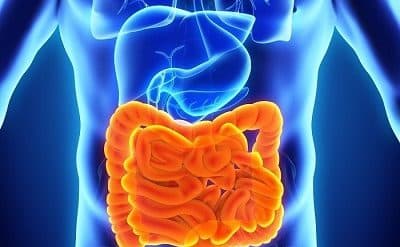
The gastrointestinal (GI) tract, also known as the digestive tract or alimentary canal, is a long tube that extends from the mouth to the anus and is responsible for the digestion and absorption of food and nutrients in the human body. It plays a crucial role in breaking down the food we consume into smaller particles and absorbing nutrients to provide energy for bodily functions.
Source: Urbanisation spurs rise of Inflammatory Bowel Disease in rural Telangana


 Last updated on Sep, 2026
→ UPSC 2027 Notification will be released on 13 January 2027 at upsconline.nic.in.
→ Asian Games 2026 are being held in Aichi-Nagoya, Japan, from 19 September to 4 October.
→ Check out the latest UPSC Syllabus here.
→ Download UPSC Model Answers for Mains 2026
→ UPSC Mains Question Paper 2026 is out now for Essay & GS Paper 1, 2, 3 & 4.
→ UPSC Calendar 2027 has been released.
→ Enroll in Vajiram & Ravi’s UPSC Mains Test Series 2027 for structured answer writing practice, expert evaluation, and exam-oriented feedback.
→ Join Vajiram & Ravi’s UPSC Mentorship Program 2027 for personalized guidance, strategy planning, and one-to-one support from experienced mentors.
→ Go through the UPSC Mains Previous Year Papers to enhance your preparation.
→ UPSC has released UPSC Toppers List 2025 with the Civil Services final result on its official website.
→ Also check Best UPSC Coaching in India