About RISC-V technology:
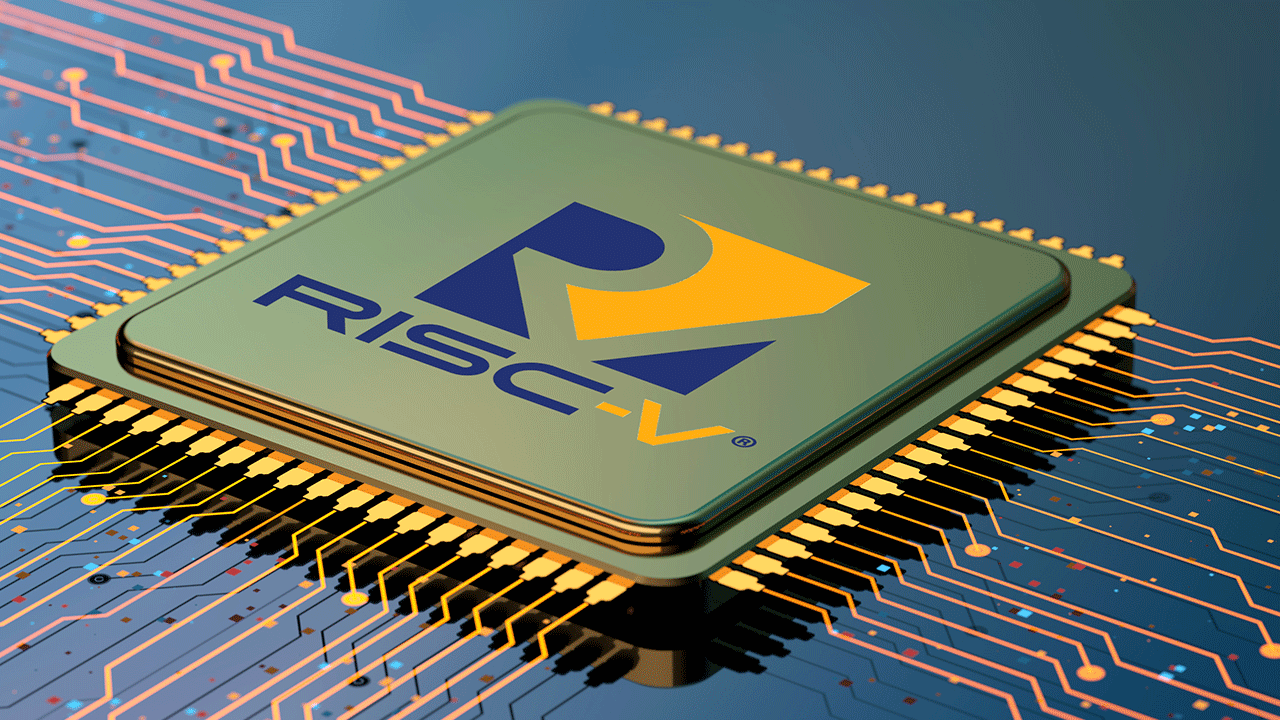
- It is an open-source technology which is pronounced as “risk five”.
- It is an open-source instruction set architecture (ISA) used for the development of custom processors targeting a variety of end applications.
- It is considered the fifth generation of processors built on the concept of the reduced instruction set computer (RISC).
- It was begun as a project at UC Berkeley to create an open-source computer system based on RISC principles.
- It was initially designed for academic use. The standard has evolved and is now managed by RISC-V International.
- How does RISC-V work?
- As an open-standard architecture, RISC-V is defined by member companies of RISC-V International, the global nonprofit organization behind the ISA.
- The intent is that through collaboration, the member companies can contribute new avenues of processor innovation while promoting new degrees of design freedom.
- It features a small core set of instructions upon which all the design’s software runs.
- The architecture allows designers to customize and build their processor in a way that’s tailored to their target end applications.
- Benefits of RISC-V include:
- Its open-standard nature, which allows collaboration and innovation across the industry.
- The entire RISC-V architecture can be scrutinized closely in the public domain, eliminating back doors and hidden channels.
- Applications: Wearables, Industrial, IoT, and Home Appliances, Smartphones, Automotive, High-Performance Computing (HPC), and Data Centers.
Q1) What is Open-source technology
Open-source technology refers to software, hardware, or other technologies that are developed and distributed with an open licensing model. This means that the source code, design, or specifications of the technology are made freely available to the public, allowing anyone to view, use, modify, and distribute the technology.
Source: Qualcomm, Google partner to make RISC-V chip for wearable devices


 Last updated on Sep, 2026
→ UPSC 2027 Notification will be released on 13 January 2027 at upsconline.nic.in.
→ Asian Games 2026 are being held in Aichi-Nagoya, Japan, from 19 September to 4 October.
→ Check out the latest UPSC Syllabus here.
→ Download UPSC Model Answers for Mains 2026
→ UPSC Mains Question Paper 2026 is out now for Essay & GS Paper 1, 2, 3 & 4.
→ UPSC Calendar 2027 has been released.
→ Enroll in Vajiram & Ravi’s UPSC Mains Test Series 2027 for structured answer writing practice, expert evaluation, and exam-oriented feedback.
→ Join Vajiram & Ravi’s UPSC Mentorship Program 2027 for personalized guidance, strategy planning, and one-to-one support from experienced mentors.
→ Go through the UPSC Mains Previous Year Papers to enhance your preparation.
→ UPSC has released UPSC Toppers List 2025 with the Civil Services final result on its official website.
→ Also check Best UPSC Coaching in India