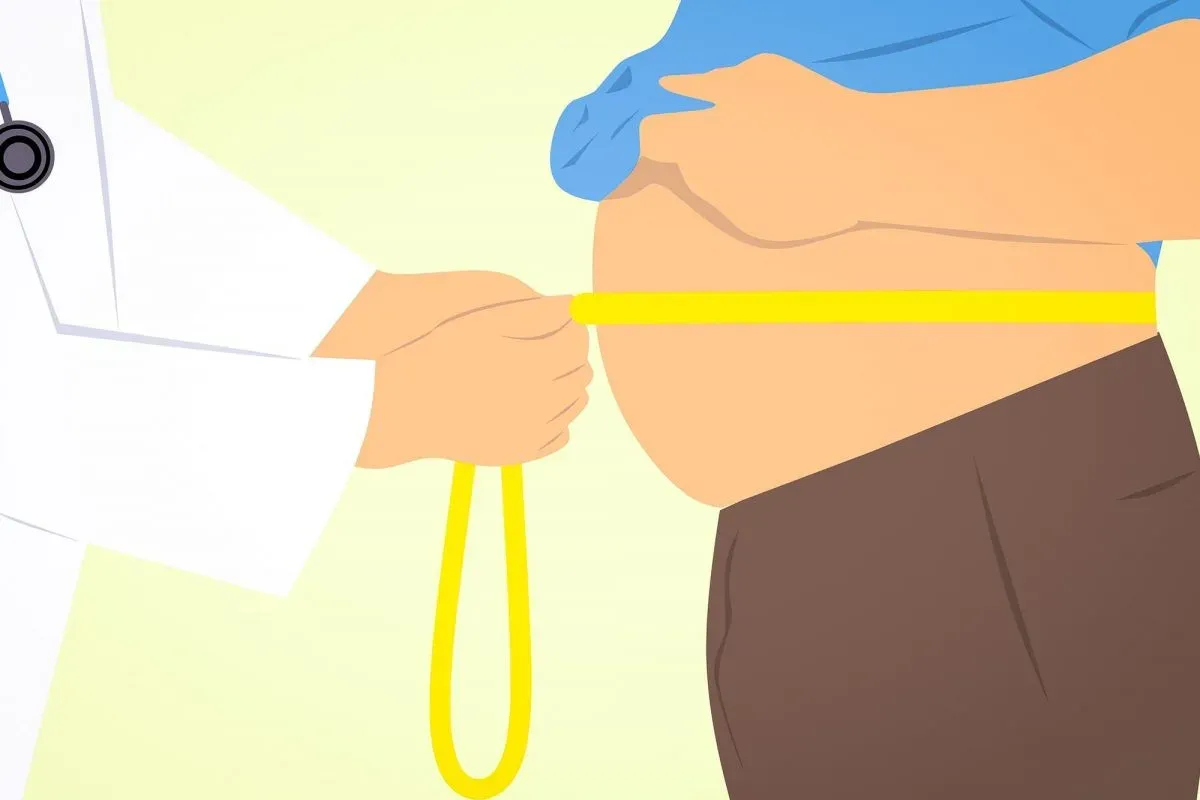
About Obesity
- Obesity is defined by excess body fat (adipose tissue) that may impair health.
- It is a long-term (chronic) health condition that progresses over time.
- Causes:
- Obesity is the result of an imbalance between daily energy intake and energy expenditure, resulting in excessive weight gain.
- It is a multifactorial disease caused by a myriad of genetic, cultural, and societal factors.
- Various genetic studies have shown that obesity is extremely heritable, with numerous genes identified with adiposity and weight gain.
- Other causes of obesity include reduced physical activity, insomnia, endocrine disorders, medications, the accessibility and consumption of excess carbohydrates and high-sugar foods, and decreased energy metabolism.
- Healthcare providers commonly use the Body Mass Index (BMI) to define obesity in the general population.
- A BMI over 25 is considered overweight, and over 30 is obese.
- Obesity is associated with cardiovascular disease, dyslipidemia, and insulin resistance, causing diabetes, stroke, gallstones, fatty liver, hypoventilation syndrome, sleep apnea, and cancers.
- It is the second-most common cause of preventable death after smoking.
- Obesity needs multiprong treatment strategies and may require lifelong treatment.
What is Body Mass Index (BMI)?
- It is a person’s weight in kilograms divided by the square of their height in meters. For example, a BMI of 25 means 25 kg/m2.
- For most adults, an ideal BMI is in the 18.5 to 24.9 range.
- A high BMI can indicate high body fatness.
- BMI screens for weight categories that may lead to health problems, but it does not diagnose the body fatness or health of an individual.
Q1) What is adipose tissue?
Adipose tissue, otherwise known as body fat, is a connective tissue that extends throughout your body. It’s found under your skin (subcutaneous fat), between your internal organs (visceral fat) and even in the inner cavities of bones (bone marrow adipose tissue).Adipose tissue contains nerve cells and blood vessels and communicates through hormone signals with other organs throughout your body. It has several important functions in regulating whole-body health.
Source: Global malnourishment: 1 in 8 people are obese


 Last updated on Sep, 2026
→ UPSC 2027 Notification will be released on 13 January 2027 at upsconline.nic.in.
→ Asian Games 2026 are being held in Aichi-Nagoya, Japan, from 19 September to 4 October.
→ Check out the latest UPSC Syllabus here.
→ Download UPSC Model Answers for Mains 2026
→ UPSC Mains Question Paper 2026 is out now for Essay & GS Paper 1, 2, 3 & 4.
→ UPSC Calendar 2027 has been released.
→ Enroll in Vajiram & Ravi’s UPSC Mains Test Series 2027 for structured answer writing practice, expert evaluation, and exam-oriented feedback.
→ Join Vajiram & Ravi’s UPSC Mentorship Program 2027 for personalized guidance, strategy planning, and one-to-one support from experienced mentors.
→ Go through the UPSC Mains Previous Year Papers to enhance your preparation.
→ UPSC has released UPSC Toppers List 2025 with the Civil Services final result on its official website.
→ Also check Best UPSC Coaching in India