About Imported Inflation
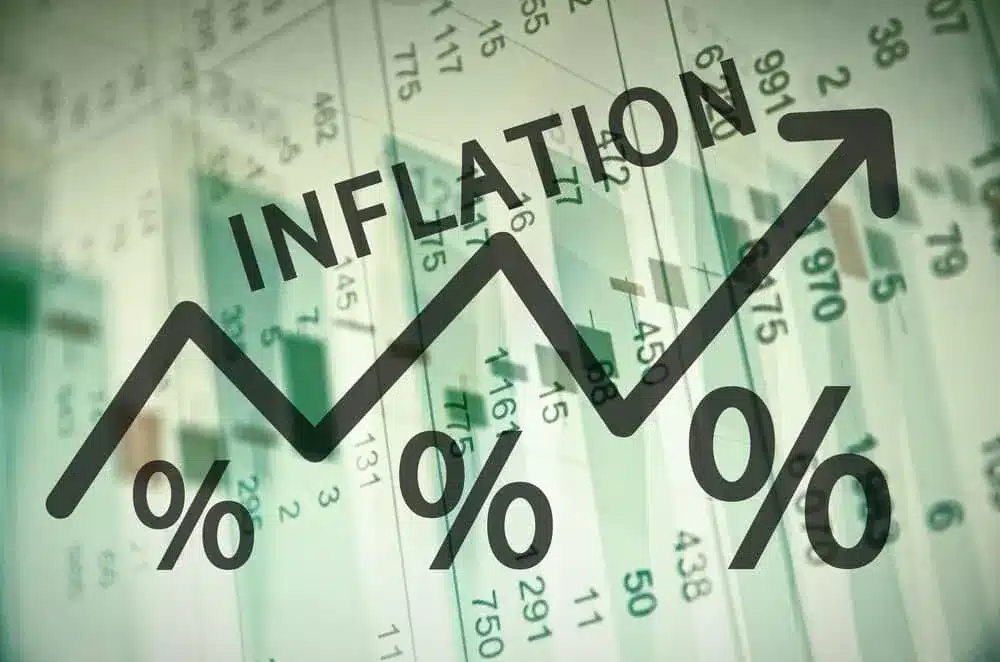
- Imported inflation is a general and sustainable price increase due to an increase in the costs of imported products.
- This price increase concerns the price of raw materials and all imported products or services used by companies in a country.
- Imported inflation is also referred to as cost inflation.
- Several factors cause imported inflation:
- Exchange Rates: The most significant driver of imported inflation is fluctuations in exchange rates. The more the currency depreciates on the foreign exchange market, the higher the price of imports. Effectively, more money is needed to buy goods and services outside the country.
- Commodity Prices: Many countries, particularly smaller countries, are highly dependent on imported commodities like oil, metals, and agricultural products. When commodity prices rise globally, it directly impacts the cost of imports and can lead to higher inflation in the importing country.
- Trade Policies and Global Supply-Chains: Changes in trade policies, such as tariffs and quotas, can influence the cost of imported goods.
- Transportation Costs: Fluctuations in transportation costs, influenced by factors like fuel prices and logistical challenges, can affect the final cost of imported goods.
- Effect:
- With imported inflation, production costs are higher for companies. These companies most often reflect this increase in the selling price of the goods and services sold.
- As a result, prices within the country rise.
Q1: What is the Asian Development Bank (ADB)?
It is a regional development bank established on 19th December 1966.
It envisions a prosperous, inclusive, resilient, and sustainable Asia and the Pacific while sustaining its efforts to eradicate extreme poverty in the region. It has headquarters in Manila, Philippines. Japan holds the largest proportion of shares in ADB followed by the USA, because Japan is one of the largest shareholders of the bank, and the president has always been Japanese.
Source: ‘Higher for longer’: India to face most impact in Asia, says ADB


 Last updated on Sep, 2026
→ UPSC 2027 Notification will be released on 13 January 2027 at upsconline.nic.in.
→ Asian Games 2026 are being held in Aichi-Nagoya, Japan, from 19 September to 4 October.
→ Check out the latest UPSC Syllabus here.
→ Download UPSC Model Answers for Mains 2026
→ UPSC Mains Question Paper 2026 is out now for Essay & GS Paper 1, 2, 3 & 4.
→ UPSC Calendar 2027 has been released.
→ Enroll in Vajiram & Ravi’s UPSC Mains Test Series 2027 for structured answer writing practice, expert evaluation, and exam-oriented feedback.
→ Join Vajiram & Ravi’s UPSC Mentorship Program 2027 for personalized guidance, strategy planning, and one-to-one support from experienced mentors.
→ Go through the UPSC Mains Previous Year Papers to enhance your preparation.
→ UPSC has released UPSC Toppers List 2025 with the Civil Services final result on its official website.
→ Also check Best UPSC Coaching in India