About Global Alliance for Incinerator Alternatives (GAIA)
- GAIA is a worldwide alliance of more than 1,000 grassroots groups, non-governmental organizations, and individuals in over 90 countries.
- GAIA aims to power a transition away from our current linear and extractive economy and towards a circular system that supports people’s right to a safe and healthy environment.
- GAIA envisions a just, zero-waste world built on respect for ecological limits and community rights, where people are free from the burden of toxic pollution and resources are sustainably conserved, not burned or dumped.
- This entails fighting pollution and building regenerative solutions in cities through local campaigns, shifts in policy and finance, research and communication initiatives, and movement building.
- They work on four primary points of intervention: incineration, zero waste, plastic, and climate.
What is Incineration?
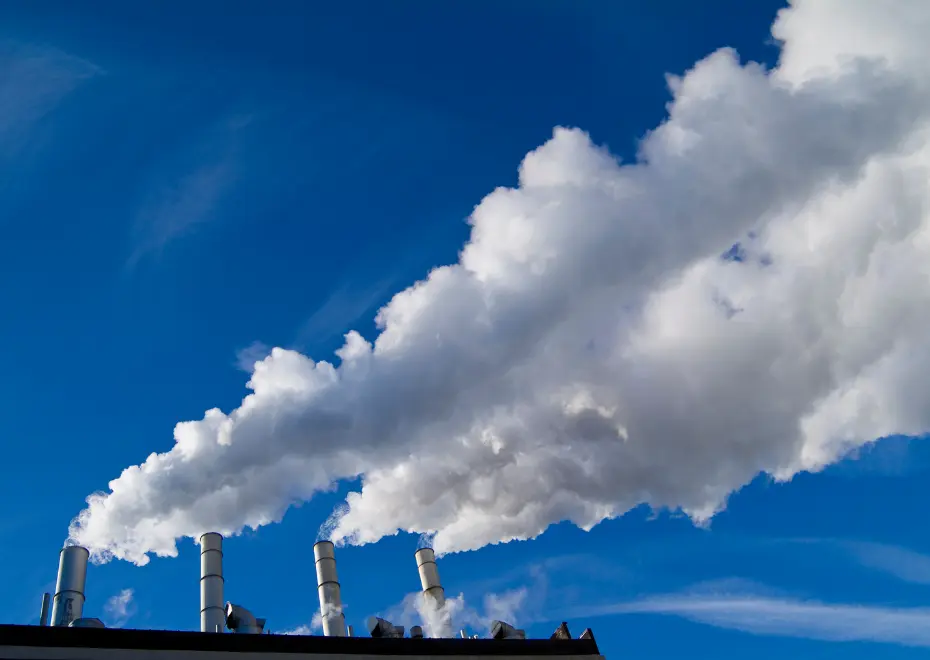
- Incineration is the process of burning hazardous material sat temperatures high enough to destroy contaminants.
- Incineration is conducted in an “incinerator,” which is a type of furnace designed for burning hazardous materials in a combustion chamber.
- Many different types of hazardous materials can be treated by incineration, including soil, sludge, liquids, and gases.
- Although it destroys many kinds of harmful chemicals, such as solvents, PCBs (polychlorinated biphenyls), and pesticides, incineration does not destroy metals, such as lead and chromium.
- Modern incinerators include air pollution control equipment (e.g., fabric filters, scrubbers, and electrostatic precipitators) to remove fly ash and gaseous contaminants.
Q1: What is the Association of Southeast Asian Nations (ASEAN)?
It is a regional intergovernmental organisation of ten Southeast Asian countries. It was established on 8 August 1967 in Bangkok, Thailand, with the signing of the ASEAN Declaration (Bangkok Declaration). It promotes intergovernmental cooperation and facilitates economic, political, security, military, educational, and sociocultural integration between its members and other countries in Asia. Member States: Indonesia, Malaysia, Philippines, Singapore, Thailand, Brunei, Laos, Myanmar, Cambodia and Vietnam.


 Last updated on Sep, 2026
→ UPSC 2027 Notification will be released on 13 January 2027 at upsconline.nic.in.
→ Asian Games 2026 are being held in Aichi-Nagoya, Japan, from 19 September to 4 October.
→ Check out the latest UPSC Syllabus here.
→ Download UPSC Model Answers for Mains 2026
→ UPSC Mains Question Paper 2026 is out now for Essay & GS Paper 1, 2, 3 & 4.
→ UPSC Calendar 2027 has been released.
→ Enroll in Vajiram & Ravi’s UPSC Mains Test Series 2027 for structured answer writing practice, expert evaluation, and exam-oriented feedback.
→ Join Vajiram & Ravi’s UPSC Mentorship Program 2027 for personalized guidance, strategy planning, and one-to-one support from experienced mentors.
→ Go through the UPSC Mains Previous Year Papers to enhance your preparation.
→ UPSC has released UPSC Toppers List 2025 with the Civil Services final result on its official website.
→ Also check Best UPSC Coaching in India