Tariffs Latest News
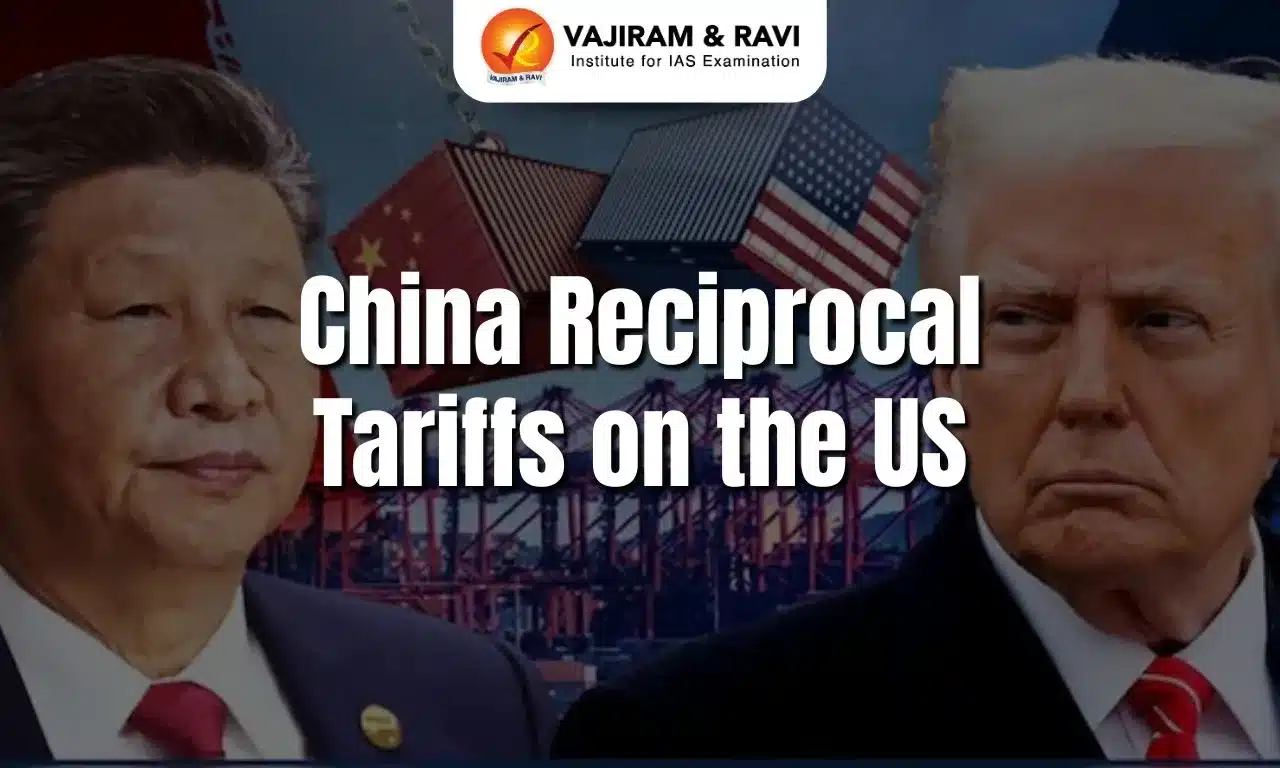
China imposes 34% reciprocal tariffs on imports of US goods in retaliation for Trump’s trade war
About Tariffs
A tariff is a tax imposed by a government on imported goods or services to raise revenue, protect domestic industries, or influence trade balances.


Types of Tariffs
- Specific Tariff: A fixed amount charged on a particular quantity of an import (e.g., $5 per ton of steel).
- Ad Valorem Tariff: A percentage of the value of the import (e.g., 10% of the value of a car).
Purpose of Tariffs
- Revenue Generation: Governments can generate revenue by imposing tariffs on imported goods.
- Protectionism: Tariffs protect domestic industries by making foreign products more expensive, thus encouraging consumers to buy domestic goods.
- Retaliation: Tariffs are often used as retaliatory measures in trade disputes between countries.
- Strategic Influence: Used to influence trade negotiations, compel trading partners to comply with certain conditions.
Other Tariffs
- Non-Tariff Barriers (NTBs): Beyond tariffs, countries may impose other barriers to trade such as quotas, licensing requirements, and anti-dumping measures.
- Sanctions: Tariffs can be part of broader sanctions regimes aimed at pressuring countries for political or security reasons (e.g., sanctions on Iran or North Korea).
Role of WTO (World Trade Organization)
- Regulation of Tariffs: The WTO regulates the imposition of tariffs under the General Agreement on Tariffs and Trade (GATT). WTO members are committed to maintaining a tariff ceiling or bound rates.
- Dispute Resolution: The WTO provides a mechanism for resolving trade disputes, which includes reviewing whether tariffs are applied in compliance with international agreements.
Reciprocal Tarrifs FAQs
Q1. What is a reciprocal tariff?
Ans. A reciprocal tariff is a trade policy where countries impose tariffs on each other’s goods to counteract trade barriers, aiming for fair trade.
Q2. What are the four types of tariffs?
Ans. The four main types of tariffs are: Specific Tariffs, Ad Valorem Tariffs, Compound Tariffs, Most Favored Nation (MFN) Tariffs.
Q3. What is MFN in tariffs?
Ans. Most Favored Nation (MFN) status ensures that a country applies the same tariff rates to all WTO member nations, promoting non-discriminatory trade practices.
Source: CNN

 Last updated on Sep, 2026
→ UPSC 2027 Notification will be released on 13 January 2027 at upsconline.nic.in.
→ Check out the latest UPSC Syllabus here.
→ Download UPSC Model Answers for Mains 2026
→ UPSC Mains Question Paper 2026 is out now for Essay & GS Paper 1, 2, 3 & 4.
→ UPSC Calendar 2027 has been released.
→ Enroll in Vajiram & Ravi’s UPSC Mains Test Series 2027 for structured answer writing practice, expert evaluation, and exam-oriented feedback.
→ Join Vajiram & Ravi’s UPSC Mentorship Program 2027 for personalized guidance, strategy planning, and one-to-one support from experienced mentors.
→ Go through the UPSC Mains Previous Year Papers to enhance your preparation.
→ UPSC has released UPSC Toppers List 2025 with the Civil Services final result on its official website.
→ Also check Best UPSC Coaching in India