Why in news?
- The researchers developed an integrated reactor with two separate compartments: One for plastic and one for greenhouse gases.
- The reactor uses a light absorber based on perovskite – a promising alternative to silicon for next-generation solar cells.
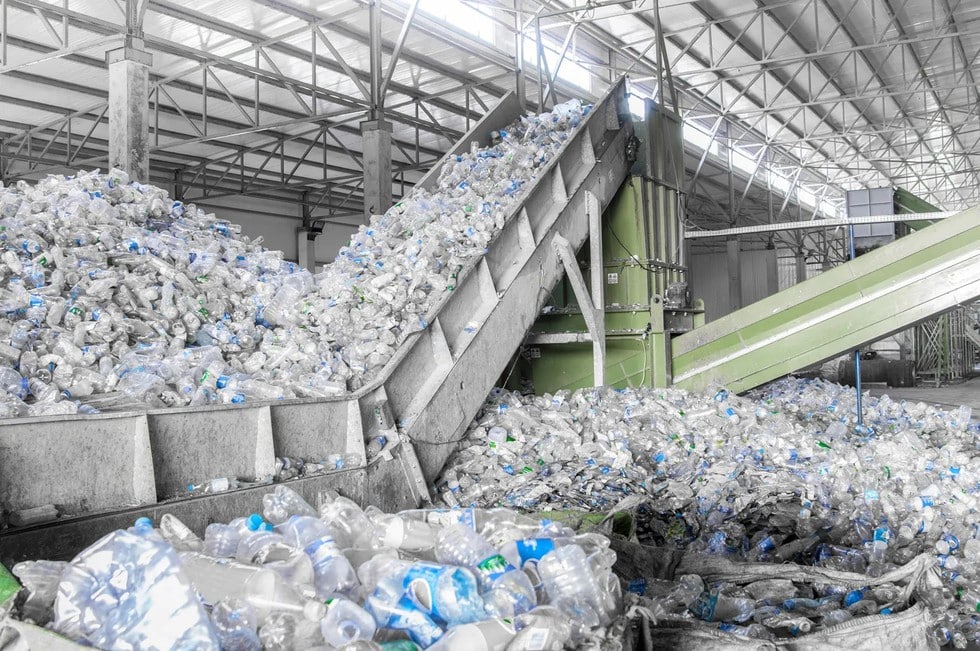
- Tests of the reactor under normal temperature and pressure conditions showed the reactor could efficiently convert polyethylene terephthalate (PET) plastic bottles and CO2 into different carbon-based fuels such as CO, syngas or formate, in addition to glycolic acid.
- The reactor produced these products at a rate that is also much higher than conventional photocatalytic CO2 reduction processes.
What is Polyethylene terephthalate?
- It is a condensation polymer of ethylene glycol and terephthalic acid.
- The by-product of the reaction is water so it is an example of condensation or step-growth polymerization.
- PET Plastic is a thermoplastic synthetic substance which malleable under heat and can be placed into nearly any shape.
Source: A new reactor powered by the sun can convert plastic, and CO2 into fuel


 Last updated on Sep, 2026
→ UPSC 2027 Notification will be released on 13 January 2027 at upsconline.nic.in.
→ Asian Games 2026 are being held in Aichi-Nagoya, Japan, from 19 September to 4 October.
→ Check out the latest UPSC Syllabus here.
→ Download UPSC Model Answers for Mains 2026
→ UPSC Mains Question Paper 2026 is out now for Essay & GS Paper 1, 2, 3 & 4.
→ UPSC Calendar 2027 has been released.
→ Enroll in Vajiram & Ravi’s UPSC Mains Test Series 2027 for structured answer writing practice, expert evaluation, and exam-oriented feedback.
→ Join Vajiram & Ravi’s UPSC Mentorship Program 2027 for personalized guidance, strategy planning, and one-to-one support from experienced mentors.
→ Go through the UPSC Mains Previous Year Papers to enhance your preparation.
→ UPSC has released UPSC Toppers List 2025 with the Civil Services final result on its official website.
→ Also check Best UPSC Coaching in India