About Viscose Fibre
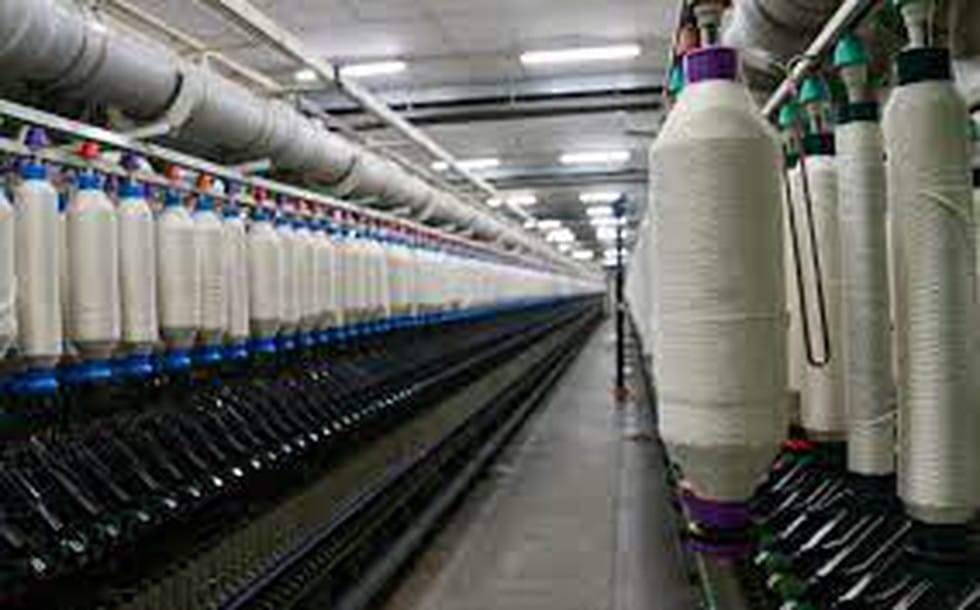
- Viscose is a type of rayon. Originally known as artificial silk, in the late 19th century, the term “rayon” came into effect in 1924.
- The name “viscose” is derived from the way this fibre is manufactured; a viscous organic liquid used to make both rayon and cellophane.
- Viscose is made from tree wood pulp, like beech, pine, and eucalyptus, but can also be made from bamboo.
- As a manufactured regenerated cellulose fibre, it is neither truly natural (like cotton, wool or silk) nor truly synthetic (like nylon or polyester) – it falls somewhere in between.
- Chemically, viscose resembles cotton, but it can also take on many different qualities depending on how it is manufactured.
- It is versatile, Highly absorbent and Inexpensive fibre.
Q1) What is Cellulose?
Cellulose is the most abundant biopolymer on Earth, found in trees, waste from agricultural crops and other biomass.
Source: Levy anti-dumping duty on viscose fibre.


 Last updated on Sep, 2026
→ UPSC 2027 Notification will be released on 13 January 2027 at upsconline.nic.in.
→ Asian Games 2026 are being held in Aichi-Nagoya, Japan, from 19 September to 4 October.
→ Check out the latest UPSC Syllabus here.
→ Download UPSC Model Answers for Mains 2026
→ UPSC Mains Question Paper 2026 is out now for Essay & GS Paper 1, 2, 3 & 4.
→ UPSC Calendar 2027 has been released.
→ Enroll in Vajiram & Ravi’s UPSC Mains Test Series 2027 for structured answer writing practice, expert evaluation, and exam-oriented feedback.
→ Join Vajiram & Ravi’s UPSC Mentorship Program 2027 for personalized guidance, strategy planning, and one-to-one support from experienced mentors.
→ Go through the UPSC Mains Previous Year Papers to enhance your preparation.
→ UPSC has released UPSC Toppers List 2025 with the Civil Services final result on its official website.
→ Also check Best UPSC Coaching in India