About Article 4 of the NATO:
- If the missile’s origins are Russian, this is the first time since the start of the conflict in Ukraine in late February that Russian weaponry has impacted a NATO country.
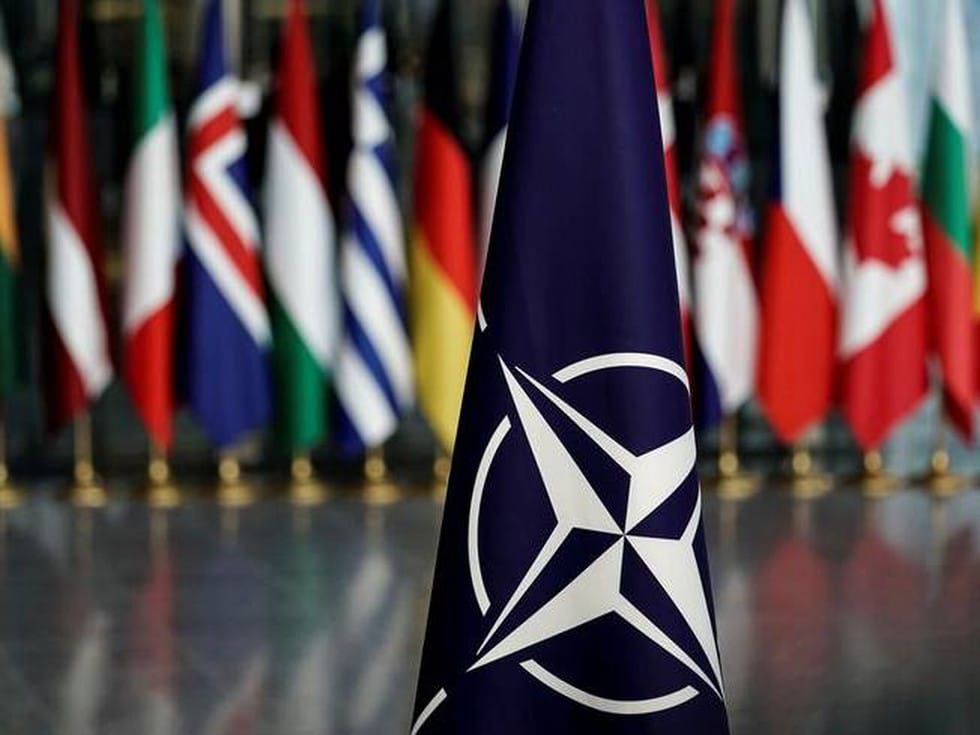
What is The North Atlantic Treaty Organisation (NATO)?
- It came into being after World War II as a counter to the Soviet Union’s possible expansion attempts in Europe. Then-US President Harry S Truman signed the 12-member treaty on April 4, 1949.
- After the collapse of USSR in 1991, several eastern European nations previously members of the Soviet Union joined NATO. As of now, NATO comprise 30 members.
Differences between Articles 4 and 5 of the NATO
- Under Article 4, any member state can convene a meeting of NATO members to “consult” when it feels its independence or security are threatened. It sends a strong political symbol to the greater world that NATO is concerned about a particular situation.
- Article 5 is known as the “one-for-all and all-for-one” article. It states that an “armed attack” against one member is an attack against all and sets in motion the possibility of collective self-defense.
- In theory, Articles 4 and 5 can only be invoked at the request of a NATO member. However, Article 5 has only been invoked once — immediately following the September 11, 2001, terrorist attacks against the United States.
- Article 5 was not invoked when Russia invaded Ukraine, because Ukraine is not a NATO member. But Poland is a NATO member, so if an investigation found any evidence it was a deliberate attack, it could have invoked Article 5.
Source : Indian Express


 Last updated on Sep, 2026
→ UPSC 2027 Notification will be released on 13 January 2027 at upsconline.nic.in.
→ Asian Games 2026 are being held in Aichi-Nagoya, Japan, from 19 September to 4 October.
→ Check out the latest UPSC Syllabus here.
→ Download UPSC Model Answers for Mains 2026
→ UPSC Mains Question Paper 2026 is out now for Essay & GS Paper 1, 2, 3 & 4.
→ UPSC Calendar 2027 has been released.
→ Enroll in Vajiram & Ravi’s UPSC Mains Test Series 2027 for structured answer writing practice, expert evaluation, and exam-oriented feedback.
→ Join Vajiram & Ravi’s UPSC Mentorship Program 2027 for personalized guidance, strategy planning, and one-to-one support from experienced mentors.
→ Go through the UPSC Mains Previous Year Papers to enhance your preparation.
→ UPSC has released UPSC Toppers List 2025 with the Civil Services final result on its official website.
→ Also check Best UPSC Coaching in India