Porcelain Latest News
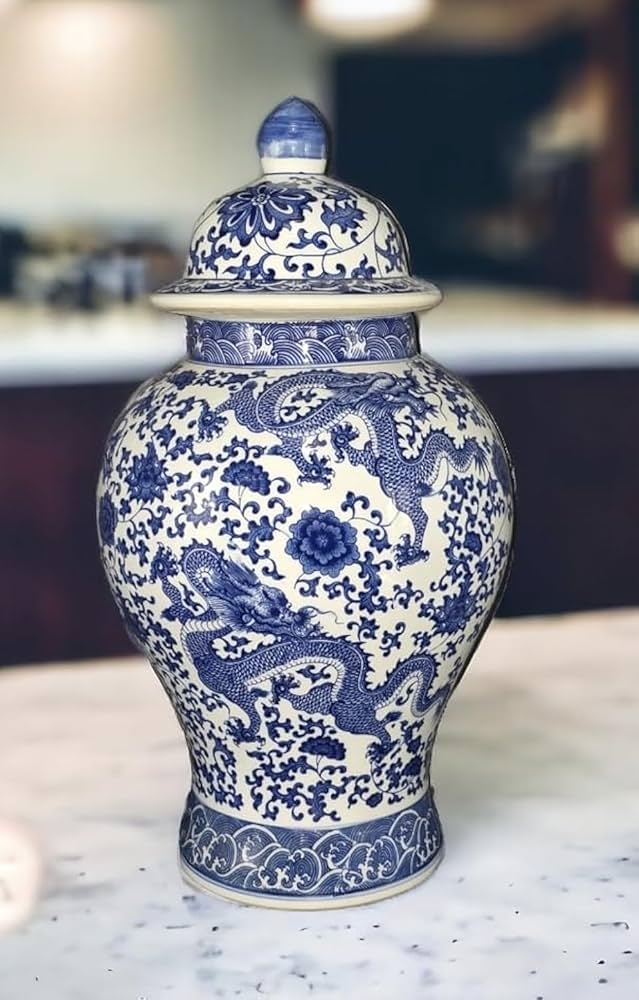
In the waters off Singapore, a recently uncovered shipwreck with a huge cargo of blue-and-white porcelain is shedding light on the storied Chinese craft produced during the turbulent era of the Mongol Empire.
About Porcelain
- It is a type of ceramic material that is highly durable and has high-performance characteristics due to its production process.
- It is made from a combination of natural materials including kaolin (china clay), feldspar, and quartz.
- Porcelain was first made in China—in a primitive form during the Tang dynasty (618–907 CE) and in the form best known in the West during the Yuan dynasty (1279–1368 CE).
- The word porcelain is derived from porcellana, used by Marco Polo to describe the pottery he saw in China.
- It is often called “china.”
- There are three major types of porcelain historically used in dinnerware and decorative pieces: hard paste, soft paste, and bone china.
- Hard-paste porcelain dates back to antiquity in China and gets its durability from firing at a very high temperature.
- The exact composition of porcelain varies depending on its use and the manufacturer, though one common ingredient is kaolin, a soft white clay that is combined with other ingredients like mica, quartz, and feldspar.
- Soft-paste porcelain was made by Europeans attempting to achieve the durability and translucence of Chinese porcelain.
- It often incorporated materials like ground glass or soapstone and was fired at a lower temperature.
- Finally, bone china incorporates up to 50% bone ash in its recipe and was developed during the mid-18th century in England.
- Properties of Porcelain:
- High material density.
- Smooth, glossy surface, which is particularly translucent and gives porcelain products a refined, elegant character.
- High resistance to scratches and breakage, making it ideal for everyday use as well as special occasions.
Source: CNN


 Last updated on Oct, 2026
→ UPSC 2027 Notification will be released on 13 January 2027 at upsconline.nic.in.
→ Check Nobel Prize 2026 Winners List here.
→ Download PIB PRiSM Monthly Magazine 2026 here.
→ Check UPSC Monthly Current Affairs Magazine The Recitals here.
→ Check out the latest UPSC Syllabus here.
→ Download UPSC Model Answers for Mains 2026
→ UPSC Mains Question Paper 2026 is out now for Essay & GS Paper 1, 2, 3 & 4.
→ UPSC Calendar 2027 has been released.
→ Enroll in Vajiram & Ravi’s UPSC Mains Test Series 2027 for structured answer writing practice, expert evaluation, and exam-oriented feedback.
→ Join Vajiram & Ravi’s UPSC Mentorship Program 2027 for personalized guidance, strategy planning, and one-to-one support from experienced mentors.
→ Go through the UPSC Mains Previous Year Papers to enhance your preparation.
→ UPSC has released UPSC Toppers List 2025 with the Civil Services final result on its official website.
→ Also check Best UPSC Coaching in India
Porcelain FAQs
Q1. What is porcelain?+
Q2. Which natural materials are primarily used to make porcelain?+
Q3. Where was porcelain first produced?+
Q4. What are the key physical properties of porcelain?+
Tags: porcelain prelims pointers upsc current affairs upsc prelims current affairs