


What is an antiquity?
- The Antiquities and Art Treasures Act, 1972, implemented on April 1, 1976, defined “antiquity” as “any coin, sculpture, painting, epigraph or other work of art or craftsmanship; any article, object or thing detached from a building or cave; any article, object or thing illustrative of science, art, crafts, literature, religion, customs, morals or politics in bygone ages; any article, object or thing of historical interest” that “has been in existence for not less than one hundred years.”
- For “manuscript, record or other document which is of scientific, historical, literary or aesthetic value”, this duration is “not less than seventy-five years.”
What do Indian laws say?
- In India, Item-67 of the Union List, Item-12 of the State List, and Item-40 of the Concurrent List of the Constitution deal with the country’s heritage.
- Before Independence, an Antiquities (Export Control) Act had been passed in April 1947 to ensure that “no antiquity could be exported without license.” In 1958, The Ancient Monuments and Archaeological Sites and Remains Act was enacted.
- Then in 1971, Parliament saw an uproar over the theft of a bronze idol from Chamba and some important sandstone idols from other places.
- This, along with the UNESCO convention, prompted the government to enact The Antiquities and Art Treasures Act, 1972 (AATA), implemented from April 1, 1976.
- The AATA states-
- It shall not be lawful for any person, other than the Central Government or any authority or agency authorised by the Central Government in this behalf, to export any antiquity or art treasure.
- No person shall, himself or by any other person on his behalf, carry on the business of selling or offering to sell any antiquity except under and in accordance with the terms and conditions of a licence.”
- This licence is granted by the Archaeological Survey of India (ASI). After the AATA was implemented, the Centre asked traders in antiquities and art objects to declare their possessions of antiquities by June 5, 1976, and individual owners by July 5, 1976.
Q1) What are the roles of UNESCO?
The Organization actively fights against prejudice and discrimination and for the defense of human rights and the protection of cultural heritage. It was one of the first institutions to address the question of racism and has been a pioneering force in this domain.
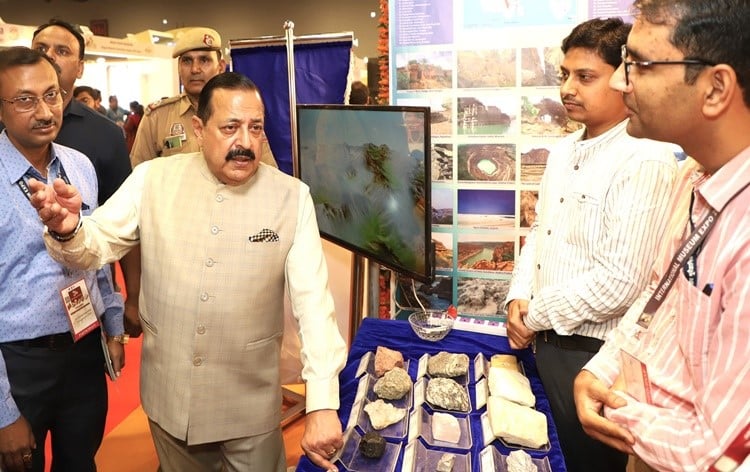
Source: 231 stolen antiques repatriated to India in last 9 years: MoS Jitendra Singh


 Last updated on Oct, 2026
→ UPSC 2027 Notification will be released on 13 January 2027 at upsconline.nic.in.
→ Check Nobel Prize 2026 Winners List here.
→ Download PIB PRiSM Monthly Magazine 2026 here.
→ Check UPSC Monthly Current Affairs Magazine The Recitals here.
→ Check out the latest UPSC Syllabus here.
→ Download UPSC Model Answers for Mains 2026
→ UPSC Mains Question Paper 2026 is out now for Essay & GS Paper 1, 2, 3 & 4.
→ UPSC Calendar 2027 has been released.
→ Enroll in Vajiram & Ravi’s UPSC Mains Test Series 2027 for structured answer writing practice, expert evaluation, and exam-oriented feedback.
→ Join Vajiram & Ravi’s UPSC Mentorship Program 2027 for personalized guidance, strategy planning, and one-to-one support from experienced mentors.
→ Go through the UPSC Mains Previous Year Papers to enhance your preparation.
→ UPSC has released UPSC Toppers List 2025 with the Civil Services final result on its official website.
→ Also check Best UPSC Coaching in India








