Classical Language Status Criteria:
- The recognition of a classical language is based on criteria established by a Linguistic Experts Committee.
- According to the committee, the following revised benchmarks must be met for a language to be considered “classical”:
- High antiquity of (its) is early texts/recorded history over a period of 1500- 2000 years.
- A body of ancient literature/texts, which is considered a heritage by generations of speakers.
- Knowledge texts, especially prose texts in addition to poetry, epigraphical and inscriptional evidence.
- The Classical Languages and literature could be distinct from its current form or could be discontinuous with later forms of its offshoots.
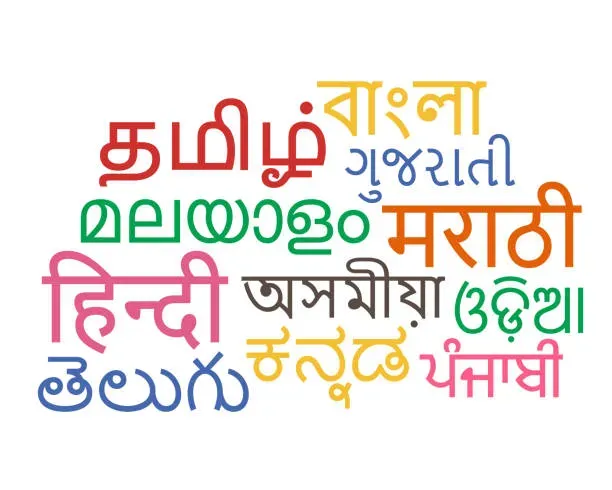
- Other Recognised Classical Languages are: Tamil ( 2004), Sanskrit (2005), Telugu( 2008), Kannada (2008), Malayalam( 2013) and Odia (2014).
Benefits of Classical Language Status
- Once a language is designated as classical, the Ministry of Education provides various benefits to promote it, including:
- Two major international awards annually for scholars of eminence in the language.
- Establishment of a Centre of Excellence for Studies in the Classical Language.
- Requesting the University Grants Commission (UGC) to create Professional Chairs in Central Universities dedicated to the classical language.
Q1: What is the University Grants Commission of India?
It is a statutory body under the provisions of UGC Act, 1956. It is responsible for coordination, determination and maintenance of standards of higher education. It provides recognition to universities in India, and disburses funds to such recognized universities and colleges.


 Last updated on Oct, 2026
→ UPSC 2027 Notification will be released on 13 January 2027 at upsconline.nic.in.
→ Asian Games 2026 are being held in Aichi-Nagoya, Japan, from 19 September to 4 October.
→ Check Nobel Prize 2026 Winners List here.
→ Download PIB PRiSM Monthly Magazine 2026 here.
→ Check UPSC Monthly Current Affairs Magazine The Recitals here.
→ Check out the latest UPSC Syllabus here.
→ Download UPSC Model Answers for Mains 2026
→ UPSC Mains Question Paper 2026 is out now for Essay & GS Paper 1, 2, 3 & 4.
→ UPSC Calendar 2027 has been released.
→ Enroll in Vajiram & Ravi’s UPSC Mains Test Series 2027 for structured answer writing practice, expert evaluation, and exam-oriented feedback.
→ Join Vajiram & Ravi’s UPSC Mentorship Program 2027 for personalized guidance, strategy planning, and one-to-one support from experienced mentors.
→ Go through the UPSC Mains Previous Year Papers to enhance your preparation.
→ UPSC has released UPSC Toppers List 2025 with the Civil Services final result on its official website.
→ Also check Best UPSC Coaching in India