CNAP Caller Name Identification Latest News
- Starting November 1, 2026, telecom operators — Airtel, Jio, Vodafone Idea — must make caller name identification mandatory for mobile users, as per a circular issued by the Department of Telecommunications (DoT).
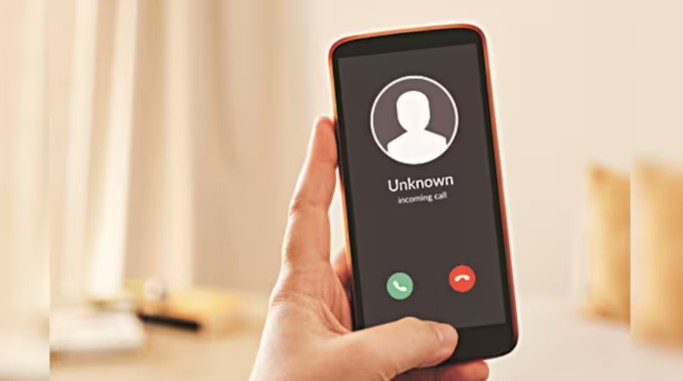
- Technically called Calling Name Presentation (CNAP), this service will display the caller’s registered name alongside their number on the recipient’s phone screen, even for unsaved contacts.
- The move is aimed at helping users make informed decisions before answering calls, and comes amid rising instances of online fraud, including “digital arrest” scams.
What Exactly Is CNAP?
- As per the DoT circular: “Calling name presentation service presents the calling name identity of the calling user on the user terminal of the called user… as recorded in subscriber data record of the originating telecommunication service provider.”
Key Features
- The originating telecom operator (the network from which the call is made) provides this service automatically, with no separate request needed from users.
- The caller identification display will have two fields:
- First field: The caller’s phone number (existing practice).
- Second field: The caller’s registered name.
Scope and Rollout
- Applicable only to 4G networks at present.
- 2G, 3G networks, and landline connections will be covered under separate rollout plans later.
- For saved contacts, the already-saved name will display as usual.
- For unsaved numbers:
- Domestic calls → shows the name registered in the telecom database.
- International calls → displays simply as “international call.”


Privacy Safeguards
- The DoT has mandated a security-by-design approach to protect user privacy:
- Telcos cannot retain the calling name identity after a call ends.
- Users who have enabled Calling Line Identification Restriction (CLIR) are exempt — their names will not appear under CNAP.
- Telcos must ensure secure database, network, and connectivity infrastructure.
Provisions for Businesses
- Business and bulk-connection users can display a custom preferred name, different from their registered subscriber name.
- This preferred name must be either:
- A trademark registered under the Trade Marks Registry (under the Controller General of Patents, Designs and Trade Marks, DPIIT), or
- A trade name registered on the GST portal.
- Telcos are required to conduct due diligence, maintaining documentary proof of the registered name before assigning it for display.
Why This Matters
- Fraud Prevention: CNAP is a direct response to the surge in phone-based scams, particularly impersonation frauds like “digital arrest” cons, where fraudsters pose as law-enforcement or government officials.
- Consumer Protection: Enables users to identify and verify callers before engaging, reducing vulnerability to unsolicited or fraudulent calls.
- Business Transparency: Allows legitimate businesses to present a recognisable, registered identity, helping distinguish genuine commercial calls from spam or scam numbers.
- Balancing Privacy and Transparency: The CLIR exemption and no-retention policy reflect regulatory care to protect caller privacy even while improving recipient safety.
Conclusion
- The CNAP mandate marks a significant regulatory intervention at the intersection of consumer protection, digital safety, and telecom governance.
- By making caller identification a default feature rather than an optional app-based service, the DoT shifts the burden of fraud prevention from individual vigilance to systemic design — while carefully preserving privacy through the CLIR exemption and no-retention norms.
- As India grapples with increasingly sophisticated phone-based scams, this reform exemplifies how regulatory architecture can be calibrated to serve both security and individual rights simultaneously.

 Last updated on Oct, 2026
→ UPSC 2027 Notification will be released on 13 January 2027 at upsconline.nic.in.
→ Check Nobel Prize 2026 Winners List here.
→ Download PIB PRiSM Monthly Magazine 2026 here.
→ Check UPSC Monthly Current Affairs Magazine The Recitals here.
→ Check out the latest UPSC Syllabus here.
→ Download UPSC Model Answers for Mains 2026
→ UPSC Mains Question Paper 2026 is out now for Essay & GS Paper 1, 2, 3 & 4.
→ UPSC Calendar 2027 has been released.
→ Enroll in Vajiram & Ravi’s UPSC Mains Test Series 2027 for structured answer writing practice, expert evaluation, and exam-oriented feedback.
→ Join Vajiram & Ravi’s UPSC Mentorship Program 2027 for personalized guidance, strategy planning, and one-to-one support from experienced mentors.
→ Go through the UPSC Mains Previous Year Papers to enhance your preparation.
→ UPSC has released UPSC Toppers List 2025 with the Civil Services final result on its official website.
→ Also check Best UPSC Coaching in India
CNAP Caller Name Identification FAQs
Q1. What is CNAP caller name identification? +
Q2. When will mandatory CNAP caller name identification begin in India? +
Q3. How will CNAP caller name identification help prevent fraud? +
Q4. What privacy safeguards apply to CNAP caller name identification? +
Q5. Can businesses use a preferred name under CNAP caller name identification? +
Tags: CNAP caller name identification mains articles upsc current affairs upsc mains current affairs