About Dysbiosis:
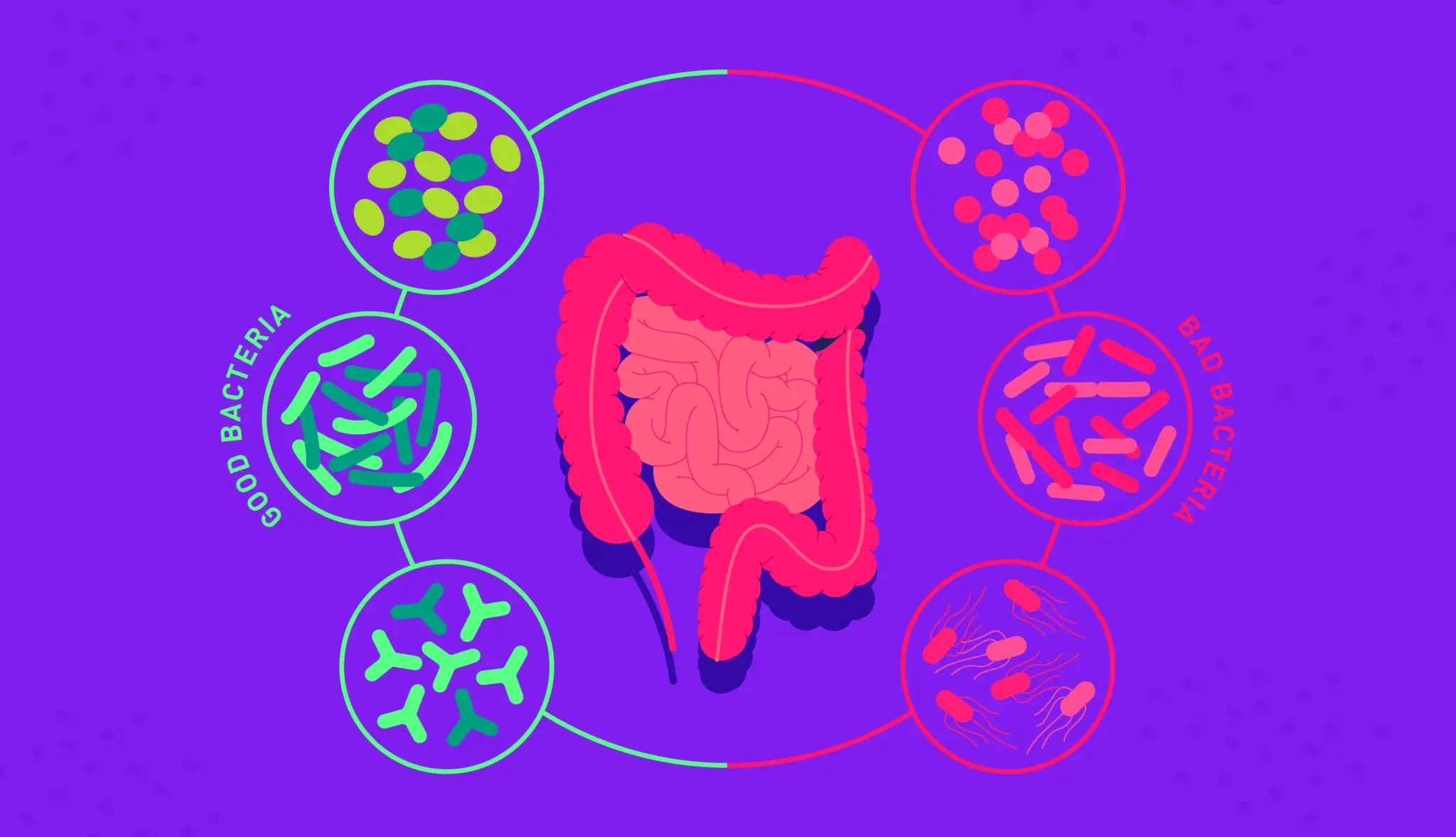
- Dysbiosis is an imbalance within a community of microorganisms living together — a microbiome.
- Our bodies are host to several distinct microbiomes — communities of microorganisms that live with us and assist us in various ways.
- A balanced microbiome is one where there’s a healthy diversity of microorganisms, where no single bacteria, virus or fungus dominates.
- Dysbiosis means there’s alack of diversity and balance. When they’re imbalanced, it changes how they function in your body.
- Dysbiosis typically occurs when the bacteria in your gastrointestinal (GI) tract — which includes your stomach and intestines — become unbalanced.
- Cause: It can arise from infections, antibiotic use, or some aspects of a person’s diet.
- How does dysbiosis affect us?
- In any microbiome, a lack of diversity and balance can pave the way for one type of microorganism to take over.
- Dysbiosis makes us more vulnerable to infections from germs living inside and outside of our bodies.
- It can also interfere with other important services that our microbiomes normally provide for us.
- Symptoms: Though it is sometimes asymptomatic, dysbiosis may manifest in abdominal pain, bloating, and vomiting.
- Dysbiosis is also common on your skin. It can be caused by exposure to harmful bacteria or an overgrowth of a single type of bacteria.
- Treatment:
- The main premise of treatment is to increase gut microbiome biodiversity. Scientists have developed several ways of treating dysbiosis, including:
- Fecal microbiota transplantation
- Probiotic therapy
- Microbial metabolic pathway therapy
- If an underlying disease or condition causes it, you’ll need specific treatment for that condition.
Q1: What are antibiotics?
Antibiotics are medicines that fight bacterial infections in people and animals. They work by killing the bacteria or by making it hard for the bacteria to grow and multiply.
Source: Hidden dangers of irrational use of antibiotics on microbiome


 Last updated on Oct, 2026
→ UPSC 2027 Notification will be released on 13 January 2027 at upsconline.nic.in.
→ Asian Games 2026 are being held in Aichi-Nagoya, Japan, from 19 September to 4 October.
→ Check Nobel Prize 2026 Winners List here.
→ Download PIB PRiSM Monthly Magazine 2026 here.
→ Check UPSC Monthly Current Affairs Magazine The Recitals here.
→ Check out the latest UPSC Syllabus here.
→ Download UPSC Model Answers for Mains 2026
→ UPSC Mains Question Paper 2026 is out now for Essay & GS Paper 1, 2, 3 & 4.
→ UPSC Calendar 2027 has been released.
→ Enroll in Vajiram & Ravi’s UPSC Mains Test Series 2027 for structured answer writing practice, expert evaluation, and exam-oriented feedback.
→ Join Vajiram & Ravi’s UPSC Mentorship Program 2027 for personalized guidance, strategy planning, and one-to-one support from experienced mentors.
→ Go through the UPSC Mains Previous Year Papers to enhance your preparation.
→ UPSC has released UPSC Toppers List 2025 with the Civil Services final result on its official website.
→ Also check Best UPSC Coaching in India