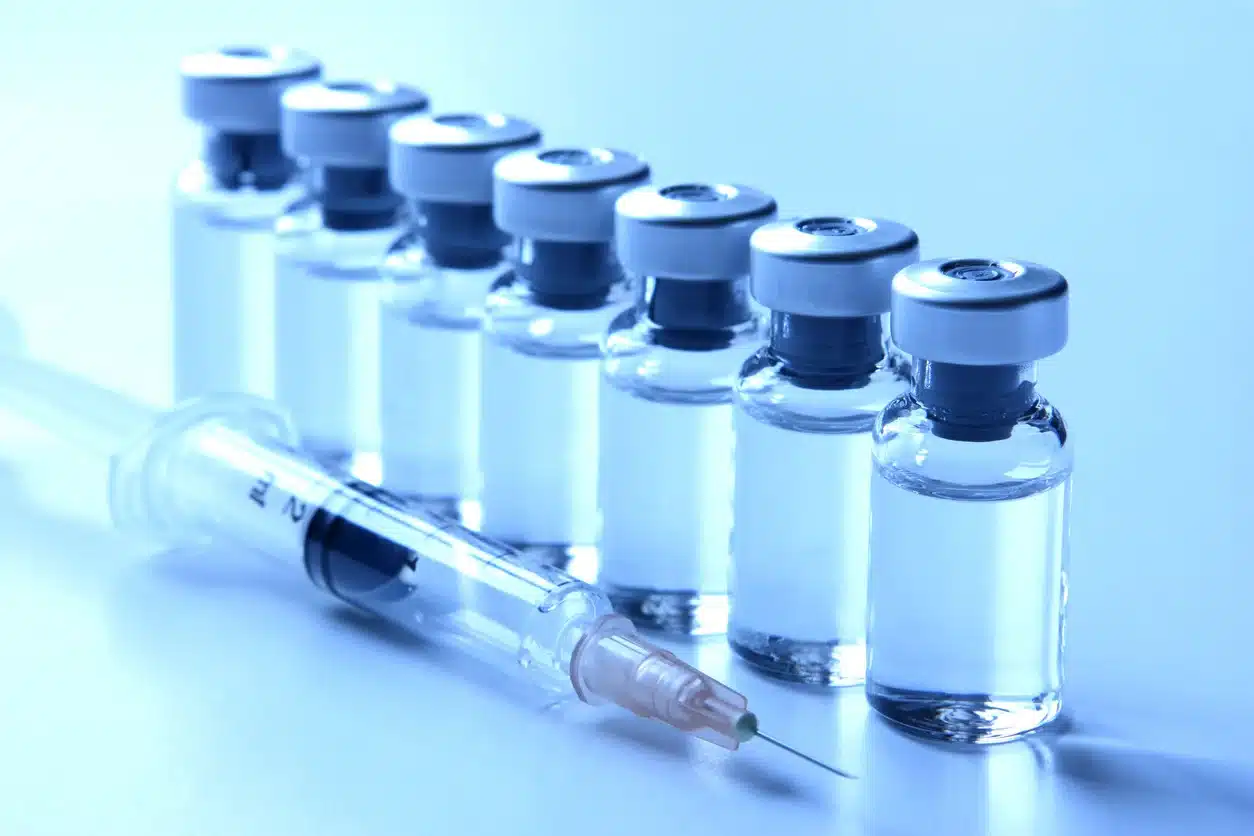
About Havisure vaccine
- It is a two-dose vaccine — first dose administered at above 12 months of age and the second at least six months after the first dose.
- The vaccine is recommended for children as part of the routine immunization as well as for individuals at risk of exposure or travel to the regions with high hepatitis A prevalence.
- In addition to this people with occupational risk of infection and suffering from chronic liver diseases also require Hepatitis A vaccination.
Key facts about Hepatitis A
- It is an inflammation of the liver caused by the hepatitis A virus (HAV).
- The virus is primarily spread when an uninfected (and unvaccinated) person ingests food or water that is contaminated with the faeces of an infected person.
- Hepatitis can be an acute (short-term) infection or a chronic (long-term) infection.
- There are different types of hepatitis, with different causes:
- Viral hepatitis is the most common type. It is caused by one of several viruses — hepatitis viruses A, B, C, D, and E.
- Alcoholic hepatitis is caused by heavy alcohol use.
- Toxic hepatitis can be caused by certain poisons, chemicals, medicines, or supplements.
- Autoimmune hepatitis is a chronic type in which your body’s immune system attacks your liver. The cause is not known, but genetics and your environment may play a role.
- Hepatitis B, hepatitis C, and hepatitis D spread through contact with the blood of someone who has the disease.
- Hepatitis B and D may also spread through contact with other body fluids. This can happen in many ways, such as sharing drug needles or having unprotected sex.
- Symptoms: Some people with hepatitis do not have symptoms and do not know they are infected.
- Common symptoms include: fever, malaise, loss of appetite, diarrhoea, nausea, abdominal discomfort, dark-coloured urine and jaundice.
- Treatment: There is no specific treatment for hepatitis A. Recovery from symptoms following infection may be slow and can take several weeks or months.
Q1) What is a Vaccine?
A preparation that is used to stimulate the body’s immune response against diseases. Vaccines are usually administered through needle injections, but some can be administered by mouth or sprayed into the nose.
Source: India’s first indigenously developed Hepatitis A vaccine launched in Hyderabad


 Last updated on Oct, 2026
→ UPSC 2027 Notification will be released on 13 January 2027 at upsconline.nic.in.
→ Asian Games 2026 are being held in Aichi-Nagoya, Japan, from 19 September to 4 October.
→ Check Nobel Prize 2026 Winners List here.
→ Download PIB PRiSM Monthly Magazine 2026 here.
→ Check UPSC Monthly Current Affairs Magazine The Recitals here.
→ Check out the latest UPSC Syllabus here.
→ Download UPSC Model Answers for Mains 2026
→ UPSC Mains Question Paper 2026 is out now for Essay & GS Paper 1, 2, 3 & 4.
→ UPSC Calendar 2027 has been released.
→ Enroll in Vajiram & Ravi’s UPSC Mains Test Series 2027 for structured answer writing practice, expert evaluation, and exam-oriented feedback.
→ Join Vajiram & Ravi’s UPSC Mentorship Program 2027 for personalized guidance, strategy planning, and one-to-one support from experienced mentors.
→ Go through the UPSC Mains Previous Year Papers to enhance your preparation.
→ UPSC has released UPSC Toppers List 2025 with the Civil Services final result on its official website.
→ Also check Best UPSC Coaching in India