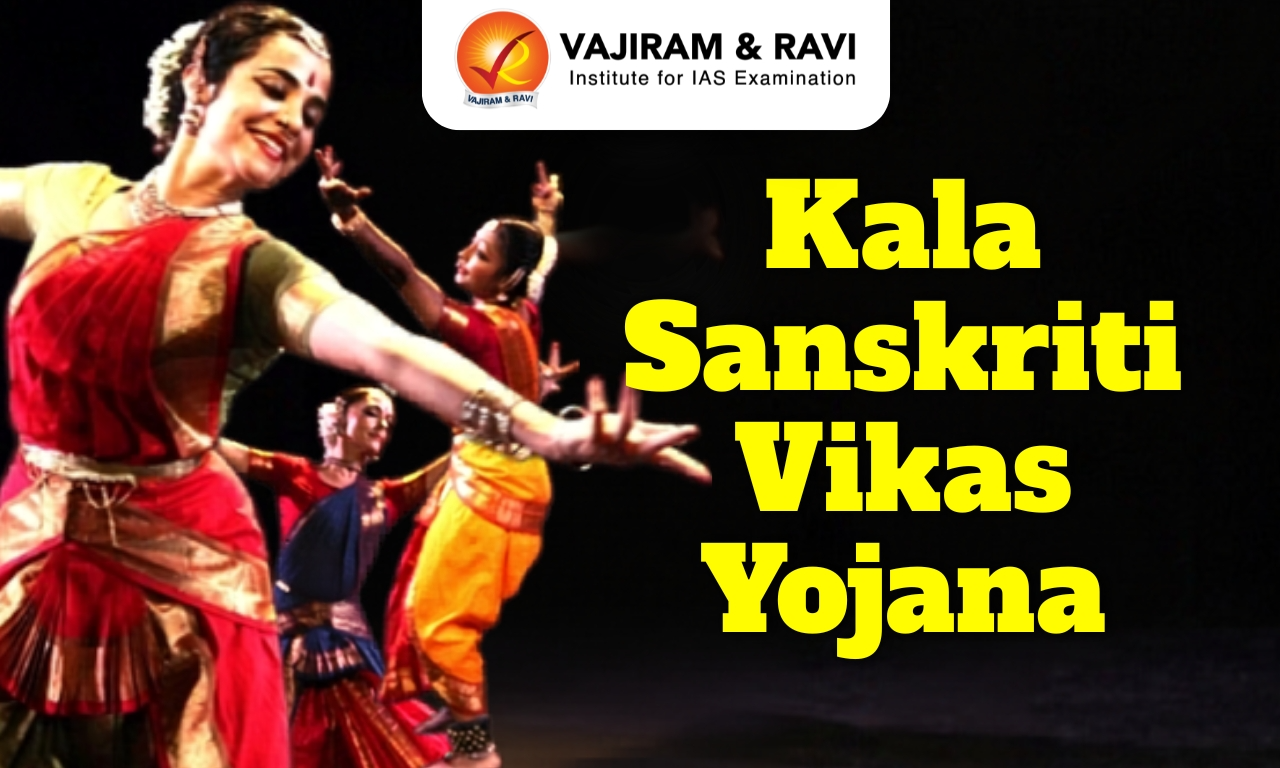
Kala Sanskriti Vikas Yojana (KSVY) is an umbrella scheme launched by the Ministry of Culture to promote, preserve, and develop India’s rich art and cultural heritage. It supports artists, cultural organizations, and institutions by providing financial assistance for various cultural activities and infrastructure development. It is a Central Sector Scheme, which means it is fully funded and implemented by the Central Government of India.
Kala Sanskriti Vikas Yojana Objectives
The main aim of Kala Sanskriti Vikas Yojana (KSVY) is to strengthen India’s cultural ecosystem. Its key objectives include:
- Promote Art & Culture: Support cultural programs, festivals, exhibitions, and performances across India.
- Preserve Heritage: Protect both tangible and intangible cultural heritage.
- Financial Support: Provide grants to artists, NGOs, and cultural institutions.
- Develop Infrastructure: Build and upgrade auditoriums, museums, and cultural centers.
- Safeguard Intangible Heritage: Preserve traditions recognized by UNESCO.
- Encourage Inclusivity: Promote participation of rural, tribal, and marginalized communities.
- Capacity Building: Support training, workshops, and skill development for artists.
- Promote Cultural Exchange: Encourage national and international cultural collaborations.
- Boost Cultural Tourism: Promote culture-based tourism and local economies.
- Digitization & Documentation: Record and digitally preserve cultural assets.
Kala Sanskriti Vikas Yojana Key Features
The key features of Kala Sanskrit Vikas Yojana have been discussed below.
- Financial Assistance: Provides grants to artists, cultural organizations, NGOs, and institutions for conducting programs and activities.
- Support for Cultural Programs: Encourages organization of festivals, exhibitions, seminars, workshops, and performances at various levels.
- Infrastructure Development: Offers funding for creation and modernization of cultural infrastructure like auditoriums, museums, and cultural centers.
- Focus on Intangible Heritage: Aims to safeguard traditions such as music, dance, crafts, and rituals, including those recognized by UNESCO.
- Inclusive Approach: Promotes participation from rural areas, tribal communities, and underrepresented groups.
- Pan-India Coverage: Ensures cultural development and outreach across all states and regions of India.
- Flexible Implementation: Supports a wide range of cultural activities depending on regional and institutional needs.
- Encouragement to Cultural Institutions: Strengthens the role of cultural bodies, academies, and organizations in preserving heritage.
- Promotion of Cultural Awareness: Helps in spreading awareness about India’s diverse cultural traditions among citizens and globally.
Also Read: Pradhan Mantri Gram Sadak Yojana


Major Components of Kala Sanskriti Vikas Yojana
The Kala Sanskriti Vikas Yojana (KSVY), implemented by the Ministry of Culture, consists of key components aimed at promoting, preserving, and developing India’s cultural sector.
Scheme of Financial Assistance for Promotion of Art and Culture
- Grants for festivals, exhibitions, seminars, and workshops
- Support to artists, NGOs, and cultural groups
- Promotion of traditional and contemporary art forms
Scheme of Financial Assistance for Creation of Cultural Infrastructure
- Funding for auditoriums, museums, and cultural centers
- Support for renovation and modernization
- Improved public access to cultural facilities
Scheme for Safeguarding the Intangible Cultural Heritage
- Safeguarding of music, dance, crafts, rituals, and oral traditions
- Promotion of heritage recognized by UNESCO
- Documentation and transmission to future generations
Support for Cultural Organizations and Capacity Building
- Training programs and workshops for artists
- Skill development initiatives
- Strengthening institutions and cultural bodies
Kala Sanskriti Vikas Yojana Significance
The Kala Sanskriti Vikas Yojana (KSVY), implemented by the Ministry of Culture, plays a crucial role in strengthening India’s cultural landscape. Its significance can be understood through the following points:
- Preservation of Cultural Heritage: Protects and promotes India’s rich traditions, including art, music, dance, crafts, and rituals, ensuring they are passed on to future generations.
- Support to Artists and Artisans: Provides financial assistance and opportunities to artists, helping sustain their livelihoods and encouraging continued cultural practices.
- Promotion of Intangible Heritage: Safeguards traditions recognized by UNESCO, enhancing global recognition of India’s cultural diversity.
- Development of Cultural Infrastructure: Encourages the creation and modernization of cultural centers, auditoriums, and museums, improving access to cultural spaces.
- Boost to Cultural Tourism: Promotes festivals and heritage-based activities, attracting tourists and generating economic benefits for local communities.
- Strengthening National Identity: Reinforces India’s cultural identity and unity by celebrating its diverse traditions and practices.
- Inclusive Cultural Growth: Ensures participation from rural, tribal, and marginalized communities, making cultural development more inclusive.

 Last updated on Oct, 2026
→ UPSC 2027 Notification will be released on 13 January 2027 at upsconline.nic.in.
→ Check Nobel Prize 2026 Winners List here.
→ Download PIB PRiSM Monthly Magazine 2026 here.
→ Check UPSC Monthly Current Affairs Magazine The Recitals here.
→ Check out the latest UPSC Syllabus here.
→ Download UPSC Model Answers for Mains 2026
→ UPSC Mains Question Paper 2026 is out now for Essay & GS Paper 1, 2, 3 & 4.
→ UPSC Calendar 2027 has been released.
→ Enroll in Vajiram & Ravi’s UPSC Mains Test Series 2027 for structured answer writing practice, expert evaluation, and exam-oriented feedback.
→ Join Vajiram & Ravi’s UPSC Mentorship Program 2027 for personalized guidance, strategy planning, and one-to-one support from experienced mentors.
→ Go through the UPSC Mains Previous Year Papers to enhance your preparation.
→ UPSC has released UPSC Toppers List 2025 with the Civil Services final result on its official website.
→ Also check Best UPSC Coaching in India
Kala Sanskriti Vikas Yojana FAQs
Q1. What is Kala Sanskriti Vikas Yojana (KSVY)?+
Q2. Is KSVY a Central Sector Scheme?+
Q3. Who are the beneficiaries of KSVY?+
Q4. What type of support is provided under KSVY?+
Q5. What are the major components of KSVY?+
Tags: indian art and culture kala sanskriti vikas yojana