Makar Sankranti 2025 Celebrations
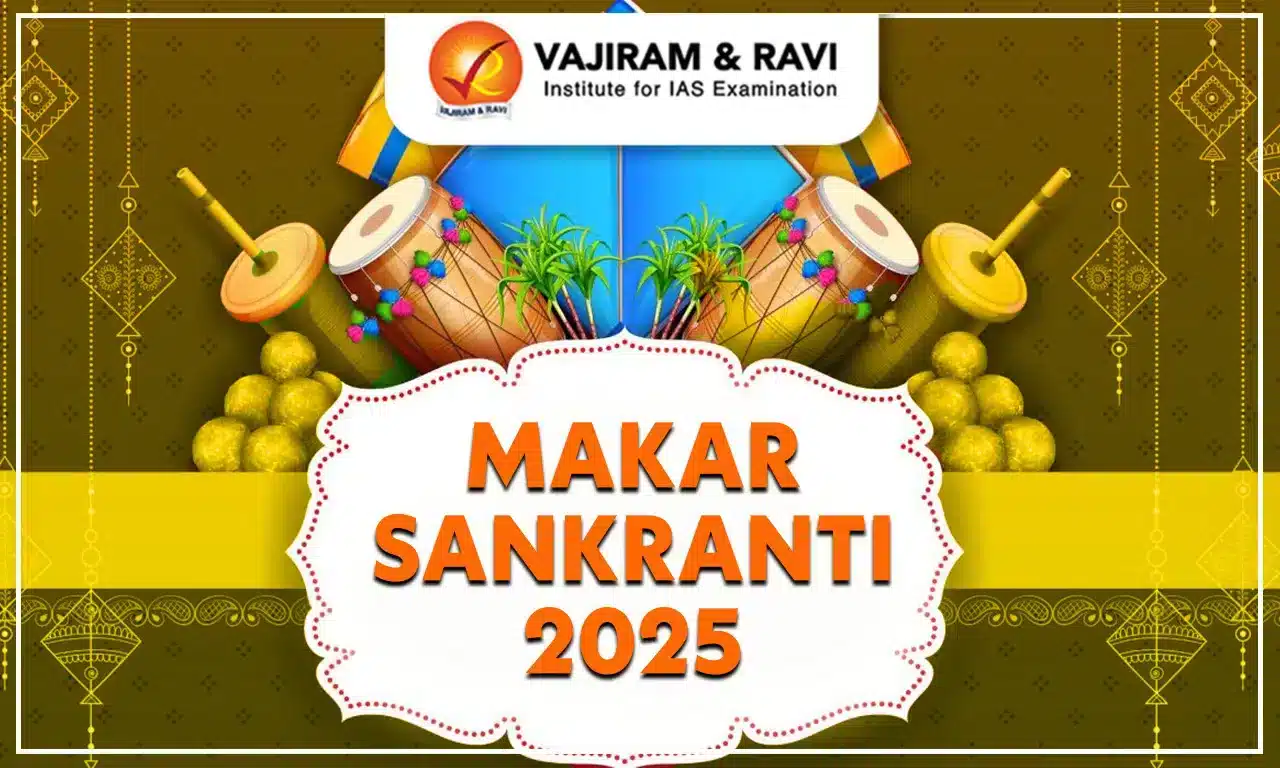
On the day of Makar Sankranti, the sun starts its journey towards northward and transitions into the capricorn zodiac sign, marking the commencement of Uttarayan. Considered to be a significantly auspicious period in hindu tradition, this day is a symbol of prosperity, spiritual awakening and growth. According to Indian traditions, the sun transitioning into a northward movement is marked to bring prosperity and good fortune. While many states celebrate it as the beginning of harvest season, many states celebrate it in a manner that the devotees take dips in the holy rivers as a way of cleansing their souls and starting anew.
Makar Sankranti History
Makar Sankranti, an auspicious hindu festival is related with the birth of Narashansa, the first preceptor of righteousness in Kaliyuga. Marking the victory of good over evil, the day is celebrated with a belief that Lord Vishnu defeated Lord Sankarasura on Makar Sankranti day.
The other legendary story associated with Makar Sankranti is from Mahabharata, where Bhishma Pitamah was lying on a bed of arrows and was blessed with a boon to decide his time of death. At that time, Bhishma Pitamah, chose the day of Uttarayan to depart from his physical body. Hence the day is celebrated not only as a harvest festival but also the day of spiritual fulfillment.


Makar Sankranti Celebration in States
Makar Sankranti is celebrated all over India, in a different manner. Here are the names of Makar Sankranti festival and how it is celebrated in different states:
| State | Name of Festival | Celebration Details |
| Andhra Pradesh | Makar Sankranti | A four-day celebration with cultural activities and rituals related to harvest. |
| Assam | Bhogali Bihu | Celebrated with feasting, bonfires, and community events as part of the harvest festival. |
| Punjab | Lohri (Eve) | Lohri is celebrated the night before, with bonfires and dancing, marking the harvest. |
| Delhi | Sukarat | Known as Sukarat, celebrated with community meals and local customs in Delhi and Haryana. |
| Gujarat | Uttarayan | Famous for kite flying, the festival is marked by vibrant outdoor celebrations. |
| Madhya Pradesh | Makar Sankranti | Exchanging sweets and engaging in local cultural programs to mark the festival. |
| Maharashtra | Makar Sankranti | Celebrated with kite flying, bonfires, and exchanging tilgul (sesame sweets). |
| Odisha | Makar Sankranti | Lighting bonfires, enjoying community feasts, and following local customs. |
| Tamil Nadu | Pongal | Celebrated for four days, marking the harvest season with feasts and rituals. |
| Jharkhand, Bihar, and Uttar Pradesh | Khichdi Parwa | People take a holy dip in the Ganges, eat Khichdi, and offer prayers. |
| West Bengal | Sankranti/Paush Parbon | Celebrated for three days, starting with the festival, with various cultural events. |
Makar Sankranti Astronomical Significance
Astronomically, Makar Sankranti holds great significance as it marks the Sun’s transition into Capricorn, signaling the start of Uttarayan—the six-month northward journey of the Sun. From this day, days become longer and nights shorter, marking the end of the cold winter season.
This alignment of the Sun with Capricorn is also associated with spiritual awakening. It is believed that engaging in religious and spiritual practices during this time is especially fruitful, as the environment is infused with heightened energy and positivity.
Makar Sankranti Cultural Significance
Makar Sankranti is not only a religious festival but also one that brings together the communities and promotes social welfare. Makar Sankranti festival is culturally significant for the following reasons:
- People take a dip in holy rivers like Ganga, Yamuna as it is believed to clean their souls and shower blessings.
- People offer donations in the form of food, clothes and money to the needy ones.
- Traditional dishes like khichdi, rice are prepared showcasing the culinary heritage of India.
- In Gujarat, kites are flown as a symbol of freedom and joy.

 Last updated on Oct, 2026
→ UPSC 2027 Notification will be released on 13 January 2027 at upsconline.nic.in.
→ Check Nobel Prize 2026 Winners List here.
→ Download PIB PRiSM Monthly Magazine 2026 here.
→ Check UPSC Monthly Current Affairs Magazine The Recitals here.
→ Check out the latest UPSC Syllabus here.
→ Download UPSC Model Answers for Mains 2026
→ UPSC Mains Question Paper 2026 is out now for Essay & GS Paper 1, 2, 3 & 4.
→ UPSC Calendar 2027 has been released.
→ Enroll in Vajiram & Ravi’s UPSC Mains Test Series 2027 for structured answer writing practice, expert evaluation, and exam-oriented feedback.
→ Join Vajiram & Ravi’s UPSC Mentorship Program 2027 for personalized guidance, strategy planning, and one-to-one support from experienced mentors.
→ Go through the UPSC Mains Previous Year Papers to enhance your preparation.
→ UPSC has released UPSC Toppers List 2025 with the Civil Services final result on its official website.
→ Also check Best UPSC Coaching in India
Makar Sankranti FAQs
Q1. Is Makar Sankranti on 14th or 15th?+
Q2. Which state has the best Makar Sankranti?+
Q3. What is the difference between Makar Sankranti and Lohri?+
Q4. What are the three days of Sankranti 2025?+
Q5. Why is the Makar Sankranti date changing?+
Tags: Makar Sankranti