About Mitochondrial Disease:
- Mitochondrial diseases are a group of conditions that affect how mitochondria work in your body.
- What are Mitochondria?
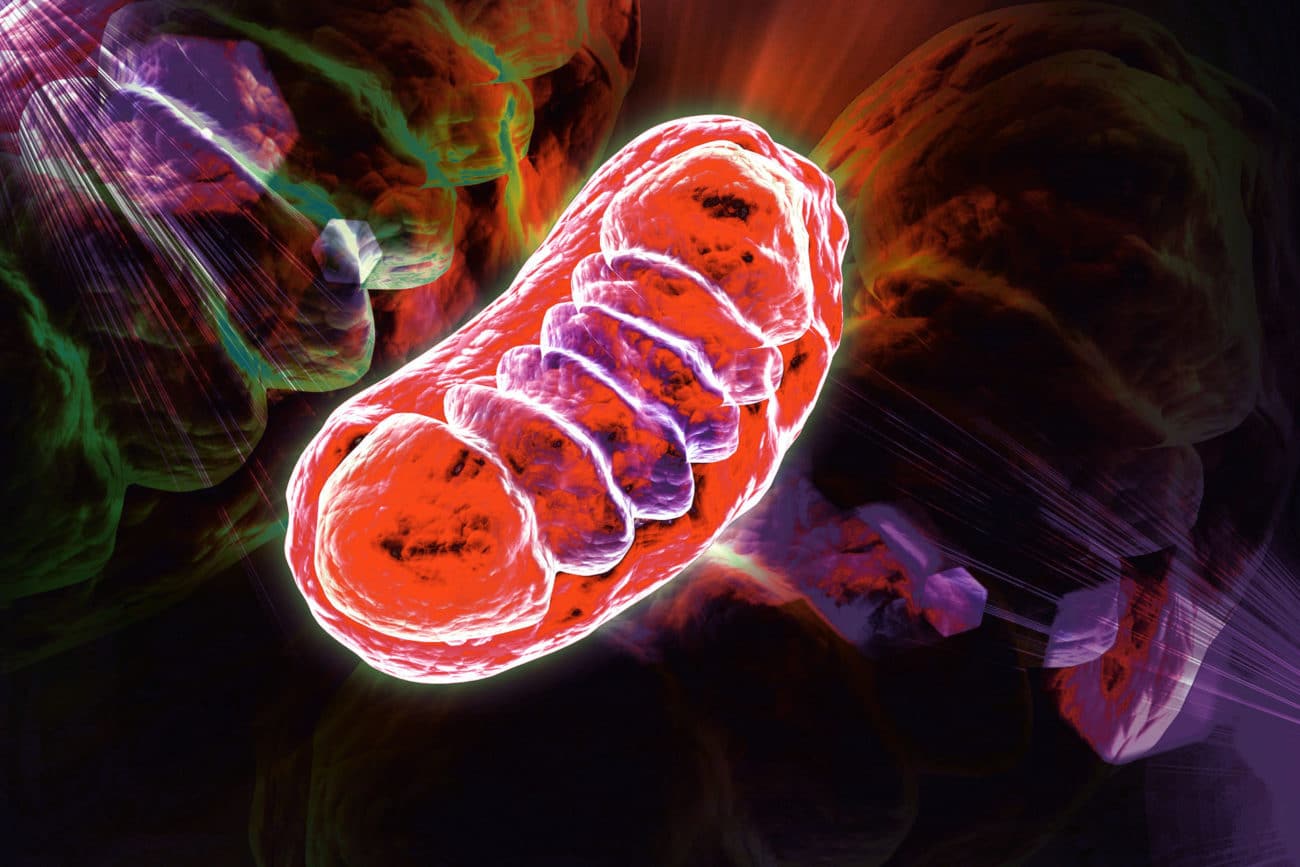
- Mitochondria are membrane-bound cell organelles that generate most of the chemical energy needed to power the cell’s biochemical reactions.
- They make it by combining oxygen with the fuel molecules (sugars and fats) that come from your food.
- Chemical energy produced by the mitochondria is stored in a small molecule called adenosine triphosphate (ATP).
- Generally, mitochondria, and therefore mitochondrial DNA, are inherited only from the mother.
- When the mitochondria are defective, the cells do not have enough energy. The unused oxygen and fuel molecules build up in the cells and cause damage.
- Mitochondrial diseases can affect almost any part of your body, including the cells of your Brain, Nerves, Muscles, Kidneys, Heart, Liver, Eyes, Ears, and Pancreas.
- Causes:
- Genetic mutations cause these primary mitochondrial diseases. They usually happen before age 20, and some are more common in infants.
- Mitochondrial dysfunction can also occur when mitochondria don’t work as well as they should due to another disease or condition. These are called secondary mitochondrial diseases.
- Symptoms:
- The symptoms of mitochondrial disease can vary. It depends on how many mitochondria are defective and where they are in the body.
- Sometimes only one organ, tissue, or cell type is affected. But often, the problem affects many of them.
- Muscle and nerve cells have especially high energy needs, so muscular and neurological problems are common.
- Treatment:
- There are no cures for these diseases, but treatments may help with symptoms and slow down the disease.
- They may include physical therapy, vitamins and supplements, special diets, and medicines.
Q1: What is mitochondria?
Mitochondria are special compartments (organelles) in our cells that are best known for their role as powerhouses, as they breakdown food molecules and turn out ATP, a molecular fuel for the rest of the cell. However, they carry out many other important biological processes and are central to the correct functioning of the human cell. The mitochondrion has two membranes: an outer membrane, which is porous for most molecules, and an inner membrane, which is tightly sealed and has invaginations called cristae.
Source: Mitochondrial donation: All you need to know about this mito disease


 Last updated on Oct, 2026
→ UPSC 2027 Notification will be released on 13 January 2027 at upsconline.nic.in.
→ Asian Games 2026 are being held in Aichi-Nagoya, Japan, from 19 September to 4 October.
→ Check Nobel Prize 2026 Winners List here.
→ Download PIB PRiSM Monthly Magazine 2026 here.
→ Check UPSC Monthly Current Affairs Magazine The Recitals here.
→ Check out the latest UPSC Syllabus here.
→ Download UPSC Model Answers for Mains 2026
→ UPSC Mains Question Paper 2026 is out now for Essay & GS Paper 1, 2, 3 & 4.
→ UPSC Calendar 2027 has been released.
→ Enroll in Vajiram & Ravi’s UPSC Mains Test Series 2027 for structured answer writing practice, expert evaluation, and exam-oriented feedback.
→ Join Vajiram & Ravi’s UPSC Mentorship Program 2027 for personalized guidance, strategy planning, and one-to-one support from experienced mentors.
→ Go through the UPSC Mains Previous Year Papers to enhance your preparation.
→ UPSC has released UPSC Toppers List 2025 with the Civil Services final result on its official website.
→ Also check Best UPSC Coaching in India