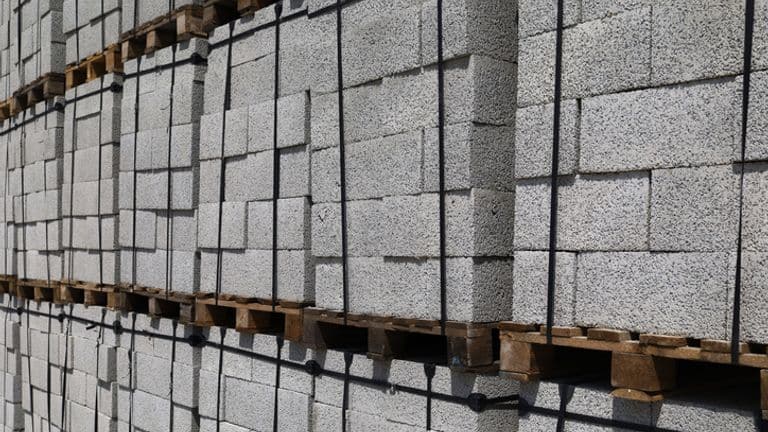
About Reinforced Aerated Autoclaved Concrete (RAAC):
- It is a lightweight, bubbly form of concrete that was used in roofs, floors, and walls between the 1950s and 1990s.
- It looks like standard concrete, but compared with the “traditional” reinforced material, which is typically denser, Raac is weak and less durable.
- The material was favoured in construction projects because of its lightweight thermal properties.
- How is it made?
- It is made from a combination of cement, lime, water, and an aeration agent.
- The mixture is poured into moulds and then subjected to high pressure and heat, known as autoclaving, to create a lightweight, strong, and porous material.
- Advantages over Standard concrete:
- It is cheaper.
- It is also quicker to produce and easier to install.
- Insulation Properties: RAAC has excellent thermal insulation properties due to the air bubbles within the material.
- It helps maintain a comfortable indoor temperature while reducing heating and cooling energy consumption.
- Why is it a risk?
- The concrete is aerated and “bubbly”, contains no “coarse aggregate” and is less dense than traditional concrete, being around a third of the weight.
- It could easily absorb moisture, weakening the material and also corroding steel reinforcement within.
- This means it is more prone to collapse over time.
Q1) What is Concrete?
Concrete is a versatile and widely used construction material composed of a mixture of cement, water, aggregates (such as sand, gravel, or crushed stone), and often various chemical additives or admixtures. It is a fundamental building material known for its strength, durability, and versatility. Concrete is used in a wide range of construction applications, including buildings, bridges, roads, dams, and more.
Source: 100 schools across England ordered to close buildings as they are constructed using unsafe concrete


 Last updated on Oct, 2026
→ UPSC 2027 Notification will be released on 13 January 2027 at upsconline.nic.in.
→ Check Nobel Prize 2026 Winners List here.
→ Download PIB PRiSM Monthly Magazine 2026 here.
→ Check UPSC Monthly Current Affairs Magazine The Recitals here.
→ Check out the latest UPSC Syllabus here.
→ Download UPSC Model Answers for Mains 2026
→ UPSC Mains Question Paper 2026 is out now for Essay & GS Paper 1, 2, 3 & 4.
→ UPSC Calendar 2027 has been released.
→ Enroll in Vajiram & Ravi’s UPSC Mains Test Series 2027 for structured answer writing practice, expert evaluation, and exam-oriented feedback.
→ Join Vajiram & Ravi’s UPSC Mentorship Program 2027 for personalized guidance, strategy planning, and one-to-one support from experienced mentors.
→ Go through the UPSC Mains Previous Year Papers to enhance your preparation.
→ UPSC has released UPSC Toppers List 2025 with the Civil Services final result on its official website.
→ Also check Best UPSC Coaching in India