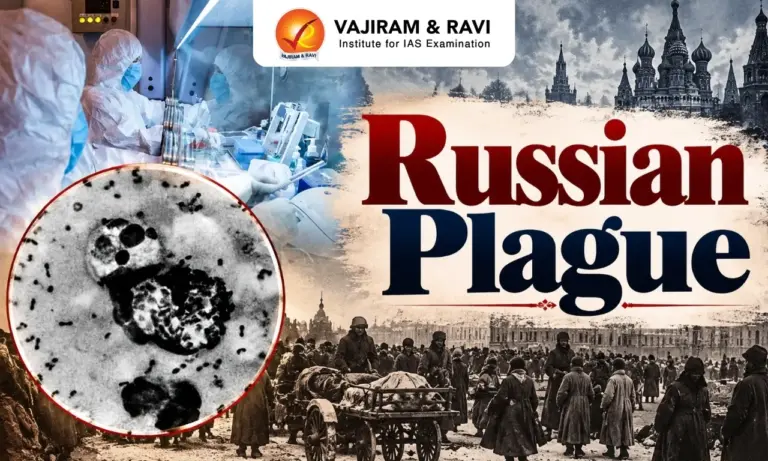
Russian Plague refers to concerns related to a possible case of pneumonic plague in Russia. Pneumonic plague is a severe form of plague caused by Yersinia pestis that affects the lungs. It can spread from person to person through respiratory droplets. The disease can progress rapidly, making early recognition, antibiotic treatment, isolation and contact tracing important for public health management.
Russian Plague Outbreak News
Russian Plague reports have raised concern after the death of a 28 year old laboratory worker in Irkutsk, Russia. The woman reportedly worked at an anti plague research institute and may have faced laboratory exposure. Authorities have described the illness as pneumonia of unknown aetiology. Testing reportedly did not identify microorganisms linked to her professional activities. The case has therefore raised questions about pneumonic plague without confirming an outbreak. Russia has not confirmed the reported death as pneumonic plague. Potentially exposed people have reportedly been placed under medical observation.
Russian Plague
Russian Plague refers to current concern surrounding a suspected pneumonic plague case in Russia. The following facts explain its disease features, transmission, symptoms and treatment requirements.
- Causative Bacterium: Pneumonic plague is caused by Yersinia pestis. It infects the lungs and differs from bubonic plague, which affects lymph nodes and septicemic plague, which affects the bloodstream.
- Person to Person Spread: Pneumonic plague can spread through heavy respiratory droplets from an infected person, particularly during coughing or spitting blood. It does not remain airborne like measles.
- Major Exposure Risk: The highest risk involves close contact within 6 feet (2 meters), direct patient care without protection, or airway related medical procedures without appropriate protective measures.
- Incubation Period: Symptoms generally develop within one to three days. The reported range is one to seven days, followed by rapid clinical deterioration in severe cases.
- Warning Symptoms: Initial symptoms include high fever, chills, severe headache and extreme weakness. Shortness of breath, chest pain and cough with watery, blood tinged or pinkish phlegm can follow quickly.
- Treatment: Gentamicin, ciprofloxacin and doxycycline are effective antibiotics. Treatment should begin within 24 hours of symptom onset because delayed treatment increases the risk of death.
Also Read:- Russian Revolution


Russian Plague in India
India currently has no reported confirmed case linked to this Russian episode. The practical response focuses on early recognition, travel history, isolation and rapid testing.
- Current Risk: The risk to people in India is described as virtually zero based on the available Russian reports. Risk would change substantially only with uncontrolled international transmission.
- Traveller Management: Port Health Organisations screen international travellers. A severely ill passenger can be moved to an isolation facility and transferred through a specialised biocontainment ambulance.
- Contact Tracing: Nearby passengers may be traced and given preventive antibiotics. Samples can be tested through the National Centre for Disease Control (NCDC).
- Hospital Preparedness: Indian tertiary and government referral hospitals maintain effective antibiotics such as ciprofloxacin, levofloxacin and gentamicin. Isolation protocols also support rapid response.
- Clinical Detection: Fever, cough and pneumonia can resemble common respiratory illnesses. Recent international travel, rodent contact, flea exposure, laboratory exposure and contact with suspected cases can guide diagnosis.
Also Read:- India Russia Relations
Russian Plague Management
Effective management depends on confirming Yersinia pestis, identifying exposure and preventing secondary transmission. Early action is important because pneumonic plague can progress rapidly.
- Isolation: Suspected patients should be placed in isolated negative pressure rooms. Healthcare workers should use protective equipment, including N95 masks.
- Contact Monitoring: Close contacts should receive preventive antibiotics for 7 days and have their temperature monitored twice daily.
- Risk Assessment: An isolated suspected case should not be called an outbreak without confirmed infection and evidence of transmission. Sustained community transmission would materially change India’s risk assessment.

 Last updated on Oct, 2026
→ UPSC 2027 Notification will be released on 13 January 2027 at upsconline.nic.in.
→ Asian Games 2026 are being held in Aichi-Nagoya, Japan, from 19 September to 4 October.
→ Check out the latest UPSC Syllabus here.
→ Download UPSC Model Answers for Mains 2026
→ UPSC Mains Question Paper 2026 is out now for Essay & GS Paper 1, 2, 3 & 4.
→ UPSC Calendar 2027 has been released.
→ Enroll in Vajiram & Ravi’s UPSC Mains Test Series 2027 for structured answer writing practice, expert evaluation, and exam-oriented feedback.
→ Join Vajiram & Ravi’s UPSC Mentorship Program 2027 for personalized guidance, strategy planning, and one-to-one support from experienced mentors.
→ Go through the UPSC Mains Previous Year Papers to enhance your preparation.
→ UPSC has released UPSC Toppers List 2025 with the Civil Services final result on its official website.
→ Download PIB PRiSM Monthly Magazine 2026 here.
→ Also check Best UPSC Coaching in India
Russian Plague 2026 FAQs
Q1. What is Russian Plague?+
Q2. What causes pneumonic plague?+
Q3. How does pneumonic plague spread?+
Q4. What is the risk of Russian Plague in India?+
Q5. How is pneumonic plague managed?+
Tags: russian plague russian plague 2026