What are Fatty Acids?
- Fatty acids are the building blocks of the fat in our bodies and in the food we eat.
- During digestion, the body breaks down fats into fatty acids, which can then be absorbed into the blood.
- Fatty acid molecules are usually joined together in groups of three, forming a molecule called a triglyceride.
- Triglycerides are also made in our bodies from the carbohydrates that we eat.
- The two main types of fatty acids are saturated fat and unsaturated fat.
- Saturated fats are sometimes known as “bad” or “unhealthy” fats because they increase your risk of certain diseases like heart disease and stroke.
- Unsaturated fats (polyunsaturated and monounsaturated) are considered “good” or “healthy” fats because they support your heart health when used in moderation.
About Omega-3 Fatty Acids
- Omega-3 fatty acids (omega-3s) are polyunsaturated fats that perform important functions in your body.
- Your body can’t produce the amount of omega-3s you need to survive.
- So, omega-3 fatty acids are essential nutrients, meaning you need to get them from the foods you eat.
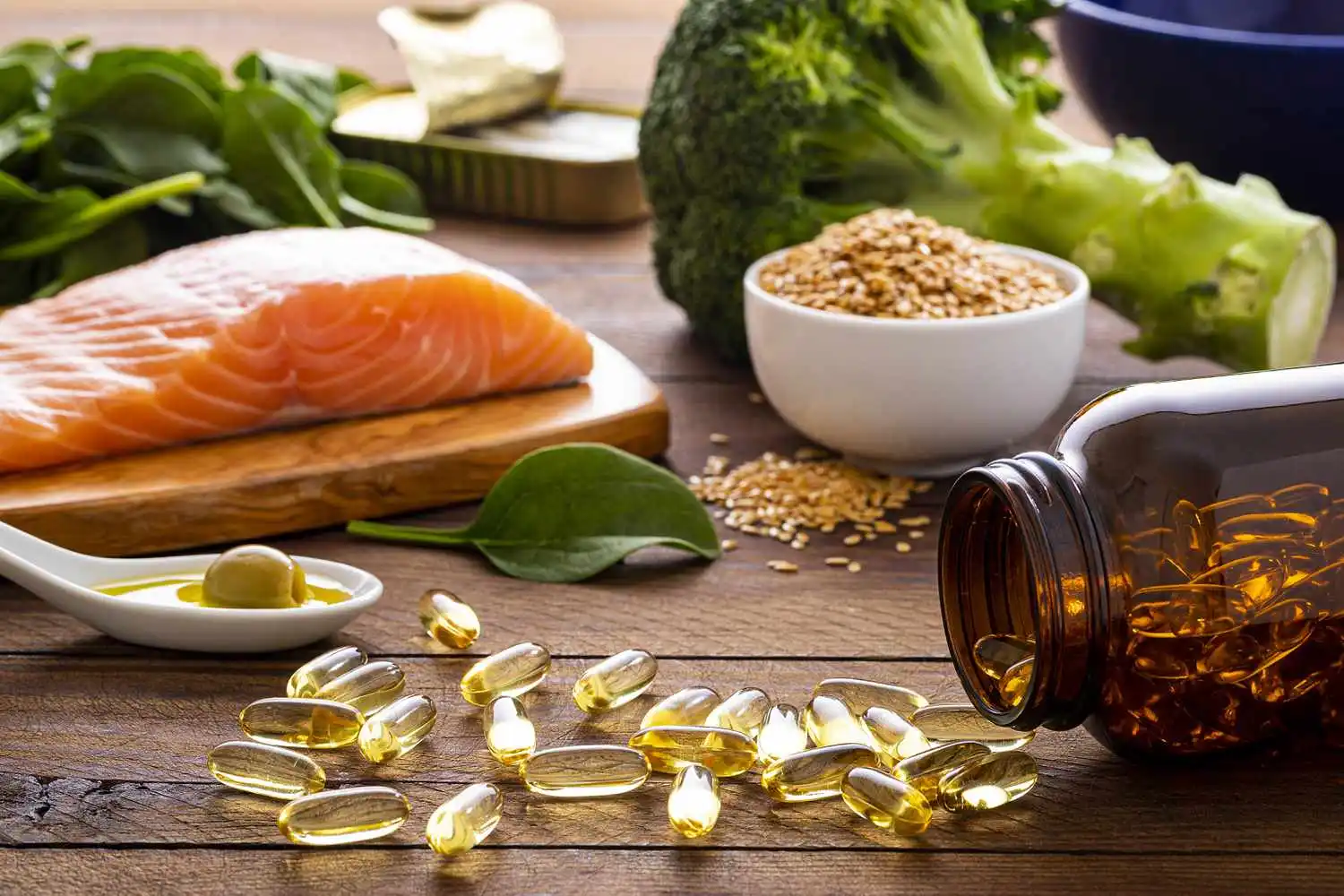
- They are found in foods, such as fish and flaxseed, and in dietary supplements, such as fish oil.
- The three main omega-3 fatty acids are alpha-linolenic acid (ALA), eicosapentaenoic acid (EPA), and docosahexaenoic acid (DHA).
- ALA is found mainly in plant oils such as flaxseed, soybean, and canola oils. DHA and EPA are found in fish and other seafood.
- Omega-3s are important components of the membranes that surround each cell in your body.
- DHA levels are especially high in retina (eye), brain, and sperm cells.
- Omega-3s also provide calories to give your body energy and have many functions in your heart, blood vessels, lungs, immune system, and endocrine system (the network of hormone-producing glands).
- Omega-3s in fish and fish oil supplements may help with symptoms of several autoimmune diseases like rheumatoid arthritis, lupus, and Crohn’s disease.
Q1: What are carbohydrates?
Carbohydrates, or carbs, are sugar molecules. Along with proteins and fats, carbohydrates are one of three main nutrients found in foods and drinks. Your body breaks down carbohydrates into glucose. Glucose, or blood sugar, is the main source of energy for your body’s cells, tissues, and organs. Glucose can be used immediately or stored in the liver and muscles for later use.
Source: New study says Fish oil supplements are harmful for heart but what’s the actual truth?


 Last updated on Oct, 2026
→ UPSC 2027 Notification will be released on 13 January 2027 at upsconline.nic.in.
→ Check Nobel Prize 2026 Winners List here.
→ Download PIB PRiSM Monthly Magazine 2026 here.
→ Check UPSC Monthly Current Affairs Magazine The Recitals here.
→ Check out the latest UPSC Syllabus here.
→ Download UPSC Model Answers for Mains 2026
→ UPSC Mains Question Paper 2026 is out now for Essay & GS Paper 1, 2, 3 & 4.
→ UPSC Calendar 2027 has been released.
→ Enroll in Vajiram & Ravi’s UPSC Mains Test Series 2027 for structured answer writing practice, expert evaluation, and exam-oriented feedback.
→ Join Vajiram & Ravi’s UPSC Mentorship Program 2027 for personalized guidance, strategy planning, and one-to-one support from experienced mentors.
→ Go through the UPSC Mains Previous Year Papers to enhance your preparation.
→ UPSC has released UPSC Toppers List 2025 with the Civil Services final result on its official website.
→ Also check Best UPSC Coaching in India