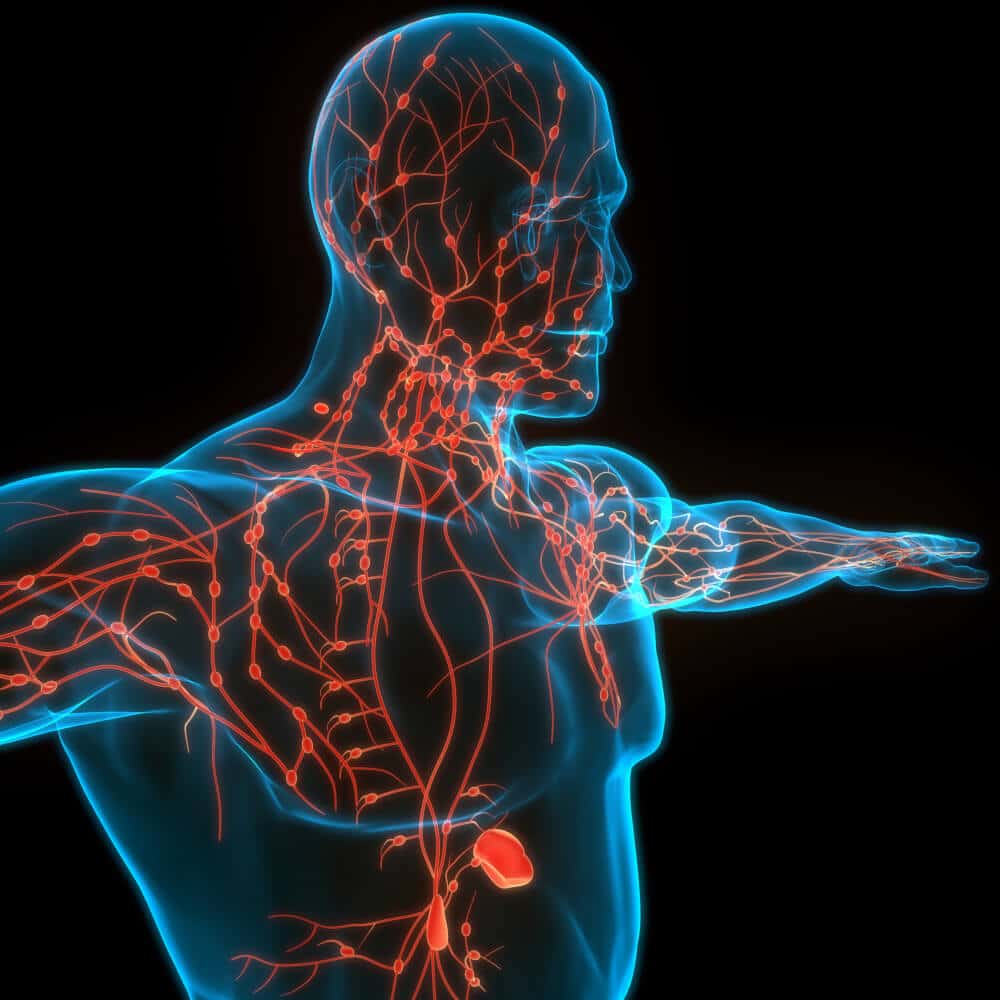
About Lymphoma
- Lymphoma is a type of cancer that originates in the lymphatic system, which is a part of the body’s immune system.
- The lymphatic system includes lymph nodes, lymphatic vessels, the spleen, tonsils, and the bone marrow.
- Lymphomas are characterized by the abnormal growth and proliferation of lymphocytes, a type of white blood cell, which can form tumors in various parts of the body.
- It’s considered a blood cancer because the condition starts in white blood cells (lymphocytes) in your lymphatic system.
- Lymphomas can be aggressive (fast-growing) or indolent (slow-growing).
- It can spread rapidly from the lymph nodes to other parts of the body through the lymphatic system. As cancerous lymphocytes spread into other tissues, the immune system cannot defend against infections as effectively.
There are two main types of lymphoma:
Hodgkin Lymphoma (HL):
- It is a relatively rare type of lymphoma that is characterized by the presence of Reed-Sternberg cells, which are large, abnormal cells found in the affected lymph nodes.
- It often has a predictable pattern of spreading through the lymphatic system.
Non-Hodgkin Lymphoma (NHL):
- It is a more common and diverse group of lymphomas that can originate in various lymphatic tissues throughout the body.
- Unlike Hodgkin lymphoma, NHL does not involve Reed-Sternberg cells and has a more varied and less predictable pattern of growth.
- Cause: The cause of lymphoma is not fully understood, but it is thought to be caused by a combination of genetic and environmental factors.


Signs and symptoms of lymphoma may include:
- Painless swelling of lymph nodes in the neck, armpits or groin
- Persistent fatigue
- Fever
- Night sweats
- Shortness of breath
- Unexplained weight loss
- Itchy skin
Treatment: The course of treatment depends on the type of lymphoma a person has and the stage it has reached. Common lymphoma treatments include:
- Chemotherapy.
- Radiation therapy.
- Targeted therapy
- Immunotherapy.
- CAR T-cell therapy.
- Stem cell (bone marrow) transplantation.
Q1: What is Bone Marrow?
Bone marrow is a spongy tissue found within the cavities of certain bones, primarily in the center of large bones like the hipbones, breastbone (sternum), and the long bones of the arms and legs. It is a crucial part of the human body’s blood-forming system and plays a vital role in the production of blood cells, including red blood cells, white blood cells, and platelets.
Source: World Lymphoma Awareness Day 2023 Theme: Date, History, Significance, and More

 Last updated on Oct, 2026
→ UPSC 2027 Notification will be released on 13 January 2027 at upsconline.nic.in.
→ Check Nobel Prize 2026 Winners List here.
→ Download PIB PRiSM Monthly Magazine 2026 here.
→ Check UPSC Monthly Current Affairs Magazine The Recitals here.
→ Check out the latest UPSC Syllabus here.
→ Download UPSC Model Answers for Mains 2026
→ UPSC Mains Question Paper 2026 is out now for Essay & GS Paper 1, 2, 3 & 4.
→ UPSC Calendar 2027 has been released.
→ Enroll in Vajiram & Ravi’s UPSC Mains Test Series 2027 for structured answer writing practice, expert evaluation, and exam-oriented feedback.
→ Join Vajiram & Ravi’s UPSC Mentorship Program 2027 for personalized guidance, strategy planning, and one-to-one support from experienced mentors.
→ Go through the UPSC Mains Previous Year Papers to enhance your preparation.
→ UPSC has released UPSC Toppers List 2025 with the Civil Services final result on its official website.
→ Also check Best UPSC Coaching in India