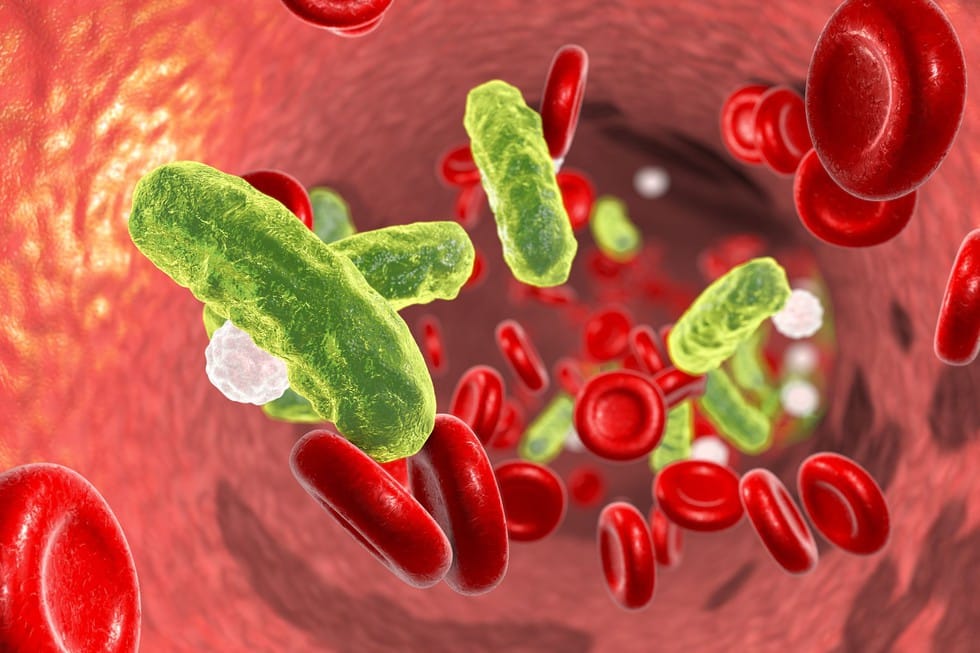
What is Sepsis?
- Despite dramatic improvements in understanding the immunological mechanisms behind sepsis, it remains a major medical concern, affecting nearly 50 million people globally each year.
- Sepsis is a life-threatening condition arising from the body’s over-reactive response against infection, leading it to injure its tissues and organs.
- Researchers have studied how certain types of bacteria interact with cells during infections to discover the cells and molecules that potentially trigger death from sepsis.
- Autoimmunity and sepsis
- The body’s response to infection starts when immune cells recognise components of the invading pathogen. These cells then release molecules like cytokines that help eliminate the infection.
- Among the hundreds of cytokines that exist, tumour necrosis factor, or TNF stands tall as the most potent and the most studied for nearly the past 50 years.
- What is Tumour Necrosis Factor?
- It is a cytokine which is produced when the immune system is stimulated by a bacterial extract called Coley’s toxin.
- Blood cells made in the bone marrow (myeloid cells) are the major producers of TNF.
- In normal conditions, TNF promotes beneficial processes such as cell survival and tissue regeneration.
- Uncontrolled TNF production can lead to a dangerous cytokine storm and to the development of rheumatoid arthritis and similar inflammatory conditions.
- Blocking and neutralising TNF activity can effectively treat numerous autoimmune diseases, including rheumatoid arthritis.
- What are Cytokines?
- These are a broad group of small proteins released by the immune cells in response to a pathogen.
- Cytokines play an essential role in the immune response, excessive and uncontrolled cytokine production can lead to a dangerous cytokine storm.
Q1) What are the symptoms and treatment of Sepsis?
Sepsis occurs when chemicals released in the bloodstream to fight an infection trigger inflammation throughout the body. Some of its symptoms include fever, difficulty breathing, low blood pressure, fast heart rate and mental confusion.
It can be treated using antibiotics and intravenous fluids.


 Last updated on August, 2026
→ UPSC Mains 2026 will be conducted on 21st, 22nd, 23rd, 29th and 30th August 2026.
→ Check out the latest UPSC Syllabus 2026 here.
→ UPSC Mains Admit Card 2026 is now out.
→ Enroll in Vajiram & Ravi’s UPSC Mains Test Series 2027 for structured answer writing practice, expert evaluation, and exam-oriented feedback.
→ Join Vajiram & Ravi’s UPSC Mentorship Program 2027 for personalized guidance, strategy planning, and one-to-one support from experienced mentors.
→ Go through the UPSC Mains Previous Year Papers to enhance your preparation.
→ Download UPSC Mains Essay Paper 2025, UPSC Mains GS Paper-I 2025, UPSC Mains GS Paper-II 2025, UPSC Mains GS Paper-III 2025, UPSC Mains GS Paper-IV 2025, UPSC Mains English (Compulsory) Paper 2025, UPSC Mains Hindi (Qualifying) Paper 2025 here.
→ UPSC has released UPSC Toppers List 2025 with the Civil Services final result on its official website.
→ UPSC Calendar 2027 has been released.
→ Also check Best UPSC Coaching in India