An IAS Officer (Indian Administrative Service Officer) plays a vital role in India's administrative system by implementing government policies, managing public administration, and ensuring effective delivery of public services. IAS officers work at the district, state, and central levels, handling responsibilities related to development programmes, revenue administration, disaster management, public welfare, and policy implementation.
Who Is an IAS Officer?
An IAS officer is a member of the Indian Administrative Service (IAS), one of India's three All India Services, along with the Indian Police Service (IPS) and Indian Forest Service (IFoS). IAS officers serve in state cadres and may also work in Central Government ministries and departments through applicable appointment and deputation arrangements.
IAS Officer Duties and Responsibilities
The duties of an IAS officer cover several aspects of public administration, from implementing government schemes to managing development projects and coordinating emergency responses. Their responsibilities vary according to their posting and the authority assigned under applicable laws.
- District administration: Managing district-level administrative activities, coordinating government departments, reviewing public services, and addressing local issues.
- Public order: Coordinating with police and other authorities during sensitive situations, public gatherings, and emergencies, where assigned.
- Government schemes: Monitoring welfare programmes, reviewing implementation, identifying delays, and ensuring that eligible beneficiaries receive assistance.
- Revenue administration: Supervising land records, revenue collection, land acquisition processes, and designated revenue matters under applicable laws.
- Disaster management: Coordinating evacuation, rescue support, relief distribution, damage assessment, and rehabilitation during floods, cyclones, and other emergencies.
- Development activities: Monitoring schools, hospitals, roads, drinking-water facilities, sanitation, housing, and rural development projects.
- Policy formulation: Preparing policy proposals, departmental reports, administrative guidelines, and recommendations for senior authorities.
- Election administration: Performing assigned election duties, coordinating polling arrangements, and complying with the directions of the relevant election authorities.
- Public grievance redressal: Reviewing complaints related to government services, pensions, land records, welfare benefits, and local infrastructure.
- Financial supervision: Monitoring government expenditure, reviewing project costs, addressing audit observations, and ensuring compliance with financial regulations.
- Departmental coordination: Working with government officials, local bodies, and other agencies to improve administrative efficiency and public service delivery.


IAS Officer Powers
The powers of an IAS officer depend on the office held, the relevant legislation, government rules, and the authority formally delegated to that officer. An IAS officer does not possess unlimited powers simply by virtue of being a member of the service.
The main categories of authority include:
- Administrative powers: Supervising government offices, coordinating departments, and managing assigned administrative responsibilities.
- Executive-magistracy powers: Exercising specific statutory powers when appointed to an authorised executive-magistracy position.
- Revenue powers: Handling designated land, revenue, and related administrative matters under applicable laws.
- Financial powers: Approving expenditure and managing funds within the limits of delegated financial authority.
- Disaster management responsibilities: Coordinating emergency measures and exercising applicable powers under relevant laws and orders.
- Election-related authority: Performing the duties specified in election laws and official appointment orders.
- Departmental powers: Managing departmental operations, supervising officials, and implementing approved government decisions.
Roles of an IAS Officer at Different Administrative Levels
The responsibilities of an IAS officer change with experience, designation, and place of posting. Officers may work in field administration, state secretariats, Central Government ministries, or other authorised assignments.
| Roles of an IAS Officer at Different Administrative Levels | |
| Position | Major responsibilities |
|
Sub-Divisional Magistrate (SDM) |
Subdivision-level administration, public grievances, revenue work, and authorised executive-magistracy duties. |
|
District Magistrate (DM) / District Collector |
District administration, revenue matters, development coordination, and assigned public-order responsibilities. |
|
Chief Development Officer or equivalent |
Coordination and monitoring of development programmes, depending on the state administrative structure. |
|
Municipal Commissioner |
Urban administration, civic services, municipal infrastructure, and implementation of urban development initiatives. |
|
Divisional Commissioner |
Coordination and supervision of district administration across a division, where the post exists. |
|
Secretary to a State Government |
Departmental management, policy implementation, and administrative advice to the state government. |
|
Secretary in a Central Ministry |
Management of departmental work, policy support, and implementation of government decisions. |
|
Chief Secretary |
Senior administrative coordination and leadership within a state government. |
|
Cabinet Secretary |
Senior-most civil service position at the Union level, with a central role in coordinating government administration. |
Daily Life of an IAS Officer
The daily routine of an IAS officer depends on the responsibilities of the current post. A district-level officer may spend considerable time on field visits and public grievances, whereas an officer working in a ministry may focus more on departmental reviews, policy proposals, and administrative coordination.
A working day may involve:
- Review meetings: Examining the progress of government schemes, public services, and development projects.
- Field inspections: Visiting schools, hospitals, villages, public offices, or infrastructure projects to assess their functioning.
- Public hearings: Listening to citizens' complaints and coordinating their resolution.
- Departmental coordination: Meeting officials to discuss administrative priorities, project delays, and service delivery.
- File work: Reviewing official proposals, reports, budgets, and correspondence before taking decisions within the officer's authority.
- Monitoring government programmes: Assessing performance and identifying implementation gaps.
- Emergency duties: Responding to disasters, public-order situations, elections, or other urgent administrative requirements.
Challenges Faced by an IAS Officer
Although the IAS provides opportunities to contribute to public welfare, officers face several administrative, professional, and personal challenges. Their ability to manage these challenges affects the quality of public service delivery.
- Political and administrative pressure: Officers may face competing demands while maintaining professionalism, following lawful directions, and protecting the public interest.
- Limited resources: Shortages of staff, funds, infrastructure, and technical expertise can make it difficult to achieve development targets.
- High public expectations: Citizens expect timely solutions to problems involving education, healthcare, roads, water supply, and welfare benefits, even when administrative constraints exist.
- Crisis management: Disasters, accidents, public-health emergencies, and law-and-order situations require quick coordination and informed decisions under pressure.
- Accountability and scrutiny: Administrative decisions may be reviewed through audits, courts, departmental proceedings, legislative processes, and public scrutiny.
- Frequent transfers: Changes in posting can require officers to adapt to new administrative environments and may affect the continuity of ongoing projects.
- Work-life balance: Unpredictable working hours, emergency duties, travel, and public responsibilities can make it difficult to maintain a regular personal routine.
- Coordination between departments: Different departments may have competing priorities, making joint planning and timely implementation more demanding.
- Ethical decision-making: Officers must balance administrative efficiency, legal requirements, fairness, and the needs of vulnerable communities.
IAS Officer Training
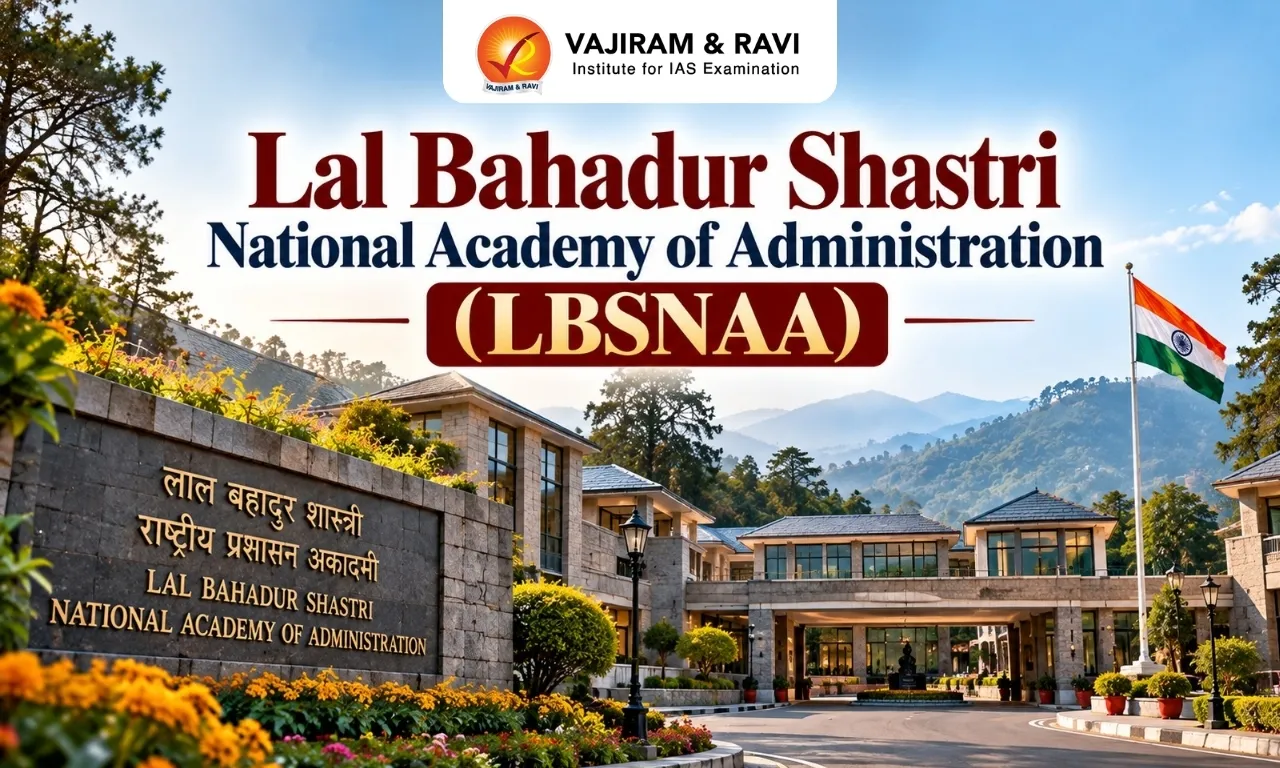
The Lal Bahadur Shastri National Academy of Administration (LBSNAA) in Mussoorie is the principal institution for IAS professional training. The training process combines classroom learning, administrative instruction, field exposure, and practical experience to prepare officers for public service.
The major components include:
- Foundation Course: Introduces officer trainees to public administration, governance, and the broader civil services.
- IAS Professional Course, Phase I: Develops knowledge of administration, law, economics, management, and government systems.
- District Training: Provides practical exposure to district administration, government departments, public service delivery, and field-level responsibilities.
- IAS Professional Course, Phase II: Allows officer trainees to reflect on their field experiences and strengthen their administrative understanding.
IAS Officer Salary
The salary of an IAS officer depends on the applicable pay matrix, level of seniority, posting, and admissible allowances. Under the Seventh Central Pay Commission pay matrix, the entry-level basic pay is ₹56,100 per month, excluding applicable allowances.
The overall salary package may include:
- Basic pay: Determined by the applicable pay level and service progression.
- Dearness Allowance (DA): Payable according to the applicable government rates.
- House Rent Allowance (HRA): Admissible according to the applicable rules and accommodation arrangements.
- Transport Allowance: Payable where applicable under the relevant rules.
- Other admissible benefits: Benefits and facilities depend on the officer's position, posting, and government regulations.
Career Growth of an IAS Officer
IAS officers can progress to senior administrative positions through service, experience, eligibility, and the applicable promotion and appointment procedures. Career progression is not identical for every officer and depends on several administrative factors.
- Early career: Officers complete prescribed training and undertake initial field or departmental assignments.
- District-level administration: Officers may handle responsibilities involving subdivision administration, revenue management, and development coordination.
- Middle-level positions: With experience and subject to applicable rules, officers may supervise larger administrative units or take on departmental responsibilities.
- Senior state administration: Officers may be appointed to senior positions in state government departments, including Secretary-level roles.
- Central Government assignments: Eligible officers may serve in ministries and departments at the Union level through applicable appointment arrangements.
- Senior administrative leadership: Selected and eligible officers may reach positions such as Chief Secretary or Cabinet Secretary, subject to the relevant requirements and appointment procedures.
Importance of an IAS Officer in Indian Administration
IAS officers help connect government policies with their implementation on the ground. Their work influences the functioning of public institutions, the delivery of welfare programmes, and the management of administrative priorities.
- Effective governance: Improving coordination between departments and administrative units.
- Public welfare: Helping ensure that eligible citizens can access government schemes and services.
- Local development: Monitoring infrastructure, education, healthcare, sanitation, and other development priorities.
- Disaster preparedness: Coordinating administrative action during emergencies and supporting relief and rehabilitation.
- Administrative accountability: Reviewing performance, addressing grievances, and ensuring compliance with applicable rules.
- Policy implementation: Translating approved government decisions into practical administrative action.
- Efficient resource use: Monitoring public expenditure and supporting the effective use of government funds and infrastructure.

 Last updated on Oct, 2026
→ UPSC 2027 Notification will be released on 13 January 2027 at upsconline.nic.in.
→ Check Nobel Prize 2026 Winners List here.
→ Download PIB PRiSM Monthly Magazine 2026 here.
→ Check UPSC Monthly Current Affairs Magazine The Recitals here.
→ Check out the latest UPSC Syllabus here.
→ Download UPSC Model Answers for Mains 2026
→ UPSC Mains Question Paper 2026 is out now for Essay & GS Paper 1, 2, 3 & 4.
→ UPSC Calendar 2027 has been released.
→ Enroll in Vajiram & Ravi’s UPSC Mains Test Series 2027 for structured answer writing practice, expert evaluation, and exam-oriented feedback.
→ Join Vajiram & Ravi’s UPSC Mentorship Program 2027 for personalized guidance, strategy planning, and one-to-one support from experienced mentors.
→ Go through the UPSC Mains Previous Year Papers to enhance your preparation.
→ UPSC has released UPSC Toppers List 2025 with the Civil Services final result on its official website.
→ Also check Best UPSC Coaching in India
IAS Officer FAQs
Q1. What is an IAS officer?+
Q2. What are the main duties of an IAS officer?+
Q3. What powers does an IAS officer have?+
Q4. What is the salary of an IAS officer?+
Q5. What is the first posting of an IAS officer?+
Q6. Can an IAS officer work in the Central Government?+
Q7. Does an IAS officer maintain law and order?+
Tags: ias officer