The Nobel Prize 2026 recognises outstanding contributions that have advanced human knowledge, scientific discovery, literature, peace and economic understanding. The six prize categories cover Physics, Chemistry, Physiology or Medicine, Literature, Peace, and Economic Sciences. The Nobel Prize 2026 laureates have been recognised for research on light-sensitive ion channels and optogenetics, the discovery of high-energy astrophysical neutrinos, advances in asymmetric organic synthesis, innovative literary expression, international law and peace, and macroeconomic stabilisation.
Among the notable recipients of the Nobel Prize 2026 is Navi Pillay, a South African jurist of Indian Tamil origin, recognised for her efforts to promote peace and international law. The Nobel Prize remains a globally significant honour, highlighting achievements that contribute to scientific progress, human rights and the betterment of society.
Nobel Prize Meaning
The Nobel Prize is an international award established through Alfred Nobel’s will to recognise outstanding contributions to science, literature and peace that benefit humanity.
- Alfred Nobel was a Swedish inventor, engineer and entrepreneur whose will, signed in 1895, provided for prizes recognising exceptional achievements. The first Nobel Prizes were presented in 1901.
- The original awards covered Physics, Chemistry, Physiology or Medicine, Literature and Peace.
- In 1968, Sweden’s central bank established a separate award in economic sciences in memory of Nobel.
- Although this economics award is presented within the Nobel Prize framework, it was not one of the five categories specified in Nobel’s original will.
Nobel Prize 2026 Winners List
The Nobel Prize 2026 winners list was announced between 5 and 12 October, with each prize-awarding institution publishing the selected winners and the work recognised.
| Nobel Prize 2026 category | 2026 winner(s) | Research or contribution recognised |
|
Physiology or Medicine |
Karl Deisseroth, Peter Hegemann and Georg Nagel |
Discoveries concerning light-sensitive ion channels and optogenetics |
|
Physics |
Francis Halzen |
Contributions to the IceCube Neutrino Observatory and the discovery of high-energy neutrinos of astrophysical origin |
|
Chemistry |
Henri B. Kagan and Kenso Soai |
Non-linear effects and autocatalysis in asymmetric organic synthesis |
|
Literature |
Anne Carson |
Innovative literary work engaging with the classical tradition |
|
Peace |
Navanethem “Navi” Pillay |
Efforts to promote peace and international law |
|
Economic Sciences |
Robert E. Hall and Michael Woodford |
Microeconomic foundations of macroeconomic stabilisation |


Nobel Prize 2026 in Medicine
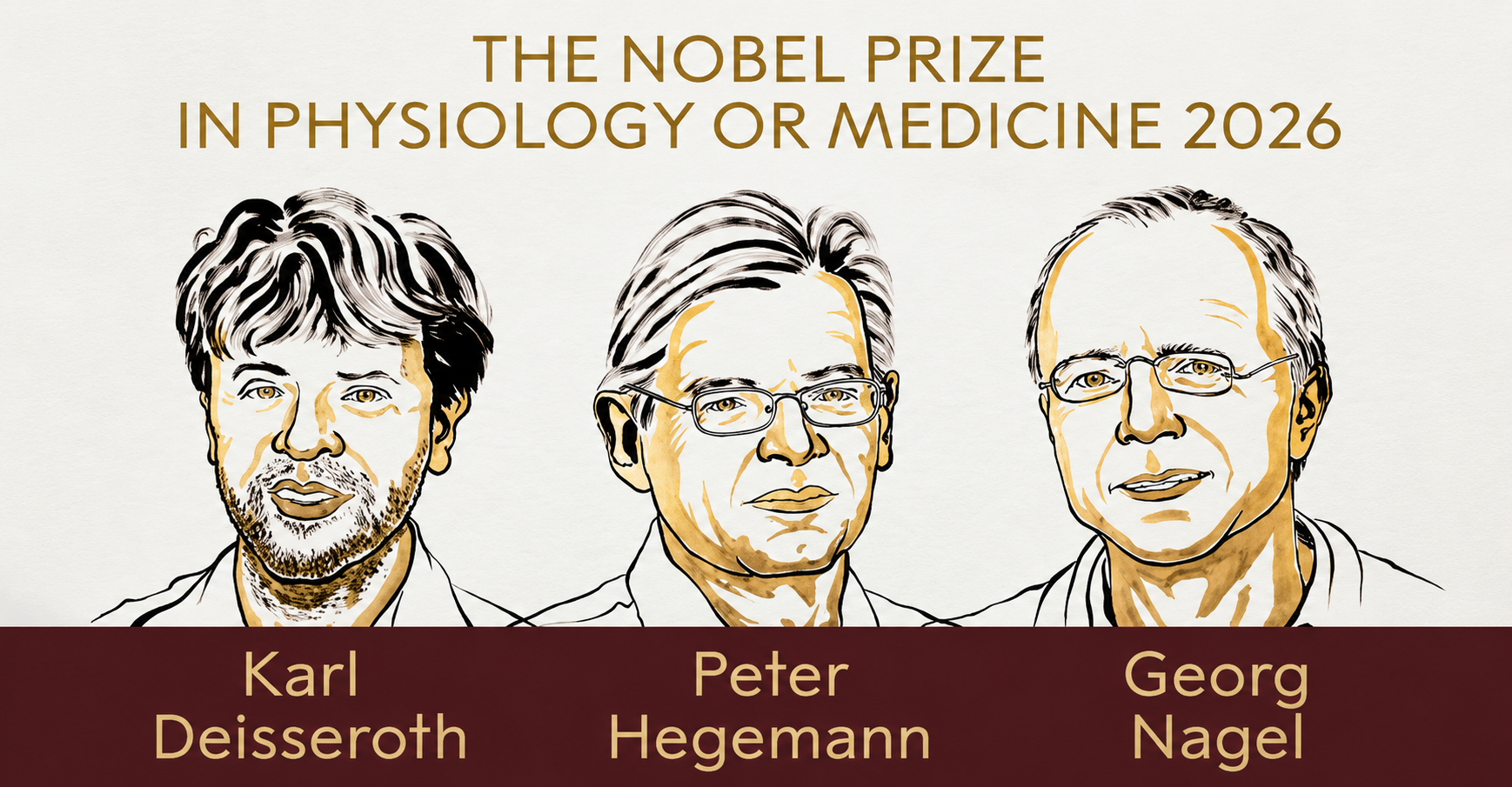
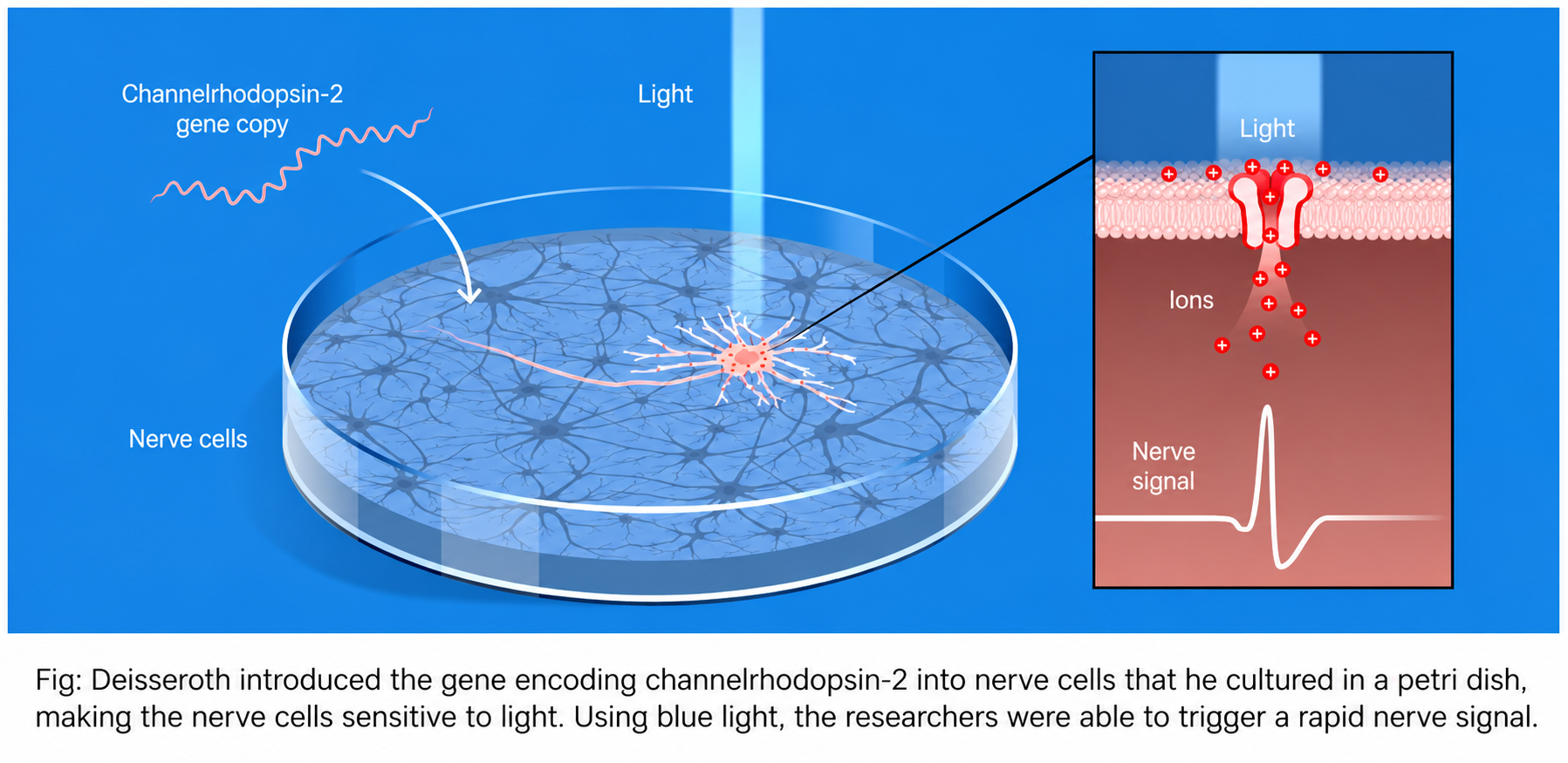
The Nobel Prize 2026 in Medicine recognises discoveries that made it possible to use light-sensitive proteins to control and investigate cellular activity, particularly in neuroscience and brain research. Winners are Karl Deisseroth, Peter Hegemann and Georg Nagel.
Research in Medicine 2026
- The Nobel Prize 2026 in medicine research contributed to the development of optogenetics, a scientific technique that uses light to control selected cells.
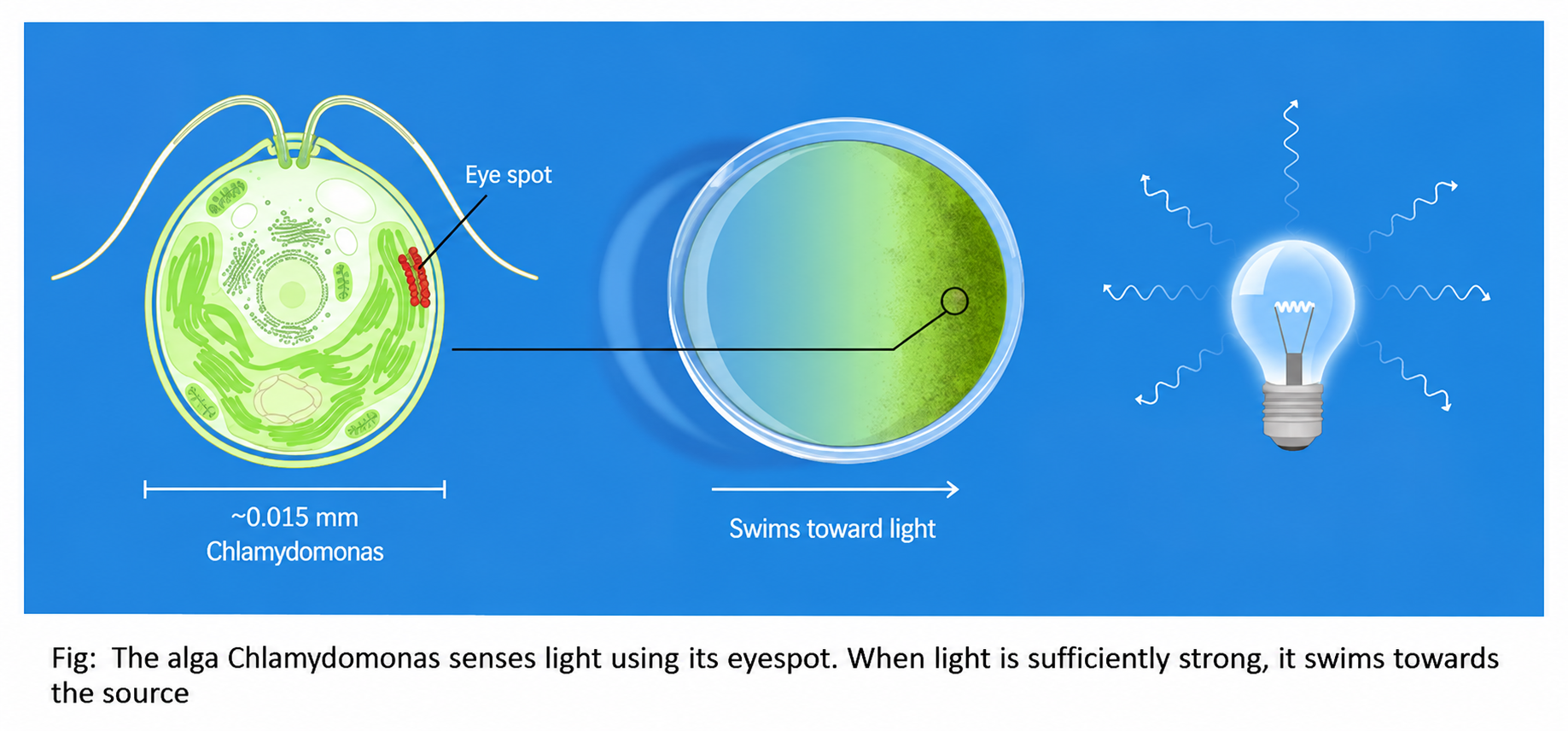
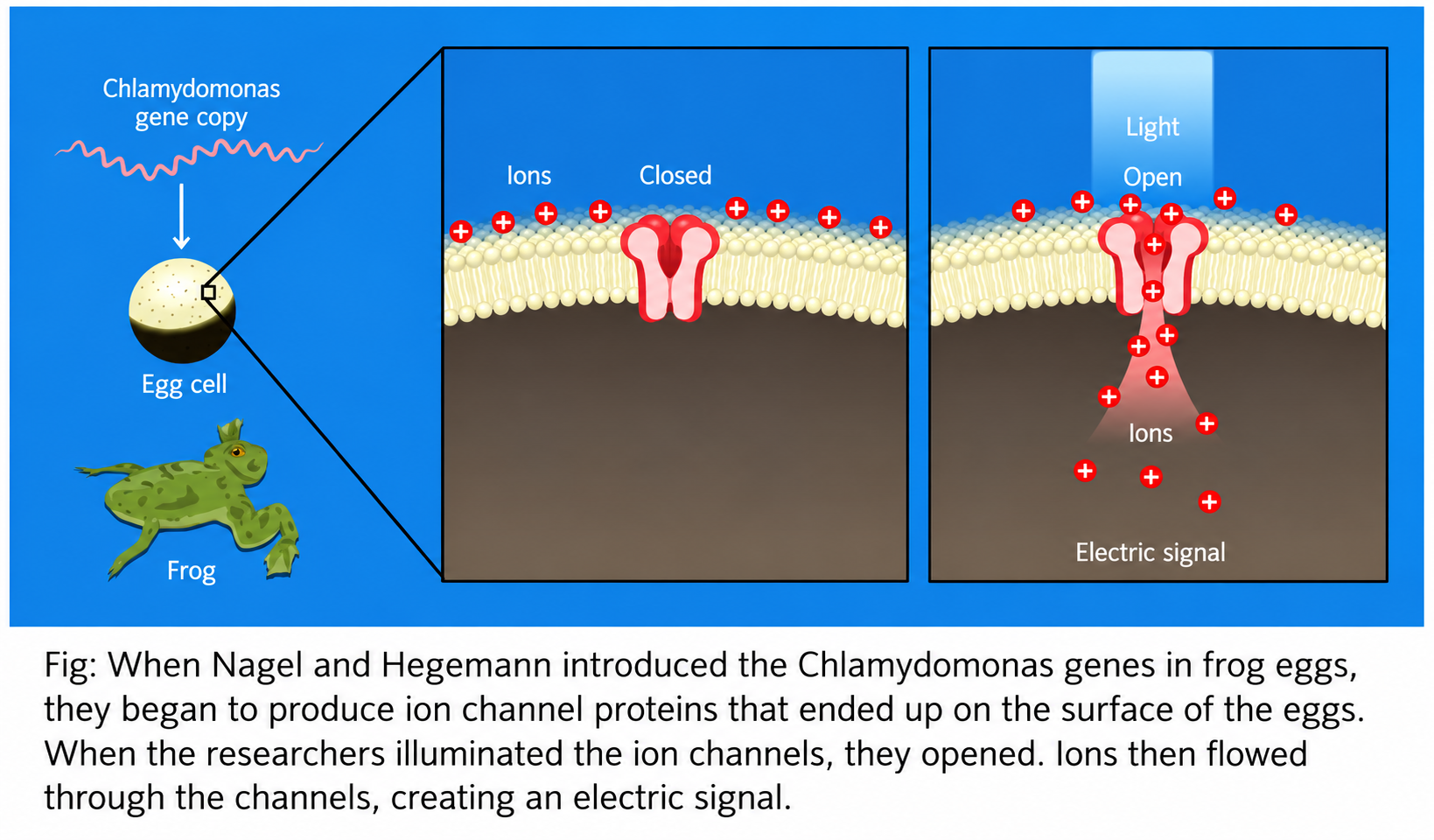
- The method relies on light-sensitive proteins, including channelrhodopsins discovered in microorganisms such as algae. When these proteins are introduced into cells, researchers can use specific wavelengths of light to influence cellular activity.
- Optogenetics has become especially useful in neuroscience because it lets researchers activate or inhibit specific groups of neurons and observe the effects.
- This helps scientists investigate how neural circuits contribute to behaviour, perception and other brain functions.
- The discovery matters because it offers a more precise way to study biological processes than methods that affect large groups of cells at once.
- It has also opened new possibilities for research into neurological disorders, although research applications should not be confused with established clinical treatments.
Nobel Prize 2026 in Physics
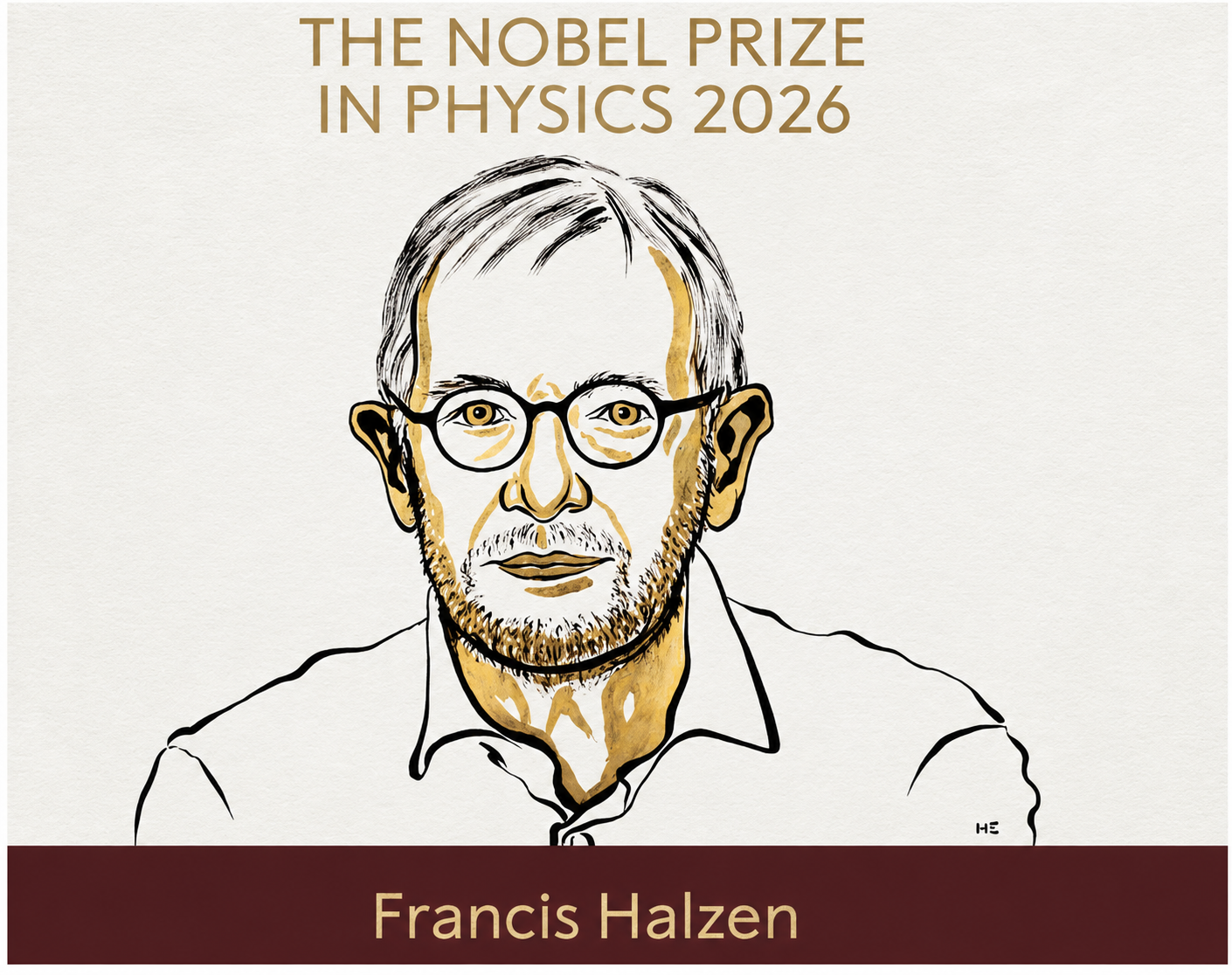
The Nobel Prize 2026 in Physics is awarded to Francis Halzen for his decisive contributions to the IceCube Neutrino Observatory and the discovery of high-energy neutrinos of astrophysical origin.
Research in Physics 2026
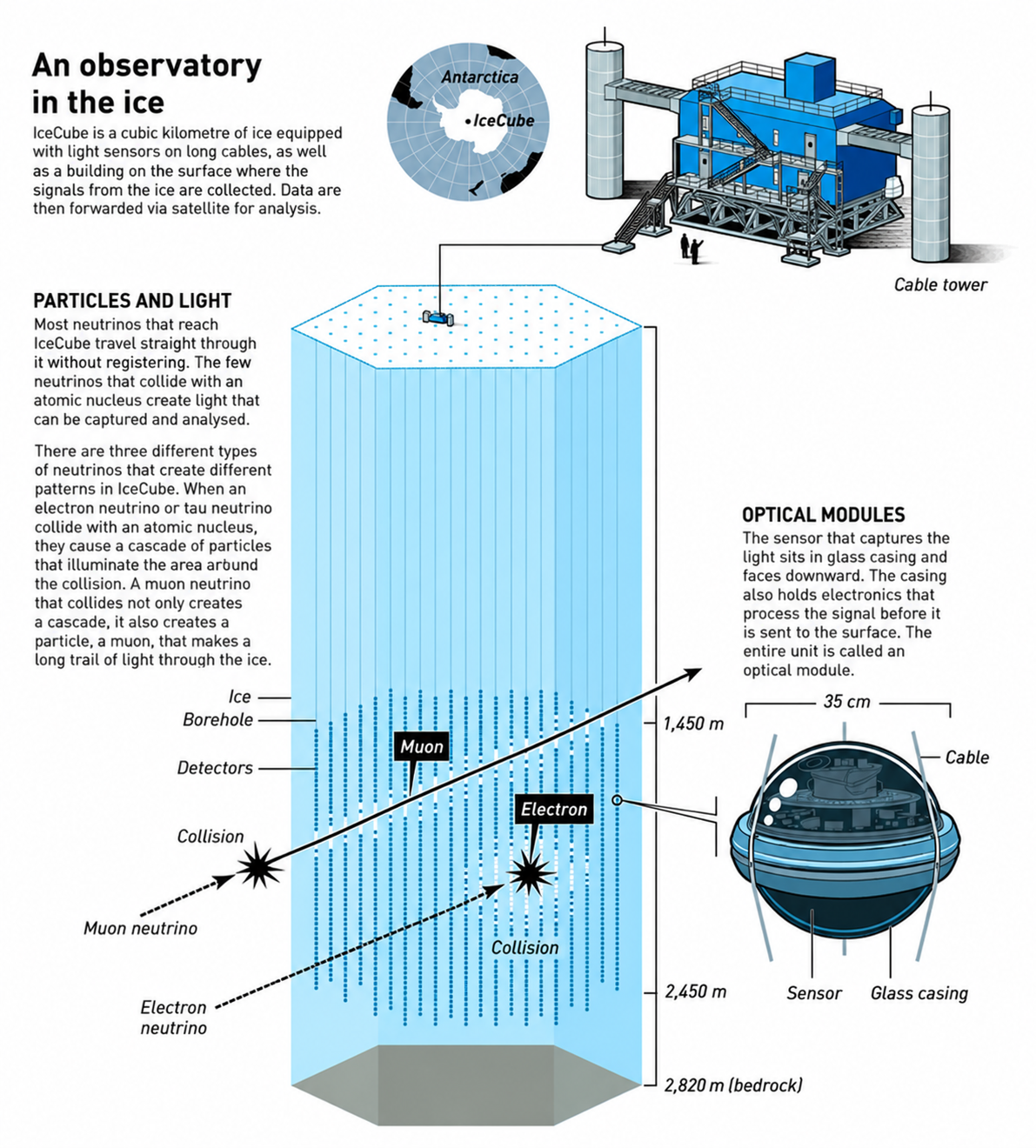
- Halzen made decisive contributions to the IceCube Neutrino Observatory, a large scientific facility built deep within the Antarctic ice near the South Pole.
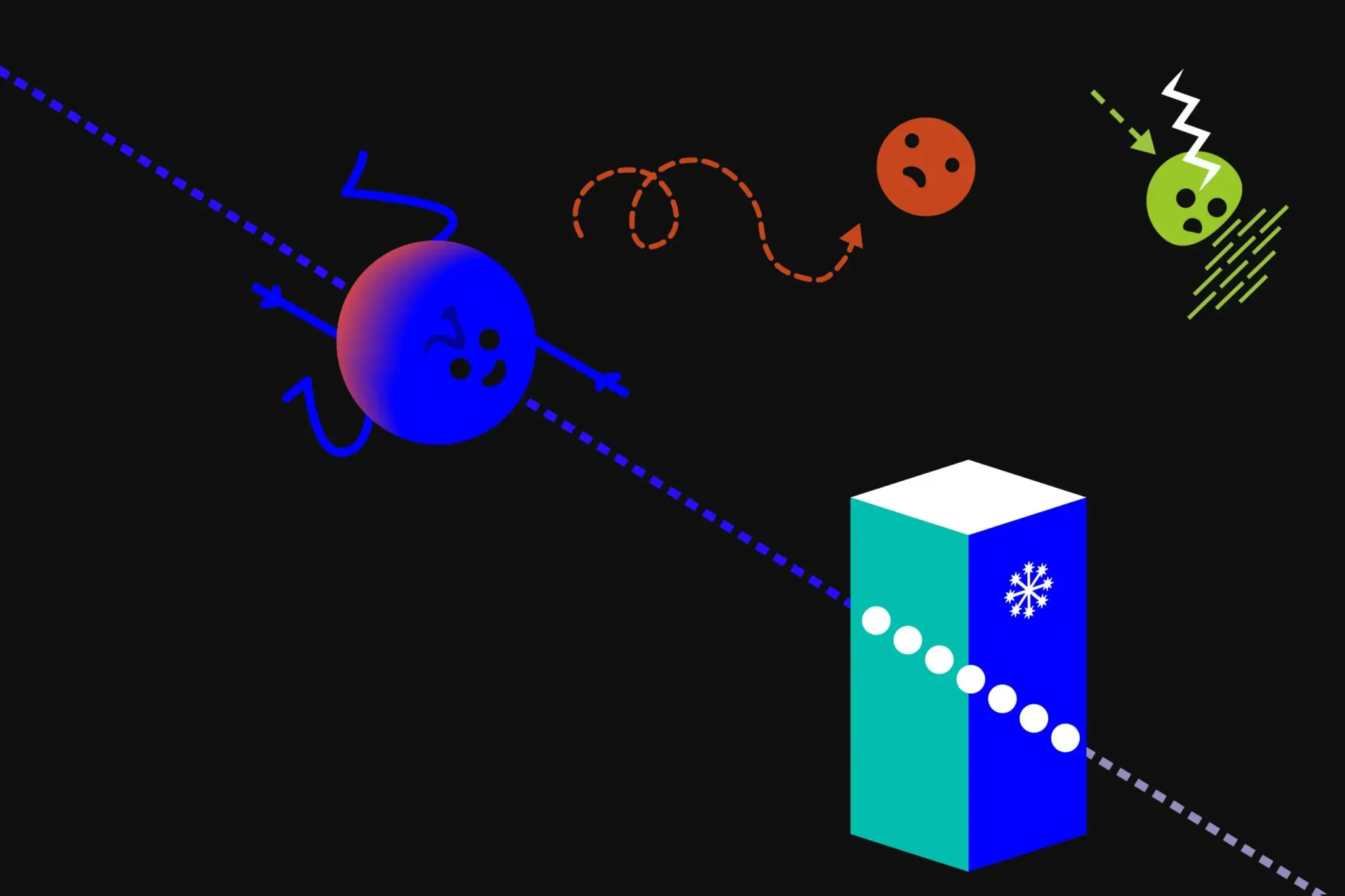
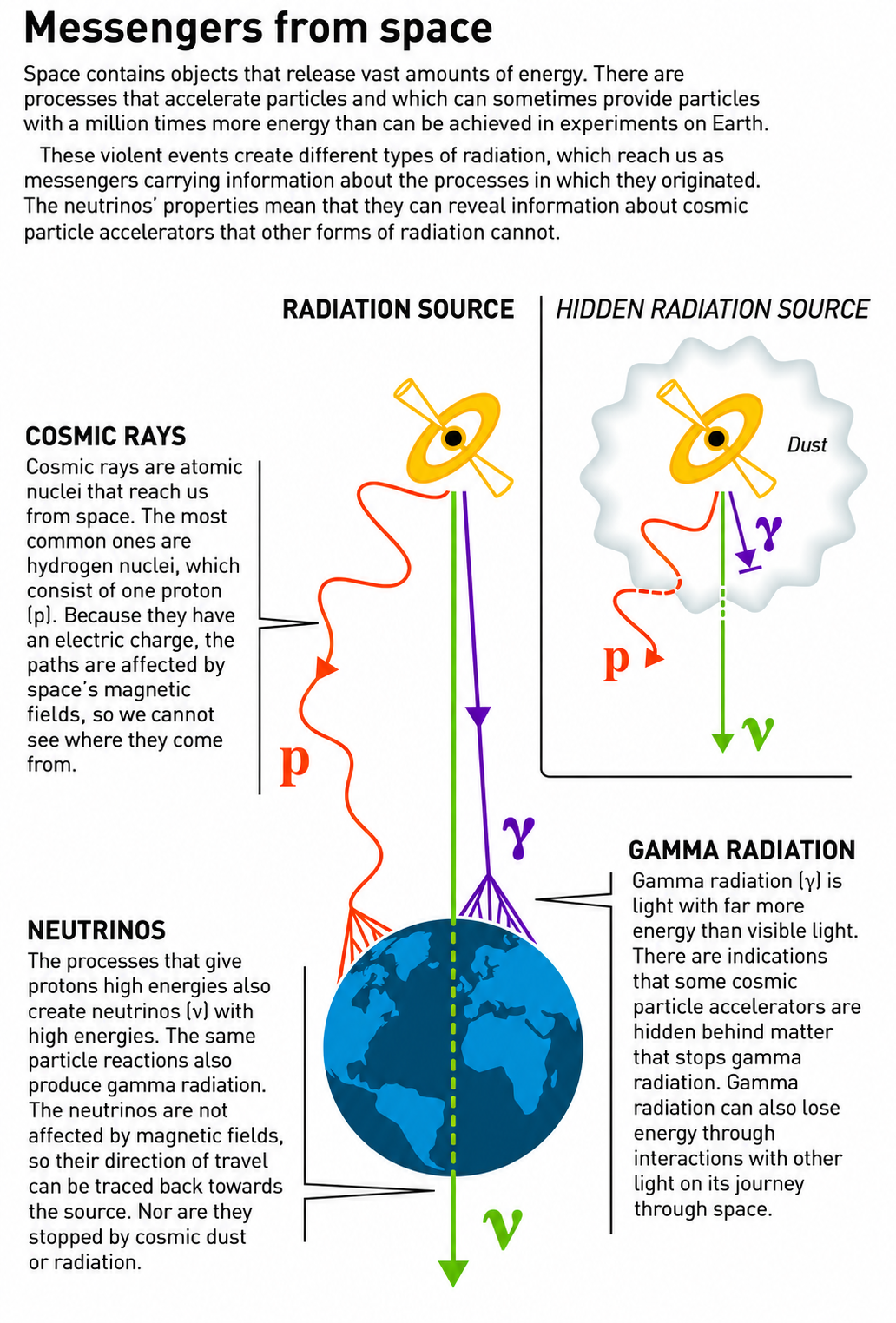
- The observatory is designed to detect neutrinos, subatomic particles that interact so weakly with matter that they can travel vast cosmic distances with relatively little disturbance.
- When a neutrino interacts with material near the detector, it can produce secondary charged particles that emit faint flashes of light.
- IceCube’s optical sensors detect these signals, allowing researchers to investigate the particles’ properties and possible astronomical origins.
- High-energy neutrinos are valuable because they can provide information about energetic cosmic processes that may be difficult to study using light alone.
- The research strengthens neutrino astronomy, an approach that complements conventional astronomical observations and helps scientists investigate the universe’s most extreme environments.
Nobel Prize 2026 Chemistry
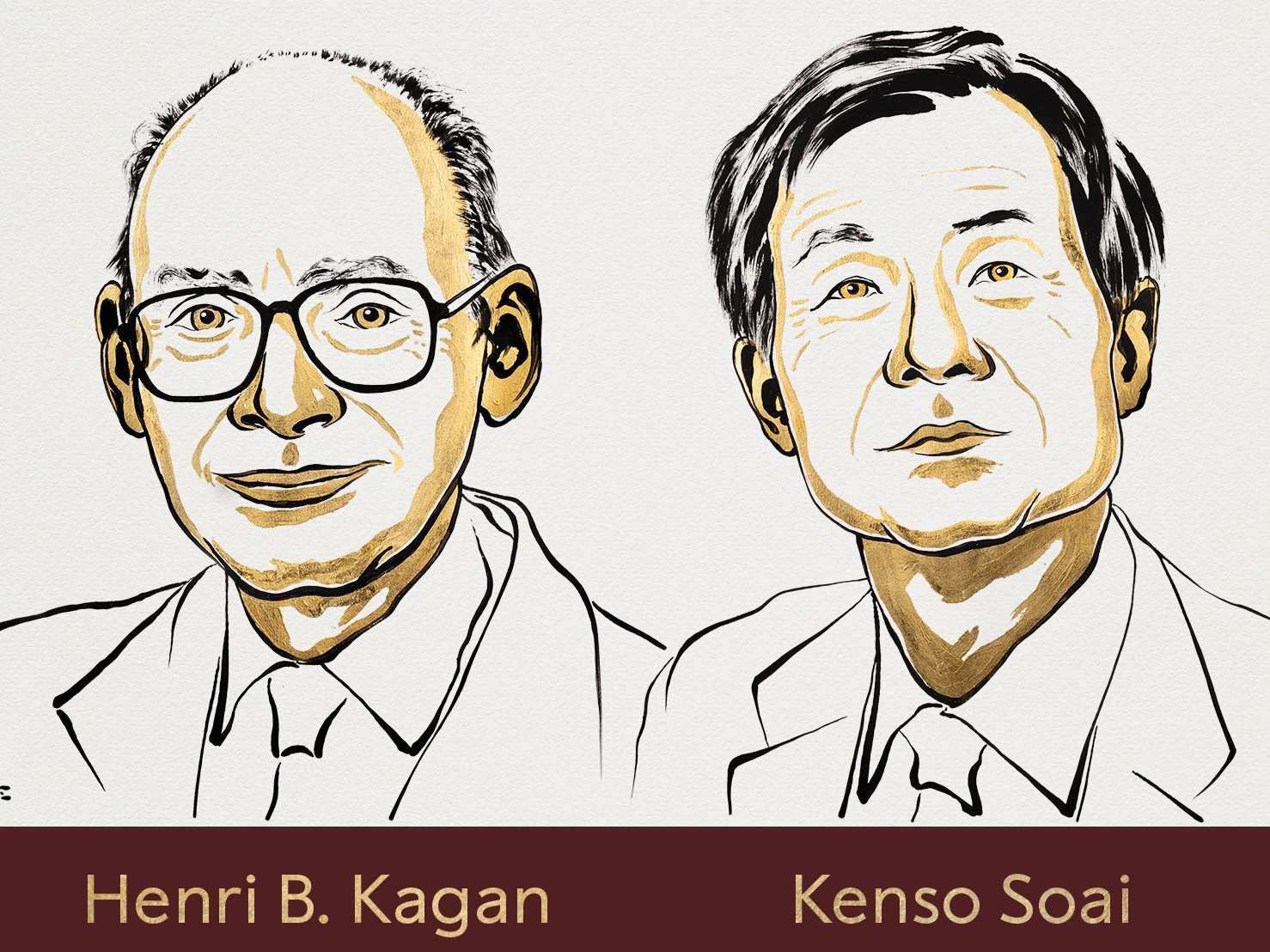
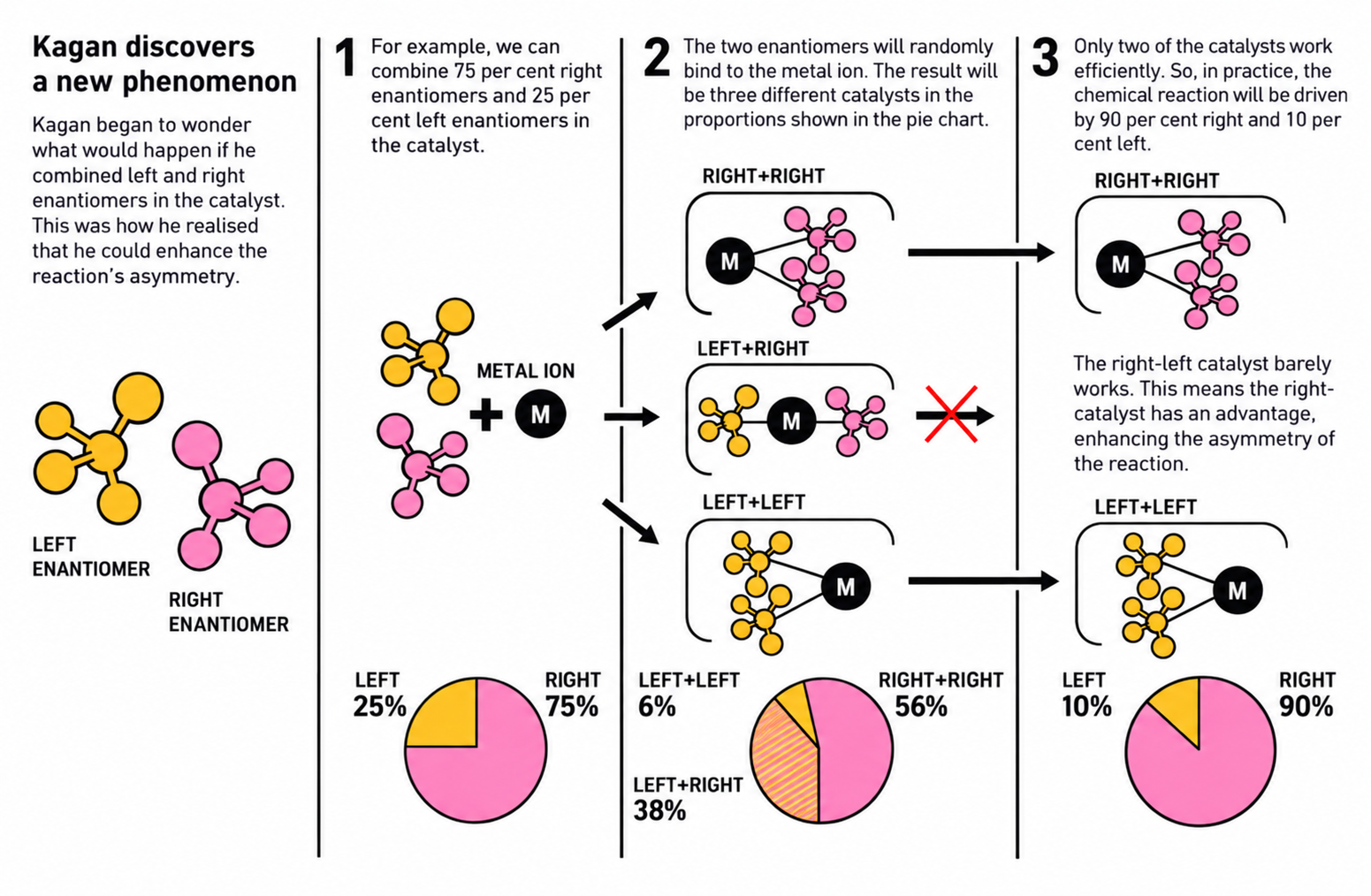
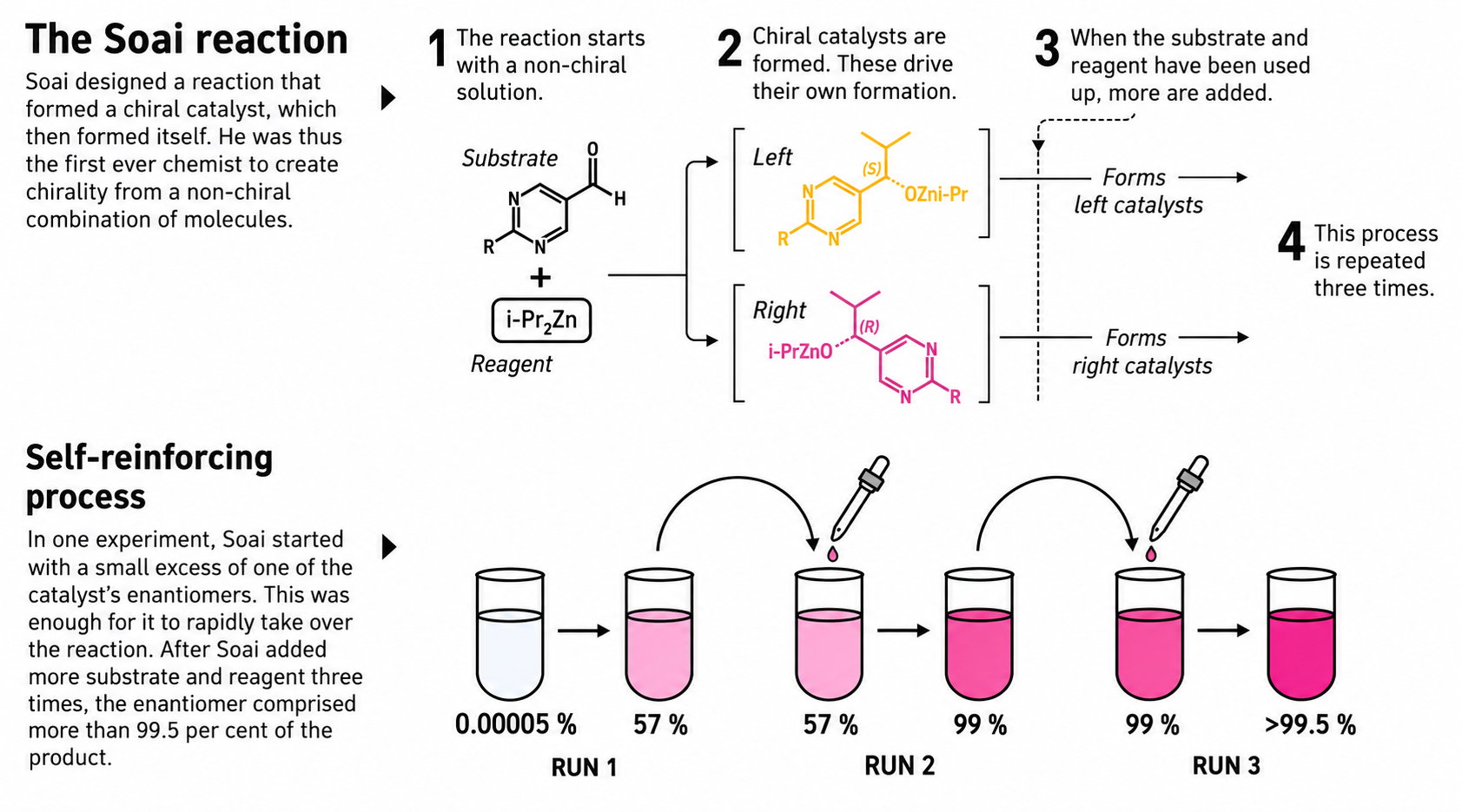
The Nobel Prize 2026 in Chemistry recognises discoveries about how chemical reactions can favour one mirror-image form of a molecule, advancing understanding of asymmetric organic synthesis. Winners are Henri B. Kagan and Kenso Soai.
Research In Chemistry 2026
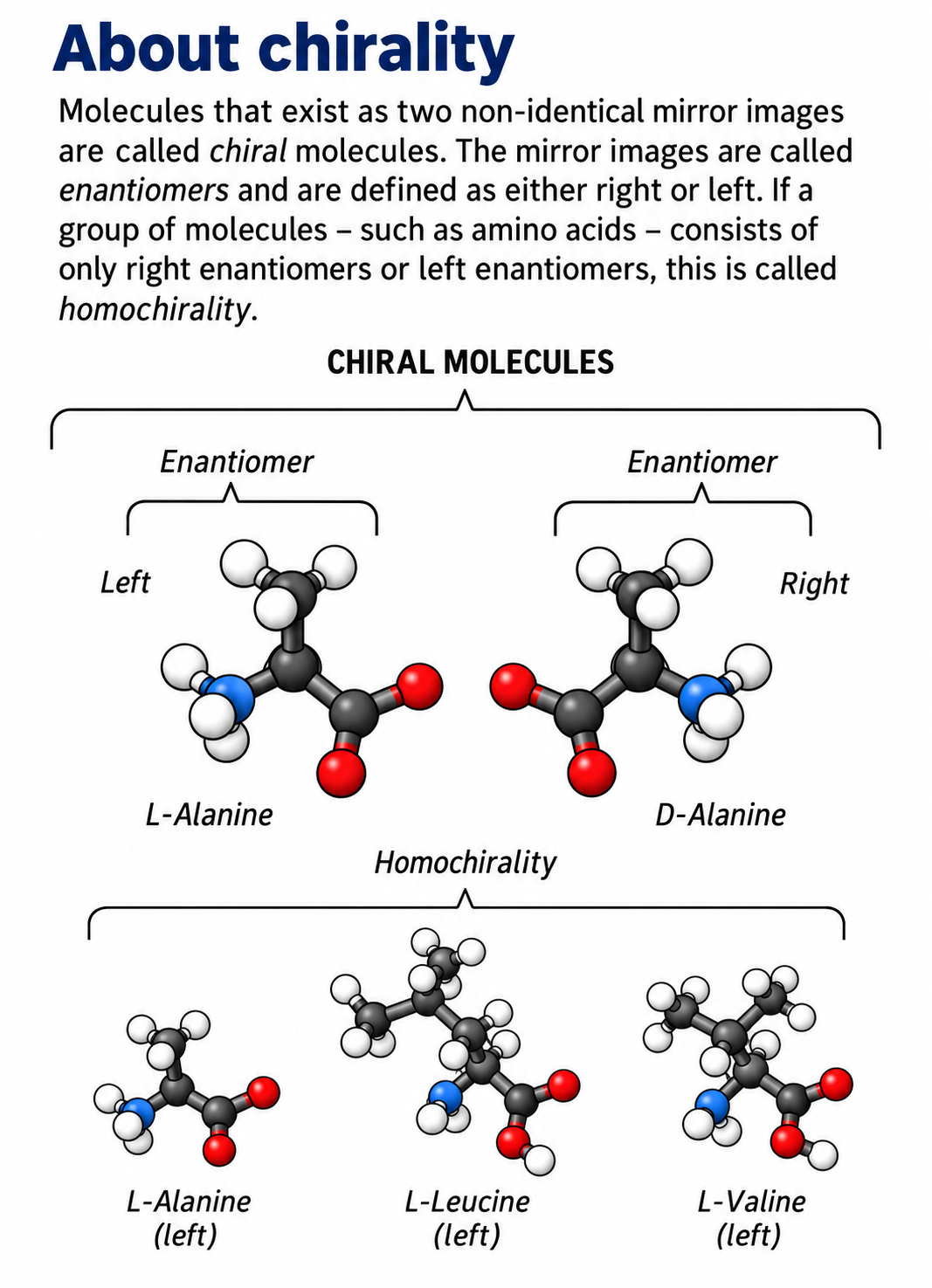
- Many molecules exist in two forms that are mirror images of one another, known as enantiomers. Although these forms contain the same atoms, their three-dimensional arrangements differ.
- This distinction can be crucial in biological systems, where two molecular forms may behave differently.
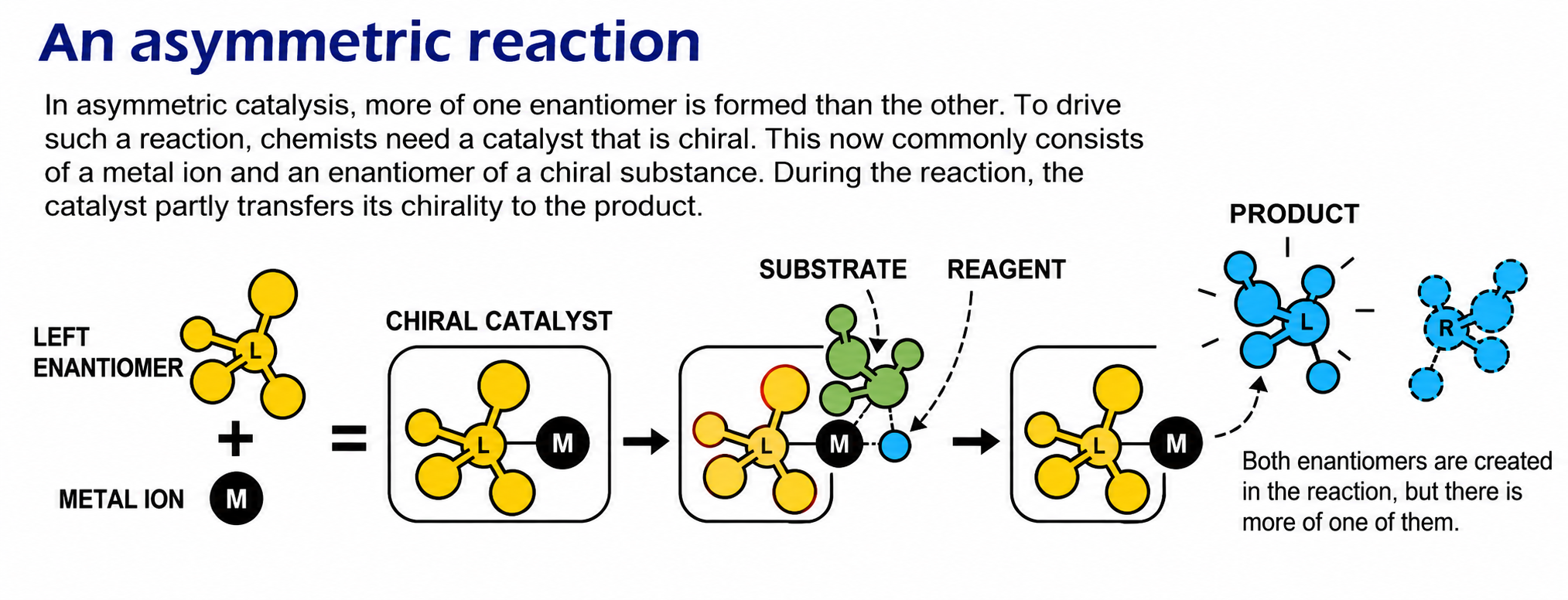
- Kagan’s work contributed to the development of asymmetric synthesis, a branch of chemistry concerned with producing a preferred molecular form.
- Soai’s research demonstrated important effects involving autocatalysis, in which a reaction product helps promote further formation of the same type of product.
- Their work on non-linear effects and asymmetric organic synthesis helps explain how small differences in molecular composition or reaction conditions can be amplified.
- Such insights are important for understanding chemical chirality and developing methods for producing compounds with specific three-dimensional structures, including compounds relevant to pharmaceuticals and other chemical applications.
Nobel Prize 2026 in Literature
The Nobel Prize in Literature recognises a distinctive body of writing that brings classical traditions into conversation with modern experience through innovative literary forms. The Nobel Prize in Literature 2026 is awarded to Anne Carson, a Canadian poet, essayist, translator and classicist, for her bold and inventive oeuvre that, in playful dialogue with the classical tradition, has created new forms for contemporary literature.

- Carson’s writing combines poetry, prose, translation, literary criticism and classical scholarship.
- Her work often revisits ancient Greek literature while exploring themes such as identity, memory, grief, desire and human relationships.
- Rather than reproducing classical texts in conventional forms, Carson reinterprets their ideas through experimental structures and contemporary language.
- Her work frequently moves between genres, questioning the boundary between creative writing and academic interpretation.
- Her books include Autobiography of Red, a work that reimagines a figure from Greek mythology, and The Beauty of the Husband, which combines poetic writing with reflections on relationships and betrayal.
- Her wider body of work demonstrates how ancient literary traditions can continue to inspire new approaches to contemporary writing.
Selected Works by Anne Carson
- Eros the Bittersweet: An Essay
- Plainwater: Essays and Poetry
- Autobiography of Red: A Novel in Verse
- Economy of the Unlost
- The Beauty of the Husband: A Fictional Essay in 29 Tangos
- Wrong Norma
- The Gender of Sound
Nobel Peace Prize 2026
The 2026 Nobel Peace Prize recognises Navi Pillay’s efforts to promote peace and international law, drawing attention to her decades-long work in human rights and international justice. The winner is Navanethem “Navi” Pillay, a South African jurist and former United Nations High Commissioner for Human Rights.

- Pillay’s career spans the anti-apartheid struggle in South Africa, international criminal tribunals and senior United Nations human rights leadership.
- Her work has focused on legal accountability, equality, protection from discrimination and the prosecution of serious international crimes.
- Her recognition is significant because it highlights the role of law and credible institutions in responding to grave abuses.
- Accountability for genocide, crimes against humanity and other serious violations can contribute to lasting peace by challenging impunity and reinforcing legal standards.
- The following sections explain her background, landmark judicial contributions and role in international human rights.
Navi Pillay’s Contribution to World Peace
- Navi Pillay’s Role at the International Criminal Court: Pillay’s appointment to the International Criminal Court extended her work in international justice, bringing her experience from national courts and the Rwanda tribunal to a permanent international institution.
- In 2003, Pillay became a judge of the International Criminal Court (ICC), based in The Hague, Netherlands. She served until 2008, when she took up her position as UN High Commissioner for Human Rights.
- Navi Pillay as UN High Commissioner for Human Rights: As UN High Commissioner for Human Rights from 2008 to 2014, Pillay led international efforts to promote human rights standards, address discrimination and strengthen accountability for violations.
Nobel Prize 2026 in Economic Sciences
The Nobel Prize 2026 in Economics recognises research showing how individual decisions by households and businesses can improve models used to understand economic fluctuations and stabilisation policies. Winners are Robert E. Hall and Michael Woodford.

- Their work concerns the microeconomic foundations of macroeconomic stabilisation. Macroeconomics studies the economy as a whole, including inflation, output, employment and economic growth.
- Microeconomics examines how individuals and businesses make decisions and respond to incentives.
- Economic models built on these individual decisions can help policymakers understand how households and firms react to changes in interest rates, prices and expectations.
- Such models are relevant when central banks and governments try to manage recessions, inflationary pressures and other economic disruptions.
- The research is important because effective stabilisation policy requires more than observing statistical relationships between economic indicators.
- Policymakers also need to understand the behaviour that drives those indicators and how policy decisions may change that behaviour.

 Last updated on Oct, 2026
→ UPSC 2027 Notification will be released on 13 January 2027 at upsconline.nic.in.
→ Check Nobel Prize 2026 Winners List here.
→ Download PIB PRiSM Monthly Magazine 2026 here.
→ Check UPSC Monthly Current Affairs Magazine The Recitals here.
→ Check out the latest UPSC Syllabus here.
→ Download UPSC Model Answers for Mains 2026
→ UPSC Mains Question Paper 2026 is out now for Essay & GS Paper 1, 2, 3 & 4.
→ UPSC Calendar 2027 has been released.
→ Enroll in Vajiram & Ravi’s UPSC Mains Test Series 2027 for structured answer writing practice, expert evaluation, and exam-oriented feedback.
→ Join Vajiram & Ravi’s UPSC Mentorship Program 2027 for personalized guidance, strategy planning, and one-to-one support from experienced mentors.
→ Go through the UPSC Mains Previous Year Papers to enhance your preparation.
→ UPSC has released UPSC Toppers List 2025 with the Civil Services final result on its official website.
→ Also check Best UPSC Coaching in India
Nobel Prize 2026 FAQs
Q1. What are the six Nobel Prize categories in 2026?+
Q2. Who won the Nobel Peace Prize 2026?+
Q3. Who is Navi Pillay?+
Q4. When were the Nobel Prizes established?+
Q5. Is Trump nominated for the 2026 Nobel Prize?+
Tags: nobel prize 2026 quest UPSC Science and Technology Notes