Vajiram and Ravi provide Current Affairs of 31 October 2025 for UPSC aspirants. We cover all relevant news and important events crucial for the exam, helping you stay updated and well prepared.
The Daily UPSC Quiz by Vajiram & Ravi is a thoughtfully curated initiative designed to support UPSC aspirants in strengthening their current affairs knowledge and core conceptual understanding. Aligned with the UPSC Syllabus 2025, this daily quiz serves as a revision resource, helping candidates assess their preparation, revise key topics, and stay updated with relevant issues. Whether you are preparing for Prelims or sharpening your revision for Mains, consistent practice with these Daily UPSC Quiz can significantly enhance accuracy, speed, and confidence in solving exam-level questions.
[WpProQuiz 11]
UPSC Daily Quiz FAQs
Q1: What is the Daily UPSC Quiz?
Ans: The Daily UPSC Quiz is a set of practice questions based on current affairs, static subjects, and PYQs that help aspirants enhance retention and test conceptual clarity regularly.
Q2: How is the Daily Quiz useful for UPSC preparation?
Ans: Daily quizzes support learning, help in revision, improve time management, and boost accuracy for both UPSC Prelims and Mains through consistent practice.
Q3: Are the quiz questions based on the UPSC syllabus?
Ans: Yes, all questions are aligned with the UPSC Syllabus 2025, covering key areas like Polity, Economy, Environment, History, Geography, and Current Affairs.
Q4: Are solutions and explanations provided with the quiz?
Ans: Yes, each quiz includes detailed explanations and source references to enhance conceptual understanding and enable self-assessment.
Q5: Is the Daily UPSC Quiz suitable for both Prelims and Mains?
Ans: Primarily focused on Prelims (MCQ format), but it also indirectly helps in Mains by strengthening subject knowledge and factual clarity.
The Global Virus Network (GVN) has expanded its international coalition by incorporating three distinguished Centers of Excellence located in the Americas, broadening its capacity to address pressing viral threats on a global scale.
About Global Virus Network (GVN)
It is a voluntary consortium of virology laboratories and affiliated scientists that seek to prevent and control global viral threats.
It represents more than 25 countries and includes experts in every class of virus-causing disease in humans.
No single institution in the world has expertise in all viral areas.
GVN brings the best medical virologists together to leverage individual strengths and to focus global teams of scientists on key scientific problems.
The power of GVN lies in its global reach, the depth of its science, and its commitment to solving viral challenges facing the human population.
A team at the Postgraduate Institute of Medical Education and Research (PGIMER), Chandigarh, has reported a significant rise in infections caused by a lesser-known bacterium Bordetella holmesii that mimics whooping cough in north India.
About Bordetella holmesii
It is a bacterium recently recognized in 1995.
It is a gram-negative coccobacillus that can cause pertussis-like symptoms in humans as well as invasive infections.
It can cause endocarditis, community acquired pneumonia, cellulitis, suppurative arthritis, and pyelonephritis.
Researchers discovered that nearly 37 per cent of infections in North India were caused by Bordetella holmesii (bacterium), surpassing the number of infections from Bordetella pertussis.
What is Whooping cough?
It is also known as pertussis.
It is a highly contagious infection which impacts the respiratory tract and is caused by Bordetella pertussis bacteria.
It gets its name from the “whooping” sound which the patient experiences while coughing.
It is particularly severe in infants and in case of complications may lead to pneumonia and even death.
Treatment: Diphtheria, tetanus, and pertussis (DTaP) vaccines.
Transmission of Whooping Cough
A person catches this bacteria via droplets when an infected person coughs or sneezes.
It attaches itself to the throat lining and then produces toxins which damage hair-like projections which clear debris and mucus.
This leads to inflammation in the airways and causes severe coughing fits.
Symptoms of Whooping Cough
It begins with cold-like symptoms accompanied with low-grade fever. As it progresses, coughs get accompanied with a “whooping” sound.
The UDAN (Ude Desh ka Aam Nagrik) Scheme is one of the most significant initiatives by the Government of India to enhance regional air connectivity and make air travel affordable for the common citizen. Launched in 2016 under the National Civil Aviation Policy (NCAP), it seeks to connect unserved and underserved airports across the country through a viability gap funding (VGF) model. By making air travel accessible, UDAN contributes to balanced regional growth, economic integration, and improved infrastructure in remote areas.
UDAN Scheme
Since its inception, the UDAN Scheme has been a landmark reform in India’s civil aviation sector. Its goal is to connect Tier-2 and Tier-3 cities through affordable flights while ensuring that airlines can sustain operations through Viability Gap Funding (VGF) support. This has encouraged carriers to operate flights to regions previously left off the aviation map. This large-scale development has not only improved connectivity but also promoted tourism, trade, healthcare access, and job creation across smaller towns and remote regions.
UDAN Scheme Components
The UDAN scheme functions through a combination of financial assistance, fare caps, and multi-level collaboration among stakeholders. Major Components:
Viability Gap Funding (VGF): Airlines receive financial support to keep fares affordable for passengers.
Airfare Cap: Fares are capped to ensure affordability for common citizens.
Collaborative Governance: The scheme operates through cooperation between the Central Government, State Governments, Airport Authority of India (AAI), and private airport operators.
Stakeholder Incentives:
Airport Operators: Waive landing, parking, and Terminal Navigation Landing Charges (TNLC) for RCS flights.
Central Government: Limits excise duty on Aviation Turbine Fuel (ATF) to 2% for RCS airports.
State Governments: Reduce VAT on ATF to 1% or less for 10 years and provide essential airport services at lower costs.
UDAN Scheme Phases (2016-2025)
The UDAN scheme has undergone several phases, each improving and expanding its scope. Through these phases, UDAN has built a resilient aviation network, connecting remote regions like the Northeast, Ladakh, and island territories.
UDAN 1.0 (2017)
Launch: First flight Shimla-Delhi (April 27, 2017).
Coverage: 5 airlines awarded 128 routes across 70 airports, including 36 new airports.
UDAN 2.0 (2018)
Expanded to 73 underserved airports and included helipads for the first time.
UDAN 3.0 (2019)
Introduced Tourism Routes and Seaplane operations.
Brought many North-Eastern routes under coverage.
UDAN 4.0 (2020)
Focused on hilly, island, and border regions, strengthening helicopter and seaplane services.
UDAN 5.0 Series (2023-2025)
A major reform phase to make operations faster and more efficient.
UDAN 5.0 (April 2023): Removed the 600 km distance cap and emphasized faster commencement of flights.
UDAN 5.1 (May 2023): Strengthened helicopter connectivity in remote regions.
UDAN 5.2 (July 2023): Supported small aircraft operations (<20 seats) for last-mile connectivity.
UDAN 5.5 (2025): Invited bids for 50+ water bodies, enhancing multimodal transport through seaplanes.
UDAN Scheme Developments
The key innovations and future aspects of development under the UDAN Scheme has been discussed below as per the data released through official sources:
UDAN Yatri Cafes: To make air travel more inclusive, UDAN Yatri Cafes were launched at Kolkata and Chennai airports. They provide quality meals at nominal prices, tea for ₹10 and samosas for ₹20, enhancing passenger comfort.
Seaplane Operations: Introduced to boost last-mile connectivity and regional tourism, seaplane guidelines were released on August 22, 2024, ensuring operational and safety standards.
Revamped UDAN Initiative: A revamped version of UDAN aims to add 120 new destinations and provide affordable flights to 4 crore new passengers over the next decade. Priority will be given to remote, hilly, and aspirational districts, especially in the North Eastern region.
Krishi UDAN Scheme: Launched to support farmers by improving the air transport of perishable agricultural produce. Covering 58 airports (including 25 priority airports), the scheme connects farmers in remote areas to national and global markets.
Airport Infrastructure Development: The government plans to build 50 new airports in the next five years, including new greenfield airports in Bihar, expansion of Patna Airport, and a brownfield airport at Bihta. This aims to cater to the rising air travel demand and enhance regional development.
UDAN Scheme Achievements (2016-2025)
These achievements showcase how UDAN has turned India into one of the world’s fastest-growing aviation markets while strengthening regional economies.
625 routes operationalized, covering 90 airports (including 15 heliports and 2 water aerodromes).
3 lakh UDAN flights operated nationwide.
Over 1.49 crore passengers benefited from affordable fares.
102 new routes launched in 2024, including 20 in the Northeast region.
₹4,023.37 crore disbursed as Viability Gap Funding by March 2025.
Enhanced air connectivity to Khajuraho, Amritsar, Ajmer, Deoghar, and Northeast India.
Supported growth of regional airlines like Flybig, Star Air, IndiaOne Air, and Fly91.
UDAN Scheme Impact
The UDAN Scheme has been instrumental in transforming smaller cities into aviation hubs. By linking regions like the Northeast, Jammu and Kashmir, Himachal Pradesh, and the Andaman Islands, it has improved- Tourism and hospitality opportunities, Healthcare access through faster connectivity, Regional trade and logistics and Employment generation in aviation and ancillary sectors. It has bridged the gap between urban and rural India, ensuring that development is not limited to metros.
Tourism Development: Made it easier for people to visit remote and historic sites.
Better Healthcare Access: Allowed faster travel for patients to big hospitals.
Job Opportunities: Created jobs in airports, tourism, and transport sectors.
Balanced Development: Reduced the gap between cities and villages by improving connectivity.
UDAN Scheme UPSC
As of October 2025, the scheme has entered into its 9th year since commencement. In the Union Budget 2025-26, the government allocated Rs 540 crore for the UDAN scheme, 32% less than last year. Air travel in India, once seen as a luxury, has now become a part of everyday life for millions. This transformation is the result of the Government of India’s Regional Connectivity Scheme (RCS)- UDAN (“Ude Desh ka Aam Nagrik”), launched on 21 October 2016. The vision, inspired by Prime Minister Shri Narendra Modi’s dream that even a person wearing hawai chappal should fly in a hawai jahaz, has democratized Indian aviation. The scheme, implemented by the Ministry of Civil Aviation (MoCA), aims to make flying affordable, accessible, and widespread across India’s smaller cities and towns. The first UDAN flight was launched on 27 April 2017, connecting Shimla and Delhi, marking a major milestone in India’s aviation history. As of April 2025, UDAN has completed eight successful years, establishing itself as a symbol of inclusive growth and regional connectivity.
UDAN Scheme FAQs
Q1: What is the UDAN Scheme?
Ans: UDAN (Ude Desh ka Aam Nagrik) is a government program started in 2016 to make air travel affordable for common people and improve air connectivity to smaller cities in India.
Q2: What is the main aim of the UDAN Scheme?
Ans: The main aim of UDAN is to connect small and remote towns with big cities through cheaper flights, helping more people use air services.
Q3: Who launched the UDAN Scheme?
Ans: The UDAN Scheme was launched by the Ministry of Civil Aviation, Government of India, under the Regional Connectivity Scheme (RCS).
Q4: How does the UDAN Scheme make flight tickets cheaper?
Ans: Under UDAN, the government gives financial support to airlines so they can offer lower ticket prices to passengers while covering their costs.
Q5: How many routes are covered under the UDAN Scheme?
Ans: As of 2025, more than 500 flight routes are operational under UDAN, connecting over 70 small and remote airports across India.
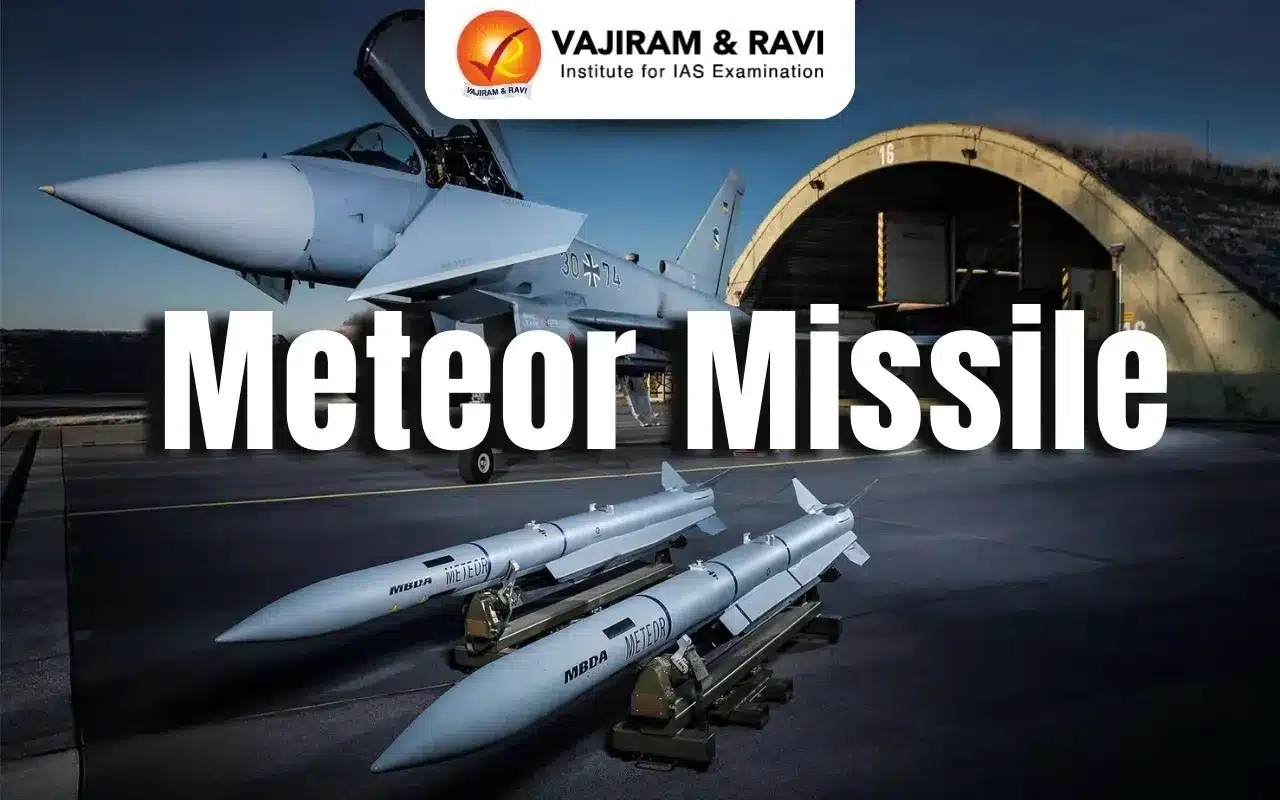
After defeating Pakistan in the recent conflict through Operation Sindoor, India is set to further enhance its air combat capabilities through the planned acquisition of a substantial number of Meteor air-to-air missiles.
About Meteor Missile
It is an advanced radar-guided, beyond-visual-range air-to-air missile (BVRAAM).
METEOR has been developed by a group of European partners led by MBDA to meet the needs of six European nations: the UK, Germany, Italy, France, Spain, and Sweden.
MBDA is a European multinational corporation specialized in the design, development, and manufacturing of missiles and related systems.
Meteor Missile Features
It has a length of 3.65 m and a diameter of 0.178 m.
Unlike most similar solid-fuel missiles, the Meteor is equipped with a ramjet engine, which allows for controlled flight speed and complex maneuvers.
It has a range of up to 200 kilometres.
Designed for a speed greater than Mach 4, the missile has a large no-escape zone.
Guided by an advanced active radar seeker, Meteor provides all-weather capability to engage a wide variety of targets from agile fast jets to small UAVs and cruise missiles.
It is equipped with a two-way datalink, which allows the launch platform to provide updates on targets or re-targeting when the missile is in flight.
It is equipped with a blast-fragmentation warhead.
Recently, a photographer in Spain spotted the world’s first-ever white Iberian lynx.
About Iberian Lynx
It is a carnivore species endemic to Europe.
Appearance: It is the world’s most endangered and known for its pointy ears, long legs and leopard-like spotted fur.
This species, like other cat species, is sexually dimorphic, with males being heavier and longer than females.
This lynx is generally nocturnal and its activity patterns are closely synchronized with those of their major prey, the rabbit.
Habitat: It requires variable terrain below 1300 m, containing a mosaic of closed Mediterranean scrubland interspersed with open patches of grassland, often with marsh ecotones.
Distribution: Iberian lynx are found only in two small areas of southwest Spain on the Iberian Peninsula, west of the Pyrenees mountains.
Threats: These are related to human activities, such as poaching and habitat destruction, Illegal Hunting and decreased food base etc.
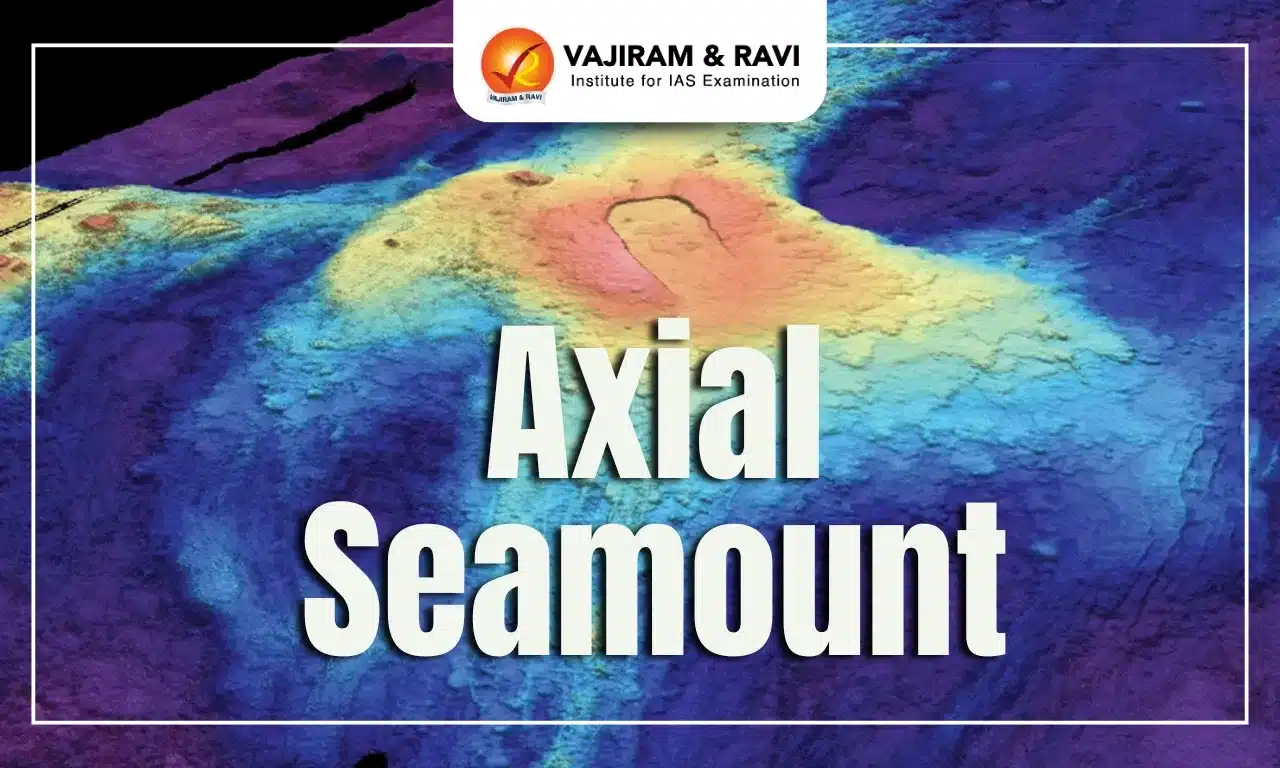
The Axial Seamount underwater volcano near the Oregon coast could erupt soon, scientists have warned, following the detection of more earthquakes in the region.
About Axial Seamount
It is an underwater volcano located about 300 miles off the coast of Oregon, United States, in the Pacific Ocean.
It is a shield volcano with a summit marked by a large caldera.
It rises to a depth of 1400 m below sea level.
It is formed by a hot spot, an area in the Earth’s mantle where hot plumes of molten material rise into the crust.
It is located on the Juan de Fuca Ridge, the boundary between the Pacific and Juan de Fuca tectonic plates.
The volcano is home to hydrothermal vents, underwater hot springs where seawater is heated by magma and ejected in mineral-rich plumes.
These vents support diverse marine life, including microbes that use volcanic gases for energy, forming the basis of an ecosystem that includes giant tubeworms, spider crabs, clams, fish and octopuses.
It is the most active submarine volcano in the northeast Pacific, with known eruptions in 1998, 2011, and 2015.
While Axial Seamount’s eruptions are not dangerous to people on land, they offer valuable opportunities for scientific observation.
It is part of the Ocean Observatories Initiative (OOI) and hosts the world’s first underwater volcanic observatory called New Millennium Observatory (NeMO).
NeMO provides real-time data originating from Axial through a variety of undersea cables to a shore station in Pacific City, Oregon.
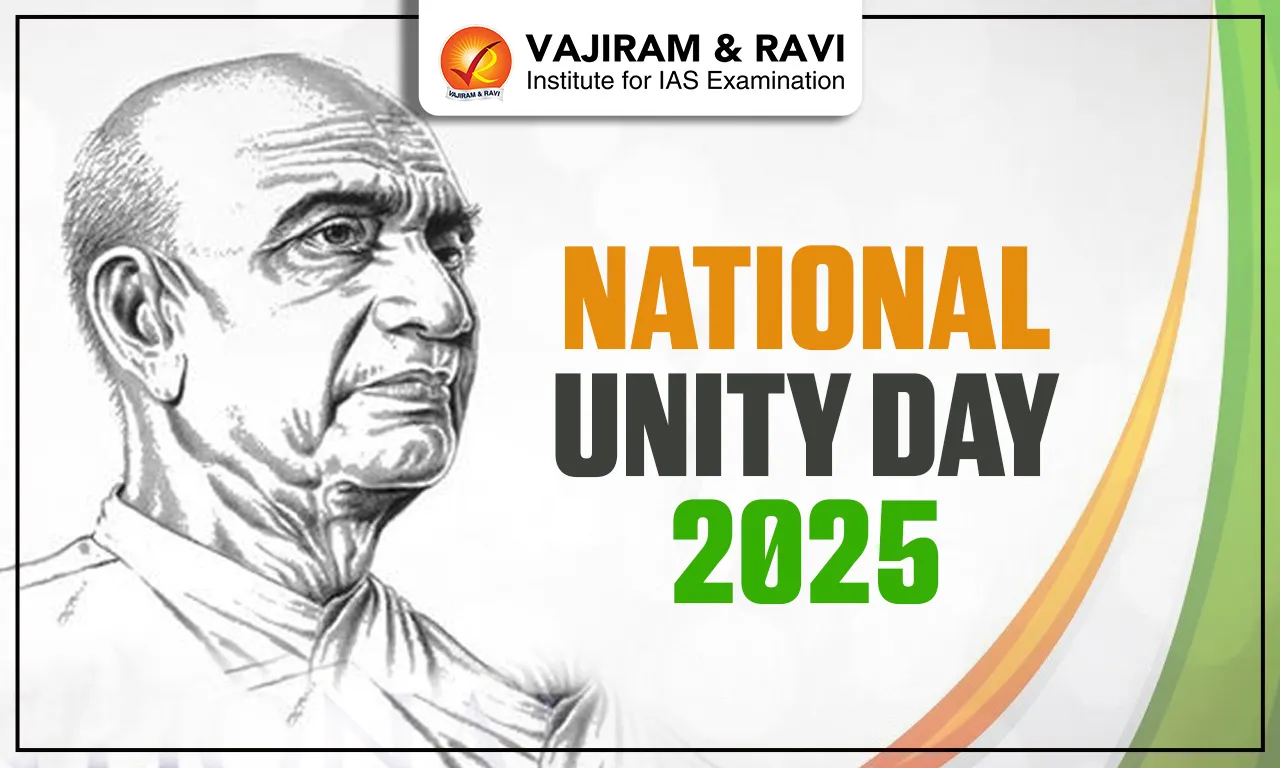
Rashtriya Ekta Diwas, or National Unity Day 2025, will be observed on 31 October 2025, marking the 150th birth anniversary of Sardar Vallabhbhai Patel, India’s Iron Man. The day celebrates Patel’s historic role in unifying more than 560 princely states after independence and promoting peace and integrity. National Unity Day 2025 inspires every citizen to uphold India’s unity in diversity and strengthen the foundation of a secure, harmonious nation.
National Unity Day 2025
National Unity Day 2025 will be celebrated on a grand scale, led by Prime Minister Narendra Modi at Ekta Nagar, Kevadia, Gujarat. The celebrations include the Run for Unity, Unity March, and a special Rashtriya Ekta Diwas Parade. This year’s event carries deeper meaning as it marks Sardar Patel’s 150th birth anniversary, accompanied by the release of a ₹150 commemorative coin and special postal stamp. It also coincides with the inauguration of several development projects worth ₹1,140 crore, promoting eco-tourism and green mobility around the Statue of Unity.
National Unity Day 2025 Historical Background
The idea of National Unity Day was first introduced in 2014 by the Government of India to honor Sardar Vallabhbhai Patel, the country’s first Deputy Prime Minister and Home Minister. Following independence in 1947, Patel faced the mammoth challenge of integrating over 560 princely states, covering nearly 40% of India’s territory and population, into one united nation.
Under the Indian Independence Act of 1947, these states could choose between joining India or Pakistan; or staying independent. Patel used diplomacy, persuasion, and decisive measures through the States Department to ensure integration. By August 15, 1947, almost all states had acceded to India. His leadership saved India from fragmentation and laid the foundation for a strong and unified democracy.
National Unity Day 2025 Theme
The theme for National Unity Day 2025 is expected to be “Unity in Diversity: One Nation, One Spirit”, reflecting the shared vision of unity, harmony, and inclusive development. It aligns with Sardar Patel’s enduring ideals of national integrity and collective progress. This year’s observance is not just ceremonial but aims to promote social cohesion and awareness through youth engagement, educational initiatives, and inter-state cultural programs.
Sardar Vallabhbhai Patel
Sardar Vallabhbhai Patel was born on 31 October 1875 in Nadiad, Gujarat. He played a decisive role in uniting India after independence. Known as the Iron Man of India. Patel prevented the balkanization of India through diplomacy and resolve. As the architect of Indian unity, he introduced the All India Services, referred to as the “Steel Frame of India,” ensuring administrative stability. His vision continues to guide India’s governance and unity. In 2025, his 150th birth anniversary is being celebrated nationwide with great respect and enthusiasm.
Ek Bharat Shreshtha Bharat Initiative
Launched on 31 October 2015 during National Unity Day, the Ek Bharat Shreshtha Bharat (EBSB) initiative embodies Patel’s vision of an emotionally united India. It strengthens connections among States and Union Territories through cultural exchanges, linguistic appreciation, and student interaction.
Major programs such as Bhasha Sangam App, Kashi Tamil Sangamam,and Yuva Sangam connect citizens across regions. The EBSB Portal documents and promotes these initiatives, ensuring that the message of unity continues beyond National Unity Day. Key objectives of EBSB include:
Promoting inter-state understanding and cooperation.
Showcasing India’s cultural and linguistic diversity.
Building strong emotional bonds among citizens.
Encouraging youth participation and mutual learning.
National Unity Day 2025 Events
The celebration of National Unity Day 2025 will include several major events reflecting India’s diversity and unity:
Date of main event: 31 October 2025
Venue: Ekta Nagar, Gujarat
Air Show: Indian Air Force’s Surya Kiran Team
Parade Units: 16 marching contingents from 9 States and 1 UT, along with 4 CAPFs, NCC cadets, and BSF camel contingents.
Cultural Program: 900 artists showcasing Indian classical and folk art.
Floats: From 10 States and Union Territories under the theme “Vividhta Mein Ekta” (Unity in Diversity).
From 1 to 15 November 2025, Bharat Parv will be celebrated at Ekta Nagar with a food and cultural festival culminating on Birsa Munda Jayanti.
The Sardar@150 Unity March
The Sardar@150 Unity March has been launched by the Ministry of Youth Affairs and Sports through the My Bharat platform. Beginning on October 6, 2025, it includes essay contests, social media challenges, and the Sardar@150 Young Leaders Program.
The Unity March will take place in two phases:
October 31 to November 25, 2025: District-level padyatras and awareness campaigns across India.
November 26 to December 6, 2025: A 152-km National March from Karamsad (Patel’s birthplace) to the Statue of Unity, involving NSS, NCC, and My Bharat volunteers.
National Unity Day Parade 2025
The National Unity Day Parade 2025 will be held at Ekta Nagar, Gujarat, showcasing India’s rich diversity and unity. The parade will feature contingents from the armed forces, police, and NCC, along with cultural performances from different states. It will also include a special tribute to Sardar Vallabhbhai Patel, highlighting his role in national integration. The event symbolizes India’s strength in diversity and collective spirit toward nation-building.
National Unity Day 2025 Breed Dog March
A special highlight of the National Unity Day Parade 2025 is the Breed Dog March featuring indigenous Indian breeds like the Rampur Hound and Mudhol Hound. These dogs, trained by the Border Security Force (BSF), represent the spirit of Aatmanirbhar Bharat. “Riya,” a Mudhol Hound that won the All India Police Dog Competition, will lead the squad. Their participation symbolizes self-reliance and national security.
National Unity Day 2025 Run for Unity
The Run for Unity, a key feature of Rashtriya Ekta Diwas, symbolizes collective strength and unity. On October 31, 2025, thousands of citizens, students, and security personnel will participate in marathons across major cities. In Delhi, the event will start from Rajghat to Red Fort. Prime Minister Narendra Modi has urged every citizen to join this movement in honor of Sardar Vallabhbhai Patel’s 150th birth anniversary.
Statue of Unity
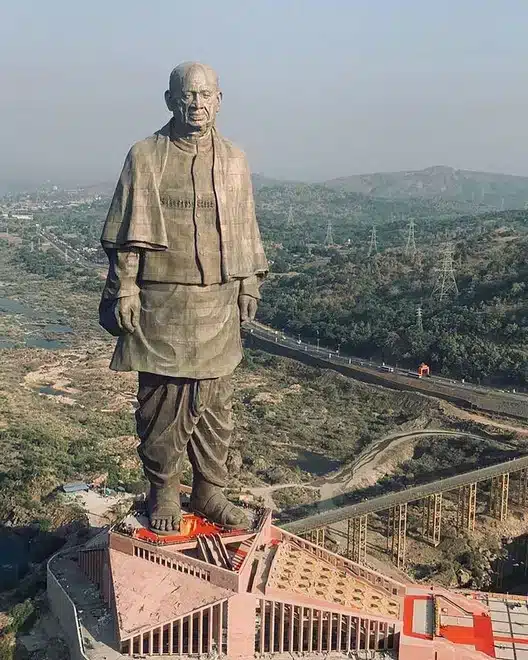
Standing tall at 182 meters, the Statue of Unity in Ekta Nagar, Gujarat, is the world’s tallest statue and a living tribute to Sardar Patel’s unifying spirit. Since its inauguration in 2018, it has attracted over 8 million visitors and generated significant eco-tourism. In 2025, the statue will serve as the centerpiece for the 150th birth anniversary celebrations, hosting major cultural and patriotic events.
National Unity Day 2025 Government Initiatives
The Government of India continues to advance initiatives that promote unity and patriotism:
Ek Bharat Shreshtha Bharat- Inter-state cultural and linguistic exchange.
Bharat Parv- Festival celebrating Indian diversity.
National Integration Council- Fosters social harmony and national stability.
Digital India and Skill India- Ensure equitable access to development across all regions.
National Unity Day Pledge
Every year, the National Unity Day Pledge is administered in all government offices, schools, and institutions:
“I solemnly pledge that I dedicate myself to preserving the unity, integrity, and security of the nation and also strive hard to spread this message among my fellow countrymen. I take this pledge in the spirit of the unification of my country which was made possible by the vision and actions of Sardar Vallabhbhai Patel. I also solemnly resolve to make my own contribution to ensure the internal security of my country.”
National Unity Day 2025 Global Aspects
National Unity Day 2025 is not only celebrated in India but also across Indian embassies and diaspora communities worldwide. Seminars, exhibitions, and cultural events are being organized in countries like the USA, UK, and UAE to promote India’s message of peace and unity. Sardar Patel’s approach to national integration is studied globally as a model of post-colonial state-building and inclusive governance.
National Unity Day 2025 Challenges
India’s unity continues to face challenges from regional, social, and economic differences. Overcoming these requires awareness, inclusion, and collective national spirit.
Regional Disparities
Challenge: Unequal development fuels regional imbalance.
Way Forward: Promote equal economic opportunities and regional infrastructure growth through balanced state funding and smart city programs.
Communal and Social Divisions
Challenge: Misinformation and intolerance weaken harmony.
Way Forward: Strengthen interfaith education, civic awareness, and cultural exchanges through Ek Bharat Shreshtha Bharat programs.
Youth Disengagement
Challenge: Lack of participation in nation-building activities.
Way Forward: Encourage youth leadership programs and digital engagement promoting unity and social responsibility.
Linguistic and Cultural Gaps
Challenge: Language and cultural barriers can reduce mutual understanding.
Way Forward: Support language learning initiatives, cultural fests, and exchange programs among states.
The Ministry of Statistics and Programme Implementation has announced plans to use data from the Annual Survey of Unincorporated Sector Enterprises and the Periodic Labour Force Survey to develop a District Domestic Product (DDP) framework for more accurate, district-level economic estimation.
MoSPI to Use ASUSE and PLFS Surveys for Accurate District Domestic Product Estimation
The Ministry of Statistics and Programme Implementation (MoSPI) has announced a significant step toward improving India’s statistical architecture by integrating two major datasets to calculate the District Domestic Product:
The Annual Survey of Unincorporated Sector Enterprises (ASUSE) and
The Periodic Labour Force Survey (PLFS)
This initiative aims to provide more accurate, district-level economic data and empower states to make evidence-based policy decisions.
At present, India’s national and state-level GDP data often fail to capture regional variations within districts.
Most District Domestic Product (DDP) estimates rely on top-down allocation methods, proportionately distributing state GDP based on outdated demographic indicators like population.
This approach has long been criticised by experts who highlighted that the current method results in “near-identical growth rates for districts,” thus masking true inter-district disparities.
Recognising this data gap, MoSPI announced that beginning January 2025, the ministry will work with state governments to introduce a bottom-up estimation model using detailed datasets from ASUSE and PLFS.
About ASUSE and PLFS
Annual Survey of Unincorporated Sector Enterprises (ASUSE)
ASUSE captures detailed data on India’s vast unincorporated non-agricultural sector, covering manufacturing, trade, and services enterprises, including households, micro, and small units.
This survey provides insights into the economic and operational characteristics of establishments that often remain outside the formal sector’s purview.
Earlier released annually, ASUSE now provides quarterly data for enhanced frequency and granularity. It serves as a critical input for understanding local enterprise activity, investment, and value addition patterns.
Periodic Labour Force Survey (PLFS)
PLFS is conducted by the National Statistical Office (NSO) to measure employment, unemployment, and labor market participation across rural and urban areas.
The survey is now conducted monthly, capturing dynamic trends in workforce participation, earnings, and occupational structures.
By combining ASUSE (enterprise data) and PLFS (labour data), the government aims to create a comprehensive database of district-level economic activities, bridging the enterprise and employment dimensions of local economies.
Purpose and Methodology for Estimating DDP
The integration of ASUSE and PLFS will allow policymakers to capture real economic activity at the district level rather than relying on extrapolated state averages.
Key features of the initiative include:
Bottom-up estimation: District-level data will be aggregated upward to form state and national accounts, reversing the current top-down allocation model.
Dual-sector coverage: The approach accounts for both enterprise activity (ASUSE) and labour participation (PLFS), ensuring holistic measurement of economic output.
Policy collaboration: MoSPI is working closely with state governments to align data collection frameworks with local administrative and planning needs.
Inclusion of informal sector: Since unincorporated enterprises and household-level activities form a large share of India’s economy, the new methodology ensures that informal sector output is adequately represented.
Complementary Statistical Initiatives
The effort to refine DDP estimation is part of MoSPI’s broader agenda to modernise India’s statistical system. Several related initiatives are underway:
Annual Survey of Service Sector Enterprises (ASSSE): To be launched in January 2026, this will capture the dynamics of incorporated services such as IT, financial services, and logistics.
National Household Income Survey (NHIS): Scheduled for February 2026, it aims to measure income distribution, wealth, and inequality, complementing consumption and employment data.
Expanded data accessibility: MoSPI has identified over 250 datasets for improved public access, including data from GST, E-Vahan, and trade statistics, to enrich national accounts and research capacity.
Significance of District Domestic Product (DDP)
The DDP represents the gross value added (GVA) within a district’s geographical boundaries.
It serves as a microeconomic counterpart to the state’s Gross State Domestic Product (GSDP).
An accurate DDP framework can enable:
Targeted policy interventions by identifying lagging districts.
Evidence-based fiscal planning at local levels.
Better assessment of regional inequality and employment trends.
Alignment with decentralised planning under India’s federal structure.
The move also aligns with the government’s vision of Viksit Bharat @2047, where data-driven governance is seen as central to inclusive development.
Challenges and the Way Forward
While the initiative is promising, implementing district-level GDP estimation faces several challenges:
Data reliability: Unincorporated sector data can be difficult to capture consistently.
Coordination with states: States vary in statistical capacity and infrastructure.
Avoiding double-counting: Integrating enterprise and labour datasets requires precise harmonisation.
Nonetheless, experts consider this reform a crucial step toward improving the granularity, reliability, and timeliness of economic data in India.
With states like Maharashtra, Tamil Nadu, and Karnataka already experimenting with DDP frameworks, MoSPI’s bottom-up model may soon standardise district-level measurement across the country.
The Ministry of Statistics and Programme Implementation (MoSPI) has proposed key methodological reforms in the Consumer Price Index (CPI), specifically in the compilation of the housing index.
These reforms aim to make inflation measurement more accurate, representative, and transparent, reflecting post-pandemic changes in rental markets and including rural housing data for the first time.
Background - CPI and Housing Index
The Consumer Price Index (CPI) is India’s main measure of retail inflation.
The MoSPI is revising the CPI base year to 2024 from 2012, with item weights based on the 2023-24Household Consumption Expenditure Survey (HCES).
Currently, housing data is collected biannually and only for urban areas.
The weight of housing in the CPI basket is 21.67% for urban areas and 10.07% at the all-India level.
According to data released last month, housing inflation accelerated to 3.98% in September from 3.09% in August. Overall, India's retail inflation eased to 1.5% from 2.1% over the same period.
Economists have long criticized the inclusion of employer-provided dwellings and use of House Rent Allowance (HRA) as a rent proxy.
Proposed Methodological Changes
Monthly rent data collection:
Rent data will be collected monthly instead of every six months.
Coverage expanded to both rural and urban areas, marking a major shift.
The dwelling type weight will be based on Census 2011.
Exclusion of employer-provided housing: Government and employer-provided accommodations will be excluded to avoid distortions since they don’t reflect market transactions.
Expanded sample and IMF guidance:
Rent data to be collected from all selected dwellings every month (earlier one-sixth sample).
International Monetary Fund (IMF) technical experts recommended refining India’s panel approach to improve representativeness.
The revised formula ensures “like-for-like” comparison and avoids downward bias in rent index computation.
Inclusion of Rural Sector through HCES 2023-24
The HCES 2023-24 has, for the first time, captured rural house rent and imputed rent for owner-occupied dwellings.
This enables compilation of a rural housing index, absent in the HCES 2011-12 series.
The new series will therefore represent comprehensive national housing dynamics.
Transparency and Consultation Process
MoSPI released the third discussion paper as part of its base revision exercise of the CPI. Previous papers focused on ‘Treatment of Free Public Distribution System (PDS) Items in CPI Compilation’.
The Ministry plans to hold data conferences and stakeholder consultations to enhance transparency and inclusiveness.
Feedback on the housing index changes has been invited till November 20, 2025.
Way Forward
The proposed CPI revision will align India’s methodology with global statistical best practices.
Continuous data collection from rural and urban areas will improve the robustness of inflation measurement.
Exclusion of non-market housing will enhance accuracy in assessing true inflationary pressures.
The exercise will also help policy-makers, RBI, and households better understand the impact of housing costs on inflation and real income.
Conclusion
The overhaul of the housing index methodology marks a significant reform in India’s CPI framework.
By integrating monthly, all-India rent data and removing distortionary elements, MoSPI aims to create a more representative and credible inflation index.
This reform is crucial in the context of post-pandemic rental surges, rural-urban housing disparity, and the need for data-driven economic policymaking in a rapidly evolving economy.
Q1: What is the significance of revising the housing index methodology in the CPI?
Ans: The revision ensures accurate reflection of market-based rental trends by including rural data, collecting monthly rents, etc.
Q2: Why is the inclusion of rural housing data in the new CPI series considered a major methodological improvement?
Ans: It incorporates the housing expenditure of rural households, previously excluded due to lack of imputed rent data, thereby making the CPI more representative.
Q3: What is the rationale behind excluding government and employer-provided accommodations from the CPI housing index?
Ans: These accommodations do not represent market transactions, and using HRA as a rent proxy leads to mismeasurement of inflation.
Q4: What role did the IMF play in the proposed changes to the CPI housing index?
Ans: IMF experts advised on improving India’s panel survey approach, suggesting like-for-like comparisons and expanded sample coverage.
Q5: How does the CPI housing index impact monetary and fiscal policy formulation?
Ans: Its accurate measurement directly influences inflation targeting by the RBI and welfare-linked fiscal decisions by the government.
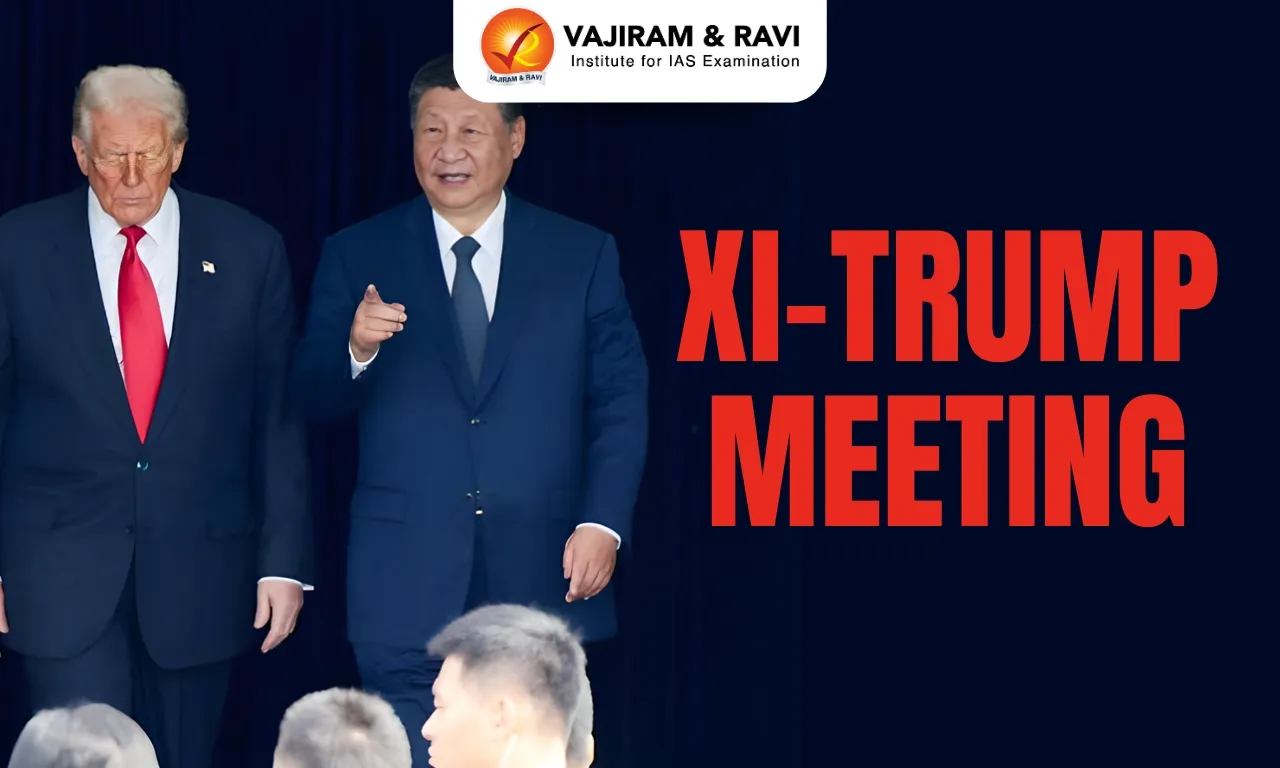
At the Asia-Pacific Economic Cooperation (APEC) summit in South Korea, US President Donald Trump and Chinese President Xi Jinping met for the first time since Trump’s return to office.
Trump announced that China agreed to maintain global exports of rare earth minerals under a one-year deal, calling it a “worldwide solution.” He said this would remove supply worries for industries dependent on these materials.
Additionally, the US will reduce tariffs on China—cutting the penalty on fentanyl-related trade from 20% to 10%, bringing the overall tariff rate down from 57% to 47%.
Key Highlights of the Xi-Trump Meeting
The meeting was its carefully managed optics. Unlike his usual confrontational style, President Trump adopted a polite and diplomatic tone, showing awareness of China’s global influence.
Interestingly, China did not immediately release an official account of the meeting, highlighting its cautious approach.
Trump’s Recognition of China’s Power
Trump referred to the meeting as “G-2”,equating the US–China relationship to elite global groupings like the G-7 and G-20.
This was seen as a symbolic recognition of China’s global power, something no previous US president had done publicly — a clear diplomatic win for Beijing.
Controlled Diplomacy Over Confrontation
Both leaders showed mutual deference and restraint, a departure from Trump’s usual brashness.
Their conduct reflected a shared understanding of the delicate balance between the world’s two largest economies and the global impact of their relationship.
Deal on Rare Earth Exports
The key takeaway from the Trump–Xi meeting was about rare earth exports.
President Trump announced that China had agreed to continue exporting rare earth minerals for one year — a relief for global industries that depend on them.
In return for China’s cooperation, Trump cut tariffs on Chinese goods by 10%, lowering total US tariffs from 57% to 47%.
This move was meant to ease pressure on Chinese businesses and encourage Beijing to compromise.
While the agreement eased tensions, it only postponed the core issue — China still dominates the rare earth supply chain.
The deal gives the US and its allies more time to diversify sources and reduce dependency on China.
Implication for India in the G-2 world
In his first term (2017), Trump took a hard stance on China, calling it a strategic rival, strengthening alliances, and supporting frameworks like the Quad and Indo-Pacific strategy, where India played a central role.
Now, in his second term, Trump’s approach is commercial, focusing on trade deals and domestic investments, even pressuring allies like Japan and South Korea to invest heavily in the US.
After the meeting, US President left behind a sense of uncertainty about America’s future with China — the world’s two largest powers.
Calling his meeting with Xi Jinping a “G-2” summit, Trump sparked concern among allies that the US is leaning toward a China-first, business-focused policy.
Implications for India and the Region
For India, the message was clear: the US focus remains on managing China.
The question now is whether Trump prefers working with allies like India, Japan, and Australia (under the Quad) or handling China alone.
For India and other Asian nations, this marks a new phase in US–China relations — a mix of competition and cooperation.
Trade Disadvantage for India
After Trump reduced tariffs on China to 47%, India now has the highest tariff rate at 50%, putting it at a trade disadvantage.
This makes a US–India trade deal more urgent, especially since Trump said one could be finalized en route to South Korea.
Until then, a US rival (China) enjoys better trade terms than a US partner (India).
India’s Strategic Path Forward
As Trump’s trade-driven strategy reshapes the region, India must rethink its assumptions about both American intent and Chinese ambition, while identifying space for its own strategic autonomy.
For India, the challenge is to navigate this shifting US–China balance with agility.
Delhi must:
Engage the US where interests align,
Explore economic opportunities with China where possible, and
Deepen partnerships with Asia and Europe to strengthen its independent position.
India has consistently opposed unilateral economic sanctions, but has often complied with US-imposed restrictions to avoid fallout.
In the past, Indian refiners stopped importing oil from Iran and Venezuela after the US sanctioned those countries. Now, with new US sanctions on Russian oil giants Rosneft and Lukoil, a similar situation looms.
India avoids dealing with sanctioned entities mainly due to the risk of US secondary sanctions, which could penalize third-party countries or companies doing business with the targeted nations.
Understanding Secondary Sanctions
Secondary sanctions extend beyond the direct targets of US restrictions.
Primary sanctions stop American citizens and companies from dealing with blacklisted entities (like Rosneft and Lukoil).
On the other hand, secondary sanctions aim to discourage foreign countries and companies — over whom the US has no legal authority — from engaging with them.
These measures act as “anti-circumvention tools”, forcing other nations to comply indirectly by threatening penalties.
Because they apply outside US borders, secondary sanctions are often seen as extraterritorial and questionable under international law.
Why Countries Fear US Secondary Sanctions
The US dollar’s dominance in global trade and the central role of the American financial system make US sanctions highly influential worldwide.
Any company or country engaged in international trade needs access to US markets and banks — losing that access can cripple business.
Secondary sanctions don’t always impose fines; instead, they block foreign entities from the US financial system if they act against Washington’s foreign policy interests.
Because of this, India’s refiners and banks are expected to cut back on Russian oil imports, fearing penalties.
The US Treasury’s warning that secondary sanctions could hit buyers of Russian crude has already had an impact — experts predict an immediate drop in India’s Russian oil imports, which currently account for over 35% of total imports.
Why US Sanctions Matter for India
US sanctions carry real weight because they make banks, insurers, and investors cautious, cutting off access to funding and financial systems.
Most Indian refiners — including Reliance Industries (RIL) and public sector companies — rely heavily on the US market, banking network, and technology partners. Losing that access would seriously impact their global operations.
India’s Heavy Exposure to the US
RIL, which buys nearly half of India’s Russian oil, has subsidiaries, partnerships, and investments in the US with firms like Google, Meta, and Intel.
Public sector refiners also depend on dollar-based payments and the American banking system to buy crude oil, pay shippers, and insurers.
Any disruption in US dollar transactions could severely hurt India’s refining sector.
Impact on Russian Oil Imports
To avoid secondary sanctions, Indian refiners and banks are expected to act with extreme caution, likely leading to a sharp drop in Russian oil imports.
Government-owned refiners are already reviewing compliance risks, and RIL has said it will fully follow government guidance.
Some refiners may try to buy Russian oil through third-party traders not directly targeted by sanctions.
However, experts warn this loophole may not last, as the US could extend sanctions to these intermediaries if it wants to curb Russian oil flows more effectively.
India’s Official Stand
The Indian government has reiterated that it will buy oil from wherever it gets the best price, as long as the oil itself is not under sanctions.
However, the new US restrictions on Rosneft and Lukoil — which supply over two-thirds of India’s Russian oil — could seriously limit India’s access to cheap Russian crude in the near term.
Ans: They are measures that penalize foreign entities for dealing with sanctioned countries or firms, extending the reach of US restrictions beyond its borders.
Q2: Why are secondary sanctions powerful?
Ans: Because of the dominance of the US dollar and financial system, entities risk losing access to US markets if they ignore these sanctions.
Q3: Why do US sanctions matter for India?
Ans: Indian refiners and banks rely on US financial networks for trade, funding, and technology, so violating sanctions could disrupt their global operations.
Q4: How will sanctions affect India’s Russian oil imports?
Ans: Refiners are expected to act cautiously, likely cutting Russian oil imports significantly to avoid secondary sanctions and financial risks.
Q5: Can India continue buying Russian oil indirectly?
Ans: Some may buy through third-party traders, but experts warn the US could soon sanction intermediaries too, closing this route.
India stands on the threshold of a paradigm shift in education, poised to introduce Artificial Intelligence (AI) into classrooms as early as Class 3 starting in 2026–27.
This transformative move, aligned with the National Education Policy 2020, reflects a bold ambition: to prepare future generations for an AI-powered global economy.
Also, it is important to ensure the nation remains competitive in an era defined by automation and digital innovation.
AI as a Catalyst for Educational Reform
The integration of AI into the K-12 system is not merely a technological upgrade, it represents a reimagining of how learning occurs.
AI-driven platforms offer personalised learning pathways, adjusting instruction based on a student’s pace, strengths, and struggles.
Such adaptive systems can democratise education by supporting learners with diverse needs, addressing regional language barriers, and creating more inclusive environments, a particularly critical objective in India’s vast socio-educational landscape.
Teachers at the Core of Transformation
However, technology alone cannot revolutionise education. With over one crore teachers nationwide, the success of this initiative hinges on capacity-building and continuous professional development.
Pilot programmes have already trained thousands of educators, equipping them with AI tools for lesson planning and resource design.
Yet, the magnitude of upskilling required raises crucial questions: Are teachers adequately prepared to transition from traditional instructors to AI-guided mentors?
The answer will determine the pace and depth of this reform.
Balancing Technology with Human Insight
Despite the power of AI, human educators remain irreplaceable.
AI can automate administrative tasks like grading and attendance, offering teachers more time for creative instruction, emotional support, and personalised interaction, areas where machines cannot replicate human empathy and intuition.
In this hybrid model, teachers evolve into facilitators of higher-order thinking, supported rather than overshadowed by technology.
The Future Workforce: Promise and Challenge
The integration of AI into education also reflects broader shifts in labour markets.
While projections suggest millions of jobs may be disrupted, AI could generate even more employment opportunities by 2030.
Equipping students with AI literacy from early grades ensures they are prepared not only to navigate but to thrive in a rapidly evolving digital economy.
Yet, this requires not only technical skills but resilience, creativity, and ethical awareness.
Bridging the Inequality Gap
One of the most compelling promises of AI in education is its potential to expand access and equity.
From generative AI tutors to multilingual learning tools, technology could help close achievement gaps and extend quality education beyond urban hubs.
However, this promise is contingent upon addressing digital infrastructure disparities and ensuring affordability, without which the AI revolution risks widening existing inequalities instead of reducing them.
Conclusion
India’s initiative to embed AI into school education marks a watershed moment for its learning ecosystem.
It embodies aspiration, innovation, and foresight, yet also raises critical questions about readiness, inclusivity, and ethical implementation.
The future of India’s education system will depend on thoughtful policy, teacher empowerment, and equitable access.
As the nation navigates this transformation, one truth stands clear: AI is not merely a tool but a catalyst, reshaping the very contours of learning and unlocking possibilities for a generation preparing to shape the AI-driven world.
AI’s Rewriting of the Rules of Education FAQs
Q1. Why is India introducing AI to students from Class 3 onward? Ans. India is introducing AI early to prepare students for a future driven by technology and digital innovation.
Q2. What role do teachers play in this AI transformation? Ans. Teachers play a crucial role, as they must be trained to use AI tools and guide students effectively in an AI-enabled classroom.
Q3. How does AI support personalised learning? Ans. AI supports personalised learning by adapting lessons to each student’s pace, strengths, and needs.
Q4. Will AI replace teachers in schools? Ans. No, AI will not replace teachers; instead, it will assist them by automating routine tasks and improving learning support.
Q5. What challenge must be addressed to ensure AI benefits all students? Ans. To ensure AI benefits all students, India must provide equitable access to technology and digital infrastructure across the country.
Ans: Editorial analysis is the critical examination and interpretation of newspaper editorials to extract key insights, arguments, and perspectives relevant to UPSC preparation.
Q2: What is an editorial analyst?
Ans: An editorial analyst is someone who studies and breaks down editorials to highlight their relevance, structure, and usefulness for competitive exams like the UPSC.
Q3: What is an editorial for UPSC?
Ans: For UPSC, an editorial refers to opinion-based articles in reputed newspapers that provide analysis on current affairs, governance, policy, and socio-economic issues.
Q4: What are the sources of UPSC Editorial Analysis?
Ans: Key sources include editorials from The Hindu and Indian Express.
Q5: Can Editorial Analysis help in Mains Answer Writing?
Ans: Yes, editorial analysis enhances content quality, analytical depth, and structure in Mains answer writing.
Recently, a new study has revealed that land-use change was the main driver behind the loss of nearly 75 per cent of natural plant species on the lower slopes of Mount Kilimanjaro.
About Mount Kilimanjaro
Location: It is located in northeastern Tanzania, near the Kenya border.
It is Africa’s tallest mountain (5,895 m) and the world’s largest free-standing mountain (which means not part of a mountain range).
It extends approximately east-west for 50 miles (80 km).
Also called a stratovolcano (a term for a very large volcano made of ash, lava and rock), Kilimanjaro is made up of three cones: Kibo, Mawenzi and Shira.
Among these cones Kibois, the tallest of the three volcanic formations, which is also a dormant volcano, while the other two are extinct volcanoes?
Uhuru Peak, the highest free-standing peak in Africa, is located on the volcanic cone Kibo.
Kilimanjaro is also known for its snow-capped peak.
Vegetation: The mountain has five main vegetation zones, from the lowest to the highest point: Lower slopes, montane forest, heath and moorland, alpine desert, and summit.
The Kilimanjaro National Park was named a United Nations Educational, Scientific, and Cultural Organization (UNESCO) World Heritage Site in 1987.