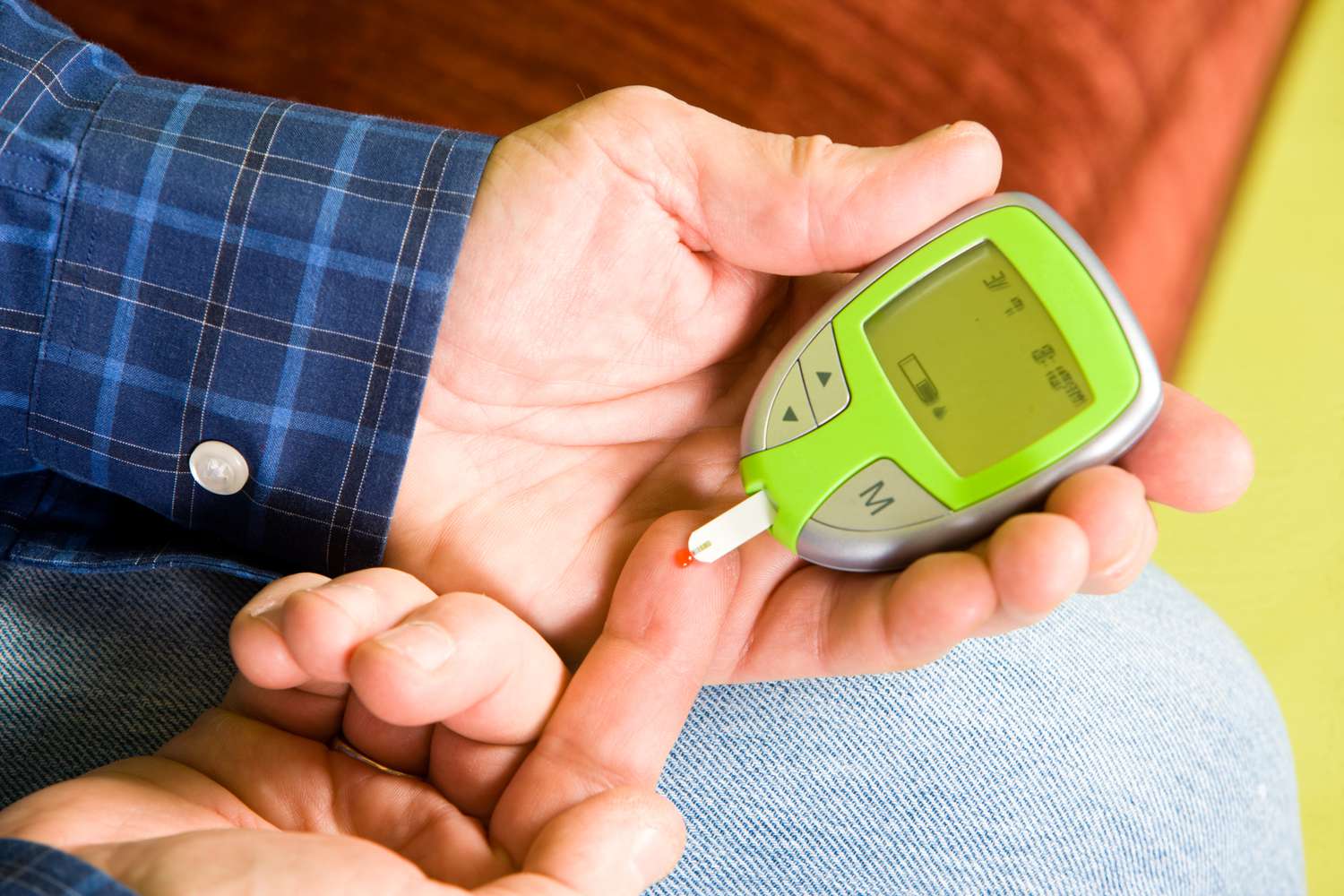
About Insulin Shock:
- What is it? Insulin shock occurs when you have too much insulin in your blood. This can lead to hypoglycemia, also called low blood sugar.
- If left untreated for too long, it can lead to loss of consciousness and even death.
- It can occur in people with type 1 or type 2 diabetes if they are using certain medications.
- Warning Signs: Dizziness, shaking, clamminess, a rapid pulse, and other symptoms.
What is Diabetes?
- It is a chronic disease that occurs when the pancreas can no longer make insulin or the body cannot make good use of the insulin it produces.
- What is Insulin? It is a hormone that regulates blood glucose.
- Not being able to produce or use insulin effectively leads to raised glucose levels in the blood, known as hyperglycaemia.
Type 1 and Type 2 Diabetes:
- Type 1 diabetes:
- It is a condition in which your immune system destroys insulin-making cells in your pancreas. These are called beta cells.
- When you have type 1 diabetes, your body produces very little or no insulin.
- It requires daily administration of insulin to maintain blood glucose levels under control.
- It is usually diagnosed in children and young people, so it used to be called juvenile diabetes.
- Symptoms: Excessive excretion of urine (polyuria), thirst (polydipsia), constant hunger, weight loss, vision changes, and fatigue.
- Type 2 diabetes:
- It results from the body’s ineffective use of insulin that it produces.
- More than 95% of people with diabetes have type 2 diabetes.
- This type of diabetes is largely the result of excess body weight and physical inactivity.
- Symptoms may be similar to those of type 1 diabetes but are often less marked. As a result, the disease may be diagnosed several years after onset.
Q1) What is hyperglycaemia?
Hyperglycaemia, or a hyper, can happen when your blood glucose (sugar) levels are too high – usually above 7mmol/l before a meal and above 8.5mmol/l two hours after a meal. This happens because the body either cannot produce enough insulin to process the sugar in the blood or it cannot use the insulin effectively enough.
Source: Too much insulin can be as dangerous as too little: Research


 Last updated on Oct, 2026
→ UPSC 2027 Notification will be released on 13 January 2027 at upsconline.nic.in.
→ Asian Games 2026 are being held in Aichi-Nagoya, Japan, from 19 September to 4 October.
→ Check Nobel Prize 2026 Winners List here.
→ Download PIB PRiSM Monthly Magazine 2026 here.
→ Check UPSC Monthly Current Affairs Magazine The Recitals here.
→ Check out the latest UPSC Syllabus here.
→ Download UPSC Model Answers for Mains 2026
→ UPSC Mains Question Paper 2026 is out now for Essay & GS Paper 1, 2, 3 & 4.
→ UPSC Calendar 2027 has been released.
→ Enroll in Vajiram & Ravi’s UPSC Mains Test Series 2027 for structured answer writing practice, expert evaluation, and exam-oriented feedback.
→ Join Vajiram & Ravi’s UPSC Mentorship Program 2027 for personalized guidance, strategy planning, and one-to-one support from experienced mentors.
→ Go through the UPSC Mains Previous Year Papers to enhance your preparation.
→ UPSC has released UPSC Toppers List 2025 with the Civil Services final result on its official website.
→ Also check Best UPSC Coaching in India