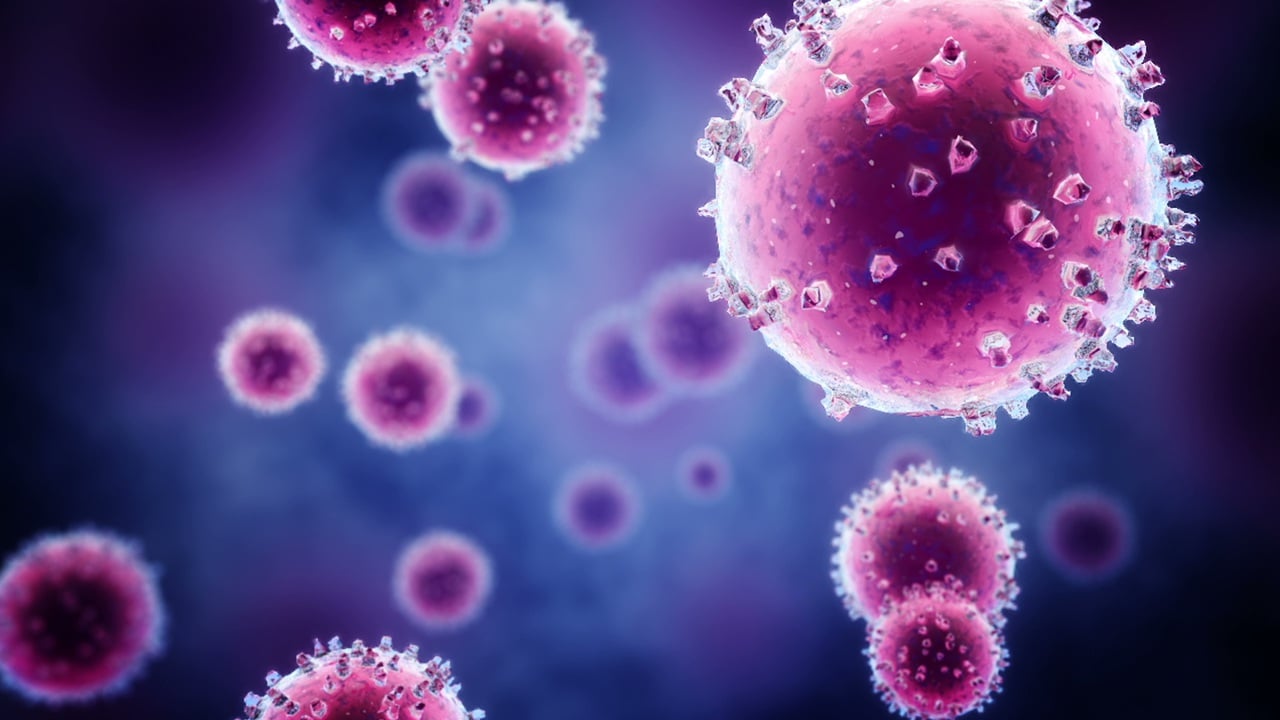
About Respiratory Syncytial Virus (RSV)
- It is a common respiratory virus.
- RSV is one of the most frequent causes of childhood illness.
- It usually causes mild, cold-like symptoms.
- Premature infants, babies younger than 6 months old, people above age 65 and people who have a compromised immune system, chronic lung disease or congenital heart condition can get a more severe case of RSV.
- A severe infection leads to pneumonia and bronchiolitis.
- Transmission: RSV spreads from person to person through
- The air by coughing and sneezing;
- Direct contact, such as kissing the face of a child who has RSV;
- Touching an object or surface with the virus on it, then touching your mouth, nose, or eyes before washing your hands;
- People who have an RSV infection are usually contagious for 3 to 8 days. But sometimes infants and people with weakened immune systems can continue to spread the virus for as long as 4 weeks.
- Symptoms: The symptoms of RSV infection usually start about 4 to 6 days after infection. They include
- Runny nose
- Decrease in appetite
- Cough
- Sneezing
- Fever
- Wheezing
- RSV can also cause more severe infections, especially in people at high risk. These infections include bronchiolitis, an inflammation of the small airways in the lung, and pneumonia, an infection of the lungs.
Q1) What is a virus?
A virus is a microscopic infectious agent that is incapable of independent life and can only replicate within the living cells of a host organism. Viruses are a unique category of biological entities that straddle the line between living and non-living things. They are composed of genetic material (either DNA or RNA) encased in a protein coat called a capsid. Some viruses also have an outer lipid envelope derived from the host cell membrane.
Source: USFDA gives nod to first vaccine to protect newborns from Respiratory Syncytial Virus


 Last updated on July, 2026
→ UPSC Prelims Result 2026 is now out.
→ UPSC IFoS Prelims Result 2026 is now out.
→ Enroll in Vajiram & Ravi’s UPSC Mains Test Series 2026 for structured answer writing practice, expert evaluation, and exam-oriented feedback.
→ Join Vajiram & Ravi’s UPSC Mentorship Program 2026 for personalized guidance, strategy planning, and one-to-one support from experienced mentors.
→ Join Vajiram & Ravi’s UPSC Mentorship Program 2027 for personalized guidance, strategy planning, and one-to-one support from experienced mentors.
→ UPSC Prelims Provisional Answer Key 2026 out for GS Paper 1 and CSAT.
→ UPSC Prelims Question Paper 2026 Out, Download GS Paper 1 PDF conducted on 24th May 2026.
→ UPSC Mains 2026 will be conducted from 21st August 2026 onwards, and UPSC Prelims 2027 will be held on 23rd May 2027.
→ UPSC Final Result 2025 is now out.
→ UPSC has released UPSC Toppers List 2025 with the Civil Services final result on its official website.
→ Anuj Agnihotri secured AIR 1 in the UPSC Civil Services Examination 2025.
→ UPSC Notification 2026 & UPSC IFoS Notification 2026 is now out on the official website at upsconline.nic.in.
→ UPSC Calendar 2027 has been released.
→ Check out the latest UPSC Syllabus 2026 here.
→ The UPSC Selection Process is of 3 stages-Prelims, Mains and Interview.
→ Shakti Dubey secures AIR 1 in UPSC CSE Exam 2024.
→ Also check Best UPSC Coaching in India