About Invasive Alien Species:
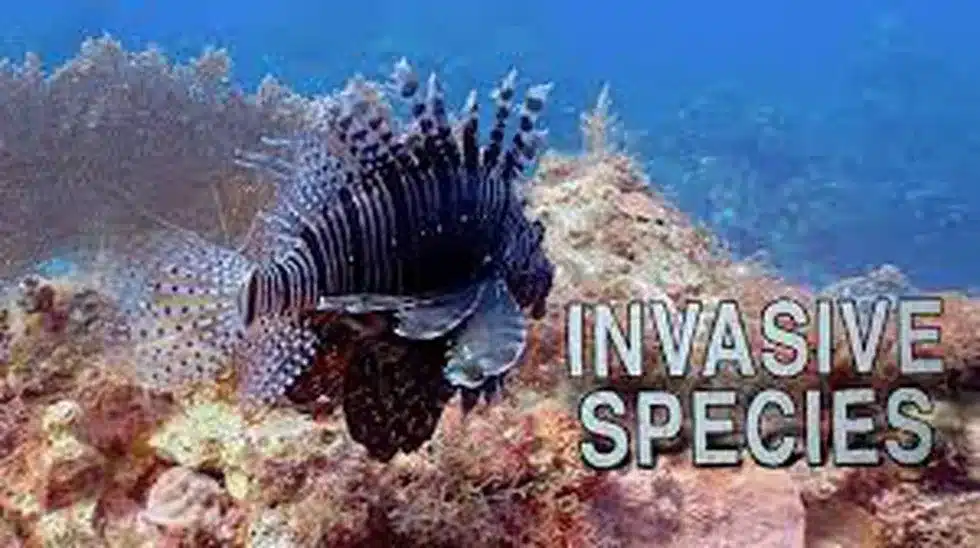
- These are the species whose introduction and/or spread outside their natural past or present distribution threatens biological diversity.
- These include animals, plants, fungi, and even microorganisms, and can influence all kinds of ecosystems.
- These species need an introduction either through natural or human intervention, survive on native food resources, reproduce at a fast rate, and edge out native species in the competition over resources.
- Invasive species act as disruptors in the food chain and disturb the balance of the ecosystem. In habitats where there is no competition, invasive species can dominate the entire ecosystem.
- Characteristics: Common characteristics of IAS include rapid reproduction and growth, high dispersal ability, phenotypic plasticity (ability to adapt physiologically to new conditions), and ability to survive on various food types and in a wide range of environmental conditions.
- Areas more susceptible for Invasive Alien species are:
- Native ecosystems that have undergone human-induced disturbance are often more prone to alien invasions because there is less competition from native species.
- Islands are especially vulnerable to IAS because they are naturally isolated from strong competitors and predators.
- Islands often have ecological niches that have not been filled because of the distance from colonizing populations, increasing the probability of successful invasions.
- The list of invasive wildlife in India is dominated by certain species of fish such as the African catfish, Nile tilapia, red-bellied piranha, and alligator gar, and turtle species such as the red-eared slider.
Q1) What is Biodiversity ?
It includes the various forms of life on Earth, encompassing animals, plants, fungi, and microorganisms, such as bacteria. These diverse species work together in complex ecosystems, like an intricate web, to maintain balance and support life. Biodiversity sustains vital aspects of human existence, including food, clean water, medicine, and shelter.
Source: How invasive species threaten natural ecosystems


 Last updated on Oct, 2026
→ UPSC 2027 Notification will be released on 13 January 2027 at upsconline.nic.in.
→ Check Nobel Prize 2026 Winners List here.
→ Download PIB PRiSM Monthly Magazine 2026 here.
→ Check UPSC Monthly Current Affairs Magazine The Recitals here.
→ Check out the latest UPSC Syllabus here.
→ Download UPSC Model Answers for Mains 2026
→ UPSC Mains Question Paper 2026 is out now for Essay & GS Paper 1, 2, 3 & 4.
→ UPSC Calendar 2027 has been released.
→ Enroll in Vajiram & Ravi’s UPSC Mains Test Series 2027 for structured answer writing practice, expert evaluation, and exam-oriented feedback.
→ Join Vajiram & Ravi’s UPSC Mentorship Program 2027 for personalized guidance, strategy planning, and one-to-one support from experienced mentors.
→ Go through the UPSC Mains Previous Year Papers to enhance your preparation.
→ UPSC has released UPSC Toppers List 2025 with the Civil Services final result on its official website.
→ Also check Best UPSC Coaching in India