Ujani Dam Latest News
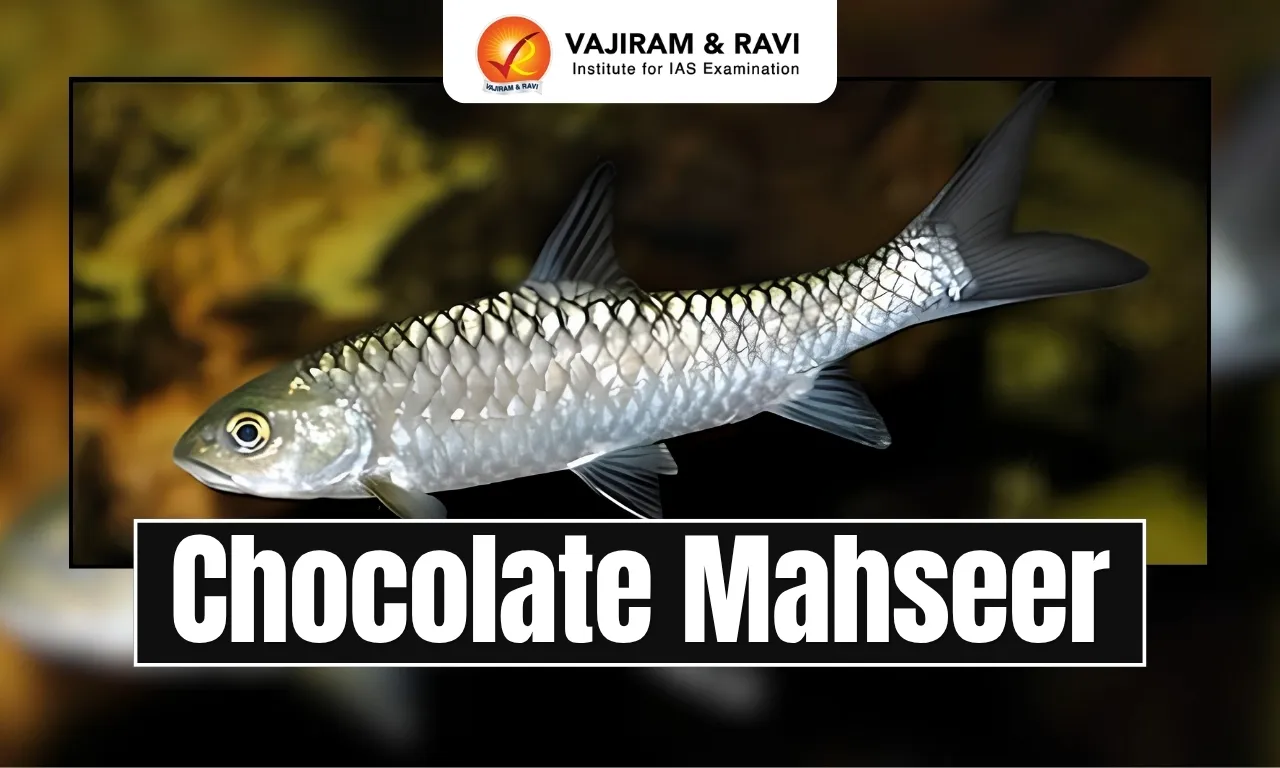
A community-driven project in Solapur and Pune, Maharashtra, aims to rid the Ujani dam catchment areas of invasive fish species and reintroduce native varieties.
About Ujani Dam
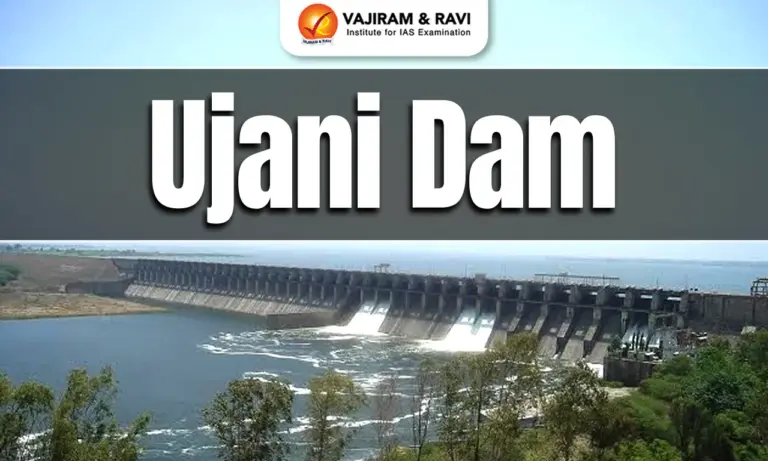
- Ujjani Dam, also known as Bhima Dam or Bhima Irrigation Project, is located on the Bhima River (a tributary of the Krishna River) near Ujjani village in the Solapur district of Maharashtra.
- It is out of the 22 dams formed by the Bhima River; it is the terminal dam on the river and is the largest in the Bhima Valley.
- It is an earth-fill cum masonry gravity dam.
- It was constructed between 1977 and 1980 with the primary objective of providing irrigation water and hydroelectric power to the region.
- With a total length of 2,534 m, the Ujani Dam is founded on massive basaltic rock formations and comprises a central portion, which is the spillway dam of 602 m in length.
- The dam has a height of 63 meters.
- Power Generation Capacity: 12 MW
- Pollution: The water quality of the Ujani Dam is very bad, as it contains hazardous pollutants from Pune and many other small cities located on the banks of the Bhima River or its tributaries.
News: IT


 Last updated on Oct, 2026
→ UPSC 2027 Notification will be released on 13 January 2027 at upsconline.nic.in.
→ Check Nobel Prize 2026 Winners List here.
→ Download PIB PRiSM Monthly Magazine 2026 here.
→ Check UPSC Monthly Current Affairs Magazine The Recitals here.
→ Check out the latest UPSC Syllabus here.
→ Download UPSC Model Answers for Mains 2026
→ UPSC Mains Question Paper 2026 is out now for Essay & GS Paper 1, 2, 3 & 4.
→ UPSC Calendar 2027 has been released.
→ Enroll in Vajiram & Ravi’s UPSC Mains Test Series 2027 for structured answer writing practice, expert evaluation, and exam-oriented feedback.
→ Join Vajiram & Ravi’s UPSC Mentorship Program 2027 for personalized guidance, strategy planning, and one-to-one support from experienced mentors.
→ Go through the UPSC Mains Previous Year Papers to enhance your preparation.
→ UPSC has released UPSC Toppers List 2025 with the Civil Services final result on its official website.
→ Also check Best UPSC Coaching in India
Ujani Dam FAQs
Q1. Where is Ujani Dam located?+
Q2. On which river is Ujani Dam located?+
Q3. What type of dam is Ujani Dam?+
Tags: prelims pointers ujani dam upsc current affairs upsc prelims current affairs