RNA Exosomopathies Latest News
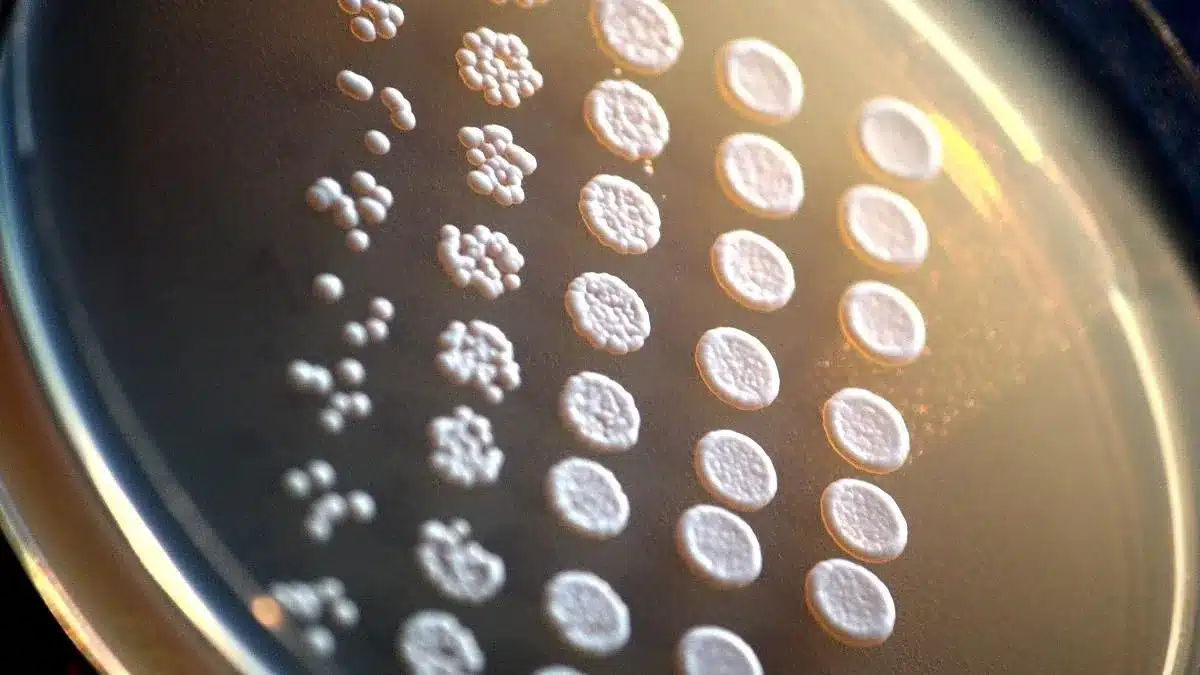
Researchers at Emory University and the University of Texas Health Science Centre have shown that mutations causing brain defects in humans also produce similar effects in budding yeast (Saccharomyces cerevisiae), a simpler eukaryotic organism.
What was discovered?
- These mutations affect a cellular complex called the RNA exosome, which plays a critical role in RNA processing, surveillance, and degradation.
- This reveals the potential to use yeast as a model organism for studying human neurological disorders, particularly those related to RNA exosome dysfunction.


What are RNA Exosomopathies?
- RNA exosomopathies are disorders caused by mutations in genes coding for RNA exosome components.
- These disorders primarily lead to brain maldevelopment, affecting structures like the pons and cerebellum.
- A key example is Pontocerebellar Hypoplasia Type 1 (PCH1), which results in severe motor, cognitive, and developmental impairments in infants.
Role of the RNA Exosome
- The RNA exosome is a multi-protein complex discovered in yeast in 1997.
- It is responsible for:
- Processing, surveillance, and degradation of different types of RNA molecules.
- Maturation of ribosomal RNA (rRNA) – essential for building ribosomes.
- Elimination of faulty messenger RNA (mRNA) and regulation of non-coding RNAs (ncRNA).
Experimental Findings (Study 1 – Journal RNA)
- Researchers introduced human disease mutations into corresponding yeast genes.
- Found defects in:
- RNA surveillance
- Ribosome production
- Protein synthesis
- Each mutation had a distinct molecular signature, explaining the varied clinical symptoms in patients.
Creation of a Humanised Yeast Model (Study 2 – Journal G3)
- Scientists replaced segments of yeast RNA exosome with human or mouse genes.
- Of 9 core proteins, 6 were successfully replaced, with 3 supporting normal yeast growth.
- Introduced known brain-defect mutations into this model.
- Proved that mutations directly impair RNA exosome function and are not mediated through indirect processes.
Why Yeast?
- Yeast is a simple eukaryote, easy to genetically modify and culture.
- Offers a cost-effective and fast method for testing hypotheses and potential drug interventions.
- Using yeast models allows rapid screening of RNA exosome mutations and their functional consequences.
RNA Exosomopathies FAQs
Q1. What are RNA Exosomopathies?
Ans: RNA Exosomopathies are a group of genetic disorders caused by mutations in the RNA exosome complex, which regulates RNA degradation and processing in cells.
Q2. What are the common symptoms of RNA exosomopathies?
Ans: Symptoms vary but often include neurodevelopmental delays, skeletal abnormalities, and immune dysfunction, depending on the mutation.
Source: TH

 Last updated on Oct, 2026
→ UPSC 2027 Notification will be released on 13 January 2027 at upsconline.nic.in.
→ Check Nobel Prize 2026 Winners List here.
→ Download PIB PRiSM Monthly Magazine 2026 here.
→ Check UPSC Monthly Current Affairs Magazine The Recitals here.
→ Check out the latest UPSC Syllabus here.
→ Download UPSC Model Answers for Mains 2026
→ UPSC Mains Question Paper 2026 is out now for Essay & GS Paper 1, 2, 3 & 4.
→ UPSC Calendar 2027 has been released.
→ Enroll in Vajiram & Ravi’s UPSC Mains Test Series 2027 for structured answer writing practice, expert evaluation, and exam-oriented feedback.
→ Join Vajiram & Ravi’s UPSC Mentorship Program 2027 for personalized guidance, strategy planning, and one-to-one support from experienced mentors.
→ Go through the UPSC Mains Previous Year Papers to enhance your preparation.
→ UPSC has released UPSC Toppers List 2025 with the Civil Services final result on its official website.
→ Also check Best UPSC Coaching in India
Tags: prelims pointers upsc prelims current affairs