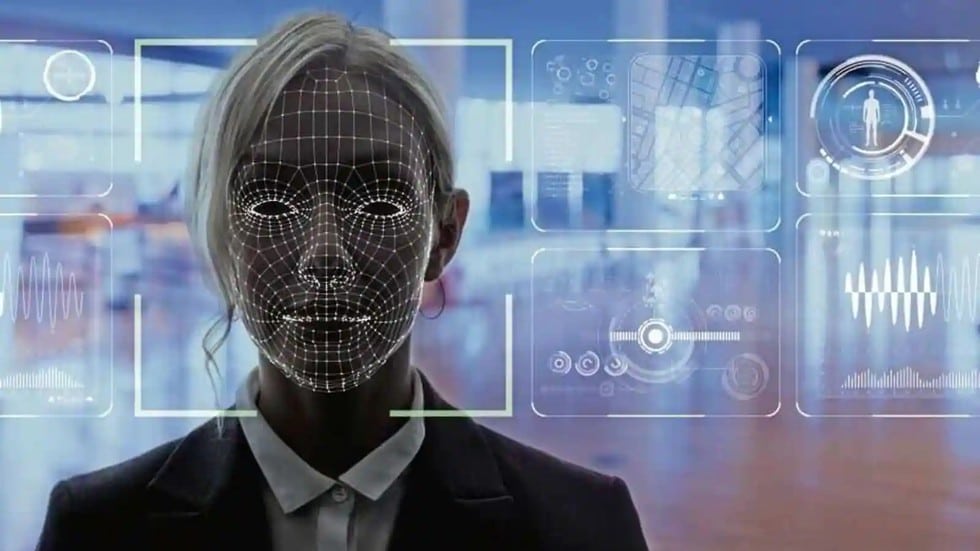
What Is Facial Recognition?
- Facial recognition refers to the technology capable of identifying or verifying a subject through an image, video, or any audiovisual element of the face. Generally, this identification is used to access an application, system, or service and it works like a face scanner.
- It is a method of biometric identification that uses that body measures, in this case, face and head, to verify the identity of a person through its facial biometric pattern and data.
- The technology collects a set of unique biometric data of each person associated with their face and facial expression to identify, verify and/or authenticate a person.
Biometric Facial Recognition Uses Cases
- Face identity recognition uses focus on verification or authentication. This technology is used, for example, in situations such as:
- Second authentication factor, to add extra security in any log-in process.
- Access to mobile applications without a password.
- Access to previously contracted online services (login on online platforms, for example).
- Access to buildings (offices, events, facilities of any kind.
- Payment method, both in physical and online stores.
- Access to a locked device.
- Check-in in tourist services (airports, hotels…).
Benefits of Facial Recognition?
- A fastest process: facial recognition allows for fast and smooth remote identity verification.
- User experience: facial recognition systems offer a unique, smooth, and fast user experience, avoiding the need for time-consuming office visits or video conferences and wait times.
- Security: Like fingerprints or voice, each face is unique and has inimitable characteristics. Facial recognition systems, programs, or software compare through facial biometrics and facial recognition algorithms.
- Compliance: Facial recognition through video identification is the only method recognised as a standard for remote identity verification for high-risk operations (opening bank accounts, signing contracts, etc.)
Q1) Who invented facial recognition technology?
The earliest pioneers of facial recognition were Woody Bledsoe, Helen Chan Wolf and Charles Bisson. In 1964 and 1965, Bledsoe, along with Wolf and Bisson began work using computers to recognise the human face.
Source: Facial Recognition Technology


 Last updated on Oct, 2026
→ UPSC 2027 Notification will be released on 13 January 2027 at upsconline.nic.in.
→ Asian Games 2026 are being held in Aichi-Nagoya, Japan, from 19 September to 4 October.
→ Check Nobel Prize 2026 Winners List here.
→ Download PIB PRiSM Monthly Magazine 2026 here.
→ Check UPSC Monthly Current Affairs Magazine The Recitals here.
→ Check out the latest UPSC Syllabus here.
→ Download UPSC Model Answers for Mains 2026
→ UPSC Mains Question Paper 2026 is out now for Essay & GS Paper 1, 2, 3 & 4.
→ UPSC Calendar 2027 has been released.
→ Enroll in Vajiram & Ravi’s UPSC Mains Test Series 2027 for structured answer writing practice, expert evaluation, and exam-oriented feedback.
→ Join Vajiram & Ravi’s UPSC Mentorship Program 2027 for personalized guidance, strategy planning, and one-to-one support from experienced mentors.
→ Go through the UPSC Mains Previous Year Papers to enhance your preparation.
→ UPSC has released UPSC Toppers List 2025 with the Civil Services final result on its official website.
→ Also check Best UPSC Coaching in India