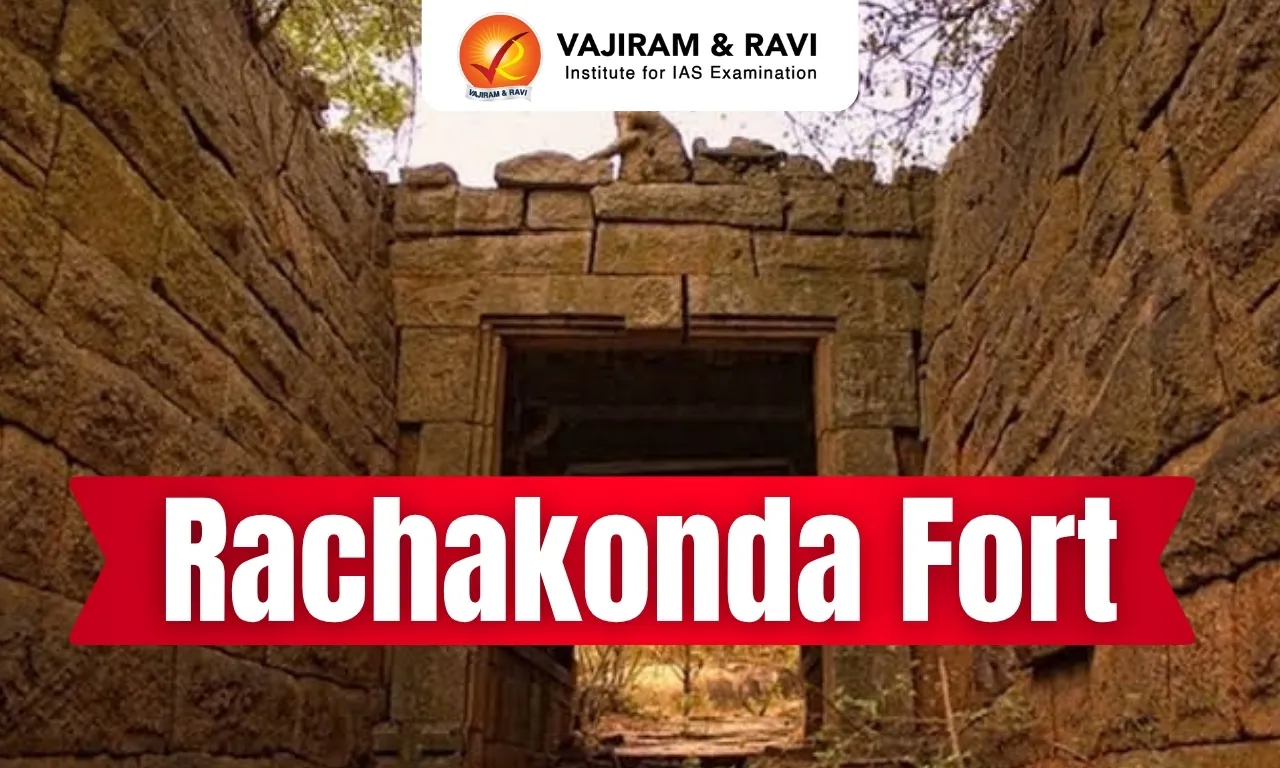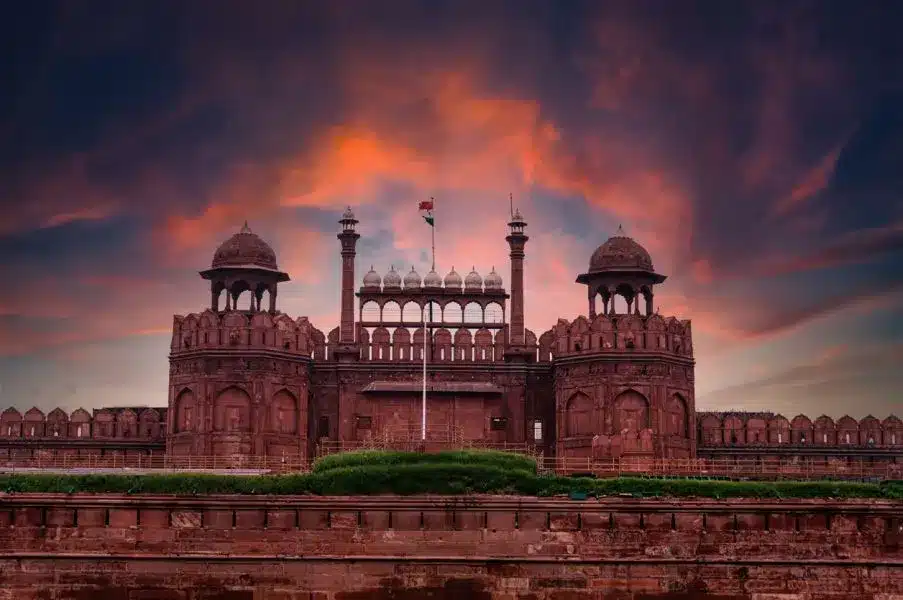
About Monuments of National Importance (MNI)
- The Ancient Monuments and Archaeological Sites and Remains Act (AMASR Act), 1958 (amended in 2010), provides for the declaration and conservation of ancient and historical monuments, and archaeological sites, and remains of national importance.
- Presently, there are 3,693 MNI in India. Uttar Pradesh (745 monuments/sites) have the highest number.
- Declaration:
- The Central Government issues a notification of its intention to declare any ancient monument which archaeologically, historically, or architecturally qualifies to be of national importance by giving two months’ notice, inviting views/objections from the public.
- After considering the views/objections received within the stipulated period, the Central Government may declare the ancient monument to be of national importance by publishing a notification in the official gazette.
- Once a monument or a site is declared to be MNI, their protection and upkeep is the responsibility of the Archaeological Survey of India, under the Ministry of Culture.
- ASI undertakes the conservation, preservation, and maintenance of MNI throughout the country.
- The One-hundred-meter radius of the monument is then considered a ‘prohibited area’ where there is a ban on construction activities. Further 200 meters (i.e., 100+200 meters) are considered a ‘regulated area’ where there are regulations on construction.
- The ASI also has the power to delist monuments it deems to “have ceased to be of national importance” under Section 35 of the Act. Once a monument is delisted, the ASI becomes no longer responsible for protecting these monuments.
Q1) What is the Archaeological Survey of India (ASI)?
ASI, under the Ministry of Culture, Govt of India is the premier organization for the archaeological research and protection of the cultural heritage of the nation. Maintenance of ancient monuments and archaeological sites and remains of national importance is the prime concern of the ASI. Besides, it regulates all archaeological activities in the country as per the provisions of the Ancient Monuments and Archaeological Sites and Remains Act, 1958. It also regulates the Antiquities and Art Treasure Act, 1972.
Source: Why Centre won’t ‘protect’ these 18 ‘lost’ monuments


 Last updated on Oct, 2026
→ UPSC 2027 Notification will be released on 13 January 2027 at upsconline.nic.in.
→ Asian Games 2026 are being held in Aichi-Nagoya, Japan, from 19 September to 4 October.
→ Check Nobel Prize 2026 Winners List here.
→ Download PIB PRiSM Monthly Magazine 2026 here.
→ Check UPSC Monthly Current Affairs Magazine The Recitals here.
→ Check out the latest UPSC Syllabus here.
→ Download UPSC Model Answers for Mains 2026
→ UPSC Mains Question Paper 2026 is out now for Essay & GS Paper 1, 2, 3 & 4.
→ UPSC Calendar 2027 has been released.
→ Enroll in Vajiram & Ravi’s UPSC Mains Test Series 2027 for structured answer writing practice, expert evaluation, and exam-oriented feedback.
→ Join Vajiram & Ravi’s UPSC Mentorship Program 2027 for personalized guidance, strategy planning, and one-to-one support from experienced mentors.
→ Go through the UPSC Mains Previous Year Papers to enhance your preparation.
→ UPSC has released UPSC Toppers List 2025 with the Civil Services final result on its official website.
→ Also check Best UPSC Coaching in India