Gomarda Wildlife Sanctuary Latest News
Chhattisgarh will bring back blackbucks to Gomarda Wildlife Sanctuary after more than five decades.
About Gomarda Wildlife Sanctuary
- It is located in Sarangarh Tehsil, Raigarh District of Chhattisgarh.
- It was notified as a wildlife sanctuary in 1975 and takes its name from Gomarda village within its boundary.
- It covers an area of about 278 sq.km.
- The terrain is gently undulating, with numerous boulders and rocks, unfit for cultivation.
- The rivers Laat and Manai flow through the core area, providing a vital year-round water source for wildlife, especially through the dry summer months.
- Flora:
- The vegetation is typical Tropical Dry Deciduous forest that features tall trees, bamboo patches, and open grasslands.
- It sustains a rich mosaic of Sal, Bija, Tendu, and bamboo forests.
- Fauna:
- One of the most common species spotted are the various species of deer, including spotted deer and Chinkara.
- Wild buffalos can be found roaming near water sources.
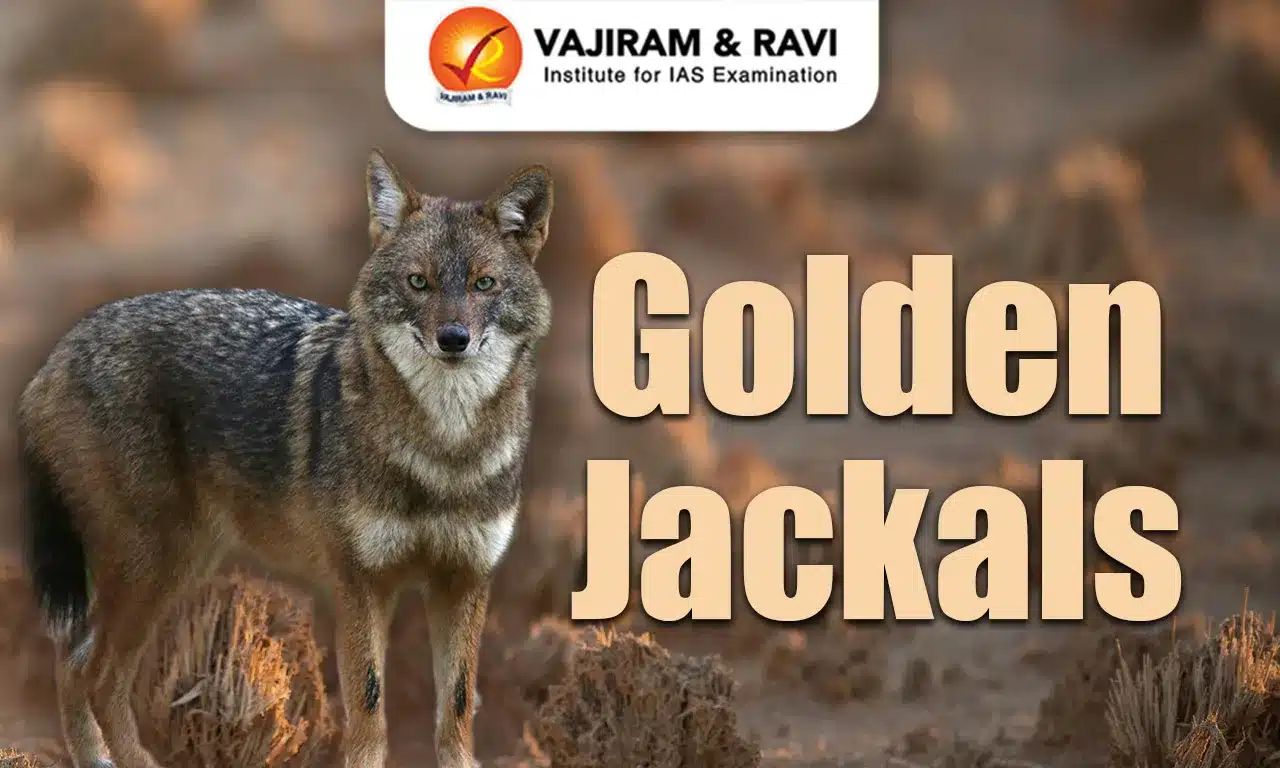
- Other animals include tigers, leopards, Nilgiri, Sambars, Gaurs, Chausingha, Muntjac, Barking Deer, Wild Boar, Sloth Bear, Dhole, or the wild dog, and the jackal.
- Jungle Fowls, Hill Mynas, Wood Peacock, Green Pigeon, Quails, ParrotsStorks, Gray Partridges are popular species of avian fauna in the region.
What is Blackbuck?
- It is a medium-sized antelope belonging to the family Bovidae.
- Scientific Name: Antilope cervicapra
- It is the sole living member of the genus Antilope.
- Habitat and Distribution:
- It is native to the Indian subcontinent, with approximately 90% of its population currently found in India.
- It primarily inhabits open grasslands, bushlands, scrublands, and dry thorn habitats.
- In India, it is widespread in the states of Rajasthan, Gujarat, Madhya Pradesh, Tamil Nadu, Odisha, and other areas throughout peninsular India.
- It has been declared as the state animal by the governments of Punjab, Haryana, and Andhra Pradesh.
- Features:
- Blackbucks have slender and elegant bodies.
- It is known for its beautiful spiraling horns. Horns are found only in males. They are ringed at the base, twisted in a spiral with up to four turns.
- Males are characterised by dark coats, while females are generally lighter in colour and often lack horns.
- Young males and females are lighter in color, often yellowish-brown.
- They have very good eyesight and are also very fast runners, which comprise their main defense against predators.
- They have pointed and delicate hooves.
- They are gregarious and social animals with herds generally ranging from 5 to 50 animals.
- Conservation Status:
- IUCN Red List: Least Concerned
News: IE
Gomarda Wildlife Sanctuary FAQs
Q1: Where is Gomarda Wildlife Sanctuary located?
Ans: It is located in Sarangarh Tehsil, Raigarh district of Chhattisgarh.
Q2: What are the major geographical features of Gomarda Wildlife Sanctuary?
Ans: It has gently undulating terrain with numerous boulders and rocks, making it unsuitable for cultivation.
Q3: Which rivers flow through the core area of Gomarda Wildlife Sanctuary?
Ans: The Laat and Manai rivers.
Q4: What type of forest vegetation is found in Gomarda Wildlife Sanctuary?
Ans: Tropical Dry Deciduous Forest.