What Does the Word ‘Sovereignty’ Mean?

What Does the Word ‘Sovereignty’ Mean?

 What’s in today’s article?

  • Why in news?
  • Sovereignty
  • What does the word ‘sovereignty’ mean?
  • Word ‘sovereignty’ in India’s Constitution
  • How does the Constitution use the word ‘sovereignty’?
  • What is the relationship of the Indian states with the sovereign Union?
  • What provisions of the Constitution attest to the superior position of the Centre?


Why in news?

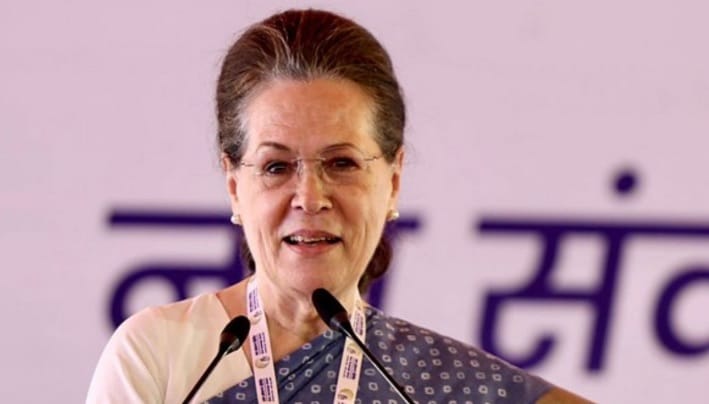
  • A massive political storm broke out over sovereignty remarks in the run-up to the Karnataka Assembly election 2023.
  • The twitter handle of a prominent political party of India mentioned that it will not allow anyone to pose a threat to Karnataka's reputation, sovereignty or integrity.
  • The other political party claimed that any call to protect the sovereignty of a member state of the Union of India amounts to a call for secession.
    • It has filed a complain against this statement to the Election Commission of India.
    • In its complaint, this political party invokes section 29A (5) of the Representation of People Act 1951.
    • This section states that an association or body registered under the Act shall adhere to the Constitution and uphold the sovereignty, unity and integrity of India.
      • All registered political parties have to comply with these conditions.


What does the word ‘sovereignty’ mean?

  • Sovereignty is simply the idea of having supreme authority over a defined territory. It means the country has its own independent authority and is not under control of any external entity.
  • Western philosophers used the concept to describe the supremacy of the state — along with its institutions such as the government, the judiciary, and parliament — over the people being governed.
  • E.g., English philosopher Thomas Hobbes believed that in exchange for the protection offered by the government to its people, and its role in keeping society cohesive and at peace through its control over law and order, the state had a legitimate claim to sovereignty.


Word ‘sovereignty’ in India’s Constitution

  • The word sovereignty appears in the beginning of the Preamble to the Constitution of India, as the first attribute of the independent republic of India.
  • Its placement as the first among the core principles of the republic underlines its importance in the Constitution.
    • Dr B R Ambedkar meant for the word to reaffirm the role that the people of India had played in the drafting of their Constitution.


How does the Constitution use the word ‘sovereignty’?

  • The word ‘sovereignty’ is invoked in the Indian Constitution to declare the ultimate sovereignty of the people of India and that the Constitution rests on their authority.
  • This is illustrated in the fact that India was totally independent on January 26, 1950, while Pakistan continued to be a British Dominion in 1956, meaning it still had the British monarch as the Head of State.
  • Sovereignty is mentioned in the Constitution under Fundamental Duties.
    • Article 51A(c) states that it is the duty of all citizens to uphold and protect the sovereignty, unity and integrity of India.
  • It is also mentioned in the oaths for positions like the Chief Justices, Union Ministers and Members of Parliament under the Third schedule.


What is the relationship of the Indian states with the sovereign Union?

  • Article 1(1) of the Constitution sets out the fundamental relationship between the states and the Centre: “India, that is Bharat, shall be a Union of States.”
  • Dr Ambedkar explained this to mean that:
    • The Indian federation is not a result of an agreement by the units, and
    • The component units have no freedom to secede or break away from it.
  • In its structural composition, the Indian political system is described as “quasi-federal”.
    • The political theorist K C Wheare described it as “a Unitary State with subsidiary federal features rather than a Federal State with subsidiary unitary features.”
  • The choice of a unitary bias that the Constitution makers made was possibly rooted in the turmoil of the Partition, and the difficulty in getting around 600 princely states to accede to India.


What provisions of the Constitution attest to the superior position of the Centre?

  • As per political experts, except in a few specified matters affecting the federal structure, the States need not even be consulted in the matter of amendment to the bulk of the Constitution.
  • The Governors in states, seen as representatives of the Union in the States, are appointed “during the pleasure” of the President.
  • The right to alter the boundaries of states and to create new states lies with Parliament alone.
    • The Constitution offers no guarantee to the States against their territorial integrity without their consent since it was not a result of an ‘agreement’ between the States.


Q1) What is Federalism?

Federalism is a system of government in which power is divided between a central authority and constituent political units, such as states or provinces. In a federal system, the central government and the constituent units each have their own set of powers and responsibilities, which are established by a constitution or other governing document.


Q2) What is the Third schedule of Indian constitution?

The Third Schedule of the Indian Constitution contains the oaths and affirmations that are required to be taken by various public officials, including elected officials and judges.


Source: Sonia Gandhi row: What does the Constitution say about the sovereignty of India? | Indian Express | First Post | The Wire

India’s first Air Force Heritage Centre

India’s first Air Force Heritage Centre

About Indian Air Force Heritage Centre:

  • Location: Chandigarh.
  • This is the first heritage centre of the IAF and is spread over 17,000 square feet.
  • The heritage centre highlights the IAF’s role in various wars, including in 1965 and 1971 and the Kargil War, and the Balakot air strike through murals and memorabilia.
  • It houses five vintage aircraft and will provide visitors with cockpit exposure and an experience with flight simulators.
  • It also houses the first IAF-made patent aircraft Air Force ‘Kanpur-1 Vintage Prototype Aircraft’, a single-engine indigenous flying machine designed and built by the late Air Vice Marshal Harjinder Singh in 1958 at Base Repair Depot Kanpur.
  • The centre also showcases augmented reality, holograms, virtual reality, and electro-mechanical enclosures, interactive kiosks highlighting various facets of the IAF.
  • The centre also has a special segment which has been dedicated to women officers in the IAF for their contribution to the service of the nation.
  • An audio-visual gallery will present the journey of the IAF through time, tracing its evolution from its inception to the modern day as well as promotional movies.
  • There is a section where uniforms of the IAF will be shown, besides an enclosure for its ranks and badges.


Q1) What is the motto of the Indian Air Force (IAF)?

The Motto of the Indian Air Force (Touch the sky with Glory) has been taken from the eleventh chapter of the Gita, the Discourse given by Lord Krishna to Arjuna on the battlefield of Kurukshetra during the Great War of Mahabharata.

Source: Rajnath Singh inaugurates country’s first Air Force Heritage Centre in Chandigarh

Doval in Saudi to discuss US rail link plan for West Asia

Doval in Saudi to discuss US rail link plan for West Asia

What’s in today’s article?

  • Why in news?
  • What is I2U2?
  • What is China’s Belt and Road Initiative (BRI)?
  • News Summary: Doval in Saudi to discuss US rail link plan for West Asia
  • Background: Origin of the new initiative
  • Key highlights of the meeting
  • Why India is keen to participate in the project?


Why in news?

  • Recently, Saudi Prince and Prime Minister hosted a special meeting of the National Security Advisers (NSAs) of India, the U.S. and the UAE, in the Kingdom of Saudi Arabia.
    • This meeting is being billed as another important Quad in West Asia.
  • The participating leaders discussed an ambitious infrastructure project that will counter China's efforts to expand its footprint through Belt and Road Initiative (BRI).


What is I2U2?

  • I2U2 is a diplomatic group of the India, Israel, the UAE and the United States.
    • It stands for India-Israel-UAE-USA.
    • US Secretary of State Antony Blinken has used the I2-U2 moniker for the four-member grouping.
  • The grouping was launched in October 2021 when the first virtual meeting of the foreign ministers of India, Israel, the US and the UAE took place.
  • The new grouping is described as an international forum for economic cooperation.
  • This grouping is already being termed as a New Quad’ or the ‘Middle-Eastern Quad’.
  • Objective – To generate synergies that go beyond government level cooperation.


What is China’s Belt and Road Initiative (BRI)?

  • China’s Belt and Road Initiative (also known as One Belt, One Road (OBOR)) envisages the construction of a maze of road, rail and port projects through a number of countries.
  • It aims to strengthen Beijing’s economic leadership through a vast program of infrastructure building throughout China’s neighbouring regions.
  • This initiative is called “21st century silk road,” and is made up of
    • a belt of overland corridors (also known as silk road economic belt)
    • a maritime road of shipping lanes.


News Summary: Doval in Saudi to discuss US rail link plan for West Asia

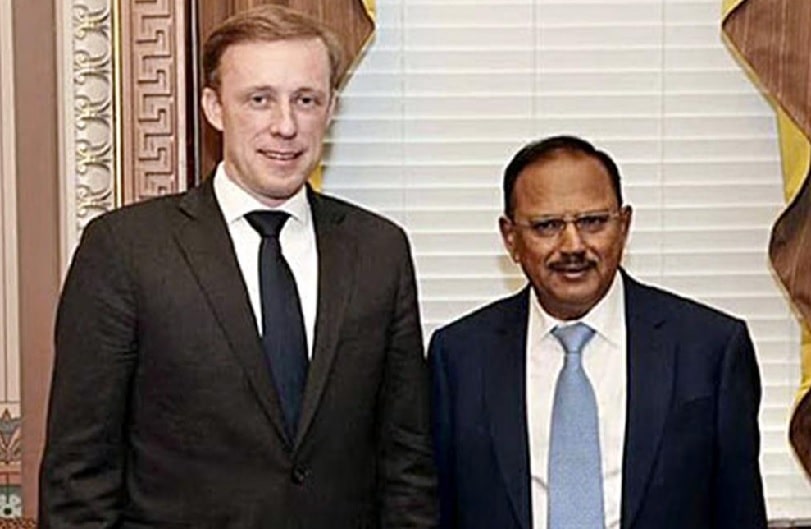
  • Recently, National Security Advisor Ajit Doval met his counterparts from the US, Saudi Arabia and the United Arab Emirates.
  • The leaders discussed an ambitious proposal to link West Asian countries through railusing Indian expertise — and connect the region to South Asia via sea lanes.
    • The proposal is being pushed by the White House.


Background: Origin of the new initiative

  • The new initiative came up during talks that were held over the last 18 months in another forum called I2U2.
  • Israel raised the idea of connecting the region through railways during the I2U2 meetings over the last year.
  • Part of the idea was to use India’s expertise on such big infrastructure projects.


Key highlights of the meeting:

  • The participants discussed the broad contours of the massive joint project to build railway, maritime and road connectivity in the larger region.
  • This project aims to link the Indian subcontinent in South Asia with West Asia — which the US calls the Middle East.
    • In other words, the project would connect Gulf and Arab countries via a network of railways.
    • This network would also be connected to India via shipping lanes from ports in the region.


Why India is keen to participate in the project?

  • Presence of China in the West Asian region
    • Beijing has expanded its sphere of political influence in the West Asian region through what Delhi views as mission creep.
      • Mission creep is a term used to describe a situation where a mission or project expands gradually beyond its original goals, often without clear direction or oversight.
    • The breakthrough in ties between Saudi Arabia and Iran had caught India unawares.
      • This breakthrough was mediated by China and it gave Beijing a space in the West Asia region.
  • India’s interests in West Asia
    • This project has potential implications for India’s interests in West Asia, which provides energy security.
      • Such connectivity will allow for faster movement of the crude and minimise India’s costs in the long term.
    • The connectivity boost will also help India’s eight million citizens who live and work in the Gulf region.
  • India as an infrastructure builder
    • The project will help India build a brand as an infrastructure builder in the railways sector.
    • Boasting a strong rail network at home and buoyed by the success of creating such infrastructure in Sri Lanka, India has the confidence to do it overseas.
    • This will also have the effect of countering the Chinese Belt and Road project, which has burdened many countries in the region with infrastructure that has limited utility.
  • India’s connectivity to its western neighbours faces several challenges
    • India feels that India’s connectivity to its western neighbours has been limited for long by Pakistan’s blocking of overland transit routes.
    • So, Delhi wants to use shipping routes to reach West Asian ports.
    • These include Chabahar and Bandar-e-Abbas (Iran), Duqm (Oman), Dubai (UAE), Jeddah (Saudi Arabia) and Kuwait City.


Q1) What is Middle East?

The Middle East is a term used to refer to a region that encompasses southwestern Asia and parts of North Africa. The term "Middle East" has been used to describe the region since the early 20th century, and its borders are not precisely defined, but generally include countries such as Iran, Iraq, Israel, Jordan, Lebanon, Saudi Arabia, Syria, Turkey, the Palestinian territories, and Yemen, as well as parts of North Africa, including Egypt and Libya.


Q2) What is the Gulf region?

The Gulf region is a geographic area located in the Middle East that surrounds the Persian Gulf, a body of water that is bordered by Iran to the north and the Arabian Peninsula to the south. The countries that are considered part of the Gulf region are Bahrain, Kuwait, Oman, Qatar, Saudi Arabia, and the United Arab Emirates.


Source: Doval in Saudi to discuss US rail link plan for West Asia | The Hindu | Economic Times

Regulations for Tackling Misleading Ads and Claims

Regulations for Tackling Misleading Ads and Claims

What’s in today’s article?

  • Why in News?
  • What has been Observed in the Food Advertising Ecosystem in India? 
  • Some Misleading Words in the Food Advertising Ecosystem in India
  • Regulations for Tackling Misleading Ads and Claims
  • Way Ahead


Why in News?

  • The Advertisement Monitoring Committee at the Food Safety and Standards Authority of India (FSSAI) flagged 32 fresh cases of food business operators (FBOs) making misleading claims and advertisements.
  • They were found to be in contravention of the Food Safety and Standards (Advertisements & Claims) Regulations, 2018.


What has been Observed in the Food Advertising Ecosystem in India? 

  • FSSAI seeks that the advertisements and claims be truthful, unambiguous, meaningful, not misleading and help consumers to comprehend the information provided.
  • Claims must be scientifically substantiated by validated methods of characterising or quantifying the ingredient or substance that is the basis for the claim. 
  • According to the Advertising Standards Council of India (ASCI), food advertising has been a “fairly violative sector”.
  • Last month, an uproar ensued after allegations were made against health drink Bournvita.


Some Misleading Words in the Food Advertising Ecosystem in India:

  • Natural: A food product can be referred to as ‘natural’ if it is a single food derived from a recognised natural source and has nothing added to it. 
    • Therefore, composite foods - a mixture of plant and processed constituents, can be called ‘made from natural ingredients’ instead of ‘natural’.
  • Fresh: It can be used for products which are not processed in any manner other than washing, peeling, chilling, trimming, cutting or irradiation by ionising radiation (not exceeding 1 kGy to delay in ripening, killing of insects/pests, etc). 
    • The regulations forbid the ‘fresh’ reference if the processing endeavours to achieve an extension in the shelf-life of the product (may instead use ‘fresh frozen’).
  • Pure and original:
    • ‘Pure’ is to be used for single-ingredient foods to which nothing has been added and which are devoid of all avoidable contamination. 
    • ‘Original’ is used to describe food products made to a formulation, with a traceable origin that has remained unchanged over time.
  • Nutritional claims:
    • Nutritional claims may either be about the specific contents of a product or comparisons with some other foodstuff. 
    • Claims of equivalence such as “contains the same of (nutrient) as a (food)” or “as much (nutrient) as a (food)” may be used in the labelling. 
    • According to the ASCI, most complaints of misleading Ads were related to the nutrition of a product, its benefits and the ingredient mix not being based on adequate evidence. 


Regulations for Tackling Misleading Ads and Claims:

  • The Food Safety and Standards Act, 2006:
    • It prohibits product claims suggesting suitability for prevention, alleviation, treatment or cure of a disease, disorder or particular psychological condition unless specifically permitted under the Act. 
    • Making deceptive claims or advertisements are punishable offences and may invite penalties of up to Rs 10 lakh apart from suspension/cancellation of licenses for repeated offences. 
  • The Food Safety and Standards (Advertisements & Claims) Regulations 2018: The focus of the regulation is to make the Companies accountable for their claims on food products and cater to the interest of customers.
  • The Consumer Protection Act 2019: Under this, Central Consumer Protection Authority (CCPA) was set up as a regulatory body in relation to matters (such as wrong advertisements) affecting rights of consumers.
  • The Programme and Advertising Codes: These are prescribed under the Cable Television Network Rules 1994 and underlines that advertisements must not give claims which are difficult to be proved.


Way Ahead:

  • FBOs must desist from making any unscientific and/or exaggerated claims and advertisements to promote their product sales to avoid enforcement actions and in larger consumer interest. 
  • They must be in consonance with principles of Good Clinical Practices (GCP) and peer-reviewed or published in a peer-reviewed scientific journal.


Q1) What is the Advertising Standards Council of India (ASCI)?

The ASCI is a voluntary self-regulatory organization of the advertising industry in India. Established in 1985, ASCI is registered as a non-profit company under section 25 of the Company Act.


Q2) What is the Food Safety and Standards Authority of India (FSSAI)?

FSSAI is a statutory body established [under the Food Safety and Standards Act, 2006] under the Ministry of Health & Family Welfare. It is responsible for protecting and promoting public health through the regulation and supervision of food safety.


Source: Explained | Misleading food ads and regulations to curtail them

Why Does India Not Have a Law to Recall Bad Drugs From the Market?

Why Does India Not Have a Law to Recall Bad Drugs From the Market?

What’s in today’s article?

  • Background (Context)
  • Delay in Legalising the Recalling of Substandard Drugs
  • What Are the Consequences of This Delay?
  • How Can This Situation be Improved Upon?
  • About Drug Controller General of India (DCGI)


Background (Context)

  • Recently, Abbot, a multinational pharmaceutical company, published a public notice in newspapers alerting people about a mislabelled batch of medicine that it had inadvertently shipped to the market.
  • Such recalls take place regularly in the U.S., including by Indian companies.
  • This is because, in the U.S., pharmaceutical companies are required to recall from the market those batches of drugs that have failed to meet quality parameters.
  • India, on the other hand, has been mulling the creation of a mandatory recall law for substandard drugs since 1976.
  • However, till date, no such no law exists that mandates such medicine be removed from the market to this day.


Delay in Legalising the Recalling of Substandard Drugs

  • In 1976, the Drugs Consultative Committee (DCC), and the Central Drug Standard Control Organisation (CDSCO), discussed the issue of drug recalls.
    • DCC consists of all the state drug controllers along with senior bureaucrats from the Ministry of Health.
  • The minutes of this meeting record a discussion on how drugs ordered to be recalled by a state drug controller in one state were found to be on sale in a neighbouring state.
  • The meeting resolved to have greater cooperation between various state drug controllers in order to facilitate better coordination to recall and destroy drugs that failed tests.
  • But this decision never translated into amending the law to create a binding legal structure to enforce such recalls.
  • In 2012, the CDSCO proposed a set of draft recall guidelines. However, only the Ministry of Health or, more importantly, the Drug Regulation Section of the Ministry, can initiate the process to make binding rules or legislation.
  • The same issue came up again in 2018 and 2019 at the meetings of the DCC, but India still lacks a recall law, 46 years on.


What Are the Consequences of This Delay?

  • Every month, dozens of drugs fail random-testing in government laboratories.
  • People, including children, are almost certainly dying or suffering from adverse health events because substandard drugs are not swiftly removed from the market.


How Can This Situation be Improved Upon?

  • Currently, India’s Drug Regulatory Framework is highly fragmented, with each state having its own drug regulator.
  • This has led to inconsistent enforcement of the law and jurisdictional issues because drugs from one state can be sold in another but drug inspectors from one state cannot inspect manufacturing facilities in other states.
  • To create an effective recall mechanism, the responsibility of recalling drugs has to be centralised.
  • There has to be a single authority that has the legal power to hold companies liable for failures to recall drugs from across the country, and further, to also search and seize batches of failed medicine.
  • All manufacturing facilities should be licensed by a national regulator.


About Drug Controller General of India (DCGI)

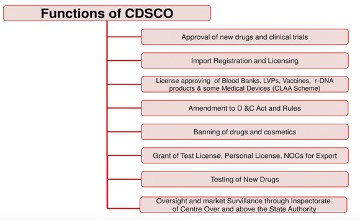
  • Drugs Controller General of India is the head of department of the Central Drugs Standard Control Organization (CDSCO).
  • The CDSCO is the Central Drug Authority for discharging functions assigned to the Central Government under the Drugs and Cosmetics Act, 1940.


Image Caption: Functions of CDSCO


  • Nodal Ministry – Ministry of Health & Family Welfare


Q1) What is the Red Line Campaign in Pharma?

Tablet packs with a red stripe indicate that these cannot be purchased without a doctor's prescription.


Q2) What are the 8 diseases covered under Mission Indradhanush?

Tuberculosis, Diphtheria, Pertussis, Tetanus, Polio, Hepatitis B, Pneumonia and Meningitis due to Haemophilus Influenzae type b (Hib), Measles.


Source: Explained | Why does India not have a law to recall bad drugs from the market?

Coal Gasification

Coal Gasification

Coal Gasification Latest News

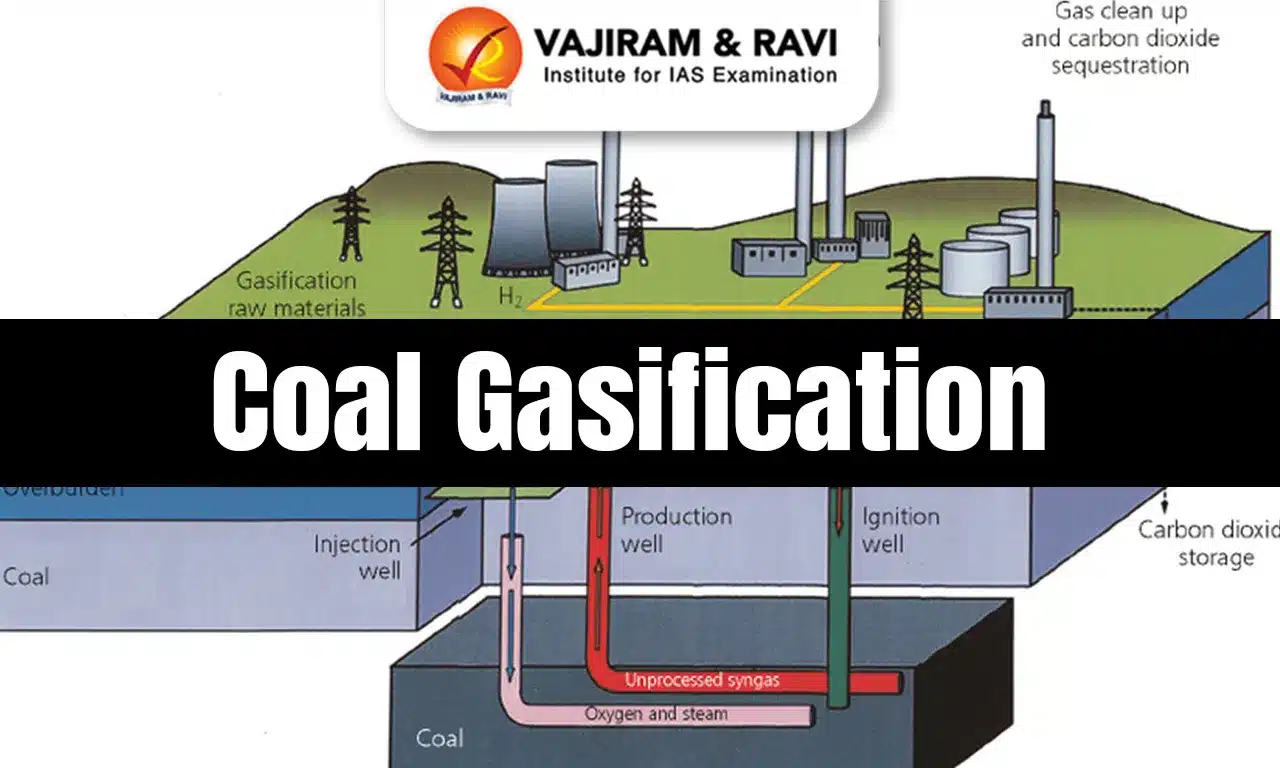
The Ministry of Coal has signed the Coal Gasification Plant Development and Production Agreement (CGPDPA) with selected applicants under Category II of the Coal Gasification Financial Incentive Scheme.

What is Coal Gasification?

  • Coal gasification is a thermo-chemical process that converts coal into syngas, a synthetic gas composed mainly of carbon monoxide (CO)hydrogen (H₂)carbon dioxide (CO₂)methane (CH₄), and water vapour (H₂O).
  • Coal is reacted at high temperatures (1000–1400°C) with a controlled amount of oxygen and steam, producing syngas.

Process of Coal Gasification

  • Preparation: Coal is finely crushed to increase surface area.
  • Gasification reactor: The powdered coal is fed into a reactor with limited oxygen/air and steam.
  • Chemical reactions: Coal breaks down into syngas components due to partial oxidation.
  • Gas cleaningImpurities like tar, sulfur, and dust are removed from raw syngas.

Ex-situ vs In-situ Gasification

Aspect

Ex-situ Gasification

In-situ Gasification

Location

Above ground in controlled gasifiers

Underground, in coal seams

Process

Coal is extracted and gasified in reactors

Oxygen and steam are injected into the coal seam to generate syngas underground

Application

Suitable for shallow reserves

Ideal for deep or unmineable coal seams

Efficiency

More energy is used in mining and handling

More energy-efficient for deeper deposits

About the Coal Gasification Financial Incentive Scheme 

  • Launched: January 24, 2024.
  • Total outlay: ₹8,500 crore.
  • Target: Achieve 100 million tonnes of coal gasification by 2030.
  • Aim: To efficiently utilise India’s domestic coal reserves for sustainable industrial development.
  • It promotes both public and private sector participation for setting up coal gasification infrastructure.
  • Aligned with India’s goal of a clean coal transitionenergy security, and reduction of import dependency.

Coal Gasification FAQs

Q1. What is coal gasification?
Ans. Coal gasification is a process of converting coal into syngas (a mixture of carbon monoxide, hydrogen, and carbon dioxide), which can be used for power generation and as chemical feedstock.

Q2. What are syngas used for?
Ans. Syngas is used for electricity generation, production of methanol, fertilisers, and as a substitute for natural gas.

Source: PIB

Beta feature


  •  
  •  
  •  
  •  
  •  
  • Beta
Beta feature

About Pradhan Mantri National Apprenticeship Mela

About Pradhan Mantri National Apprenticeship Mela

About Pradhan Mantri National Apprenticeship Mela:

  • The Ministry of Skill Development and Entrepreneurship will be organising the Pradhan Mantri National Apprenticeship Mela every month now on.
  • It's objective is to connect the youth with more opportunities of on-ground training within corporates and further a chance to get employment.
  • Individuals having a 5th-12th grade pass certificate, a skill training certificate, an ITI Diploma, or a graduate degree can apply for an interview across these trades/opportunities.
  • The candidates will be given a choice of 500+ trades, including welders, electricians, housekeepers, beauticians, mechanics, and others.
  • Candidates will also receive Apprenticeship certificates recognised by the National Council for Vocational Education and Training (NCVET) at the end of their training period, which will give them industry recognition.


Q1) What is the Apprenticeship certificate?

Apprenticeship Training is a course of training in any industry or establishment, undergone in pursuance of a contract of apprenticeship between employer and apprentices and under prescribed terms and conditions.

Source: Pradhan Mantri National Apprenticeship Mela to be organised in more than 200 districts across the country today

Europe Day

Europe Day

About Europe Day:

  • Victory in Europe Day (V-E Day or simply, Europe Day) is one of the most important days in the history of Europe.
  • It was on May 8, 1945 (May 9 in Eastern Europe) that the surrender of the German armed forces was formally accepted, bringing an end to a war that had killed millions on battlefields, across bombarded cities and in brutal concentration camps.

End of the War in Europe

  • World War II officially began in 1939, with Germany’s invasion of Poland drawing Britain into the War.
  • While Germany enjoyed initial success, conquering much of Western Europe and making inroads in the East, the Luftwaffe’s failure in the Battle of Britain, Hitler’s doomed invasion of Soviet Russia, and the entry of the US into the conflict in 1941 would soon turn the tide.
  • By 1945, Germany faced inevitable defeat.
  • On the East, the Red Army marched towards Berlin with its enormous manpower and resource base.
  • On the West, British, American and other allied troops hastened towards the German capital, after the successful D-Day landings on June 6, 1944.
  • Germany’s biggest European ally Italy had collapsed and the Japanese were preparing for a lengthy campaign to defend their home islands, having lost most of the territory they had gained in the early years of the War.
  • Thus, on April 30, 1945, as the Battle of Berlin raged on with both Soviets and Western Allies competing with each other to capture the city, German Fuhrer and Nazi Party supremo Adolf Hitler died by suicide.

Europe Day today:

  • However, today, almost every European country marks V-E Day, in remembrance of a War which killed at least 40-50 million people in the continent (including the Soviet death toll). In some countries, Europe Day is a national holiday.
  • People across Europe mark the day by flying national flags or white “peace” flags.
  • In Russia and former Soviet countries, VE Day is marked with military parades and a display of the nation’s armed strength.
  • In Germany, it is celebrated as a sombre occasion, a reminder of the path the country briefly took and a commemoration of the bravery and sacrifice of those within Germany who stood up to the Nazi regime.


Q1) Why did Adolf hitler start WW2?

Obsessed with the idea of the superiority of the “pure” German race, which he called “Aryan,” Hitler believed that war was the only way to gain the necessary “Lebensraum,” or living space, for the German race to expand.

Source: EU in Israel cancels Europe Day event over Ben-Gvir: What is this day

Financial Stability and Development Council (FSDC)

Financial Stability and Development Council (FSDC)

About Financial Stability and Development Council (FSDC):

  • It is an apex-level forum constituted by the Government of India in December 2010.
  • Status: FSDC is not a statutory body. No funds are separately allocated to the council for undertaking its activities.
  • Objective: Strengthening and institutionalizing the mechanism for maintaining financial stability, enhancing inter-regulatory coordination and promoting financial sector development.
  • Composition:
    • It is chaired by the Union Finance Minister of India.
    • Its members include the heads of financial sector Regulators (RBI, SEBI, PFRDA, IRDA & FMC) Finance Secretary and/or Secretary, Department of Economic Affairs, Secretary, Department of Financial Services, and Chief Economic Adviser.
    • The Council can invite experts to its meeting if required.
  • Functions:
    • It monitors macroprudential supervision of the economy, including the functioning of large financial conglomerates.
    • It addresses inter-regulatory coordination and financial sector development issues.
    • It also focuses on financial literacy and financial inclusion.
  • Sub-committee of FSDC
    • A sub-committee of FSDC has also been set up under the chairmanship of Governor RBI. 
    • It discusses and decides on a range of issues relating to financial sector development and stability, including substantive issues relating to inter-regulatory coordination.


Q1) What are Macroprudential policies?

Macroprudential policies are financial policies aimed at ensuring the stability of the financial system as a whole to prevent substantial disruptions in credit and other vital financial services necessary for stable economic growth.

Source: Nirmala Sitharaman chairs the 27th meeting of Financial Stability and Development Council, watch!

CISO Deep-Dive Training Programme

CISO Deep-Dive Training Programme

About CISO Deep-Dive Training Programme:

  • The five-day intensive training programme is designed for designated CISOs from Central and State/UT Governments, subordinate agencies/PSUs, including public sector banks and insurance companies, technical wings of police and security forces, CTOs and members of technical/PMU teams; also, officers responsible to observe security of IT systems in their respective organisations.
  • The deep-dive training specifically aims at educating and enabling CISOs to understand cyber-attacks comprehensively and thoroughly, get necessary exposure in latest technologies of safeguard, and translate the benefits of a resilient e-infrastructure to individual organisations and citizens at large.
  • The training also focuses on providing a holistic view of legal provisions, enabling CISOs to formulate policies in the domain of cyber security and build concrete cyber crisis management plans.
  • Launched in 2018, the CISO training is the first-of-its-kind of partnership between the Government and industry consortium under Public Private Partnership (PPP) model.
  • Cyber Surakshit Bharat:
  • Cyber Surakshit Bharat is the initiative of Ministry of Electronics and Information Technology (MeitY), which was conceptualised with the mission to spread awareness about cyber-crime and build capacities of Chief Information Security Officers (CISOs) and frontline IT officials, across all government departments, for ensuring adequate safety measures to combat the growing menace – Organisations need to defend their digital infrastructures and become future-ready in tackling cyber-attacks.  


Q1) What is the public-private partnership model in India?

The public–private partnership (PPP or 3P) is a commercial legal relationship defined by the Government of India in 2011 as "an arrangement between a statutory / government owned entity on one side and a private sector entity on the other, for the provision of public assets and/or public services, through investments

Source: NeGD organises 36th CISO Deep-Dive Training Programme Under Cyber Surakshit Bharat

Maharana Pratap

Maharana Pratap

About:

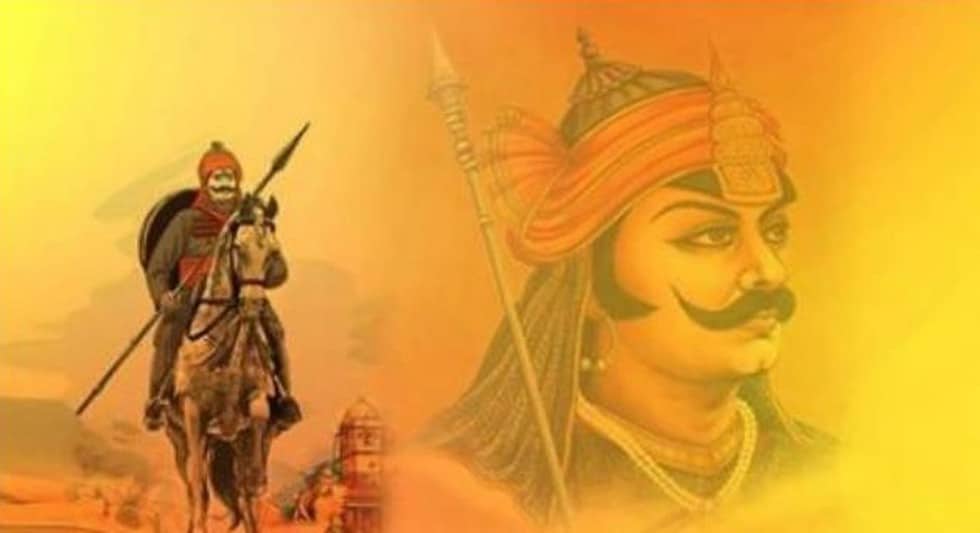
  • Pratap Singh popularly known as Maharana Pratap, was a king of Mewar, a region in the present day state of Rajasthan.
  • He was the eldest son of Udai Singh II (founder of city of Udaipur).
  • Battle of Haldighati: It was fought on 18 June 1576 between the forces Maharana Pratap; and the Mughal emperor Akbar's forces, led by Man Singh I of Amber. The Mughals were the victors but failed to capture Pratap, who escaped.
  • Resurgence: Mughal pressure on Mewar relaxed after 1579 following rebellions in Bengal and Bihar. Taking advantage of the situation, Pratap recovered Western Mewar including Kumbhalgarh, Udaipur and Gogunda. During this period, he also built a new capital, Chavand, near modern Dungarpur.
  • Chetak: Chetak is the name given in traditional literature to the horse ridden by Maharana Pratap at the Battle of Haldighati. However, some Historians debate it. According to tradition, Chetak, although wounded, carried Pratap safely away from the battle, but then died of his wounds. The story is recounted in court poems of Mewar from the 17th century onwards.
  • Pratap Gaurav Kendra: It is a tourist spot at Tiger Hill in Udaipur city, Rajasthan. It aims at providing information about Maharana Pratap and the historical heritage of the area with the help of modern technology.


Q1) What is Akbar famous for?

Akbar's reign significantly influenced the course of Indian history. During his rule, the Mughal Empire tripled in size and wealth. He created a powerful military system and instituted effective political and social reforms.
Source: PM pays tributes to Maharana Pratap on his Jayanti

Katepurna Wildlife Sanctuary

Katepurna Wildlife Sanctuary

About Katepurna Wildlife Sanctuary:

  • Location: It is located in Akola District of Maharashtra.
  • This Sanctuary area is the catchment of Katepurna Reservoir, and it forms an aquatic habitat for many floral and faunal species.
  • The sanctuary derives its name from the Katepurna River, which flows south to Northward almost through the central part of the sanctuary.
  • Landscape: It is undulating and offers an interesting contrast between the plateau and the plains.
  • Vegetation: Southern tropical dry deciduous forest.
  • Flora:
    • The main species are Ain, Dhawada, Kalamb, Salai, Haldu, Medshing, Tendu etc.
    • Trees of Vad, Umber, Arjun, and Kalamb are found in moist areas.
  • Fauna:
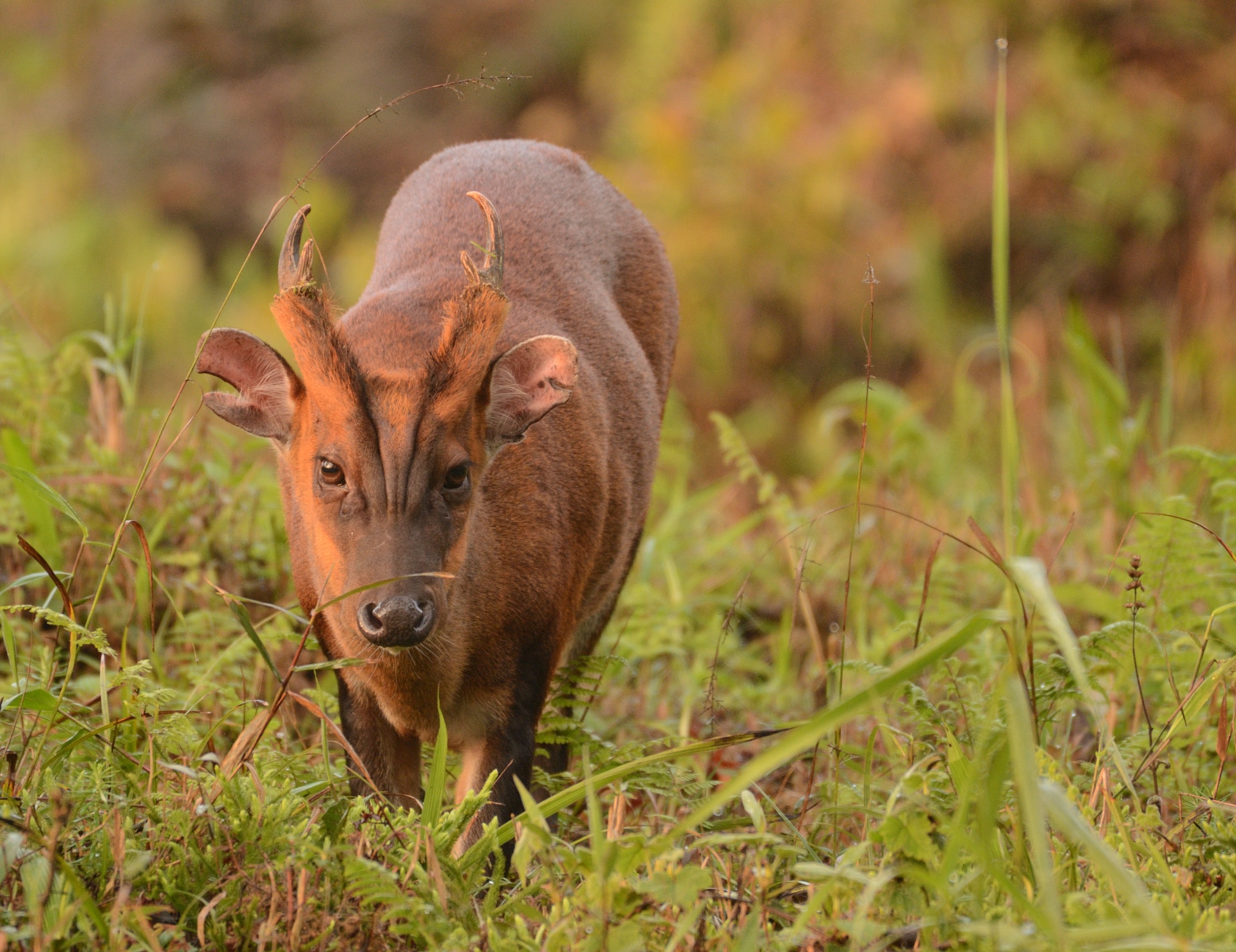
    • It is renowned for its four-horned antelope and barking deer.
    • Other animals that you can see at the sanctuary include black buck, leopard, wolf, wild boar, hyena, hare, nilgai, jungle cat and monkey.


Q1) What is a Wildlife Sanctuary?

A Wildlife Sanctuary can be termed as a large geographical piece of land, usually forested, where animals are kept in their natural habitats. The primary purpose of designating areas as a Wildlife Sanctuary is to provide a shelter or refuge to the animals so that they can live and thrive in their natural homes. A Wildlife Sanctuary also insulates animals from being killed by poachers or from other more fierce animals.   

Source: Akola: Nature enthusiasts spot 309 animals during Katepurna Sanctuary initiative

What is the Airbus C295?

What is the Airbus C295?

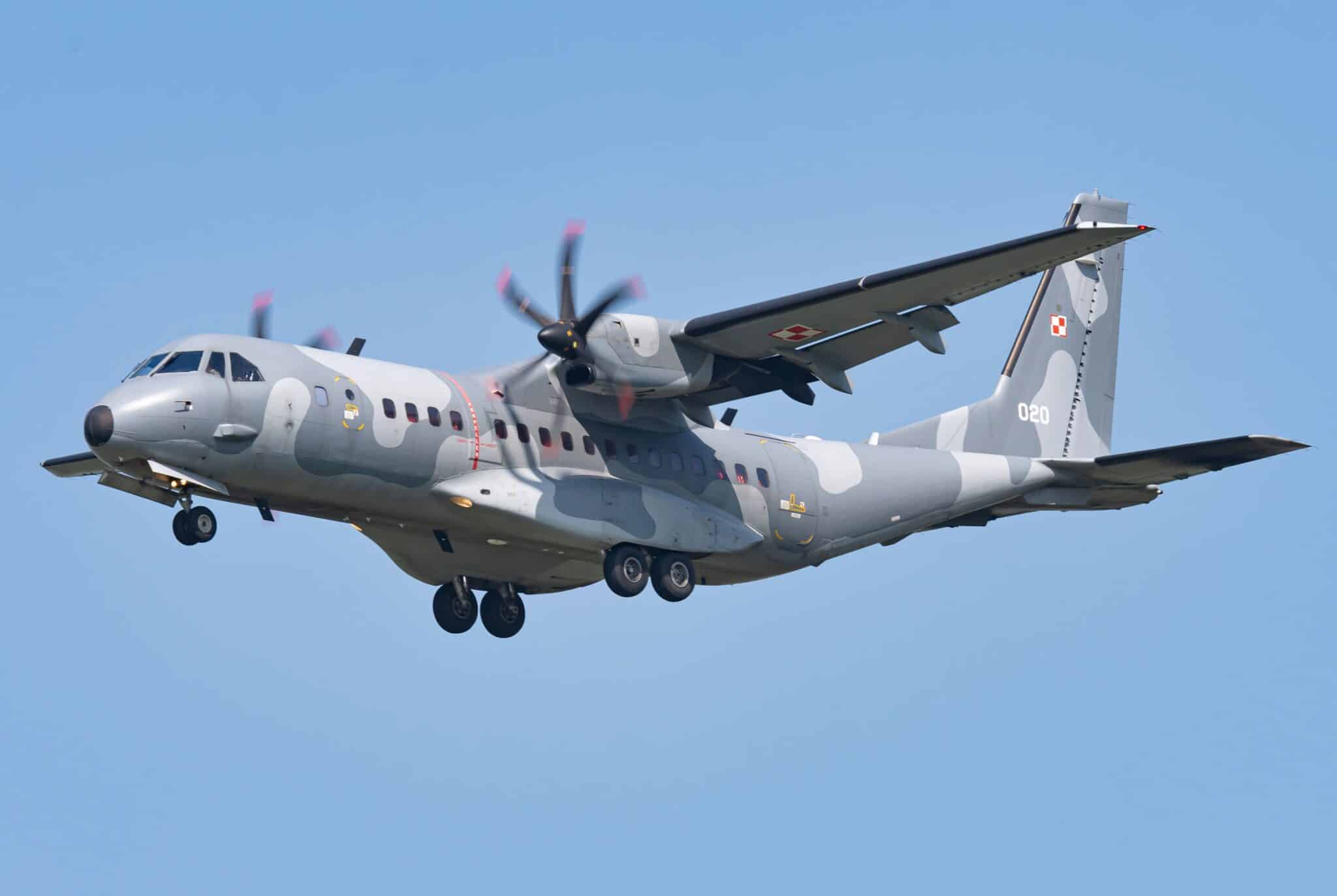
About Airbus C295:

  • It is a new-generation tactical airlifter in the light and medium segment.
  • It was designed and built by Airbus, a European multinational aerospace corporation.
  • It is robust and reliable but also highly versatile in terms of the number of different missions it can perform. 
  • The C295 conducts multi-role operations worldwide under all weather conditions. 
  • Types of Missions:
    • It is known to be a superior aircraft used for tactical transport of up to 71 troops or 50 paratroopers.
    • Air-to-Air refuelling: It can be converted into an air tanker that can deliver up to 6,000 kg of gasoline to fixed and rotary wing receivers by adding a detachable refuelling kit.
    • Airborne Early Warning (AEW): It has a cutting-edge radar with 360-degree coverage to give a complete picture of the airspace in its Airborne Early Warning variant.
    • Water-Bomber: It can be transformed into a powerful water bomber that can put out forest fires with up to 7,000 litres of water due to a flexible roll-on/roll-off system.
    • Armed/Ground ISR (Intelligence Surveillance and Reconnaissance): A close-air-support operation that uses an ISR with a multi-mission radar that can also be weaponized.
    • The aircraft can be utilised for casualty or medical evacuation as well as airdropping loads and paratroopers.
    • It is equipped to handle special missions, disaster relief operations, and maritime patrol responsibilities.


Q1) What is a tactical airlifter?

Tactical airlift is a military term for the airborne transportation of supplies and equipment within a theatre of operations (in contrast to strategic airlift). Aircraft that perform this role are referred to as tactical airlifters.

Source: First Airbus C295 for India successfully completes its maiden flight

Gopal Krishna Gokhale

Gopal Krishna Gokhale

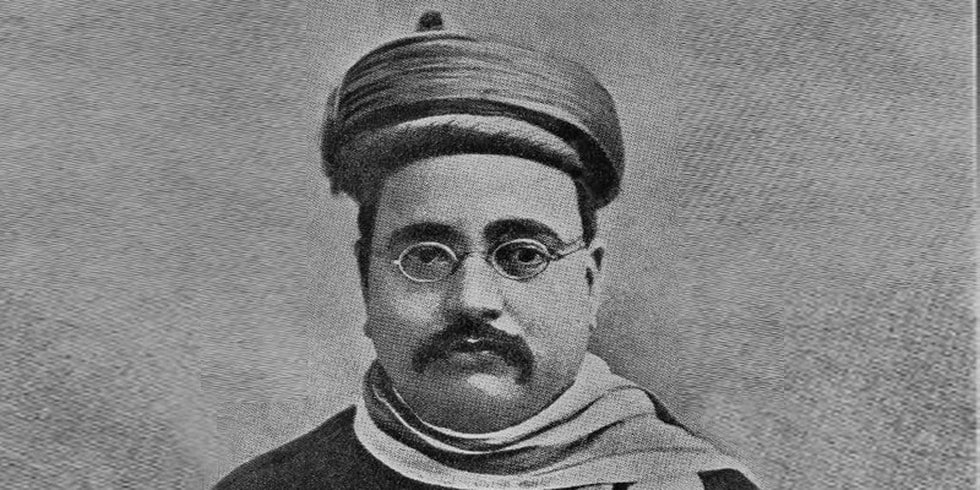
About Gopal Krishna Gokhale:

  • Indian National Congress (INC):
    • Gokhale became a member of the Indian National Congress in 1889. He was the leader of the moderate faction of the Congress party.
    • In 1905, he was elected president of the Indian National Congress (Benares Session).
    • He played a leading role in bringing about Morley-Minto Reforms, the beginning of constitutional reforms in India.
  • Member in British India Legislature: In 1899, Gokhale was elected to the Bombay Legislative Council and in 1901 he was elected to the Imperial Council of the Governor-General of India.
  • Servants of India Society: It was formed by him in Pune (Maharashtra) in 1905 to further the expansion of education in India. The Society organised mobile libraries, founded schools, and provided night classes for factory workers.
  • Ranade Institute of Economics: In 1908, he founded the 'Ranade Institute of Economics'.
  • Mentor to Gandhi: In his autobiography, Gandhi calls Gokhale his mentor and guide. In 1912, Gokhale visited South Africa at Gandhi's invitation. He received personal guidance from Gokhale, including a knowledge and understanding of India and the issues confronting common Indians.
  • Hitavad: He launched the English weekly newspaper named The Hitavad (The people's paper) in 1911.


Q1) What is the Indian National Congress simple words?

The Indian National Congress, also called the Congress Party, is a major Indian political party. The party was founded in 1885. It is the largest constituent party of the UPA, a coalition of Indian political parties that form the opposition against the ruling NDA coalition.

Source: PM pays homage to Gopal Krishna Gokhale on his birth anniversary

Enquire Now