What is meant by ‘Organoid Intelligence’?

What is meant by ‘Organoid Intelligence’?

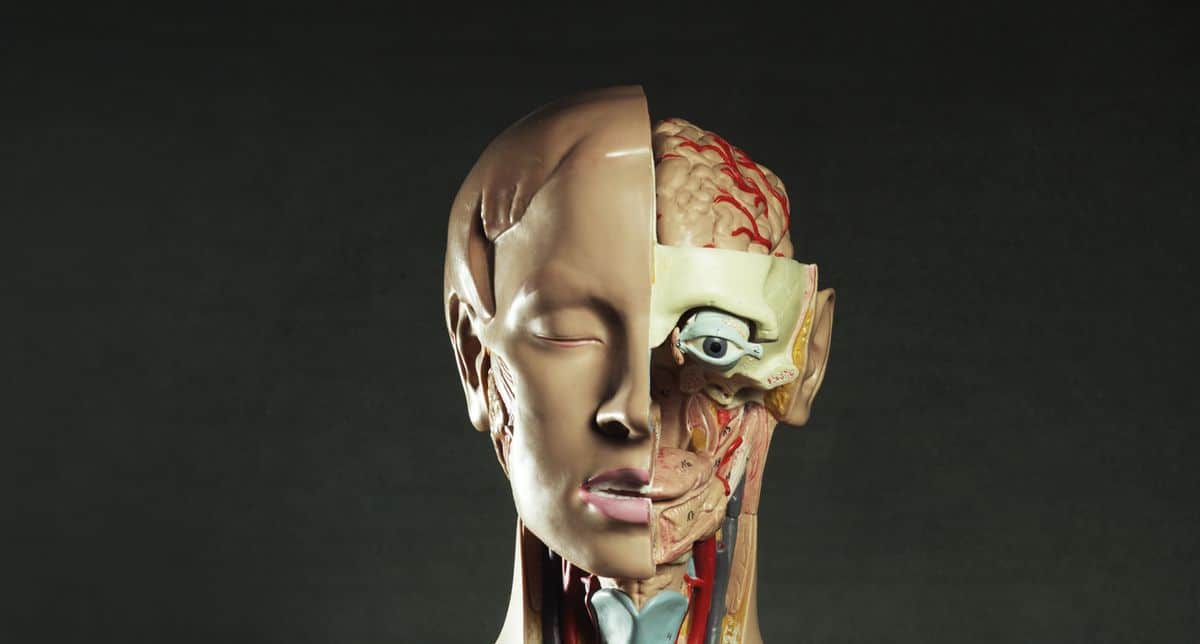
What is an Organoid?

  • Organoids are lab-grown tissues that resemble organs.
  • They are three-dimensional structures usually derived from stem cells.
  • They are smaller, simpler versions of an organ and can mimic the architecture and function of specific organs in the body.
  • They can be crafted to replicate much of the complexity of an organ or to express selected aspects of it, like producing only certain types of cells.
  • Organoids can range in size from less than the width of a hair to five millimeters.

What is meant by ‘Organoid Intelligence’?

  • It refers to the ability of organoids to exhibit certain behaviors or responses that are indicative of intelligence, such as problem-solving, learning, or adapting to changing environments.
  • It is an emerging field where researchers are developing biological computing using 3D cultures of human brain cells (brain organoids) and brain-machine interface technologies.
  • These organoids share aspects of brain structure and function that play a key role in cognitive functions like learning and memory.
  • They would essentially serve as biological hardware and could one day be even more efficient than current computers running AI programs.
  • OI requires scaling up current brain organoids into complex, durable 3D structures enriched with cells and genes associated with learning and connecting these to next-generation input and output devices and AI/machine learning systems.
  • OI requires new models, algorithms, and interface technologies to communicate with brain organoids, understand how they learn and compute, and process and store the massive amounts of data they will generate.

What are Biocomputers?

  • They are a type of computer that use biological molecules, such as DNA or proteins, to perform computational tasks.
  • These computers can perform certain operations much faster than traditional electronic computers and have the potential to revolutionize fields such as medicine and biotechnology.
  • One type of biocomputer is a DNA computer, which uses strands of DNA to store and process information.


Q1) What are stem cells?

Stem cells are special human cells that are able to develop into many different cell types. This can range from muscle cells to brain cells. In some cases, they can also fix damaged tissues.

Source: Explained | What are ‘bio-computers’ and what can they tell us about the human brain?

Uperodon Montanus

Uperodon Montanus

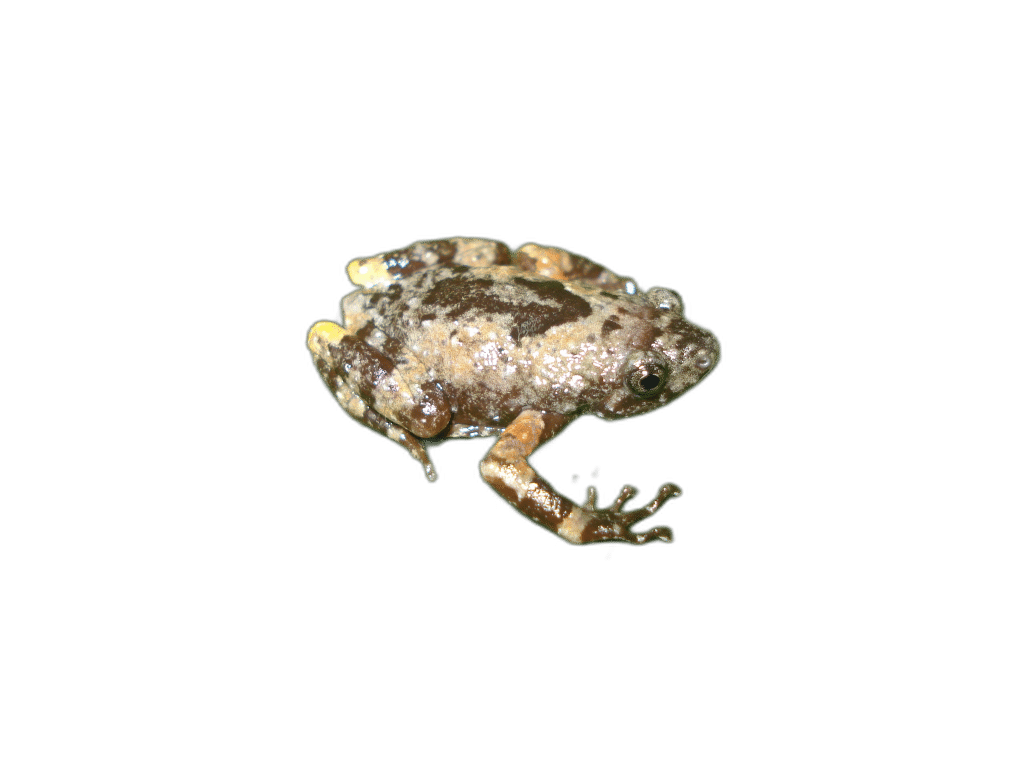
About Uperodon montanus:

  • It is also known as Jerdon's narrow-mouthed frog or Malabar Hill frog
  • It is endemic to the Western Ghats of India.
  • The typical habitat in which this frog is found in tree holes in the rainy season is in the moist deciduous forest to evergreen forest. 
  • This frog is considered a montane species and is restricted to higher altitude ranges of 800-1,700 metres.
  • They are distributed from near Wayanad south across the Palghat and the Shencottah gaps to the Agasthyamalai hills.
  • Its tadpoles are free-swimming and exotropic, which means they feed on other species.
  • Conservation status:
  • IUCN: Near Threatened


Q1) What is the significance of Palghat?

The gap has served as a major trade route between the east and west coast of peninsular India. The gap also plays a significant role in the climate of the neigbouring regions of Coimbatore and Palakkad. It allows the south west monsoon to enter Coimbatore thereby moderating the summer temperature of the region and provides greater rainfall compared to the other districts of Tamil Nadu.

Source: After 89 years, frog endemic to the higher altitudes of Western Ghats ‘rediscovered’

PM Atmanirbhar Swasth Bharat Yojana (PM-ABHIM)

PM Atmanirbhar Swasth Bharat Yojana (PM-ABHIM)

What’s in today’s article?

  • Why in News?
  • What is PM-ABHIM?
  • What is PHSPP and EHSDP?
  • News Summary Regarding WB Lending


Why in News?

  • The World Bank (WB) is lending up to $1 billion (divided into two complementary loans of $500 million under PHSPP and EHSDP each) to help India with preparedness for future pandemics as well as to strengthen its health infrastructure.
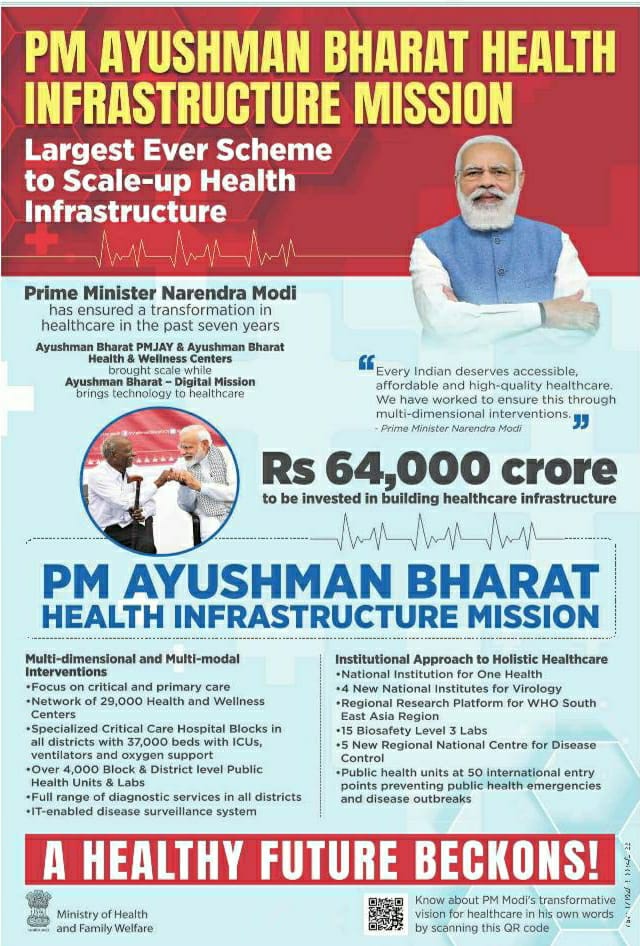
  • Through this combined financing, the bank will support India’s flagship Pradhan Mantri-Ayushman Bharat Health Infrastructure Mission (PM-ABHIM).


What is PM-ABHIM?

  • The PM Atmanirbhar Swasth Bharat Yojana (PMASBY), which has now been renamed as PM-ABHIM, was announced in the Union Budget 2021-22 with an outlay of ₹64,180 crore.
  • The PM-ABHIM scheme was launched in October 2021 by the Union Ministry of Health and Family Welfare, and will run in addition to the National Health Mission (NHM).
  • It is one of the largest Pan-India health schemes for strengthening healthcare infrastructure to accomplish the vision of comprehensive healthcare across the country.
  • Objectives:
    • To strengthen grass root public health institutions.
    • To expand and build an IT enabled disease surveillance system.
    • To expand research on COVID-19 and other infectious diseases and to develop the core capacity to deliver the One Health Approach.
  • Components: It consists of Centrally Sponsored Scheme Components [like Ayushman Bharat - Health & Wellness Centres (AB-HWCs) in rural and urban areas] and some Central Sector Components (like Critical Care Hospital Blocks).


What is PHSPP and EHSDP?

  • The $500-million Public Health Systems for Pandemic Preparedness Program (PHSPP) will support the government’s efforts to prepare India’s surveillance system to detect and report epidemics of potential international concern.
  • Another $500 million Enhanced Health Service Delivery Program (EHSDP) will support government’s efforts to strengthen service delivery through a redesigned primary healthcare model, which includes -
    • Improved household access to primary healthcare facilities,
    • Stronger links between each household and its primary care facility through regular household visits and
    • Risk assessment of noncommunicable diseases.
  • Both the PHSPP and the EHSDP utilise the Program-for-Results financing instrument that focuses on achievement of results rather than inputs.
  • Both the PHSPP and EHSDP loans from the International Bank for Reconstruction and Development (IBRD) of WB have a final maturity of 18.5 years including a grace period of five years.
  • The PHSPP and EHSDP will leverage the unique strengths of both the Center and the States to support the development of more accessible, high-quality, and affordable health services.
  • This strengthening of health systems, combined with attention to strong disease response, will improve preparedness and response to future disease outbreaks.


News Summary Regarding WB Lending

  • India’s performance in health has improved over time.
    • According to WB, India’s life expectancy has increased from 58 in 1990 to 69.8 in 2020.
    • The under-five mortality rate (36 per 1,000 live births), infant mortality rate (30 per 1,000 live births), and maternal mortality ratio (103 per 100,000 live births) are all close to the average for India’s income level.
  • This reflects significant achievements in access to skilled birth attendance, immunisations, and other priority services.
  • Despite these advances in the health of the Indian population, COVID-19 brought to the fore the urgent need for pandemic preparedness (a global public good) and health system strengthening around the world.
  • The current WB loans loans will prioritise health service delivery in seven States including Andhra Pradesh, Kerala, Meghalaya, Odisha, Punjab, TN and UP.


Q1) What are the components of PM-ABHIM?

The Pradhan Mantri-Ayushman Bharat Health Infrastructure Mission (PM-ABHIM) was launched in 2021 for strengthening healthcare infrastructure. It consists of Centrally Sponsored Scheme Components [like AB-HWCs in rural and urban areas] and some Central Sector Components (like Critical Care Hospital Blocks).


Q2) How will PHSPP and EHSDP loans help India?

Both the loans from the IBRD of WB have a final maturity of 18.5 years including a grace period of five years. These will leverage the unique strengths of both the Center and the States to support the development of more accessible, high-quality, and affordable health services.


Source: World Bank to lend $1 billion to support India’s health sector | NHP.gov.in | Worldbank.org

Forest Certification in India

Forest Certification in India

What’s in today’s article?

  • Context
  • What is Forest Certification?
  • Forest Certification in India
  • Significance of Forest Certification Industry w.r.t. India


Context

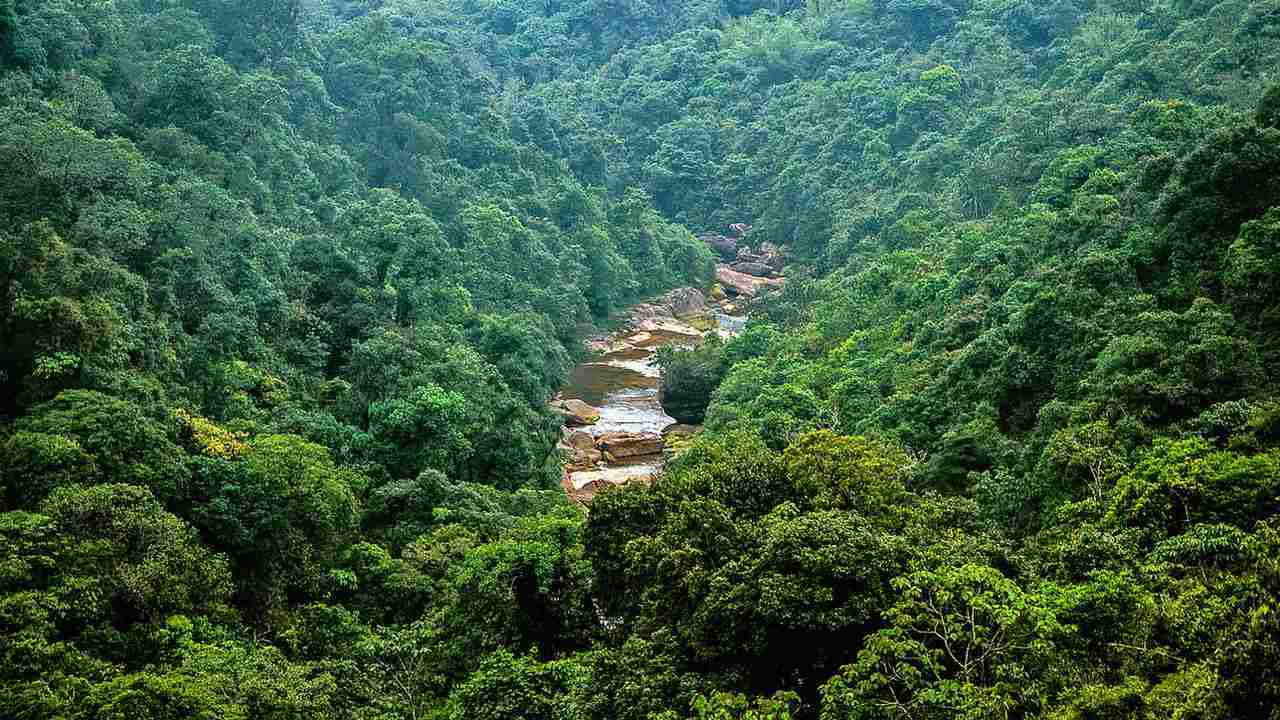
  • Large-scale destruction of forests has always been a concern for the environment.
  • However, with climate change, deforestation has become a critically sensitive issue globally in recent years.
    • Forests absorb large amounts of carbon dioxide that is emitted in various economic activities, keeping a check on global warming.
  • At the initiative of the UK Government, more than 30 countries signed a declaration at the COP26 (26th United Nations Climate Change Conference of Parties) held in Glasgow, UK in 2021.
    • The declaration aims to stop, and start reversing, deforestation by 2030.
    • The Conference of Parties (COP) is the apex decision-making body of the United Nations Climate Change Framework Convention (UNFCCC).
  • Several countries and corporates now try to ensure that they avoid consumption of any product that might be the result of deforestation or illegal logging.
  • The European Union and the United States of America have passed laws that regulate the entry and sale of forest-based products in their markets.


What is Forest Certification?

  • Forest certification is a mechanism for forest monitoring, tracing and labelling timber, wood and pulp products and non-timber forest products.
  • It is a process through which quality of management from environmental, social and economic perspectives is judged against a series of agreed standards.
  • It leads to the issuing of a certificate by an independent party, which verifies that an area of forest is managed to a defined standard.
  • There are two major international standards for sustainable management of forests and forest-based products –
    • One has been developed by Forest Stewardship Council (FSC);
    • The other by Programme for Endorsement of Forest Certifications (PEFC).
    • FSC certification is more popular and in demand, and also more expensive.


Forest Certification in India

  • The forest certification industry has been operating in India for the last 15 years.
  • Currently, forests in only one state — Uttar Pradesh — are certified.
  • Forty one divisions of the UP Forest Corporation (UPFC) are PEFC-certified, meaning they are being managed according to standards endorsed by PEFC.
  • Forest certification in India is still at an early stage and therefore the nation has not been able to make use of the benefits of forest certification.


Significance of Forest Certification Industry w.r.t. India

  • As several developed countries have put trade restrictions on import of non-certified timber, non-timber forest products and wood-based goods into their countries, getting sustainable forest management certificates has become mandatory for exports.
  • India allows the export of only processed wood, not timber.
  • India is the 3rd largest exporter of wood in the world. India exports most of its wood to United States, Germany and United Kingdom.
  • Forest-based industries in India, particularly those for paper, boards, plywood, medium density fibreboard, furniture and handicrafts etc, have been pushing for forest certification to enhance their market accessibility to western markets.


Q1) What do you mean by Forest Management?

Forest management is the process of planning and implementing practices for the stewardship and use of forests to meet specific environmental, economic, social and cultural objectives.


Q2) What is Forest Degradation?

Forest management is the process of planning and implementing practices for the stewardship and use of forests to meet specific environmental, economic, social and cultural objectives.


Source: Our forests are under threat — here’s how they are certified | downtoearth

What is the DART Mission?

What is the Double Asteroid Redirection Test (DART) Mission?

About DART Mission

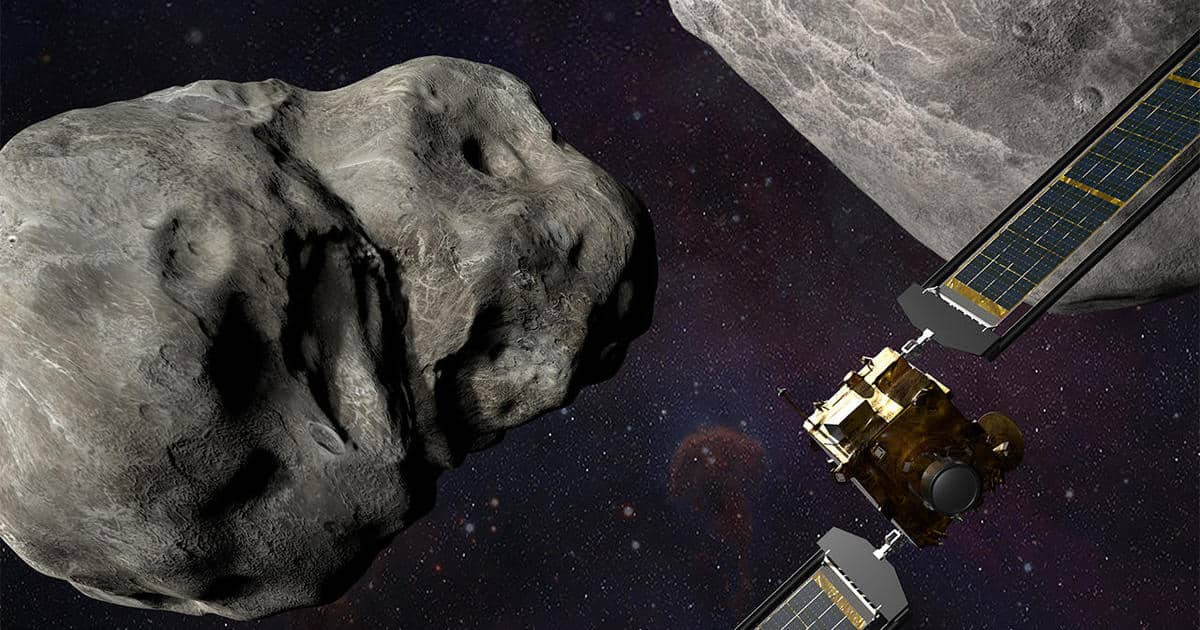
  • NASA's DART mission was a spacecraft designed to test a method of deflecting an asteroid for planetary defense, using the "kinetic impactor" technique (in simplest terms means smashing a thing into another thing).
  • DART was the first-ever space mission to demonstrate asteroid deflection by kinetic impactor.
  • The target of the spacecraft was a 160-meter-wide asteroid known as Dimorphos, which is a moonlet in orbit around the larger asteroid, Didymos.
  • It was launched in November 2021.
  • DART spacecraft successfully collided with Dimorphos on 26 September 2022, altering the asteroid's orbit by 33 minutes.
  • It is the first time humanity intentionally changed the motion of a celestial object in space.

What are Boulders?

  • It is a geological term for a rock fragment that is larger than 25.6 centimeters (10.1 inches) in diameter.
  • Boulders can be made up of various types of rocks, including igneous, sedimentary, and metamorphic rocks.
  • The composition of a boulder depends on the geology of the area in which it formed.

Source: IT

DART Mission FAQs

Q1: What is an Asteroid?

Ans: An asteroid is a small rocky body that orbits the Sun in our solar system. These objects are remnants from the early formation of the solar system, dating back over 4.6 billion years. Most asteroids can be found in the asteroid belt, which is a region located between the orbits of Mars and Jupiter.

SAMARTH Scheme

SAMARTH Scheme

About SAMARTH Scheme:

  • Samarth (Scheme for Capacity Building in Textiles Sector) is a demand-driven and placement-oriented umbrella skilling programme.
  • The implementation period of the scheme is up to March 2024.
  • It aims to incentivize and supplement the efforts of the industry in creating jobs in the organized textile and related sectors, covering the entire value chain of textiles, excluding Spinning and Weaving.
  • In addition to the entry-level skilling, a special provision for upskilling/ re-skilling programme has also been operationalized under the scheme towards improving the productivity of the existing workers in the Apparel & Garmenting segments.
  • It also caters to the upskilling/ re-skilling requirement of the traditional textile sector such as handloom, handicraft, silk and jute.
  • Nodal Ministry: Ministry of Textiles.


Q1)What is Technical Textiles?

Technical textiles are defined as textile materials and products used primarily for their technical performance and functional properties rather than their aesthetic or decorative characteristics

Source: Govt to rope in more industry partners under SAMARTH scheme

SMART-PDS System

SMART-PDS System

About SMART-PDS System:

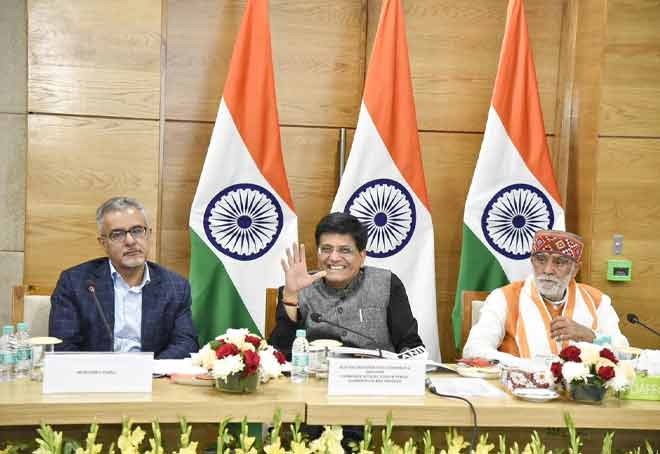
  • The Department of Food and Public Distribution (DFPD) is envisaging a new and unified scheme to strengthen the PDS technology components by standardization of its operation and implementing data-driven decision-making through data analytics.
  • Full-Form: Scheme for Modernization and Reforms through Technology in Public Distribution System.
  • This scheme aims to transform the entire PDS IT ecosystem by leveraging the usage of the Cloud and new-age technology.

Components of SMART-PDS

  • Smart Ration Card: SMART-PDS is a system where smart ration cards are issued to beneficiaries of the public distribution system, and ration is given through fair price shops on the production of the smart ration card by any member of the beneficiary family.
  • Fingerprint Template: The fingerprint template of the beneficiary is recorded in these smart ration cards, which record all transactions.
  • Nodal Ministry: Ministry of Consumer Affairs, Food and Public Distribution


Q1:What isthe  PDS system?

Public distribution system is a government-sponsored chain of shops entrusted with the work of distributing basic food and non-food commodities to the needy sections of the society at very cheap prices.

Source: SMART-PDS, a technological driven initiative should be implemented in all States/UTs: Shri Goyal

Dhara Initiative

Dhara Initiative

About Dhara Initiative:

  • During its yearlong activities, it has been successful in creating public awareness, and stakeholder participation and helped to devise a framework for the promotion and revival of multiple domains of Indian Knowledge Systems.
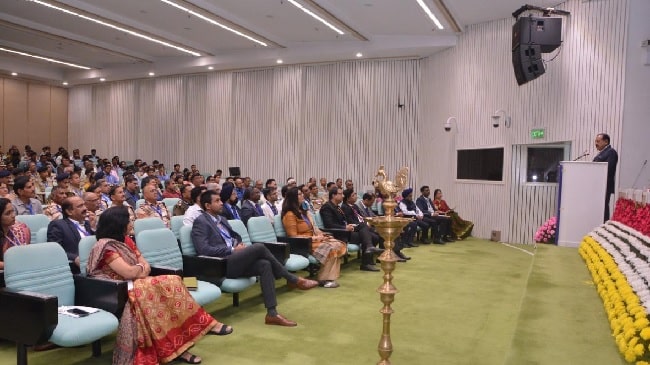
  • The programme was conceptualized as a series of lectures and discussions dedicated to specific areas of inquiry highlighting India’s civilizational achievements.
  • The Indian Knowledge Systems (IKS) Division of the Ministry of Education located at AICTE, New Delhi is the key execution partner for Dhara events.
  • Many conferences have taken place on diverse and distinct themes titled: Indian contribution to Mathematics, Indian National Calendar, Dhara Astronomy and Astrophysics etc.
  • The next conferences planned in the series are based on the metallurgical, agricultural and ancient economic thoughts and traditions of India.
  • Nodal Ministry: Ministry of Culture.


Q1:What is Astronomy?

It is the study of everything in the universe beyond Earth’s atmosphere. That includes objects we can see with our naked eyes, like the Sun , the Moon , the planets, and the stars .

Source: The unique flagship initiative ‘Dhara: An Ode to Indian Knowledge Systems’ of Ministry of Culture completes one year

Select Central government employees can opt for Old Pension Scheme

Select Central government employees can opt for Old Pension Scheme

What’s in today’s article?

  • Why in news?
  • What is the Old Pension Scheme (OPS)?
  • What were the concerns with the OPS? 
  • What is New Pension Scheme (NPS)?
  • What is the Difference between NPS and OPS?
  • News Summary: Select Central government employees can opt for Old Pension Scheme
  • Key highlights of the decision
  • Why government passed this order?


Why in News?

  • In a major move, a select group of central government employees have been given a one-time option to opt for old pension scheme.
  • The employees who joined the central government services against posts advertised or notified before December 22, 2003, the day National Pension System (NPS) was notified, are eligible to join the old pension scheme.


What is the Old Pension Scheme (OPS)?

  • OPS offers pensions to government employees on the basis of their last drawn salary.  50% of the last drawn salary.
  • The attraction of the Old Pension Scheme lay in its promise of an assured or ‘defined’ benefit to the retiree. It was hence described as a ‘Defined Benefit Scheme’.
  • E.g., if a government employee’s basic monthly salary at the time of retirement was Rs 10,000, she would be assured of a pension of Rs 5,000. 
  • Also, like the salaries of government employees, the monthly pay-outs of pensioners also increased with hikes in dearness allowance or DA announced by the government for serving employees.
  • The OPS was discontinued by the Central government in 2003.


What were the concerns with the OPS? 

  • The main problem was that the pension liability remained unfunded — that is, there was no corpus specifically for pension, which would grow continuously and could be dipped into for payments.
  • The Government of India budget provided for pensions every year; there was no clear plan on how to pay year after year in the future.
  • The ‘pay-as-you-go’ scheme created inter-generational equity issues — meaning the present generation had to bear the continuously rising burden of pensioners.


What is New Pension Scheme (NPS)?

  • About
    • As a substitute of OPS, the NPS was introduced by the Central government in April, 2004
    • This pension programme is open to employees from the public, private and even the unorganised sectors except those from the armed forces.
    • The scheme encourages people to invest in a pension account at regular intervals during the course of their employment.
    • After retirement, the subscribers can take out a certain percentage of the corpus.
      • The beneficiary receives the remaining amount as a monthly pension, post retirement.
  • Nodal agency: Pension Fund Regulatory and Development Authority (PFRDA)
  • Eligibility:
    • Any Indian citizen between 18 and 60 years can join NPS.
    • NRIs (Non-Residential Indians) are also eligible to apply for NPS.
  • Permanent Retirement Account Number (PRAN):
    • Every NPS subscriber is issued a card with 12-digit unique number called Permanent Retirement Account Number or PRAN.


What is the Difference between NPS and OPS?

Image caption: OPS Vs NPS

  • The Old Pension Scheme is a pension-oriented scheme. It offers regular pensions to employees during retirement. The pension amount is 50% of the last drawn salary by the employee.  
    • Thus, in OPS, the pension amount is constant.
  • On the other hand, the National Pension Scheme is an investment cum pension scheme.  
  • NPS contributions are invested in market-linked securities, i.e., equity and debt instruments.
    • Therefore, NPS doesn’t guarantee returns.
  • However, the investments, in NPS, are volatile and hence have the potential to generate significant returns.


News Summary: Select Central government employees can opt for Old Pension Scheme

  • In a significant decision, the government has decided to give a one-time option to select Central government employees to migrate to the Old Pension Scheme (OPS).


Key highlights of the decision

  • The option is available to the Central government employees enrolled under the NPS as they joined the service on or after January 1, 2004, the day the NPS came into effect, even though such posts were advertised before December 22, 2003.
  • The employees have time till August 31 to opt for the OPS.
  • The order will be applicable to Central Armed Police Force (CAPF) personnel and other Central government employees who joined the services in 2004 as the recruitment process was delayed due to administrative reasons.
  • The employees’ contribution to the NPS will be credited to the General Provident Fund (GPF) of the individual.


Why government passed this order?

  • There were hundreds of litigations in courts across the country, the government did not win a single case.
  • Through court orders individual officials were getting benefit. Hence, the government decided to issue general instructions for the benefit of all eligible officials.


Q1) What is Permanent Retirement Account Number (PRAN)?

Permanent Retirement Account Number (PRAN) is a unique identification number that is assigned to individuals who subscribe to the National Pension System (NPS) in India. It is a 12-digit number that serves as a permanent record of the subscriber's retirement account and can be used throughout their lifetime.


Q2) What is Pension Fund Regulatory and Development Authority (PFRDA)?

PFRDA is is a statutory body established by the Indian government in 2003, under the Pension Fund Regulatory and Development Authority Act, 2013. PFRDA is responsible for regulating, promoting and ensuring the orderly growth of the National Pension System (NPS) and other pension schemes in India. The authority is mandated to protect the interests of subscribers to the NPS, develop and promote pension products, and encourage the development of a pension industry in India.


Source: Select Central government employees can opt for Old Pension Scheme | Times of India

What is the Finance Commission?

What is the Finance Commission?

About Finance Commission:

  • What is it? It is constitutional body for giving recommendations on distribution of tax revenues between the Union and the States and amongst the States themselves.
  • Who constitutes? The Finance Commission is constituted by the President under article 280 of the Constitution.
  • It is constituted at the end of every fifth year or earlier, as the deemed necessary by the President.
  • Parliament may by law determine the requisite qualifications for appointment as members of the Commission and the procedure of their selection. On account of this, The Finance Commission (Miscellaneous Provisions) Act, 1951 was passed.
  • Mandate: It is the duty of the Commission to make recommendations to the President as to:
  • the distribution between the Union and the States of the net proceeds of taxes which are to be, or may be, divided between them and the allocation between the States of the respective shares of such proceeds; 
  • the principles which should govern the grants-in-aid of the revenues of the States out of the Consolidated Fund of India;
  • the measures needed to augment the Consolidated Fund of a State to supplement the resources of the Panchayats and Municipalities in the State on the basis of the recommendations made by the Finance Commission of the State;
  • any other matter referred to the Commission by the President in the interests of sound finance.
  • Composition: It consists of a Chairman and four other members appointed by the President.
  • Qualifications of members: The Chairman of the Commission is selected from among persons who have had experience in public affairs and the four other members are selected from among persons who
  • are, or have been, or are qualified to be appointed as Judges of a High Court; or
  • have special knowledge of the finances and accounts of Government; or
  • have had wide experience in financial matters and in administration; or
  • have special knowledge of economics
  • Tenure of members: Every member will be in office for the time period as specified in the order of the President and is eligible for reappointment.
  • Recommendations of the Finance Commission are not binding on the government.


Q1) What does article 280 of the constitution say?

Article 280 of the Indian Constitution lays down the provisions for the creation of a Finance Commission and the powers and duties allotted to it.

Source: Process to set up Sixteenth Finance Commission set to kick off soon

What is FRINJEX-23?

What is FRINJEX-23?

About FRINJEX-23:

  • It is the first joint military exercise between the Indian Army and French Army.
  • This is the first time the two countries have engaged in a military exercise in a team format consisting of a company group.
  • Objective: Enhancing interoperability, coordination, and cooperation between both forces at the tactical level.
  • The theme for the exercise is based on “Humanitarian Assistance and Disaster Relief Operations in a Contested Environment”.

Indian-France Military Exercises:

  • Exercise Garuda: Air Force
  • Exercise Varuna: Navy
  • Exercise Shakti: Army


Q1) What is Exercise Varuna?

Exercise Varuna is the bilateral naval exercise between India and France.The exercise facilitates operational level interaction between the two navies to foster mutual cooperation for good order at sea, underscoring the shared commitment of both nations to security, safety and freedom of the global maritime commons.

Source: Indo-France joint exercise at Pangode military station

Quad Ministerial Meeting

Quad Ministerial Meeting

What’s in today’s article?

  • Why in news?
  • What is Quad Grouping?
  • What are the objectives of the Quad?
  • Evolution of Quad
  • News Summary: Quad Ministerial Meeting 
  • Key highlights of the joint statement issued at the end of Quad Ministerial Meeting


 Why in News?

  • India hosted the Quad foreign ministers’ meeting, which discussed the overall situation in the Indo-Pacific in the backdrop of increasing Chinese assertiveness in the region.


What is Quad Grouping?

  • The grouping of four democraciesIndia, Australia, US and Japan– is known as the quadrilateral security dialogue or quad.
  • The aim of this grouping is to ensure a free and open international order based on the rule of law in the Indo- Pacific.


What are the objectives of the Quad?

  • The group’s primary objectives include 
    • maritime security, 
    • combating the Covid-19 crisis, especially vis-à-vis vaccine diplomacy, 
    • addressing the risks of climate change, 
    • creating an ecosystem for investment in the region and 
    • boosting technological innovation.


Evolution of Quad

  • Following the Indian Ocean tsunami, India, Japan, Australia, and the US created an informal alliance to collaborate on disaster relief efforts.
  • Quad as a formal group was first mooted by Japanese Prime Minister Shinzo Abe in 2007
    • However, due to Chinese resistance and reluctance shown by India, it could not move ahead.  
  • Later, during the 2017 ASEAN Summits, all four former members re-joined negotiations to revive the quadrilateral alliance
  • The Quad was upgraded to the ministerial level in September 2019.
  • In March 2021, the first-ever summit of QUAD leaders took place virtually. 
    • It was participated by the PMs/Presidents of all the member countries.  The summit was hosted by US.
  • Later, in September 2021, the first in-person meeting of Quad leaders was hosted by the US.


News Summary: Quad Ministerial Meeting 

  • The meeting of the Quad Foreign Ministers was hosted by India on 03 March 2023 in New Delhi. 
  • The meeting was chaired by EAM, S. Jaishankar, and saw the participation of Foreign Minsters of Australia and Japan and the Secretary of State of the USA.
  • At the end of the meeting, the participating leaders issued a joint statement.


Key highlights of the joint statement issued at the end of Quad Ministerial Meeting

  • Highlighted the situation in Ukraine
    • The joint statement underscored the need for a comprehensive, just and lasting peace in Ukraine in accordance with international law.
    • It called for respect for sovereignty, territorial integrity, transparency and peaceful resolution of disputes.
    • This is the first reference to the Ukraine war in a joint statement of the Quad Foreign Ministers.
    • It means the grouping, which had so far been concentrating mostly on the aggressive Chinese behaviour in the Indo-Pacific, has broadened its scope to include Russia.
  • Called for greater Quad collaboration
    • The statement called for greater Quad collaboration in support of the ASEAN Outlook on the Indo-Pacific.
    • It opposed any unilateral actions that seek to change the status quo or increase tensions in the area.
      • This statement is understood to indicate recent tensions over Taiwan.
  • Mentioned South and East China Seas
    • The joint statement expressed serious concern at the militarization of disputed features, the dangerous use of coast guard vessels and maritime militia, and efforts to disrupt other countries’ offshore resource exploitation activities.
    • This was mentioned in reference to actions in the South and East China Seas.
    • It also hit out at China for blocking listing of terrorists at the UN.
  • Criticised both Russia and China
    • India joined other Quad members in calling for a just and lasting peace in Ukraine, and respect for a rules-based order in the South and East China Seas.
    • This is the first such statement by the grouping that is seen to criticise both Russia and China.
  • About Quad Maritime Security Working Group
    • The statement announced that the “Quad Maritime Security Working Group” would meet in Washington later this month.
      • This working group Working Group is a collaborative effort between the members of Quad to ensure a free and open Indo-Pacific region by promoting security and stability in the maritime domain. 
      • The group was established in 2020 as part of Quad.
      • It focuses on a range of issues related to maritime security, including maritime domain awareness, maritime security architecture, and interoperability among the four navies.
  • New working group on counter-terrorism
    • The participating leaders also agreed to set up a new working group on counter-terrorism.
    • This working group will explore cooperation amongst the Quad, and with Indo-Pacific partners, to counter new and emerging forms of terrorism, radicalisation to violence and violent extremism.
    • Its first meeting is expected to be held in the United States in 2023.


Q1) What is the South China Sea?

The South China Sea is a marginal sea that is located in the Pacific Ocean bordered by China to the north, Vietnam to the west, the Philippines to the east, Malaysia and Brunei to the south, and Taiwan to the north-northeast.  The sea is a major shipping route, connecting the Indian Ocean with the Western Pacific Ocean, and it is also rich in natural resources such as oil and gas deposits, fisheries, and minerals.
 

Q2) What is ASEAN?

The Association of Southeast Asian Nations, or ASEAN, was established on 8 August 1967 in Bangkok, Thailand, with the signing of the ASEAN Declaration (Bangkok Declaration) by the Founding Fathers of ASEAN: Indonesia, Malaysia, Philippines, Singapore and Thailand.

It is a regional organization that brings together disparate neighbors to address economic and security issues, but the group’s impact remains limited.


Source: Quad Foreign Ministers take aim at Russia and China | Ministry of External Affairs | US Department of State | Indian Express

Enquire Now