Cryogenic Engine

Cryogenic Engine

About CE20 Cryogenic engine: 

  • It is the indigenous engine developed by the Liquid Propulsion Systems Centre of ISRO.
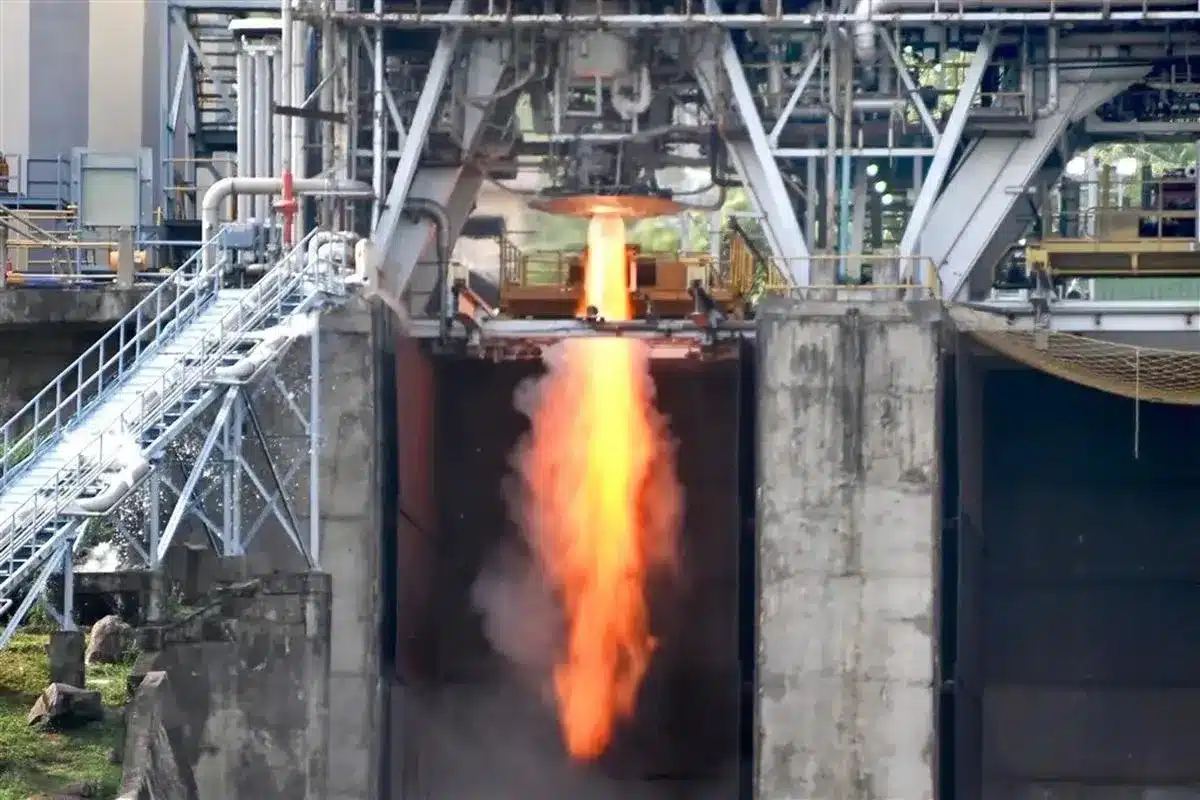
  • It is powering the upper stage of the LVM3 launch vehicle and has been qualified to operate at a thrust level of 19 tonnes.
  • This engine has successfully powered the upper stage of six LVM3 missions so far.
  • Recently, the engine was qualified for the Gaganyaan mission with a thrust level of 20 tonnes and also to an uprated thrust level of 22 tonnes for the future C32 stage, towards enhancing the payload capability of LVM3 launch vehicle.
  • It features an innovative Nozzle Protection System that overcomes previous complexities in engine testing.
  • Key achievements of the test include: successful testing of an engine with a nozzle area ratio of 100, evaluation of a multi-element igniter by activating only the first element, and confirmation of normal engine and facility performance.
  • Significance: This test marks a significant step in ISRO’s indigenous engine development, showcasing its ability to overcome complex rocket propulsion challenges.

Q1: What is Cryogenics?

Cryogenics is the study of how to get to low temperatures and of how materials behave when they get there. Besides the familiar temperature scales of Fahrenheit and Celsius (Centigrade), cryogenicists use other temperature scales, the Kelvin and Rankine temperature scales.

Source: ISRO conducts successful sea level hot test of CE20 cryogenic engine, paving the way for future missions

Tata Institute of Social Sciences (TISS)

Tata Institute of Social Sciences (TISS)

About Tata Institute of Social Sciences (TISS):

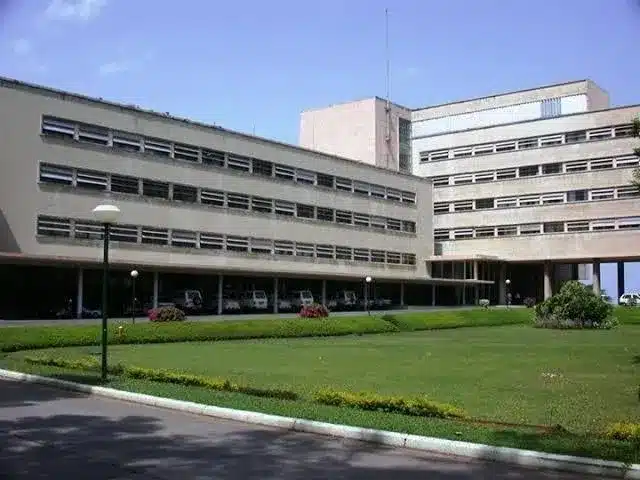
  • It is a multi-campus, public funded research university in Mumbai, India.
  • TISS is Asia's oldest institute for professional social work education.
  • It was founded in 1936 in the then Bombay Presidency of British India as the Sir Dorabji Tata Graduate School of Social Work by the Sir Dorabji Tata Trust.
  • In 1944, it was renamed as the Tata Institute of Social Sciences.
  • In 1964, TISS was declared Deemed to be a University under Section 3 of the University Grants Commission Act (UGC), 1956.
  • TISS's academic programs focus on the Social Sciences and offer doctoral degrees in Management and Labour Studies, Disaster Studies, Development Studies, Education, Gender Studies, Health Studies, Law, Media and Cultural Studies, Public Policy, Rural Development and Social Work. 
  • Since its inception, TISS has had a focus on field activities, including in responding to disasters such as the Partition of India, the Bhopal disaster and Uttarakhand floods.

Q1: What is the University Grants Commission Act (UGC)?

The University Grants Commission (UGC) came into existence on 28th December, 1953 and became a statutory Organization of the Government of India by an Act of Parliament in 1956, for the coordination,determination and maintenance of standards of teaching, examination and research in university education.

Source: Selection Committee to interview 10 shortlisted candidates for TISS Vice-Chancellor post

Impeachment of South Korea’s President Yoon Suk Yeol

Impeachment of South Korea's President Yoon Suk Yeol

What’s in today’s article?

  • Why in the News?
  • Background of the Incident
  • Why Martial Law Was Declared?
  • Aftermath
  • Impeachment Process
  • Significance of the Impeachment
  • India’s Stance
  • Conclusion

Why in the News?

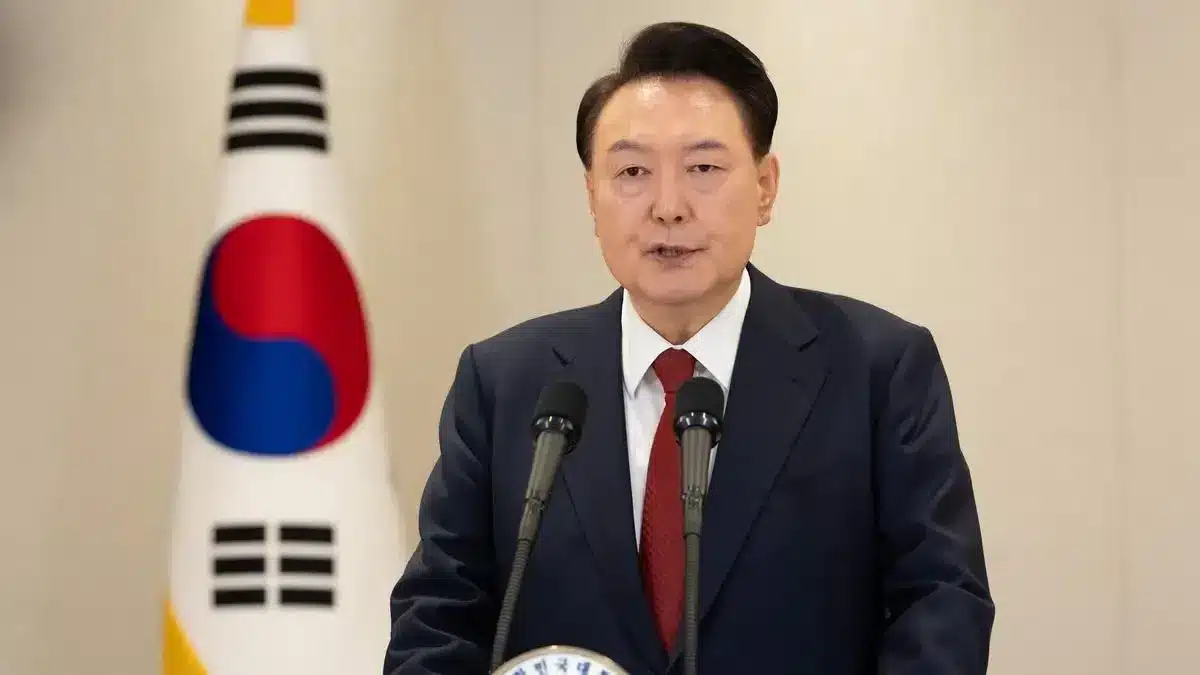
  • South Korean President Yoon Suk Yeol vowed to fight for his political future after he was impeached in a second vote by the opposition-led parliament over his short-lived attempt to impose martial law, a move that had shocked the nation.

Background of the Incident

  • South Korean President Yoon Suk Yeol faced growing political unrest and public dissatisfaction during his tenure, primarily driven by his controversial governance style and strained relations with opposition parties.
  • Protests erupted across the nation over various issues, including economic downturns, alleged misuse of power, and suppression of civil liberties.
  • The immediate trigger for the crisis was Yoon's declaration of martial law, which followed escalating mass protests and rising tensions with North Korea.
  • Critics accused him of using martial law as a pretext to suppress dissent and consolidate power.

Why Martial Law Was Declared?

  • The President declared martial law under the pretext of addressing national security concerns, citing escalating unrest and protests against his administration, combined with a politically hostile environment.
  • Yoon's declaration, made abruptly on December 3, 2024, came amid growing opposition to his presidency, low approval ratings due to corruption allegations, and his inability to advance policies in a parliament dominated by rivals.
  • Martial law enabled him to deploy the military, suspend civil rights, and limit the powers of parliament and other institutions, ostensibly to restore order.
  • This decision was seen as an attempt to suppress dissent, consolidate power, and bypass parliamentary challenges, which had hampered his administration since 2022.

Aftermath

  • The move backfired significantly. Public outrage erupted, with massive protests and strikes led by labor unions and citizens calling for Yoon’s resignation.
  • The National Assembly swiftly convened to repeal the martial law within six hours, unanimously overturning it, including votes from members of Yoon’s own party.
  • Legal and political analysts, as well as opposition lawmakers, labelled the declaration unconstitutional and tantamount to a coup.
  • Investigations into the decree have led to the arrest of several high-ranking officials, intensifying calls for Yoon's impeachment.

Impeachment Process

  • South Korea's National Assembly initiated the impeachment process against Yoon Suk Yeol after securing a majority vote to proceed with the motion.
  • The impeachment was based on allegations of abuse of power, violation of constitutional rights, and failure to uphold democratic principles.
  • Key steps in the process included:
    • Filing of the Motion: The impeachment motion was tabled by opposition lawmakers, citing Yoon’s unconstitutional actions during martial law.
    • National Assembly Vote: A two-thirds majority in the National Assembly approved the motion.
    • Constitutional Court Review: Following the parliamentary vote, the Constitutional Court began hearings to determine whether the impeachment met the constitutional threshold. After several weeks of deliberation, the court upheld the impeachment decision.
  • Yoon Suk Yeol became the third South Korean president to be impeached after Park Geun-hye in 2017.
    • In 2004, President Roh Moo-hyun was impeached at parliament over an alleged election law violation but the court later overturned his impeachment and restored his presidential powers.
    • Roh jumped to his death in 2009, after he had left office, amid a corruption scandal involving his family.

Significance of the Impeachment

  • Strengthening Democratic Norms: The impeachment reinforced South Korea's commitment to democracy and the rule of law, showcasing the resilience of its constitutional framework.
  • Political Realignment: The ruling party faced internal divisions and a decline in public support, leading to major political realignments and possible elections.
  • Public Accountability: It sent a strong message that abuse of power and disregard for civil liberties would not be tolerated in a modern democracy.

India’s Stance

  • India, as a strategic partner of South Korea, closely monitored the developments.
  • While maintaining a neutral position, India emphasized the importance of democratic governance and constitutional processes.
  • Diplomatic engagements between the two countries continued unaffected, reflecting India’s focus on long-term economic and security cooperation in the Indo-Pacific region.

Conclusion

  • The impeachment of President Yoon Suk Yeol marked a pivotal moment in South Korea's political history, highlighting the nation’s adherence to democratic principles even amid significant challenges.
  • While the process showcased the strength of South Korea's institutional framework, it also underscored the need for leaders to uphold democratic values to maintain public trust and international credibility.

Q1. What do you mean by Martial Law?

Martial law is the replacement of civilian government by military rule and the suspension of civilian legal processes for military powers. Martial law can continue for a specified amount of time, or indefinitely, and standard civil liberties may be suspended for as long as martial law continues.

Q2. In which article martial law is declared?

In the text of the Constitution of India there is no express mention of 'martial law' except in Art. 34 which invests Parliament with the power to indemnify persons in respect of acts done in territories where martial law was in force and to validate acts done under martial law.

Source: South Korea President Yoon Suk Yeol impeached over attempt to impose martial law

Hindu

Konda Reddi Tribe

Konda Reddi Tribe

Konda Reddi Tribe Latest News

At least 38 thatched houses belonging to members of the Konda Reddi tribe have been gutted in a fire mishap reportedly due to a short circuit at Sarlanka village in Prathipadu Mandal in Kakinada district, Andhra Pradesh, recently.

About Konda Reddi Tribe

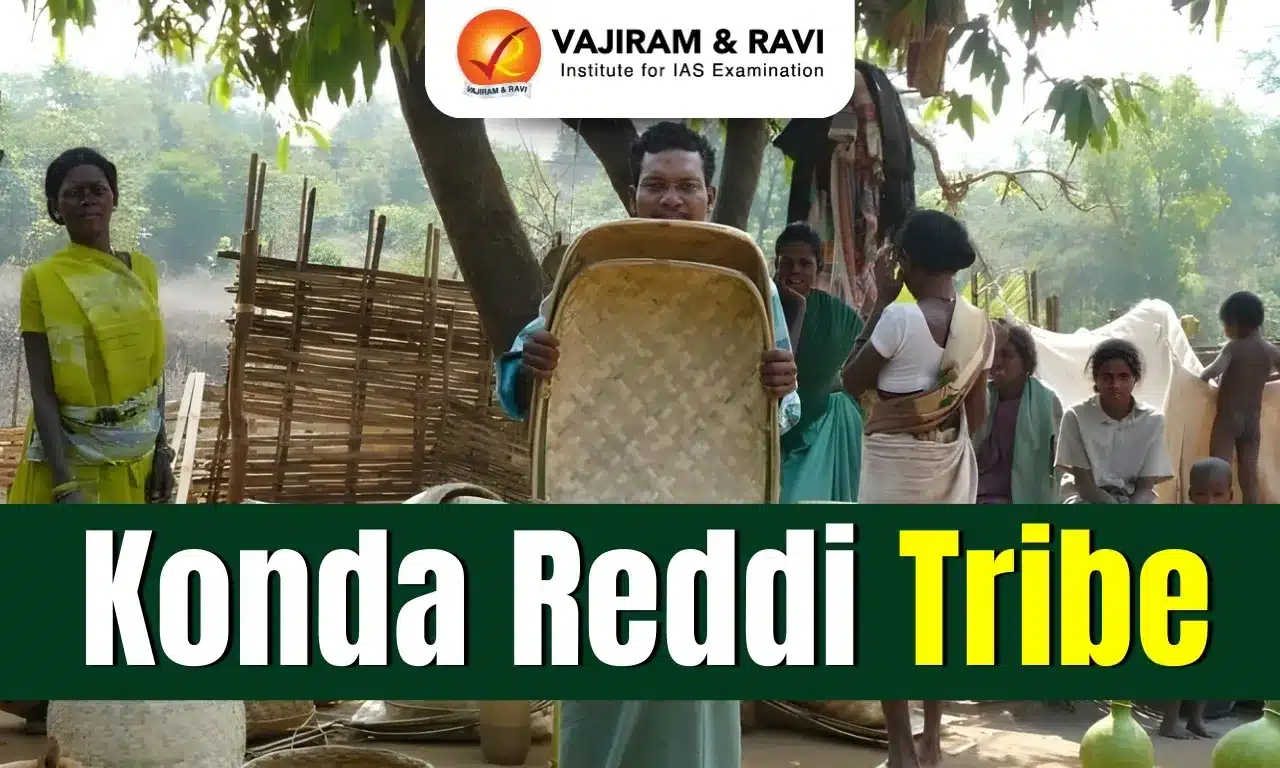
  • Konda Reddis is a Particularly Vulnerable Tribal Group (PVTG) inhabiting the banks situated on either side of the Godavari River in the hilly and forest tracts of the East and West Godavari and Khammam districts of Andhra Pradesh.
  • Language: Their mother tongue is Telugu in its purest and chaste form and a unique accent.
  • Religion
    • The primary religion practiced by the Konda Reddi is Folk Hinduism, characterized by local traditions and cults of local deities worshiped at the community level.
    • Their main festivals are Ugadi, Akshade, and Dussehra.
  • Family and Marriage:
    • The family is patriarchal and patrilocal. Monogamy is a rule, but polygamous families are also found.
    • Marriage by negotiations, by love and elopement, by service, by capture, and by exchange are socially accepted ways of acquiring mates. 
  • Political Organization:
    • They have their own institution of social control called ‘Kula Panchayat’.
    • Each village has a traditional headman called ‘Pedda Kapu’.
    • The office of the headman is hereditary, and the headman is also the Pujari (priest) of the village deities.
  • Livelihood
    • They are primarily shifting cultivators and largely depend on the flora and fauna of forest for their livelihood. 
    • They eat a variety of tubers, roots, leaves, wild fruits, etc.
    • They collect and sell non-timber forest produce like tamarind, adda leaves, myrobolan, broomsticks etc., to supplement their meagre income. 
    • They largely cultivate jowar, which is their staple food. 
    • The Konda Reddi tribe’s way of life largely revolves around the cow, which is a source of sustenance for them.
    • These tribal people are aggressive in the cultivation of commercial crops such as cashew, niger, chilli, and cotton under the Podu cultivation method.
  • The tribe has adopted a unique circular-shaped architecture for housing. The houses, built with circular mud walls and thatched roofs, resemble the Bhunga architecture of Gujarat’s Kachchh region.

Source: TH

Konda Reddi Tribe FAQs

Q1: Who are the Konda Reddi tribe?

Ans: Konda Reddi Tribe is a Particularly Vulnerable Tribal Group (PVTG) inhabiting the banks of the Godavari River in Andhra Pradesh.

Q2: What is the mother tongue of the Konda Reddi tribe?

Ans: Their mother tongue is Telugu spoken in its purest and chaste form with a unique accent.

Q3: What is the primary religion practiced by the Konda Reddi tribe?

Ans: They primarily practice Folk Hinduism.

Q4: What is the nature of the Konda Reddi family system?

Ans: The family system is patriarchal and patrilocal.

Q5: What is the primary livelihood of the Konda Reddi tribe?

Ans: They are primarily shifting cultivators and depend heavily on forest resources.

DAE- Homi Bhabha Chair Scheme

DAE- Homi Bhabha Chair Scheme

About DAE- Homi Bhabha Chair Scheme: 

  • It is administered by the Department of Atomic Energy.
  • It is for Distinguished Scientist/Professors, in order to give recognition and an opportunity to outstanding Scientists and Engineers including those retired /superannuated scientists/engineers who were involved in the development of sensitive and/ or critical technologies to carry out research and development work in the fields of their choice and of interest to the Department of Atomic Energy.
  • The tenure under DAE- Homi Bhabha Chair Scheme is for the period of one to five years at the discretion of the Selection Committee.
  • Under the scheme each awardee shall be entitled to an honorarium of Rs.200000/- p.m.(In case honorarium plus pension sanctioned is more than pay last drawn, honorarium would be restricted to pay last drawn before retirement).
    • A contingency grant of Rs.76000/- per annum to cover the expenditure like secretarial assistance, telephone bills and stationery.
    • A lump sum equipment allowance (inclusive of Book Allowance) not exceeding Rs.125000/- would also be made available during the entire tenure of the awardee subject to actual utilization. The equipment allowance also includes a sum of Rs.10000/- towards Book Allowance.
    • A fixed monthly transport allowance is also provided in case the awardee of the scheme is not provided with an official vehicle.

Q1: What is the Atomic Energy Regulatory Board (AERB)?

The AERB was constituted on November 15, 1983, by the President of India by exercising the powers conferred by the Atomic Energy Act, 1962 to carry out certain regulatory and safety functions under the Act. The regulatory authority of AERB is derived from the rules and notifications promulgated under the Atomic Energy Act and the Environment (Protection) Act, 1986.

Source: PARLIAMENT QUESTION: HOMI BHABHA CHAIR SCHEME

SAMARTH Udyog Bharat 4.0 Initiative

SAMARTH Udyog Bharat 4.0 Initiative

About SAMARTH Udyog Bharat 4.0 Initiative: 

  • It is an initiative of the Ministry of Heavy Industry & Public Enterprises, Government of India under its scheme on Enhancement of Competitiveness in Indian Capital Goods Sector.
  • SAMARTH Udyog encompasses manufacturers, vendors and customers as the main stakeholders.
  • The experiential and demonstration centres for Industry 4.0 have been proposed to spread awareness about I4.0 amongst the Indian manufacturing industries.
  • Under this 4 Smart Advanced Manufacturing and Rapid Transformation Hub (SAMARTH) Centres have been set up namely:
    • Centre for Industry 4.0 (C4i4) Lab, Pune;
    • IITD-AIA Foundation for Smart Manufacturing, IIT Delhi;
    • I-4.0 India @ IISc, Bengaluru; and
    • Smart Manufacturing Demo & Development Cell, CMTI, Bengaluru.
  • SAMARTH Centres have been providing assistance to industries including MSMEs to train the workforce and make them aware about Industry 4.0 technologies in the following ways:
    • Organizing Awareness Seminars/ Workshops and knowledge sharing events on Industry 4.0;
    • Training industries to create awareness about Industry 4.0;
    • Providing consultancy (in areas such as IOT Hardware, Software development, data analytics) and incubation support to start- ups including MSMEs.
  • No financial assistance is given to any industry including MSME for adopting Industry 4.0 enabled technologies under SAMARTH centre initiative of the Scheme.

Q1: What is Enhancement of Competitiveness in the Indian Capital Goods Sector scheme?

It has been launched by the Ministry of Heavy Industries to address the technological obsolescence, limited access to quality industrial infrastructure and common facilities.

Source: SAMARTH UDYOG BHARAT 4.0 INITIATIVE

Malwa Canal Project

Malwa Canal Project

About Malwa Canal Project:

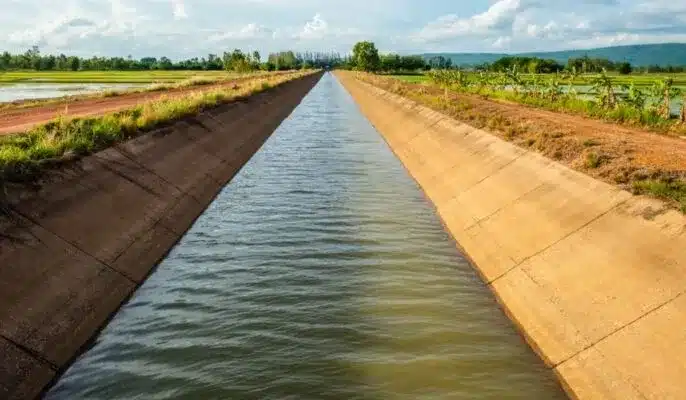
  • It is a planned irrigation and water management project in Punjab, India.
  • It is the first of its kind to be constructed in Punjab since independence.
  • Estimated to cost Rs 2,300 crore, the canal will originate from the Harike headworks on the Sutlej in Ferozepur district. 
  • It will tail off at Warring Khera village in Muktsar district, close to the border with Haryana, and will flow parallel to the Sirhind Feeder and Rajasthan Feeder canals, to the latter’s east. 
  • The canal will be 149 km long, 50 feet wide, and 12.6 feet deep.
  • It will carry 2,000 cusecs of water (A cusec is flow equivalent to 1 cubic foot per second.)
  • It is designed to cater to the irrigation needs of nearly 2 lakh acres in southern Punjab, running parallel to the left bank of the Rajasthan Feeder Canal.

Q1: Which are the main tributaries of the Sutlej River?

It has many tributaries, with Baspa, Spiti, Nogli Khad, and Soan River being its main ones. Water from the Sutlej River has been allocated to India according to the Indus Waters Treaty of 1960.

Source: 1.30 lakh trees face axe for Malwa Canal Project

Non Performing Assets (NPAs)

Non Performing Assets (NPAs)

What’s in today’s article?

  • Why in News?
  • What are Non-Performing Assets (NPAs)?
  • Key Highlights of the NPA Crisis in India
  • Impact on the Banking Sector
  • Conclusion

Why in News?

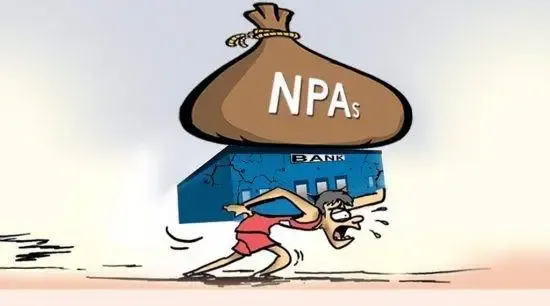
  • India's banking system has been grappling with an alarming surge in non-performing assets (NPAs).
  • A recent investigation (by The Indian Express) revealed that a staggering 43% of total NPAs as of March 2019 - amounting to ₹4.02 lakh crore - was owed by just 100 companies.
  • This highlights systemic issues and the concentration of bad loans among a few prominent borrowers.

What are Non-Performing Assets (NPAs)?

  • Definition: A NPA is a loan or advance for which the principal or interest payment remained overdue for a period of 90 days.
    • For banks, a loan is an asset because the interest paid on these loans is one of the most significant sources of income for the bank.
    • When customers, retail or corporates, are not able to pay the interest, the asset becomes ‘non-performing’ for the bank because it is not earning anything for the bank.
    • Therefore, the RBI has defined NPAs as assets that stop generating income for banks.
    • Banks are required to make their NPAs numbers public and to the RBI as well from time to time.
  • Classification of assets: As per the RBI guideline, banks are required to classify NPAs further into -
    • Substandard assets: Assets which have remained NPA for a period less than or equal to 12 months.
    • Doubtful assets: An asset that has remained in the substandard category for a period of 12 months.
    • Loss assets: It is considered uncollectible and of such little value that its continuance as a bankable asset is not warranted, although there may be some recovery value.
  • NPA Provisioning: Provision for a loan refers to a certain percentage of loan amount set aside by the banks.
    • The standard rate of provisioning for loans in Indian banks varies from 5-20% depending on the business sector and the repayment capacity of the borrower.
    • In the cases of NPA, 100% provisioning is required in accordance with the Basel-III norms.
  • GNPA and NNPA: There are primarily two metrics that help us to understand the NPA situation of any bank.
    • GNPA: It is an absolute amount that talks about the total value of gross NPAs for the bank in a particular quarter or financial year as the case may be.
    • NNPA: Net NPAs subtracts the provisions made by the bank from the gross NPA. Therefore, net NPA gives the exact value of NPAs after the bank has made specific provisions for it.
  • NPA Ratios: NPAs can also be expressed as a percentage of total advances. It gives us an idea of how much of the total advances is not recoverable. For example,
    • GNPA ratio is the ratio of the total GNPA of the total advances.
    • NNPA ratio uses net NPA to find out the ratio to the total advances.

Key Highlights of the NPA Crisis in India:

  • Timeline of NPAs:
    • Peak in 2018: NPAs reached a historic high of ₹10.36 lakh crore.
    • Decline: NPAs reduced to ₹5.71 lakh crore by March 2023, aided by write-offs by banks.
    • RTI revelation: The list of top defaulters was accessed under the Right to Information Act after a four-year legal battle, highlighting reluctance from the Reserve Bank of India (RBI) to disclose such information.
  • Extent of NPAs:
    • Gross NPAs: Scheduled commercial banks (SCBs) recorded gross NPAs of ₹9.33 lakh crore as of March 31, 2019, the 2nd-highest in Indian banking history.
    • Top defaulters: The top 100 defaulters alone accounted for ₹8.44 lakh crore in total debt, of which nearly 50% was declared as NPAs.
    • Sectoral analysis: Three sectors - manufacturing, energy, and construction - dominated, contributing over 50% (₹4.58 lakh crore) of the total debt of the top 100 defaulters.
  • Sector-wise breakdown of defaulters:
    • Energy sector: 34 companies
    • Manufacturing sector: 32 companies
    • Construction and real estate: 20 companies
    • Telecom: 5 companies
    • Other sectors: 9 companies
  • Quantum of debt (Top defaulters):
    • Bhushan Power & Steel Limited: ₹41,400 crore.
    • Essar Steel India Limited: ₹69,360 crore (later acquired by ArcelorMittal Nippon Steel India Limited in 2019).
    • Other major defaulters: Reliance Communications (₹46,659 crore), Videocon Industries (₹58,052 crore), and Jaiprakash Associates (₹36,591 crore).

Impact on the Banking Sector:

  • Ongoing debt concerns (2023):
    • Outstanding debt: By March 2023, 51 of these 100 companies still carried debts of ₹3.58 lakh crore, indicating persistent financial stress.
    • These defaulters span crucial sectors: Like oil & gas, thermal and hydro power, mining, shipbuilding, and infrastructure development.
  • Limited recoveries:
    • 82 of the top 100 entities are under bankruptcy, with one-third undergoing liquidation, significantly reducing recovery prospects.
    • High-profile companies like Jet Airways, Gitanjali Gems, and IL&FS subsidiaries feature prominently in the defaulter list, indicating minimal returns for lenders.
  • Curb investment:
    • Banks lack enough funds to lend for other productive activities in the economy.
    • To maintain their profits, banks may need to raise interest rates.
    • Reduced investments could lead to higher unemployment rates.

Conclusion:

  • The concentration of bad loans among a few corporate giants raises concerns about governance and accountability in India’s banking system.
  • While recovery efforts are ongoing, the NPA crisis underscores the need for stronger regulatory oversight and improved lending practices to prevent similar episodes in the future.

Q.1. What is the Prompt Corrective Action (PCA) framework?

Revised in 2017, the PCA framework monitors banks' financial health and imposes restrictions if they fall below certain thresholds.

Q.2. What is Corporate Debt Restructuring (CDR)?

Introduced in 2001, the CDR is a voluntary mechanism that extends the repayment period and reduces interest rates.

Source: Express RTI: Top 100 defaulters accounted for 43% of total NPAs, over Rs 4 lakh crore in total

Syria Post-Assad: Challenges, Power Struggles, and Geopolitical Stakes

Syria Post-Assad: Challenges, Power Struggles, and Geopolitical Stakes

What’s in today’s article?

  • Why in News?
  • Reasons Behind the Fall of the Assad Regime
  • Current Power Structure in Syria
  • Geopolitical Stakes in Post-Assad Syria
  • Uncertain Future for a Post-Assad Syria

Why in News?

  • Bashar al-Assad, after 24 years as Syria’s President, has fled to Russia with his family following the collapse of his regime. A transitional government led by the Islamist militant group Hayat Tahrir al-Sham (HTS), which previously controlled Idlib, has taken charge. 
  • While many Syrians celebrate the end of Assad’s dictatorship, there is widespread anxiety about the future under HTS. Regionally, Turkey, a key supporter of HTS, seeks to expand its influence in West Asia, whereas Iran and Russia, Assad’s primary backers, face a significant setback. Meanwhile, Israel is exploiting the power vacuum in Syria to seize more territory.

Reasons Behind the Fall of the Assad Regime

  • The Assad regime, which endured 13 years of civil war, collapsed within 12 days due to a combination of military, economic, and geopolitical factors. 
  • By 2017, with the support of Russia, Iran, and Hezbollah, the regime regained much of its lost territory but failed to eliminate militant opposition, particularly the Hayat Tahrir al-Sham (HTS), led by Abu Muhammed al-Jolani. 
    • Jolani, a former al-Qaeda leader, established a rebel administration in Idlib and planned a major offensive against Assad’s forces.
  • Syria’s crumbling economy, worsened by an 87% GDP decline since 2011, Western sanctions, and the demoralization of underpaid soldiers further weakened Assad’s grip. 
  • Repeated Israeli airstrikes and shifting priorities of external allies like Russia, Iran, and Hezbollah diminished the regime’s military strength. 
  • On November 27, 2024, HTS militants exploited this vulnerability, launching an offensive near Aleppo, triggering the rapid collapse of Assad’s regime.

Current Power Structure in Syria

  • Syria is now divided among four main militant coalitions, with the Hayat Tahrir al-Sham (HTS) emerging as the most powerful. 
  • The HTS, led by Abu Muhammed al-Jolani, claims to have severed ties with al-Qaeda and vows to respect Syria’s diversity, but its fighters are transnational jihadists. 
  • The HTS’s main ally is the Syrian National Army (SNA), a Turkish-backed militia formed from defected Syrian soldiers. 
    • Together, they launched the November 27 offensive that contributed to Assad’s fall.
  • Other groups include the Southern Front, a coalition of militias in southern Syria, some supported by Jordan. 
  • The Syrian Democratic Forces (SDF), primarily composed of Kurdish fighters, maintain relative autonomy in the Kurdish region and were previously backed by the U.S. 
  • Lastly, Alawite militias, linked to Assad’s sect, remain active in the coastal region, though the HTS has urged them to cut ties with the fallen regime.

Geopolitical Stakes in Post-Assad Syria

  • Syria holds immense geopolitical significance, with major powers vying for influence. 
  • Russia relies on its naval base in Tartus, the only one outside former Soviet territory, and its air base to project force from the Black Sea to the Mediterranean and beyond. 
    • This strategic need partly drove Russia's 2015 intervention to support the Assad regime. 
    • With Assad's fall, Russia’s primary focus shifts to securing these bases.
  • For Iran, Syria was a critical ally in West Asia and a key link to Hezbollah in Lebanon. The regime's collapse threatens Iran’s supply routes and regional deterrence.
  • Turkey, however, has emerged stronger. Having long sought Assad’s removal, Turkey strategically shifted to supporting its proxies, including the HTS-SNA coalition now in Damascus. 
    • President Erdogan's calculated moves have expanded Turkish influence across Syria, extending it to the borders of Iraq, Jordan, and Israel, marking a significant geopolitical victory over Russia and Iran.

Uncertain Future for a Post-Assad Syria

  • While the fall of Assad’s regime has raised hopes for a new Syria, the country’s turbulent history and current realities cast doubt on a peaceful transition. 
  • Militants like the HTS have promised inclusivity, rebuilding institutions, and welcoming refugees, but their Salafi-jihadist ideology and autocratic tendencies suggest otherwise. 
  • Rebuilding Syria requires demobilizing militias, a challenge the HTS lacks both resources and ideological clarity to address.
  • Compounding the complexity are competing regional interests
    • southern militias demand a share of power, 
    • the Kurdish SDF seeks autonomy, and 
    • Turkey views the SDF as a terrorist threat, with Turkish-backed militias already attacking them.
  • Historical parallels, like post-Soviet Afghanistan, post-Gaddafi Libya, and post-Saddam Iraq, show how regime changes often lead to prolonged chaos. 
  • Without effective governance and reconciliation, Syria risks following a similar path of instability and conflict.

Q.1. What is the current power structure in Syria post-Assad?

Syria is divided among four militant coalitions, with HTS emerging as the strongest force, supported by Turkey. Other factions include southern militias, the Kurdish SDF, and Alawite militias, each with conflicting interests.

Q.2. How does Assad's fall impact regional geopolitics?

Russia aims to secure its Syrian bases, Iran faces disrupted supply lines, and Turkey strengthens its influence through HTS-backed proxies. The power vacuum also allows Israel to expand territorial ambitions.

Source: What lies ahead for Syria after Assad’s exit? | Explained

PM Modi’s 11 Resolutions: A Roadmap for India’s Future

PM Modi's 11 Resolutions: A Roadmap for India's Future

What’s in today’s article?

  • Why in News?
  • Special Constitution Debate: Marking 75 Years of Adoption
  • 11 Pledges for the Nation’s Future
  • Conclusion

Why in News?

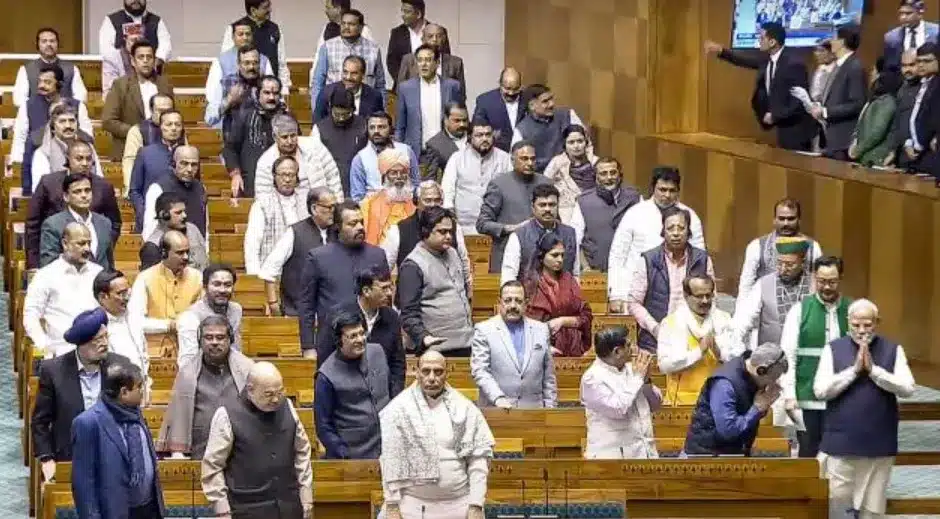
  • PM Modi proposed 11 resolutions which include upholding existing reservations for marginalised sections but strongly opposing any religion-based quota.
  • He proposed these resolutions while replying to a two-day debate in Lok Sabha on the 'Glorious Journey of 75 Years of the Constitution of India'.

Special Constitution Debate: Marking 75 Years of Adoption

  • Special Constitution Debate
    • A two-day special session in the Lok Sabha and Rajya Sabha commemorates 75 years since the Indian Constitution’s adoption on November 26, 1949.
    • The debate reflects on the evolution of the Constitution and addresses ideological conflicts, including judicial-legislative balance, religion in public life, and fundamental rights.
  • Why convene a Constitution debate now?
    • The impetus for this special session stems from the 75th anniversary of the Constitution’s adoption by the Constituent Assembly. 
    • The decision to hold the debate followed extensive discussions between Parliamentary Affairs Minister and floor leaders of various political parties. 
    • This debate provides the government a chance to demonstrate its commitment to constitutional principles while engaging with ongoing discussions about India’s legal and governance systems. 
    • Central to this is an ideological conflict over varying interpretations of the Constitution, including the balance between the judiciary and legislature, the role of religion in public life, and the evolving application of fundamental rights.

11 Pledges for the Nation’s Future

  • Citizen Duties: Every individual and the government must adhere to their duties to uphold the nation's progress.
  • Inclusive Development: Aimed at fostering regional and community-based growth aligned with the vision of Sabka Saath, Sabka Vikas.
  • Zero Tolerance for Corruption: Modi emphasized the need to reject social acceptance of corruption.
  • Pride in Laws and Traditions: Citizens were urged to respect India’s laws, regulations, and heritage while shedding colonial mindsets.
  • Opposition to Religion-Based Quotas: Modi reaffirmed commitment to existing reservations but called for resistance against introducing religion-based quotas.
  • Women-Led Development: Envisioning India as a global leader in empowering women.
  • Regional Growth for National Development: Advocated the mantra, “Development of the nation through development of states.”
  • Respect for the Constitution: Stressed the importance of protecting the Constitution from misuse for political gains.
  • Dynastic Politics and Meritocracy: Urged a shift from nepotism to merit-based governance.
  • Pride in Indian Heritage: Promoted fostering pride in India’s cultural and historical legacy.
  • Unity in Diversity: Reaffirmed the vision of Ek Bharat, Shrestha Bharat and collective national efforts.

Conclusion

  • While PM Modi’s 11 resolutions aimed to outline a roadmap for India’s future, they faced sharp criticism from the Opposition, who dismissed them as rhetoric lacking substance. The debate underscored deep political divides over governance, reservations, and corruption narratives.

Q.1. What were the main themes of PM Modi's 11 resolutions during the Constitution debate?

The resolutions emphasized citizen duties, inclusive growth, zero tolerance for corruption, empowering women, opposing religion-based quotas, and protecting the Constitution's sanctity while promoting unity and pride in India's heritage.

Q.2. Why was the Constitution debate significant?

Held on the 75th anniversary of its adoption, the debate reflected on the Constitution's evolution, addressing governance, judiciary-legislative balance, and ideological conflicts, providing a platform to outline a vision for India's future.

Source:  Day 2 of Constitution debate: No to religion-based quota, call to end dynastic politics among PM’s 11 pledges

Business Standard

Business Standard

Enquire Now