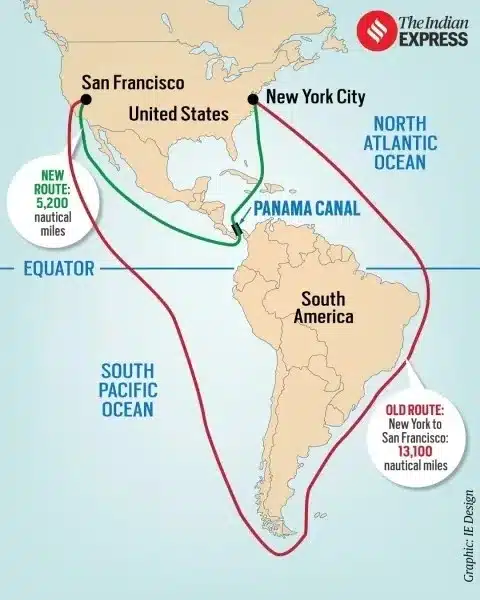
What is Panama Canal?

Panama Canal

About Panama Canal: 

  • It is a man made waterway that connects the Atlantic and Pacific oceans across the Isthmus of Panama.
  • It is owned and administered by Panama, and it is 40 miles long from shoreline to shoreline.
    • It was built by the United states and completed in August 1914,
    • It is one of the two most strategic artificial waterways in the world, the other being the Suez Canal.
    • From its opening in 1914 until 1979, the Panama Canal was controlled solely by the United States, which built it.
    • In 1979, however, control of the canal passed to the Panama Canal Commission, a joint agency of the United States and the Republic of Panama, and complete control passed to Panama at noon on December 31, 1999.
  • It is a sophisticated, highly-engineered system which uses a system of locks and elevators to take ships from one end to the other.
  • This is needed because the two oceans that the Panama Canal connects do not lie at the same elevation, with the Pacific slightly higher than the Atlantic.
  • This difference means that for a ship entering the canal through the Atlantic, it needs to gain elevation during its journey to the Pacific. This is achieved using a lock system which lifts and drops vessels to the required sea level at either end of the canal.
  • Basically, locks are either flooded (to gain elevation) or drained (to lose elevation), and act as water elevators. In total, the system comprises three sets of locks — 12 locks in total — which are serviced using artificial lakes and channels.

Q1: What is an Isthmus?

An isthmus is a narrow strip of land connecting two larger land masses which is bounded by water on two sides. The word has its origins from the Greek word isthmós which means “neck.” News: IE

Key facts about Lesotho

Key facts about Lesotho

About Lesotho:

  • It is an enclaved nation that is located within the territory of South Africa. It is in the Southern and Eastern Hemispheres of the Earth.
  • History
    • It was known as the mountain kingdom which was initially inhabited by the Khoisan-speaking hunter-gatherers.
    • In the 19th century the Sotho people took control of the region.
    • In 1822, Basutoland founded by Moshoeshoe I, who united various groups to repel challenges from Zulus under Shaka Zulu.
    • The Kingdom of Lesotho attained its full independence on 4th October 1966 with King Moshoeshoe II as sovereign.
  • It is the only independent state in the world that lies entirely above 1,400 m in elevation.
  • Highest Point: Thabana Ntlenyana
  • Rivers: The Orange River at about 2,100 km in length is one of the longest rivers in Africa. It rises in the Lesotho Highlands as the Sinqu River.
  • Capital: Maseru 

Q1: Where does Orange River flow?

The Orange River is the longest river in South Africa. It flows 1,300 miles (2,100 kilometers) across the width of the country. The river forms a large part of the border between South Africa and Namibia.

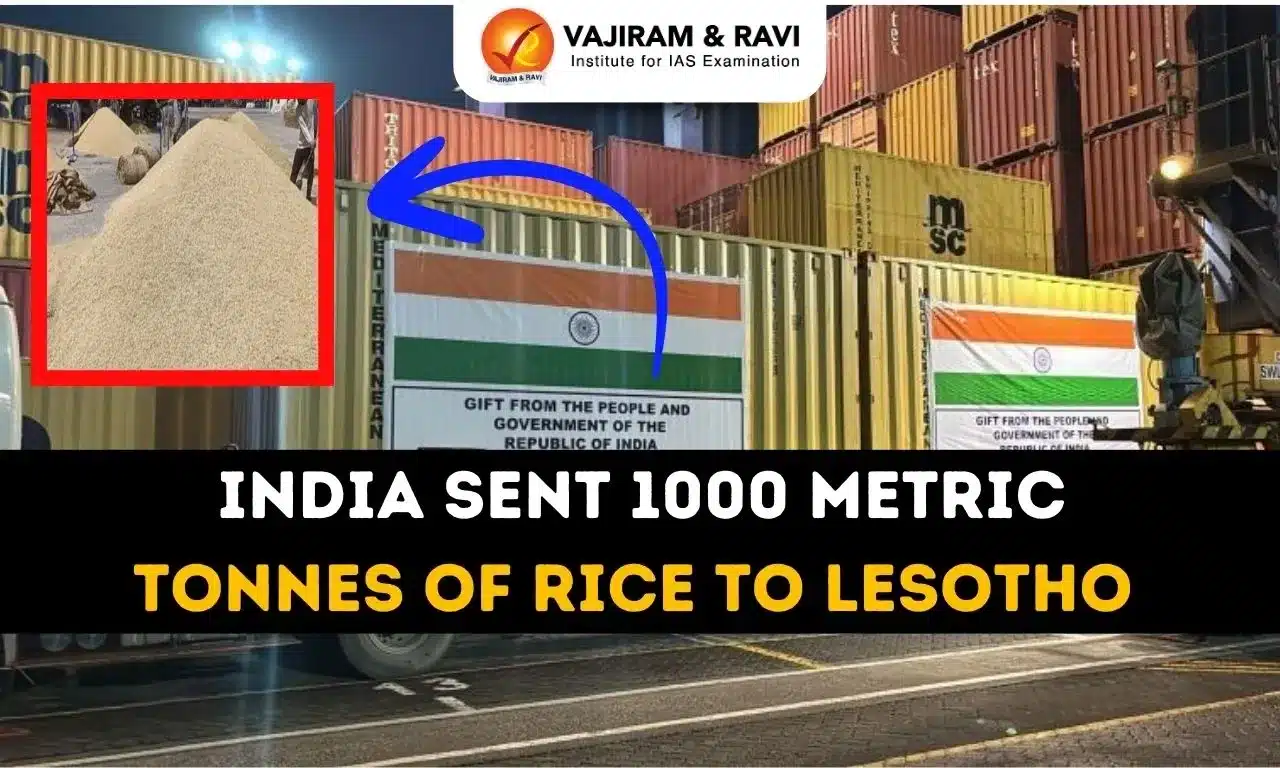
News: Batting For Global South, India Dispatches 1000 Tonnes Of Humanitarian Assistance To Lesotho

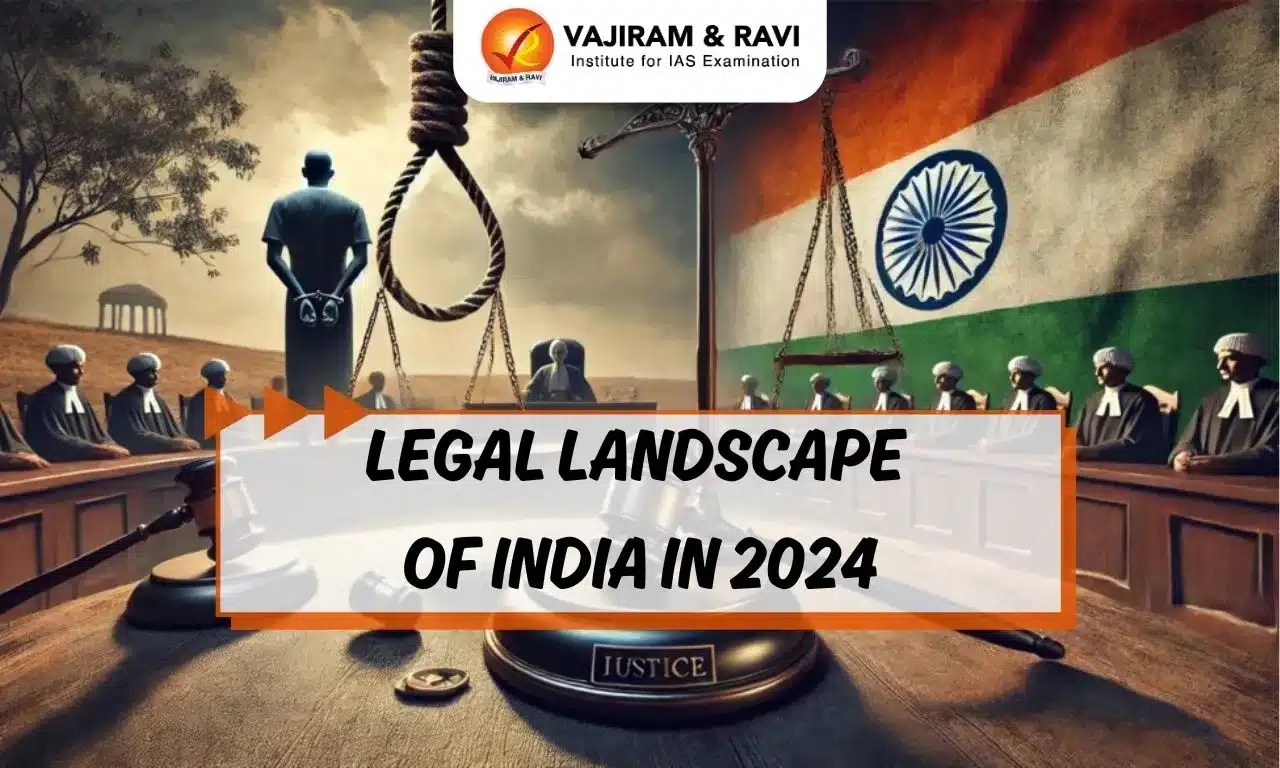
Legal Landscape of India in 2024 and Challenges Ahead

Legal Landscape of India in 2024 and Challenges Ahead

What’s in today’s article?

  • Why in News?
  • Key Verdicts and Interventions in 2024
  • Challenges Ahead for 2025
  • Major Cases to Watch in 2025
  • Contentious Legislative Reforms
  • Conclusion

Why in News?

  • 2024 marked a significant shift in India’s judiciary, with the Supreme Court taking decisive stances on politically sensitive issues, addressing long-standing criticisms of "judicial evasion."
  • Landmark rulings, major institutional reforms, and debates on contentious laws defined the year, setting the stage for critical developments in 2025.

Key Verdicts and Interventions in 2024:

  • Landmark judgments:
    • Electoral Bonds scheme: Declared unconstitutional, addressing concerns of transparency in political funding.
    • Bilkis Bano case: Reversed the Gujarat government’s remission for convicts in a high-profile gangrape case.
    • Bulldozer demolitions: Issued guidelines to curb illegal practices.
    • Opposition leaders: Granted bail in politically charged cases, signaling judicial independence.
    • Mandir-Masjid disputes: Barred fresh district court cases on ownership of religious sites.
  • Long-pending issues addressed: Constitution Benches took up key cases, including:
    • Aligarh Muslim University’s minority status.
    • Taxation of industrial alcohol.
  • Significance of these verdicts and interventions: These efforts continued reforms initiated during former Chief Justice U U Lalit’s tenure and advanced under Chief Justice D Y Chandrachud.

Challenges Ahead for 2025:

  • Transition in leadership:
    • Three Chief Justices will preside in 2025:
      • CJI Sanjiv Khanna (until May).
      • Justice Bhushan Ramkrishna Gavai (194-day tenure).
      • Justice Surya Kant (November 2025–February 2027).
    • Short tenures of CJIs mean the composition of the Collegium, which makes recommendations for the appointment of judges, sees frequent changes.
    • Short tenures also pose challenges to continuity in addressing institutional reforms and pendency.
  • Institutional reforms: Digital advancements under Justice Chandrachud have increased public scrutiny of the judiciary, requiring further adaptation.

Major Cases to Watch in 2025:

  • Religious and cultural issues:
    • Places of Worship Act: Constitutional challenges to the 1991 law freezing religious character as of 1947 are pending.
    • Hijab ban: A 3-judge bench will reexamine the legality of Karnataka’s ban on headscarves in schools.
    • Essential religious practices: Re-evaluation of doctrines affecting cases like women’s entry into religious sites, which was decided in the Sabarimala verdict (2018).
  • Citizenship and secularism (The Citizenship (Amendment) Act, 2019): Challenges on grounds of exclusion of Muslims and violation of secularism will test the Court’s interpretation of equality and fraternity.
  • Gender rights (Marital rape): Debate over criminalising marital rape continues, with concerns of disproportionate consequences.
  • Enforcement Directorate’s powers: Judicial scrutiny of the ED’s arrest powers and procedural safeguards could redefine the scope of investigative agencies.

Contentious Legislative Reforms:

  • One Nation, One Election: Among key legislative reforms in the pipeline, the Bills to hold simultaneous elections to Lok Sabha, and state and Union Territory Assemblies, will likely be most significant.
  • New criminal laws: Replacement of colonial-era laws with Bharatiya Nyaya Sanhita, 2023, and related statutes has introduced progressive changes but also contentious provisions, such as:
    • Rebranding sedition as "deshdroh" (treason).
    • Extending detention periods.
  • Uniform Civil Code (UCC):
    • Uttarakhand’s UCC, effective January 2025, mandates registration of live-in relationships and introduces penalties for non-compliance.
    • Similar codes in BJP-ruled states face scrutiny for encroaching on personal freedoms.
  • Sub-classification of Scheduled Castes: States can now create sub-quotas within Scheduled Caste reservations, potentially reshaping affirmative action policies.

Conclusion:

  • 2024 underscored the Supreme Court's evolving role in addressing critical legal and social issues.
  • With high-stakes cases and legislative reforms on the horizon, 2025 promises to be another pivotal year for India’s judiciary.
  • The challenge lies in balancing judicial intervention with respect for legislative intent, ensuring justice and constitutional values prevail.

Q.1. What was the Sabarimala verdict?

In 2018, the Supreme Court of India ruled that the practice of excluding women from the Sabarimala Temple was unconstitutional.

Q.2. What is the One Nation, One Election Bill?

The Law Minister introduced two Bills in Lok Sabha - a Constitution Amendment Bill to sync the terms of Lok Sabha and state Assemblies, and a consequential Bill to amend the relevant Acts for UTs and the NCT of Delhi to enable simultaneous polls there as well.

Source: IE

What is the Marburg Virus Disease?

What is the Marburg Virus Disease?

About Marburg Virus Disease (MVD):

  • Definition: MVD is a severe and often fatal hemorrhagic fever caused by the Marburg virus, with no approved vaccines or treatments currently available.
  • History and Origin: First identified in 1967 in the German city of Marburg. Named after an outbreak linked to laboratory workers exposed to infected green monkeys imported from Uganda.
  • Geographical spread: Most outbreaks have occurred in sub-Saharan Africa, including countries like Tanzania, Uganda, Angola, Ghana, Kenya, and Zimbabwe.
  • Transmission: Initially transmitted from fruit bats (Rousettus aegyptiacus) to humans. Spread occurs through direct contact with bodily fluids of infected individuals or contaminated surfaces.
  • Symptoms:
    • Early signs: High fever, severe headache, and malaise.
    • Advanced stage: Severe bleeding, liver failure, multi-organ dysfunction, shock, and death within 8-9 days of symptom onset.
  • Fatality rate: The average case fatality rate is approximately 50%, varying from 24% to 88% depending on the virus strain and case management.
  • Diagnosis: Confirmed through RT-PCR (Reverse Transcription Polymerase Chain Reaction) tests and virus isolation procedures that require maximum biohazard containment.
  • Treatment: No specific treatment exists. Supportive care includes rehydration, electrolyte replacement, and symptom management, improving survival chances.
  • Vaccine development: Promising vaccines, such as the Sabin Vaccine Institute’s single-dose vaccine, are under Phase 2 trials in Uganda and Kenya. Rwanda also received investigational vaccines to support outbreak control.

Key Facts About Rwanda:

  • Geography: A landlocked country in East-Central Africa, referred to as the "Land of a Thousand Hills".
    • Borders: Burundi, Tanzania, Uganda, and the Democratic Republic of the Congo.
    • Rivers: The Nile and Congo rivers flow through Rwanda.
  • Capital City: Kigali.

Q1). What are the components of a virus?

A virus contains genetic material (DNA or RNA) inside a protein coat called the capsid. Some viruses have an outer envelope made of lipids and proteins.

Q2). How are viruses classified based on structure?

Based on structure, viruses are classified as helical, icosahedral, enveloped, and complex. Helical viruses have spiral capsids, and icosahedral has polygonal capsids.

Source: DTE

Ken-Betwa Link Project: Foundation, Benefits, Environmental & Social Impacts

Ken-Betwa Link Project: Foundation, Benefits, Environmental & Social Impacts

What’s in today’s article?

  • Why in News?
  • Ken-Betwa Link Project (KBLP)
  • Environmental and social concerns
  • Controversies and Criticism Surrounding the Project

Why in News?

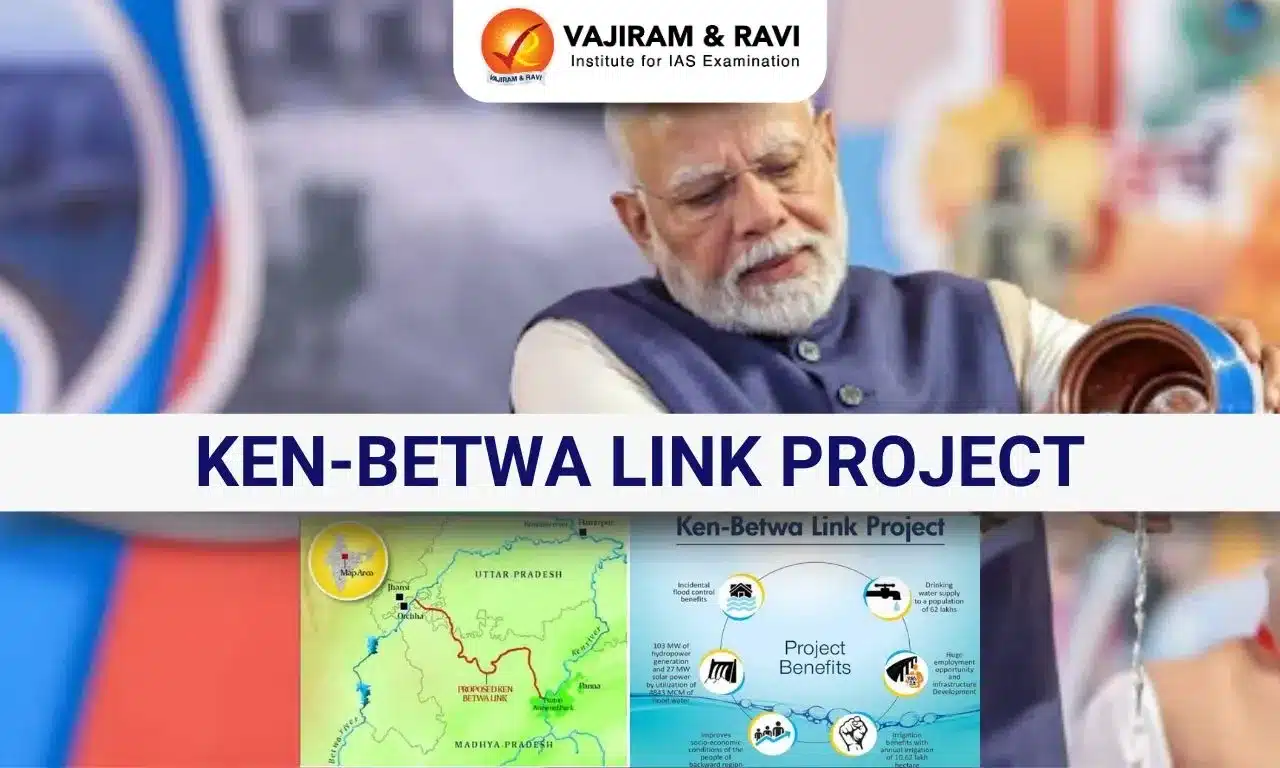
Prime Minister Narendra Modi laid the foundation stone for the Ken-Betwa river-linking project in Madhya Pradesh’s Khajuraho. 

The project aims to transfer excess water from the Ken River in Madhya Pradesh to the Betwa River. It is expected to bring prosperity to the Bundelkhand region.

Ken-Betwa Link Project (KBLP)

  • About
    • The Ken-Betwa Link Project (KBLP) aims to transfer water from the Ken River to the Betwa River, both tributaries of the Yamuna. 
    • The project includes a 221-km canal with a 2-km tunnel.
    • The project also includes a 73.8-meter-high dam on Ken at Daudhan in Madhya Pradesh’s Chhattarpur district. 
  • History of the Ken-Betwa interlinking project
    • The project was conceptualised in the 1980s but the water-sharing agreement could not be reached between the two states. 
    • The work on the project was originally slated to begin in 2015 but only got a fresh push last year with the government making a revised deal with the two states.
    • Finally, On March 22, 2021, a memorandum of agreement was signed among the Ministry of Jal Shakti and the governments of Madhya Pradesh and Uttar Pradesh to implement the Project.
  • Project Phases
    • Phase-I: Construction of the Daudhan Dam complex, Low Level Tunnel, High Level Tunnel, Ken-Betwa Link Canal, and powerhouses.
    • Phase-II: Construction of Lower Orr Dam, Bina Complex Project, and Kotha Barrage.
  • Completion of project
    • According to the Jal Shakti Ministry, the KBLP project is proposed to be implemented in eight years.
  • Regions Benefiting from the project
    • The project will benefit the Bundelkhand region, which spans 13 districts in Uttar Pradesh and Madhya Pradesh. Key beneficiary districts include:
      • Madhya Pradesh: Panna, Tikamgarh, Chhatarpur, Sagar, Damoh, Datia, Vidisha, Shivpuri, and Raisen.
      • Uttar Pradesh: Banda, Mahoba, Jhansi, and Lalitpur.
    • The project aims to address water scarcity in this drought-prone region, fostering development and paving the way for future river interlinking initiatives.
  • Benefits of the Project
    • Irrigation: Annual irrigation for 10.62 lakh hectares (8.11 lakh ha in Madhya Pradesh and 2.51 lakh ha in Uttar Pradesh).
    • Drinking Water: Supply for approximately 62 lakh people.
    • Power Generation: 103 MW of hydropower and 27 MW of solar power.

Environmental and social concerns 

  • Environmental Impacts
    • Deforestation in Panna National Park: The project will result in large-scale deforestation, with around 98 sq km of the park submerged and 2–3 million trees felled.
  • Threat to Wildlife:
    • Tigers: The Daudhan Dam, located inside the Panna National Park, could undermine the successful tiger reintroduction program that revived the population after local extinction in 2009.
    • Gharials and Vultures: Likely to affect the Gharial population in the Ken Gharial Sanctuary and disrupt vulture nesting sites downstream.
  • Hydrological Concerns:
    • IIT-Bombay scientists warn the project could reduce September rainfall by up to 12% due to disruptions in land-atmosphere feedback.
    • Experts demand transparency in Ken River's hydrological data for a thorough review.
  • Social Impacts
    • Displacement: The dam will displace 5,228 families in Chhatarpur district and 1,400 families in Panna district due to submergence and land acquisition.
    • Inadequate Compensation: Protests have erupted over perceived inadequate compensation and minimal benefits for affected communities, particularly in Panna district.

Controversies and Criticism Surrounding the Project

  • Wildlife and Environmental Clearance: The Supreme Court’s Central Empowered Committee (CEC) questioned the wildlife clearance and the project's economic viability.
  • Violation of Precedents: The Union Environment Ministry approved construction within the core of the Panna Tiger Reserve, despite no precedent for such heavy infrastructure in national parks or tiger reserves.

Q.1. What is the Ken-Betwa Link Project?

The Ken-Betwa Link Project transfers water from the Ken River to the Betwa River, addressing water scarcity in Bundelkhand. It involves the Daudhan Dam and a 221-km canal. It aims to irrigate 10.62 lakh hectares and supply drinking water to 62 lakh people.

Q.2. What are the environmental concerns surrounding the Ken-Betwa Project?

The project threatens wildlife in Panna Tiger Reserve, affects Gharials and vultures, and involves deforestation of 98 sq km. Scientists warn of reduced September rainfall and hydrological disruptions. Displacement of 6,628 families raises social concerns.

Source: IE | TH | HT

Mitochondrial DNA Mutations and Age-Related Muscle Loss

Mitochondrial DNA Mutations and Age-Related Muscle Loss

What are Mitochondria?

  • Definition: Mitochondria are membrane-bound organelles present in the cytoplasm of most eukaryotic cells, often called the "powerhouses" of the cell.
  • Maternal inheritance: Mitochondria are inherited exclusively from the mother via the egg cell.

Key functions:

  • Energy production: Generate adenosine triphosphate (ATP), the primary energy carrier required for muscle contraction, protein synthesis, and cell division.
  • Cellular respiration: Facilitates the breakdown of food into energy in the form of ATP.
  • Regulating cell death: Control apoptosis, ensuring the maintenance of healthy tissues.
  • Mitochondrial DNA (mtDNA): Contains its DNA, which is prone to mutations that significantly affect cellular functions.

Key Findings of the Study

  • Deletion mutation’s role: Deletion mutations in mtDNA reduce its size and functionality, gradually eroding mitochondrial efficiency.
    • These mutated mtDNA molecules outcompete healthy ones, leading to a decline in ATP production.
  • Chimeric genes: Deletion mutations create chimeric genes by fusing different mitochondrial genes, forming abnormal sequences.
    • Chimeric genes disrupt mtDNA expression, accelerating mitochondrial dysfunction and muscle degradation.
  • Age-related changes: Older individuals exhibit a two-fold increase in chimeric mitochondrial mRNA, correlating with biological ageing.
    • Mutations also affect brain and muscle tissues, emphasizing their systemic impact on ageing.
  • Biomarkers for biological ageing: mtDNA deletion mutations and chimeric mRNA are key indicators of biological ageing.
    • Understanding these markers could pave the way for therapies to prevent or repair mutations, delaying age-related muscle loss.

Source: TH

FDA Approves Zepbound for Obstructive Sleep Apnoea: A Breakthrough in OSA Treatment

FDA Approves Zepbound for Obstructive Sleep Apnoea: A Breakthrough in OSA Treatment

What’s in today’s article?

  • Why in News?
  • Obstructive Sleep Apnoea (OSA)
  • How Zepbound Works?

Why in News?

The FDA has approved Tirzepatide, marketed as Zepbound, for treating Obstructive Sleep Apnoea (OSA). The drug is recommended alongside a low-calorie diet and increased physical activity for individuals with moderate to severe OSA. 

This approval highlights Tirzepatide's diverse applications beyond managing type-2 diabetes and obesity, as fat accumulation around the neck contributes to throat muscle laxity causing OSA.

It also marks the first drug treatment option for certain patients with obstructive sleep apnoea.

Obstructive Sleep Apnoea (OSA)

  • Types of Sleep Apnoea:
    • Obstructive Sleep Apnoea (OSA): The most common form, caused by physical blockage of the airway.
    • Central Sleep Apnoea: Occurs when the brain fails to send proper signals to muscles controlling breathing.
    • Complex Sleep Apnoea Syndrome: A combination of OSA and central sleep apnoea.
  • About OSA
    • Obstructive Sleep Apnoea (OSA) is a sleep disorder characterized by repeated interruptions in breathing during sleep due to the relaxation of throat muscles. 
    • These interruptions, or apneas, can lead to a choking sensation, causing the person to wake up briefly and disrupt sleep quality. 
    • As a result, individuals with OSA often feel fatigued during the day despite having a full night’s sleep.
  • Link Between Obesity and OSA
    • As per the experts, smaller lungs due to abdominal fat and a floppy tongue are key contributors to OSA, emphasizing obesity as a significant risk factor.
  • Impact of Fat Accumulation
    • Fat around the abdomen reduces lung size, increasing the risk of airway blockage.
    • Neck fat and fat deposits on the back of the tongue can obstruct airways during sleep.
  • Prevalence: Over 50% of OSA patients are obese, and 25% are overweight.
  • Other risk factors
    • Other risk factors include aging, smoking, and a family history of sleep apnoea. 
    • Symptoms of OSA include loud snoring, frequent waking during the night, and excessive daytime sleepiness.
  • Current Treatment for OSA
    • Patients with OSA commonly use a positive airway pressure machine, which delivers pressurized air to keep the airway open during sleep. 
    • Medications may also be prescribed to improve sleep quality. 
    • Weight loss, lifestyle changes, and medications may also be recommended.
    • However, no drug has been available specifically for treating OSA until now.

How Zepbound Works?

  • Zepbound activates the receptors of hormones secreted by the intestine, such as glucagon-like peptide (GLP-1) and glucose-dependent insulinotropic polypeptide (GIP), which reduces appetite and food intake. 
    • Manufactured by Eli Lilly and Co., Zepbound is approved for individuals who are obese or overweight with related health conditions like type 2 diabetes, high cholesterol, or high blood pressure.
  • Studies suggest that by reducing body weight, Zepbound also improves OSA.
    • Experts noted that excess body fat contributes to diseases like OSA. 
    • Zepbound's weight-loss properties are being linked to benefits in multiple conditions, with additional mechanisms under study.

Q.1. How does Zepbound help in treating Obstructive Sleep Apnoea (OSA)?

Zepbound activates intestinal hormone receptors, reducing appetite and promoting weight loss. This decreases fat accumulation around the neck and abdomen, alleviating airway blockage during sleep, thus improving symptoms of Obstructive Sleep Apnoea (OSA).

Q.2. Why is Zepbound’s approval significant for OSA patients?

Zepbound is the first FDA-approved drug specifically for OSA treatment. It offers an alternative to traditional methods like CPAP machines, particularly benefiting obese individuals by addressing the root cause of OSA through weight loss.

Source: IE | TOI
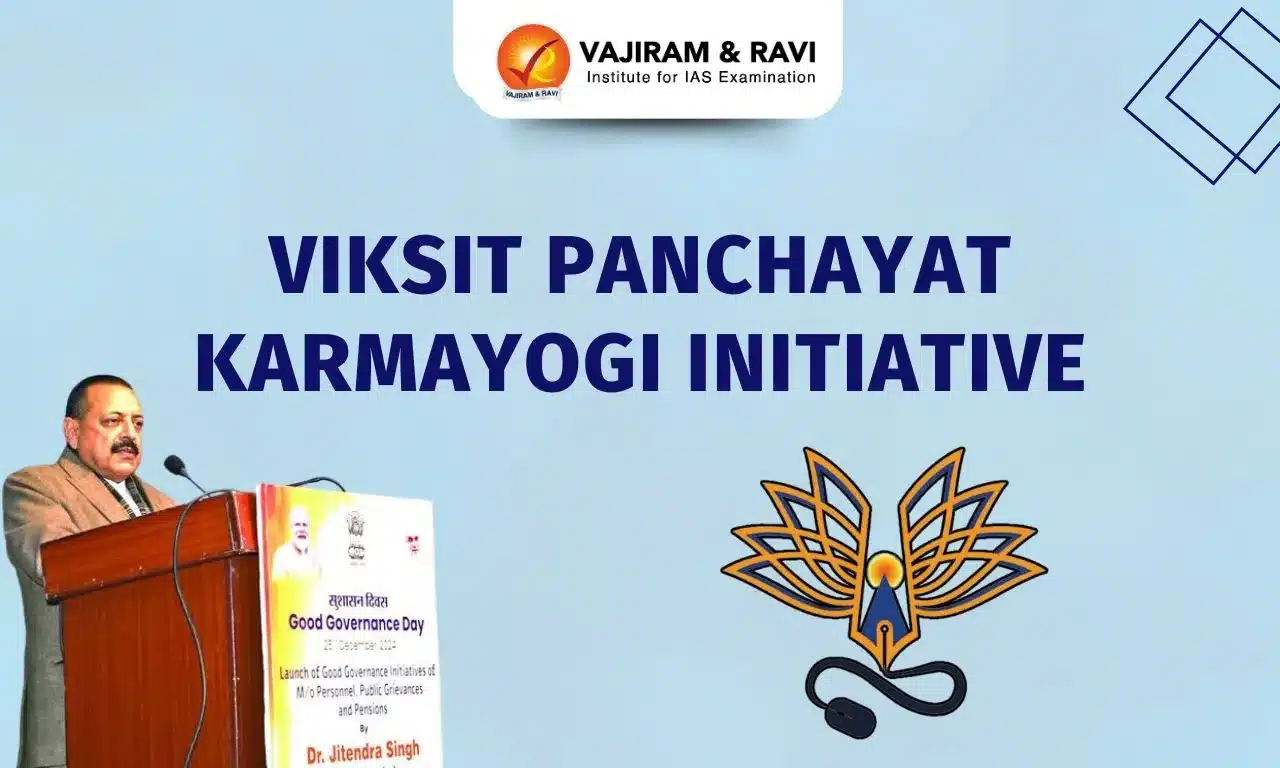
Viksit Panchayat Karmayogi Initiative

Viksit Panchayat Karmayogi Initiative

About Viksit Panchayat Karmayogi Initiative:

  • It focuses on strengthening Panchayati Raj Institutions (PRIs) through innovative tools and capacity-building frameworks.
  • It is piloted in Odisha, Assam, Gujarat, and Andhra Pradesh.
  • The initiative leverages e-learning platforms, AI-powered chatbots, and mobile apps to bridge knowledge gaps and enhance service delivery.
  • This program aligns with the government’s broader mission to decentralize governance and foster participatory decision-making at the grassroots level.
  • The initiative is expected to create scalable models of citizen-centric governance, enabling PRIs to drive equitable and sustainable development across rural India.
  • It is part of the broader ‘Prashasan Gaon Ki Aur’ campaign, aims to enhance the capacity and competence of Panchayati Raj Institutions (PRIs) by equipping elected representatives and officials with the tools and knowledge required for effective governance and participatory planning.

Other recently launched initiatives

  • New dashboard on the iGOT Karmayogi platform:
    • It is designed to empower ministries, departments, and state administrators with advanced tools to monitor user registrations, course completions, and overall progress in capacity-building efforts.
    • With customizable views and robust data filtration capabilities, the dashboard provides detailed insights to improve decision-making and optimize training initiatives.
  • CPGRAMS Annual Report 2024
    • It provides a comprehensive review of the Centralized Public Grievance Redress and Monitoring System.
    • The report showcases key achievements, including the resolution of over 25 lakh grievances annually and the implementation of the Grievance Redressal Assessment and Index (GRAI).

Q1: What is Grievance Redressal Assessment And Index?

It was conceptualized and designed by the DARPG, Govt. of India based on the recommendation of the Parliamentary Standing Committee of the Ministry of Personnel, Public Grievances and Pensions.

News: Dr. Jitendra Singh Launches ‘Viksit Panchayat Karmayogi’ Initiative to Empower Grassroots Governance

Golden Visa Programme

Golden Visa Programme

About Golden Visa programme: 

  • It is a residence by investment (RBI) plan, which grants temporary residency to foreign nationals in exchange for a significant donation or investment in real estate, business, or other fields known as a "Golden Visa." 
  • High-net-worth individuals (HNWIs) often physically relocate to favorable jurisdictions through golden visa schemes, granting them complete legal residency rights, including the facility to live, work, study, and receive healthcare in that nation.

What is Spain’s Golden Visa programme?

  • It was introduced in 2013, allowing non-European Union citizens to obtain residency permits by investing a minimum of €500,000 in Spanish real estate.
  • The termination of Spain's Golden Visa program means that foreign nationals can no longer gain residency by investing at least €500,000 in Spanish real estate.
  • Reasons for terminating the programme
    • Housing affordability Issue: It cited the need to address rising property prices and ensure housing availability for local citizens, particularly in major cities.
    • Misuse: The programme being used for money laundering and tax evasion.

Q1: What Is a Visa?

A visa is an official document that allows the bearer to legally enter a foreign country. The visa is usually stamped or glued into the bearer’s passport. There are several different types of visas, each of which afford the bearer different rights in the host country.

News: Spain ends Golden Visa programme: What it means for foreign investors

MoSPI Modifying Base Year of Consumer Price Index

MoSPI Modifying Base Year of Consumer Price Index

What’s in today’s article?

  • Why in the News?
  • Consumer Price Index (CPI)
  • Types of CPI
  • How CPI is Calculated?
  • Purpose of CPI
  • Key Issues in the Current CPI
  • Proposed Changes in the New CPI Series
  • Rationale Behind the Proposed Changes
  • Methodological Challenges
  • Broader Implications
  • Conclusion

Why in the News?

  • The Ministry of Statistics and Programme Implementation (MoSPI) is modifying the Consumer Price Index (CPI) base year by updating CPI weights and baskets.
  • MoSPI also plans to gather feedback from users, experts, academicians, government organisations, state governments, financial institutions, and the general public on how to treat free PDS items in the Consumer Price Index compilation.

Consumer Price Index (CPI)

  • The CPI measures the average change in prices of a fixed basket of goods and services that households typically consume.
  • It reflects how the purchasing power of money changes over time due to inflation.
  • Components: CPI includes various categories, such as:
    • Food and Beverages: Items like cereals, pulses, vegetables, milk, meat, and beverages.
    • Housing: Rent or imputed rent for self-occupied houses.
    • Clothing and Footwear: Costs of garments, footwear, and other related items.
    • Fuel and Light: Includes LPG, kerosene, firewood, and electricity.
    • Miscellaneous: Education, healthcare, transport, communication, and recreation expenses.
  • Publishing Authority: The Ministry of Statistics and Programme Implementation (MoSPI) is responsible for compiling and releasing CPI data.

Types of CPI

  • CPI for Industrial Workers (CPI-IW):
    • Tracks price changes for industrial workers.
    • Base Year: 2016
    • Used for wage adjustments in organized labor.
  • CPI for Agricultural Labourers (CPI-AL) and Rural Labourers (CPI-RL):
    • Measures inflation for rural and agricultural laborers.
    • Base Year: 1986-87
  • CPI (Urban), CPI (Rural), and CPI Combined:
    • Measures retail inflation at a national level.
    • Base Year: 2012
  • The CPI Combined is widely used as the official retail inflation rate in India.

How is CPI Calculated?

  • CPI is calculated using the following formula:

CPI = [Cost of the basket ÷ Cost of the basket] x 100

  • Here:
    • The basket of goods and services represents typical household consumption.
    • The base year serves as a reference point for comparison (currently 2012, likely to be revised to 2024).

Purpose of CPI

  • Tracking Inflation: CPI helps monitor the rate at which prices are rising or falling.
  • Policy Formulation: The Reserve Bank of India uses CPI as the primary metric for inflation targeting, maintaining it at 4% ± 2%.
  • Wage and Pension Adjustments: CPI is used to revise salaries and pensions, especially in government sectors.
  • Economic Analysis: It provides insights into consumption trends and economic health.

Key Issues in the Current CPI

  • Exclusion of Free PDS Items:
    • Free goods distributed under the Public Distribution System are currently excluded as they do not involve direct monetary transactions.
    • This aligns with international practices and recommendations, such as those by the International Monetary Fund (IMF), which suggest excluding non-monetary transactions from CPI.
  • Challenges with PDS Inclusion:
    • Redistribution of weights for free items has occasionally caused inflation spikes.
    • Free items complicate inflation calculation as their inclusion may distort the measure of consumer expenditure.

Proposed Changes in the New CPI Series

  • The MoSPI is revising the CPI methodology with 2024 as the new base year. Key changes under consideration include:
  • Inclusion of PDS Items:
    • Reflecting free PDS items at a zero price, with future adjustments as weights change.
    • This could lower headline inflation figures but requires significant adjustments to the CPI calculation process.
  • Redistribution of Weights:
    • Restrict redistribution to the same category (current practice).
    • Broader redistribution across the entire CPI basket for greater accuracy.
  • Stakeholder Consultation:
    • The new CPI series is expected to roll out by the final quarter of FY26, post stakeholder consultations and technical adjustments.
    • MoSPI has invited inputs from experts, academicians, and the public on the proposed treatment of free PDS items, with the deadline set for January 15, 2025.

Rationale Behind the Proposed Changes

  • Economic Representation:
    • The Chief Economic Advisor (CEA) and other experts argue that excluding free PDS items undermines the true representation of market conditions.
    • With increased free food grain distribution during economic crises, including these items may provide a more accurate inflation measure.
  • Alignment with Household Expenditure:
    • The updated CPI will derive weights from the 2022–23 Household Consumption Expenditure Survey (HCES), ensuring the basket reflects current consumption patterns.

Methodological Challenges

  • Compliance with International Norms:
    • Global practices recommend limiting CPI to monetary transactions, complicating the inclusion of free PDS items.
  • Mid-Series Adjustments:
    • Adapting ongoing CPI series to account for changes in PDS pricing—such as shifting from zero to positive prices—presents statistical challenges.
  • Impact on Headline Inflation:
    • Including free items may lower inflation figures, but it risks skewing the index’s purpose of capturing monetary price movements.

Broader Implications

  • Policy Decisions:
    • The revised CPI will serve as a critical input for monetary policy, helping the Reserve Bank of India (RBI) frame more accurate inflation-targeting measures.
  • Global Trade Considerations:
    • As India aims to align its statistical practices with international standards, changes in CPI methodology may affect global investor perceptions.

Conclusion

  • The ongoing deliberations on including free PDS items in CPI aim to enhance the index’s robustness and accuracy.
  • While aligning with international best practices, India’s revised CPI could better capture the dynamics of consumer expenditure and inflation in a rapidly evolving economic landscape.
  • Stakeholder feedback and meticulous planning will be crucial to navigating the statistical and policy complexities of these changes.

Q1. What is the basic difference between Wholesale Price Index and Consumer Price Index?

The main difference between WPI and CPI lies in the scope of goods they measure. WPI tracks price changes at the wholesale level, primarily focusing on goods traded between businesses, while CPI measures price changes at the retail level, focusing on goods and services purchased by consumers.

Q2. What is the purpose of a Monetary Policy?

Central banks use monetary policy to manage economic fluctuations and achieve price stability, which means that inflation is low and stable. Central banks in many advanced economies set explicit inflation targets.

Source: IE | ET

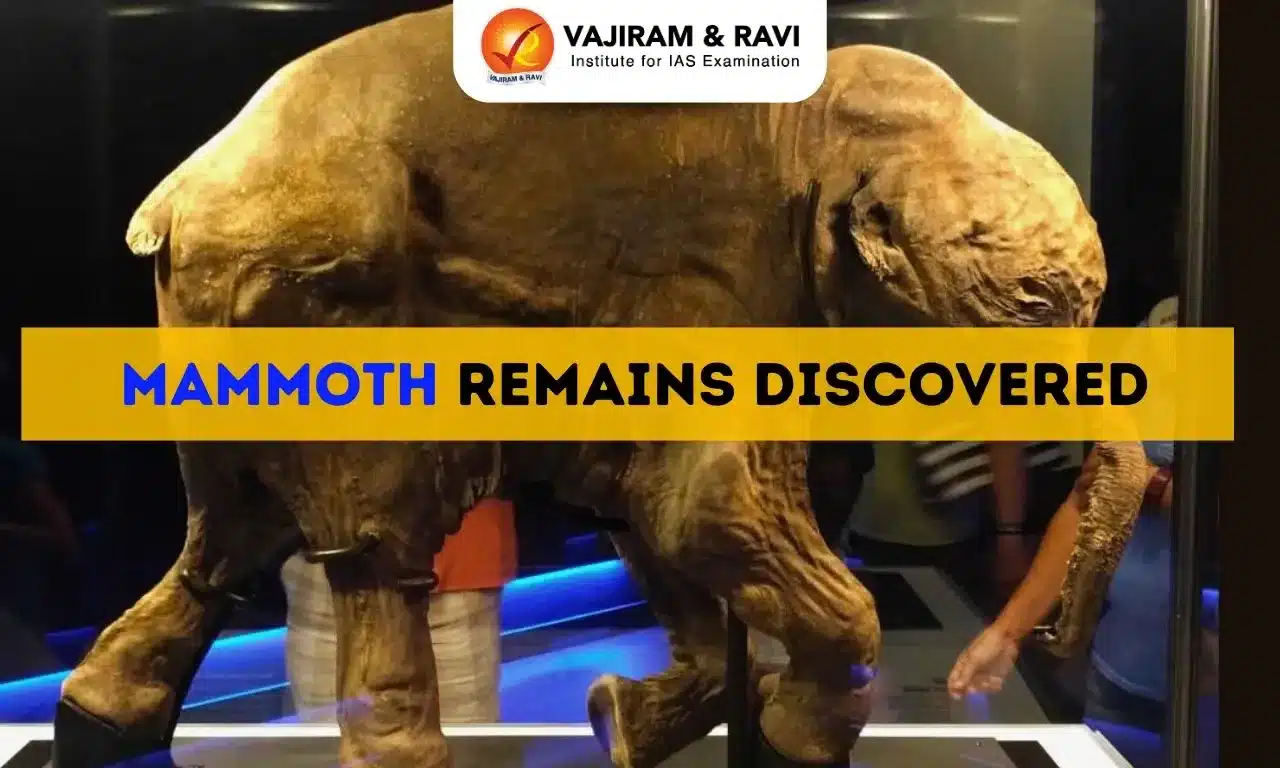
Mammoth

Mammoth

About Mammoth:

  • Mammoths are members of an extinct species belonging to elephantid genus Mammuthus.
  • Time period: They lived from the Pliocene epoch (from around 5 million years ago) into the Holocene at about 4,000 years ago.
  • They existed in Africa, Europe, Asia, and North America. 
  • Features
    • The various species of mammoth were commonly equipped with long, curved tusks.
    • They evolved a suite of adaptations for arctic life, including morphological traits such as small ears and tails to minimize heat loss, a thick layer of subcutaneous fat, long thick fur, and numerous sebaceous glands for insulation.
    • They also had large brown-fat hump-like deposits behind the neck that may have functioned as a heat source and fat reservoir during winter.
  • IUCN Status: Extinct
  • Mammoths are more closely related to living Asian elephants than African elephants. 

Key facts about Permafrost

  • It is any ground—from soil to sediment to rock—that has been frozen continuously for a minimum of two years and as many as hundreds of thousands of years. 
  • It can extend down beneath the earth’s surface from a few feet to more than a mile, covering entire regions, such as the Arctic tundra, or a single, isolated spot, such as a mountaintop of alpine permafrost.
  • They can be found on land and below the ocean floor.
  • It is found in areas where temperatures rarely rise above freezing.

Q1: What is the Holocene Epoch? 

The Holocene Epoch is the current period of geologic time. The Holocene Epoch began 12,000 to 11,500 years ago at the close of the Paleolithic Ice Age and continues through today.

News: Intact remains of a 50,000-year-old young mammoth discovered in Sibera

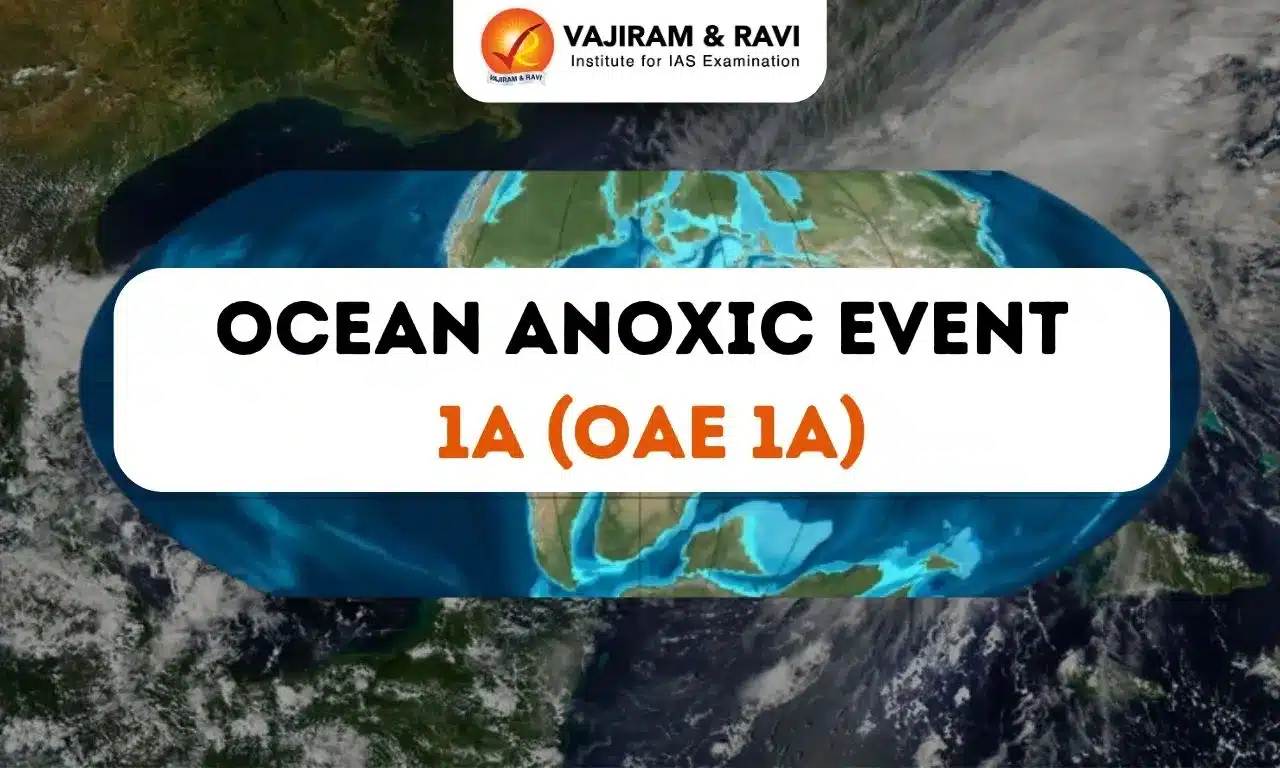
Ocean Anoxic Event 1a (OAE 1a)

Ocean Anoxic Event 1a (OAE 1a)

What is Ocean Anoxic Event 1a (OAE 1a)?

  • Definition: OAE 1a occurred during the Cretaceous Period (145–66 million years ago), marking a time when Earth’s oceans became depleted of oxygen. This led to severe disruptions in marine ecosystems.
  • Causes: Triggered by massive volcanic eruptions, which released large amounts of carbon dioxide (CO₂), resulting in global warming and oxygen depletion in the oceans.
    • These conditions created anoxic marine basins, where oxygen levels were nearly absent.
  • Impacts: The interaction of CO₂ and seawater formed carbonic acid, dissolving marine organisms’ shells and reducing oxygen levels.
    • This resulted in the extinction of several marine species, particularly plankton, and led to the formation of black shales, organic carbon-rich layers preserved in geological records.
  • Anoxic marine basins: Bodies of water, often in deep ocean regions, where oxygen levels are extremely low or absent.
    • Characteristics: Favor the survival of specialized microbes and fungi while inhibiting most aerobic life forms.
    • Carbon Sequestration: Low oxygen levels slow the decomposition of organic matter, aiding in long-term carbon sequestration, which helps reduce atmospheric CO₂ levels.
    • Examples: Black Sea, Cariaco Basin (Caribbean Sea), and Orca Basin (Gulf of Mexico).

Key Highlights of the Recent Study

  • Timing: The event began 119.5 million years ago, confirmed through isotopic analysis of volcanic tuffs from Japan’s Hokkaido Island.
    • OAE 1a lasted approximately 1.1 million years, indicating the extended recovery period for oceans after CO₂-driven warming and anoxia.
  • Volcanic activity: Linked to massive volcanic eruptions, such as the Ontong Java Nui complex, which released significant CO₂ into the atmosphere and oceans.
  • Modern relevance: Highlights parallels between ancient volcanic CO₂ emissions and current human-induced warming.
    • Warns that rapid modern warming could trigger similar disruptions in marine ecosystems and potentially lead to a Holocene extinction event.

Q1) What is the National Institute of Ocean Technology (NIOT)? 

NIOT was established in November 1993 as an autonomous society under the Ministry of Earth Sciences, Government of India. NIOT is managed by a Governing Council and the Director is the head of the Institute. 

Source: PHYS

Enquire Now