Tapti Basin Mega Recharge Project (TBMRP)

Tapti Basin Mega Recharge Project (TBMRP)

Tapti Basin Mega Recharge Project Latest News

The Indian government has fast-tracked approval for the electricity transmission line of the 1,000 MW Pakal Dul hydropower project in Jammu and Kashmir’s Kishtwar district.

About Tapti Basin Mega Recharge Project

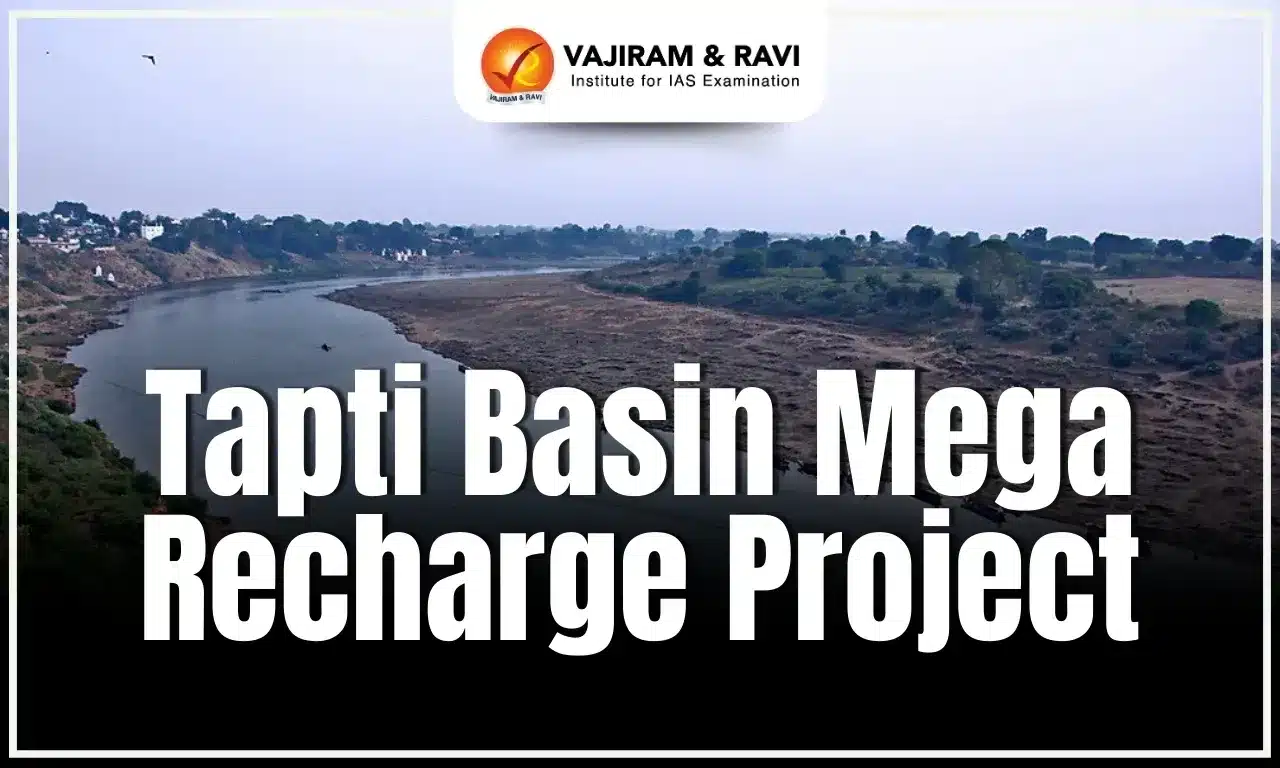
  • The Tapti River (called Tapi in Maharashtra) originates in Madhya Pradesh’s Betul district and flows through parts of Maharashtra.
  • TBMRP is a joint project of Madhya Pradesh and Maharashtra.
  • It is the world’s largest groundwater recharge initiative.
  • The project aims to channelise adequate water to northeastern Maharashtra, including Nagpur, for drinking purposes, and to southern Madhya Pradesh, particularly the Chhindwara district, for irrigation.
  • The total water usage of the Tapti Basin Mega Recharge Project will be 31.13 thousand million cubic feet (TMC), of which 11.76 TMC has been allocated to Madhya Pradesh and 19.36 TMC to Maharashtra.
  • It will facilitate irrigation of 1,23,082 hectares of land in MP and 2,34,706 hectares in Maharashtra. 
  • Under the Project, four water structures are proposed:
    • Low diversion weir at Kharia Gutighat dam site: The weir is proposed at Khalwa tehsil of Khandwa district in MP and Amravati tehsil of Maharashtra on the border of both states with 8.31 TMC capacity.
    • Right bank canal phase I: A 221-km-long canal is proposed from the right bank of the proposed Kharia Gutighat weir, with 110 km in MP. The canal will irrigate over 55,000 hectares of area in MP.
    • Left bank canal phase I: A 135.64-km-long canal is proposed from the left bank of the proposed Kharia Gutighat weir, with 100.42 km in MP. It will irrigate over 44,000 hectares of area in MP.
    • Left bank canal phase II: Its length will be 123.97 km, which will irrigate over 80,000 hectares in Maharashtra.

Tapti Basin Mega Recharge Project FAQs

Q1. The Tapti Basin Mega Recharge Project is a joint initiative of which two Indian states?

Ans. Madhya Pradesh and Maharashtra

Q2. Which state receives the larger share of water under the Tapti Basin Mega Recharge Project?

Ans. Maharashtra

Q3. What is the primary goal of the Tapti Basin Mega Recharge Project in Nagpur and surrounding areas?

Ans. Drinking water supply

SourceTH

LICONN Technology

LICONN Technology

LICONN Technology Latest News

Scientists recently developed a way to map how brain cells are connected using light microscopes in a technique called LICONN. 

About LICONN Technology

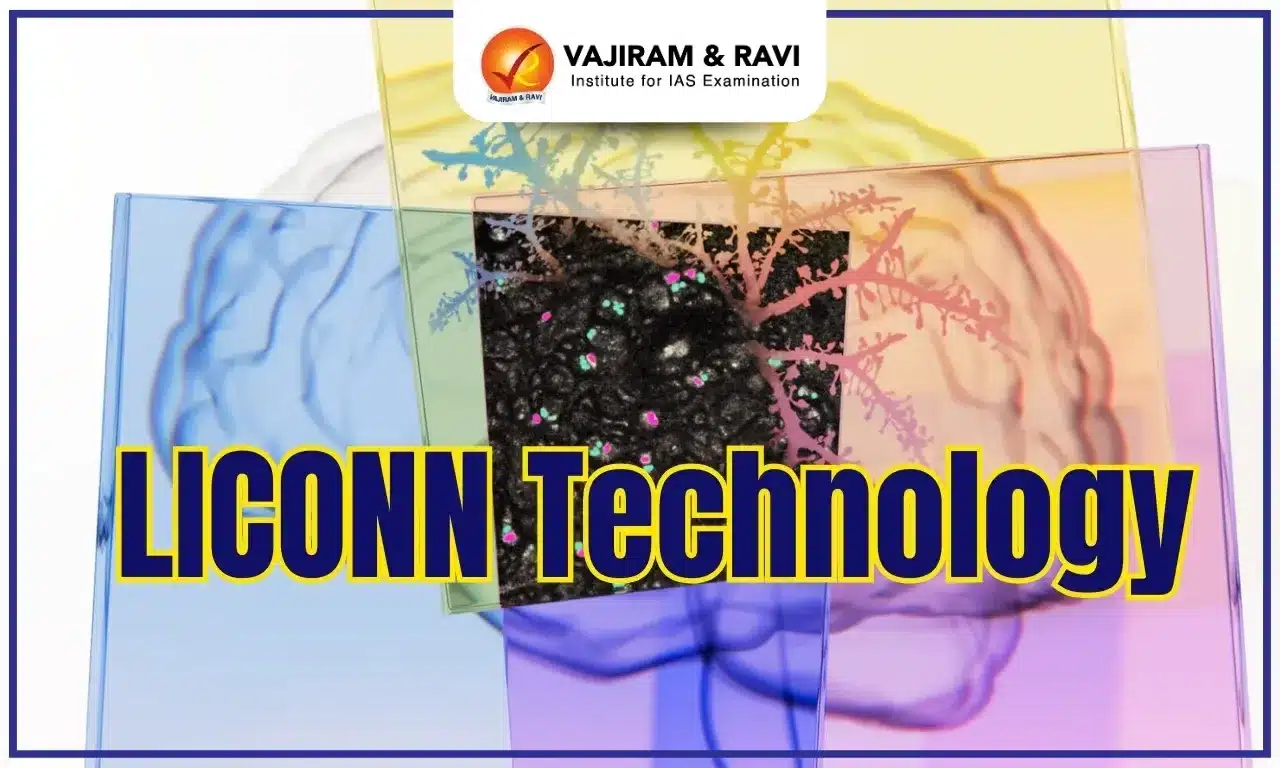
  • Light-microscopy-based Connectomics (LICONN) is a new method to map the brain’s complex neural networks at the nanoscale while simultaneously identifying specific molecules within those connections. 
  • It was developed at the Institute of Science and Technology Austria (ISTA).
  • LICONN combines conventional light microscopy technology with the properties of hydrogel and experimental techniques, artificial intelligence, and analytical methods. 
  • It is the first technology beyond electron microscopy (EM) that is capable of reconstructing brain tissue with all the synaptic connections between neurons.
  • Until now, researchers studying brain connectivity faced a challenging trade-off: they could either see the detailed physical structure of neural connections using electron microscopy (EM) or identify specific molecules using light microscopy—but not both simultaneously at the resolution needed to trace individual connections.
  • LICONN allows researchers to see structures in the brain that are smaller than what normal light microscopes can detect. 
  • They do this by soaking brain tissue in a special gel that expands it by about 16 times its original size, then use fluorescent stains to highlight different proteins and advanced computer programs, including AI, to identify and trace the shapes of neurons.

LICONN Technology FAQs

Q1. Which institution developed the LICONN technology?

Ans. Institute of Science and Technology Austria (ISTA)

Q2. Prior to LICONN, which technique was primarily used to see detailed neural connections?

Ans. Electron Microscopy (EM)

Q3. What advanced technique is used in LICONN to help trace neuron shapes?

Ans. Artificial Intelligence

SourceTH

RNA Exosomopathies

RNA Exosomopathies

RNA Exosomopathies Latest News

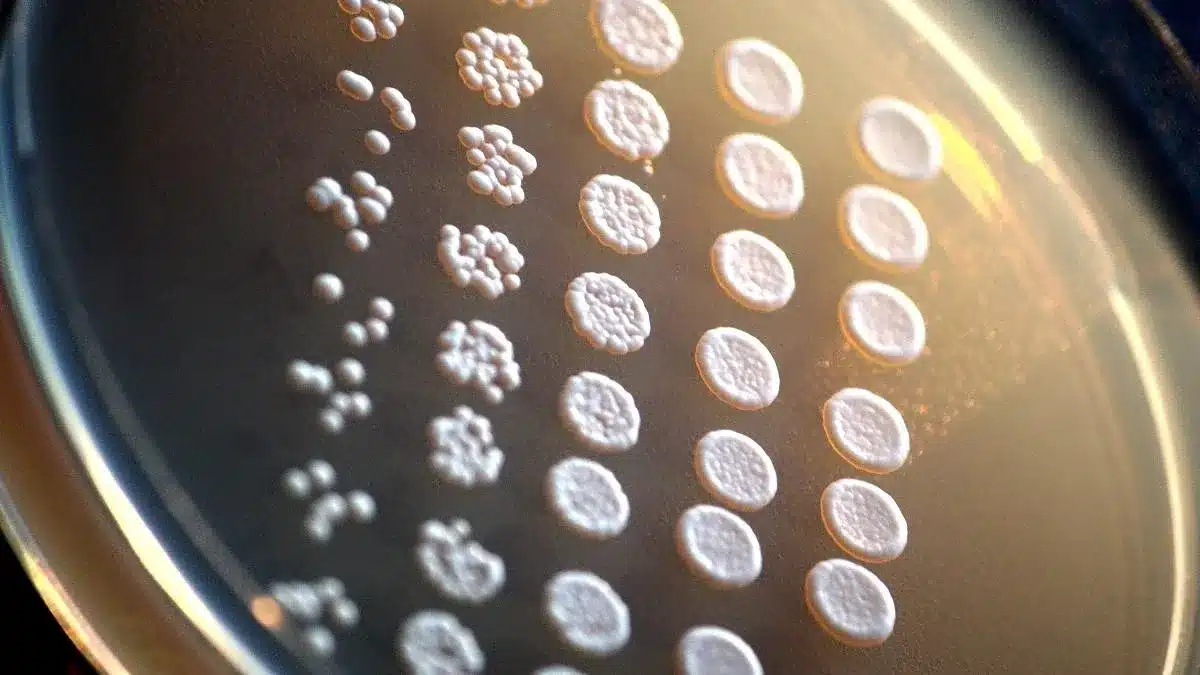
Researchers at Emory University and the University of Texas Health Science Centre have shown that mutations causing brain defects in humans also produce similar effects in budding yeast (Saccharomyces cerevisiae), a simpler eukaryotic organism.

What was discovered?

  • These mutations affect a cellular complex called the RNA exosome, which plays a critical role in RNA processing, surveillance, and degradation.
  • This reveals the potential to use yeast as a model organism for studying human neurological disorders, particularly those related to RNA exosome dysfunction.

What are RNA Exosomopathies?

  • RNA exosomopathies are disorders caused by mutations in genes coding for RNA exosome components.
  • These disorders primarily lead to brain maldevelopment, affecting structures like the pons and cerebellum.
  • A key example is Pontocerebellar Hypoplasia Type 1 (PCH1), which results in severe motor, cognitive, and developmental impairments in infants.

Role of the RNA Exosome

  • The RNA exosome is a multi-protein complex discovered in yeast in 1997.
  • It is responsible for:
    • Processingsurveillance, and degradation of different types of RNA molecules.
    • Maturation of ribosomal RNA (rRNA) – essential for building ribosomes.
    • Elimination of faulty messenger RNA (mRNA) and regulation of non-coding RNAs (ncRNA).

Experimental Findings (Study 1 – Journal RNA)

  • Researchers introduced human disease mutations into corresponding yeast genes.
  • Found defects in:
    • RNA surveillance
    • Ribosome production
    • Protein synthesis
  • Each mutation had a distinct molecular signature, explaining the varied clinical symptoms in patients.

 Creation of a Humanised Yeast Model (Study 2 – Journal G3)

  • Scientists replaced segments of yeast RNA exosome with human or mouse genes.
  • Of 9 core proteins, 6 were successfully replaced, with 3 supporting normal yeast growth.
  • Introduced known brain-defect mutations into this model.
  • Proved that mutations directly impair RNA exosome function and are not mediated through indirect processes.

Why Yeast?

  • Yeast is a simple eukaryote, easy to genetically modify and culture.
  • Offers a cost-effective and fast method for testing hypotheses and potential drug interventions.
  • Using yeast models allows rapid screening of RNA exosome mutations and their functional consequences.

RNA Exosomopathies FAQs

Q1. What are RNA Exosomopathies?
Ans: RNA Exosomopathies are a group of genetic disorders caused by mutations in the RNA exosome complex, which regulates RNA degradation and processing in cells.

Q2. What are the common symptoms of RNA exosomopathies?
Ans: Symptoms vary but often include neurodevelopmental delays, skeletal abnormalities, and immune dysfunction, depending on the mutation.

Source: TH

Magnetars

Magnetars

Magnetars Latest News

Researchers have found observational evidence that magnetar flares can produce heavy elements like gold through a process known as r-process nucleosynthesis. Until now, gold was believed to form predominantly in neutron star mergers.

What Are Magnetars?

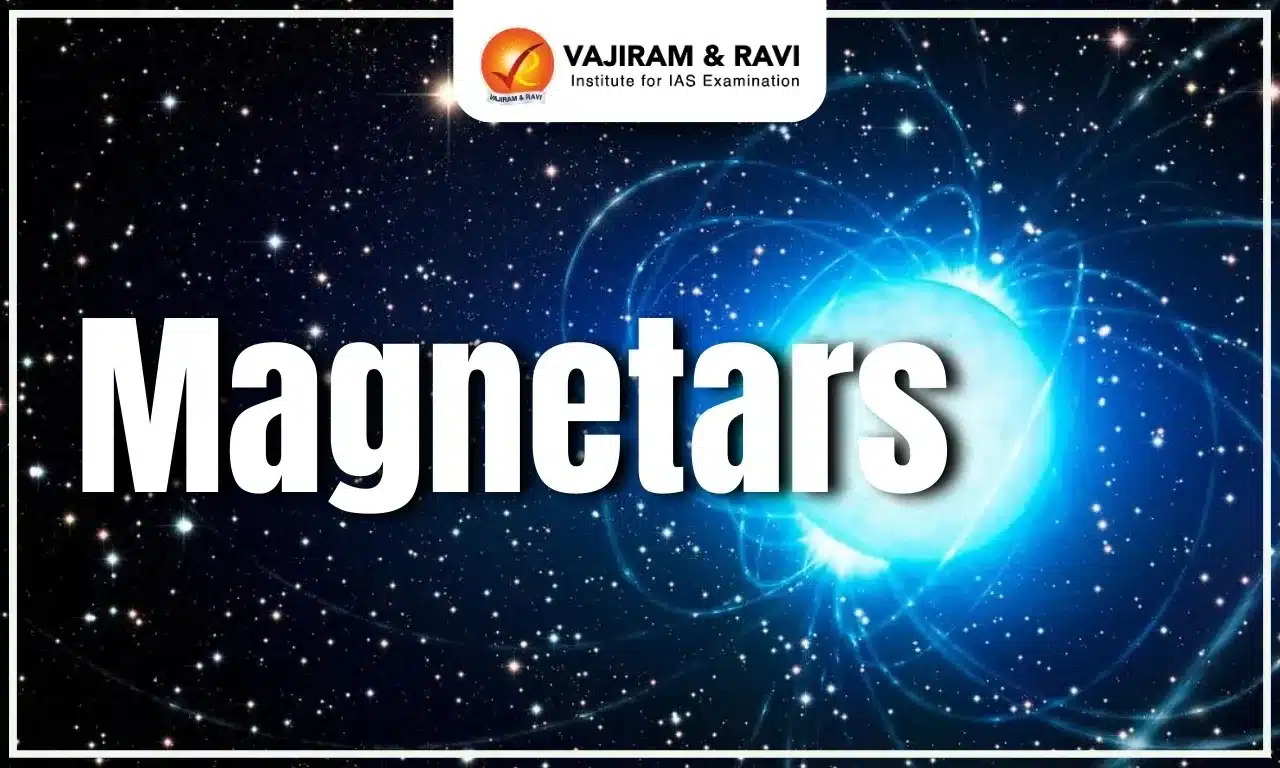
  • Magnetars are a type of neutron star characterised by exceptionally strong magnetic fields, estimated to be a thousand times stronger than typical neutron stars. Occasionally, they emit intense bursts of energy in the form of flares.
  • The discovery was based on data from a giant flare emitted by a magnetar in 2004, during which unusual gamma-ray emissions were recorded almost a day after the initial flare by NASA’s Compton Gamma Ray Observatory.
  • The delayed emission was not consistent with standard flare afterglows. Instead, it displayed signatures of radioactive decay from neutron-rich isotopes, suggesting the presence of r-process nucleosynthesis.

What Is R-Process Nucleosynthesis?

  • The r-process or rapid neutron-capture process is a series of nuclear reactions where atomic nuclei rapidly capture neutrons, forming heavy elements like gold, platinum, and uranium. It requires extreme energy environments and neutron-rich matter.
  • Researchers estimated that approximately 1.9 septillion kg of r-process material was ejected at nearly light speed during the flare. This material likely underwent rapid neutron capture, resulting in the synthesis of heavy elements.
  • This discovery suggests that magnetars could have contributed to the universe’s heavy element inventory much earlier than neutron star collisions, offering insights into the chemical evolution of galaxies.

Magnetars FAQs

Q1. What is a magnetar?
Ans: A magnetar is a type of neutron star with an extremely powerful magnetic field, up to 1,000 times stronger than typical neutron stars.

Q2. What are magnetar flares?
Ans: Magnetar flares are intense bursts of X-rays and gamma rays caused by magnetic field instability or starquakes on a magnetar’s surface.

Source: TH

National Scheme for Upgradation of Industrial Training Institutes (ITIs) and the establishment of five National Centres of Excellence (NCOEs) for Skilling

National Scheme for Upgradation of Industrial Training Institutes (ITIs) and the establishment of five National Centres of Excellence (NCOEs) for Skilling

National Scheme for Upgradation of Industrial Training Institutes (ITIs) and the establishment of five National Centres of Excellence (NCOEs) for Skilling Latest News

The Union Cabinet recently approved the National Scheme for Industrial Training Institute (ITI) Upgradation and the Setting up of five (5) National Centres of Excellence for Skilling as a Centrally Sponsored Scheme.

About National Scheme for Upgradation of Industrial Training Institutes (ITIs) and the establishment of five National Centres of Excellence (NCOEs) for Skilling

  • It will be implemented as a Centrally Sponsored Scheme with an outlay of Rs.60,000 crore (Central Share: Rs.30,000 crore, State Share: Rs.20,000 crore, and Industry Share: Rs.10,000 crore), with co-financing to the extent of 50% of the Central share by the Asian Development Bank and the World Bank, equally.
  • The scheme will focus on upgradation of 1,000 Government ITIs in hub and spoke arrangement with industry aligned revamped trades (courses) and Capacity Augmentation of five (5) National Skill Training Institutes (NSTIs), including setting up of five National Centres of Excellence for Skilling in these institutes.
  • The Scheme aims to position existing ITIs as government-owned, industry-managed aspirational institutes of skills, in collaboration with State Governments and industry. 
  • Over a five-year period, 20 lakh youth will be skilled through courses that address the human capital needs of industries. 
  • The scheme will focus on ensuring alignment between local workforce supply and industry demand, thereby facilitating industries, including MSMEs, in accessing employment-ready workers.
  • A need-based investment provision has been kept under the scheme, allowing flexibility in fund allocation based on the specific infrastructure, capacity, and trade-related requirements of each institution. 
  • A unique feature of this scheme is the introduction of an industry-led Special Purpose Vehicle (SPV) model to oversee ITI upgradation.
  • This approach will ensure better industry participation, course alignment, and outcome-driven implementation. 
  • Under the scheme, infrastructure upgradation for improved Training of Trainers (ToT) facilities will be undertaken in five NSTIs, namely Bhubaneswar, Chennai, Hyderabad, Kanpur, and Ludhiana. 
  • Additionally, pre-service and in-service training will be provided to 50,000 trainers.

National Scheme for Upgradation of Industrial Training Institutes (ITIs) and the establishment of five National Centres of Excellence (NCOEs) for Skilling FAQs

Q1. What is the total outlay for the National Scheme for Upgradation of Industrial Training Institutes (ITIs)?

Ans. ₹60,000 crore

Q2. How many Government ITIs will be upgraded under the National Scheme for Upgradation of Industrial Training Institutes (ITIs)?

Ans. 1,000

Q3. What is the objective of the National Scheme for Upgradation of ITIs?

Ans. To make ITIs government-owned, industry-managed aspirational institutes of skills.

SourcePIB

India-Pakistan Ceasefire 2025: Key Developments and Strategic Shifts

India-Pakistan Ceasefire 2025: Key Developments and Strategic Shifts

What’s in Today’s Article?

  • India-Pakistan Ceasefire 2025 Latest News
  • India and Pakistan Agree to Cease Military Action
  • End of the Most Intense India-Pakistan Conflict in Decades
  • India-Pakistan Ceasefire 2025 FAQs

India-Pakistan Ceasefire 2025 Latest News

  • Eighteen days after a terror attack in Pahalgam, J&K, triggered an Indian military strike and four days of intense conflict with Pakistan, both nuclear-armed nations agreed to cease hostilities and halt military action from 5 pm on May 10.

India-Pakistan Ceasefire 2025 Latest News

India and Pakistan Agree to Cease Military Action

  • After three days of intense hostilities, India and Pakistan reached an "understanding" to stop all military action and firing. 
  • The announcement was made by External Affairs Minister S. Jaishankar on May 10, 2025.

Ceasefire Bilaterally Agreed, Punitive Measures Unaffected

  • Official sources emphasized that the decision was a bilateral agreement, not mediated by any third party. 
  • India clarified that the ceasefire would not impact the punitive actions taken in response to the April 22 Pahalgam terror attack.

Role of the United States

  • US President Donald Trump claimed credit for brokering the ceasefire after overnight negotiations. 
  • Secretary of State Marco Rubio and Vice President JD Vance engaged with senior Indian and Pakistani leaders. 
  • Rubio said both nations agreed to begin broader talks at a neutral venue, a claim India later refuted.
    • Despite US claims, Indian officials emphasized that the ceasefire was a bilateral understanding with no foreign mediation, consistent with the 1972 Simla Agreement. 

End of the Most Intense India-Pakistan Conflict in Decades

  • The recent India-Pakistan military confrontation, the most intense in 20 years, has concluded. 
  • However, the nature of engagement between the two countries has shifted significantly.

India Redefines Terms of Engagement

  • Since 2014, India has moved to dismantle the framework that allowed Pakistan to exploit nuclear deterrence and cross-border terrorism. 
  • Key steps include:
    • Crossing the LoC post-Uri (2016)
    • Striking deep into Pakistan during Balakot (2019)
    • Revoking J&K’s special status
    • Attacking terror camps in West Punjab (2025)
    • Suspending the Indus Waters Treaty

Delhi Signals No More Restraint

  • The suspension of the Indus Waters Treaty and deep strikes inside Pakistan mark a new posture: India is prepared to hit core areas if provoked by terror. 
  • Talks, if they occur, will likely include demands to renegotiate the Indus treaty and revise the engagement framework set during India’s weaker 1990s phase.

Third-Party Mediation Diminished but Still Present

  • Although U.S. initially adopted a hands-off approach, it re-engaged as hostilities escalated. 
  • U.S. National Security Adviser Marco Rubio facilitated calls between Delhi and Rawalpindi. 
  • Still, India and Pakistan demonstrated the ability to manage escalation directly — a shift from the heavily mediated past.

History of Missed Diplomatic Opportunities

  • Past ceasefires and backchannel negotiations (e.g., 2004–2007, 2021) have failed due to political instability in Pakistan and internal military-civilian rifts. 
  • The rise of Gen. Asim Munir in 2022 hardened Pakistan’s stance and derailed earlier initiatives.

Need for Defence Reform and Strategic Military Edge

  • India’s broader national power has increased, but military superiority over Pakistan remains limited. 
  • Achieving operational dominance is crucial for treating terrorism as an "act of war" and deterring future provocations.

Engagement Beyond the Pakistan Army

  • India may need to build links with Pakistani civil society and political elements to reduce military dominance and promote peace. 
  • Large conflicts often cause internal shifts in Pakistan — whether this latest one weakens or strengthens Gen. Munir’s grip is still unclear.

A Wake-Up Call for Both Nations

  • For the first time in years, Indian cities experienced the consequences of modern warfare, including drone strikes and long-range attacks. 
  • The trauma of urban warfare could prompt reflection on the long-troubled state of India-Pakistan relations, even after 75+ years of independence.

India-Pakistan Ceasefire 2025 FAQs

Q1. Why did India and Pakistan agree to a ceasefire?

Ans. To stop hostilities after the Pahalgam terror attack and ensuing intense military engagement across borders.

Q2. Was the ceasefire mediated by a third party?

Ans. No. India emphasized it was a bilateral decision, contrary to U.S. claims of brokering the agreement.

Q3. How has India’s military stance changed?

Ans. India has shifted toward deep strikes and reduced restraint, aiming to deter terror by redefining engagement rules.

Q4. What is the role of the Indus Waters Treaty now?

Ans. India suspended it, signaling a tougher stance that includes water as leverage in future negotiations.

Q5. What reforms does India seek post-conflict?

Ans. India aims to build strategic military superiority and engage beyond Pakistan’s military to influence civil society.

Source: IE | TH | IE

Pangenome

Pangenome

Pangenome Latest News

Scientists have created the first-ever pangenome of Asian rice (Oryza sativa L.) by compiling genetic data from 144 varieties of both wild and cultivated rice strains.

About Pangenome

  • pangenome includes not only the core genes shared by all varieties but also the unique genes found in individual strains, offering a comprehensive map of genetic diversity in Asian rice.
  • This project is comparable to the Human Genome Project (2003) in its goal to map genome-wide variations, but it is focused on rice, which is a staple food for nearly two-thirds of the world population.
  • India, a major rice producer, recorded a record production of 220 million tonnes in 2024-25 over 51,000 hectares, with an average yield of 4.2 tonnes/hectare.
  • The new pangenome database enables the development of advanced rice cultivars with enhanced traits, such as disease tolerance and resilience to climate shocks.

Key Findings

  • Researchers used high-fidelity sequencing (PacBio HiFi) and advanced computational tools to assemble 3.87 billion base pairs of novel genetic sequences, which were absent from the earlier reference genome of Oryza sativa ssp. japonica.
  • A total of 69,531 genes were identified, out of which:
    • 28,907 are core genes common to all varieties,
    • 13,728 are specific to wild rice, and
    • About 20% of all genes were unique to wild rice species, offering potential for future improvements in rice breeding.
  • Indian Council of Agricultural Research (ICAR) recently developed two genome-edited rice varieties – Samba Mahsuri and MTU 1010 – that show promise for higher yield and drought resistance, though they are not yet released for cultivation.

Threats

  • Climate change is a significant threat to rice production in India. The country has seen an average temperature rise of 0.7°C since 1901, and 2024 was the hottest year recorded, with minimum temperatures 0.9°C above average.
  • Rising temperatures also increase arsenic uptake in rice, posing risks to both health and crop yield stability.

Pangenome FAQs

Q1: What is the Pangenome of Asian Rice?

Ans: The Pangenome of Asian Rice is a comprehensive genomic database that includes all the genes present across multiple rice varieties, both wild and domesticated, rather than relying on a single reference genome like earlier studies.

Q2: Why is the Pangenome important for rice research?

Ans: The Pangenome helps capture genetic diversity across rice strains, enabling researchers to identify genes responsible for drought resistance, disease tolerance, yield improvement, and nutritional quality, which are critical for breeding climate-resilient rice.

Source: TH

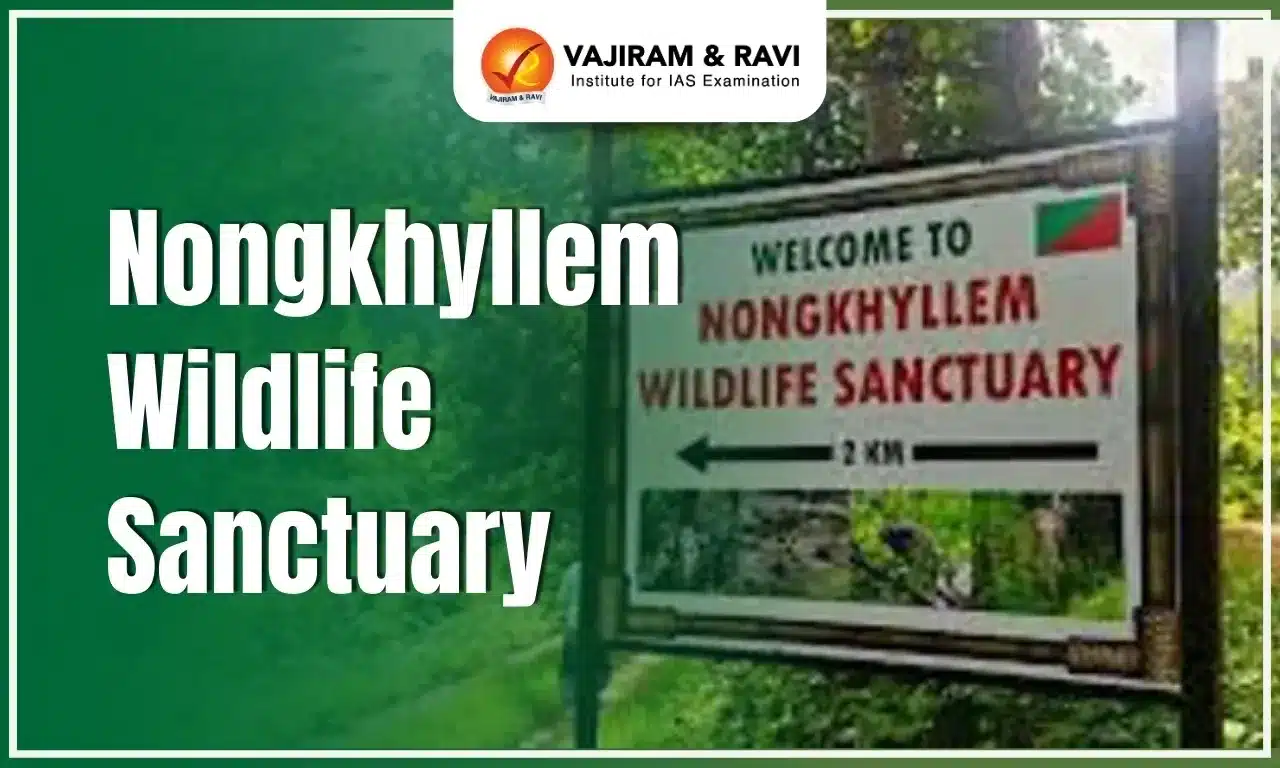
Nongkhyllem Wildlife Sanctuary

Nongkhyllem Wildlife Sanctuary

Nongkhyllem Wildlife Sanctuary Latest News

A proposed ₹23.7 crore ecotourism project in Nongkhyllem Wildlife Sanctuary, Meghalaya, has triggered opposition from local groups and environmental activists.

About Nongkhyllem Wildlife Sanctuary

  • Location: Situated in Ri-Bhoi district of Meghalaya, within the Eastern Himalayan Global Biodiversity Hotspot.
  • Topography: Features undulating plainslow hills, and rugged terrain shaped by the Umtrew River and its tributaries (Umran, Umling, Umtasor).
  • Main riverUmtrew River, forming the western boundary of the sanctuary.
  • Fauna: Home to over 400 bird species, including the endangered Rufous-necked Hornbill, and mammals like the Clouded LeopardElephant, and Himalayan Black Bear.
  • Flora: Dominant species include Shorea robustaTectona grandisTerminalia myriocarpa, and Gmelina arborea.
  • Legal and Conservation Status: Established in 1981 as a protected sanctuary under the Wildlife Protection Act, 1972.
    • Rated as the best-managed protected area in Northeast India in the 2021 Management Effectiveness Evaluation (MEE) Report.

Nongkhyllem Wildlife Sanctuary FAQs

Q1. Where is Nongkhyllem Wildlife Sanctuary located?
Ans: It is located in the Ri-Bhoi district of Meghalaya, in northeastern India.

Q2. What type of ecosystem is protected in Nongkhyllem WLS?
Ans: It protects a sub-tropical forest ecosystem, rich in flora and fauna, including evergreen and semi-evergreen forests.

Q3. Which endangered species can be found in Nongkhyllem WLS?
Ans: Species like the Hoolock Gibbon, Clouded Leopard, and Blyth’s Tragopan (state bird of Nagaland) are found here.

Source: TH

Credit Guarantee Scheme for Startups (CGSS)

Credit Guarantee Scheme for Startups (CGSS)

Credit Guarantee Scheme for Startups Latest News

The Centre recently notified an expansion of the Credit Guarantee Scheme for Startups (CGSS).

About Credit Guarantee Scheme for Startups

  • The Government of India established the CGSS in 2022 for providing credit guarantees to loans extended by Scheduled Commercial Banks, Non-Banking Financial Companies (NBFCs), and Securities and Exchange Board of India (SEBI)-registered Alternative Investment Funds (AIFs). 
  • CGSS is aimed at providing credit guarantees up to a specified limit against loans extended by Member Institutions (MIs) to finance eligible borrowers, viz., Startups as defined in the Gazette Notification issued by Department for Promotion of Industry and Internal Trade (DPIIT) and amended from time to time. 
  • The National Credit Guarantee Trustee Company Limited (NCGTC) is the implementing agency of the Scheme.
  • CGSS does not provide guarantee cover to DPIIT-recognised startups directly, but the Trustee (NCGTC), which in turn provides guarantee cover to Member Institutions (MIs) who provide loans to startups.
  • The instruments of assistance would be in the form of venture debt, working capital, subordinated debt/mezzanine debt, debentures, optionally convertible debt and other fund-based as well as non-fund-based facilities, which have crystallised as debt obligations. 
  • The credit guarantee cover under the Scheme would be transaction-based and umbrella-based.
    • In transaction-based guarantee cover, the guarantee cover is obtained by the MIs on a single eligible borrower basis. It will promote lending by Banks/ NBFCs to eligible startups.
    • The umbrella-based guarantee cover will provide guarantee to Venture Debt Funds (VDF) registered under AIF regulations of SEBI.
  • Recent Changes:
    • The revised framework has enhanced guarantee coverage, increasing the maximum limit from ₹10 crore to ₹20 crore per eligible borrower.
    • The extent of guarantee has also been increased. For loans up to ₹10 crore, the guarantee will now cover 85 percent of the amount in default, while for loans above ₹10 crore, the coverage will be 75 percent.
    • Further, the Annual Guarantee Fee (AGF) for startups in 27 Champion Sectors has been reduced to 1 percent p.a. from 2 percent p.a.

Credit Guarantee Scheme for Startups FAQs

Q1. What is the credit guarantee scheme for startups?

Ans. It is a financial support initiative launched in 2022 with the goal of improving access to collateral-free loans for DPIIT-recognized startups.

Q2. Which organization is responsible for implementing the CGSS?

Ans. National Credit Guarantee Trustee Company Ltd. (NCGTC)

Q3. What is the percentage of guarantee cover for loans up to ₹10 crore under CGSS?

Ans. 85%

SourceDDN

Reconsideration of Safe Harbour Protections for Social Media Platforms in India

Reconsideration of Safe Harbour Protections for Social Media Platforms in India

What’s in Today’s Article?

  • Understanding Safe Harbour Latest News
  • Understanding Safe Harbour
  • Regulatory Framework in India
  • Government Concerns and Motivation
  • Global Context and Future Legislative Steps
  • Conclusion
  • Understanding Safe Harbour FAQs

Understanding Safe Harbour Latest News

  • The government of India is reconsidering the concept of safe harbour for social media platforms, citing growing concerns about fake news online, cyber fraud, and AI-generated deepfakes.
  • This has been indicated by the Union Ministry of Information and Broadcasting in its submissions to the Parliamentary Standing Committee on Communication and Information Technology.

Understanding Safe Harbour

  • Definition and origin:
    • Safe harbour is a legal concept that protects online intermediaries (websites/platforms hosting user-generated content) from criminal liability for third-party content.
    • It forms a key safeguard in promoting innovation and shielding platforms from being punished for content they did not create.
    • In the U.S., this is covered under Section 230 of the Communications Act of 1934, introduced in 1996.
    • In India, Section 79 of the Information Technology (IT) Act, 2000, provides similar protection to intermediaries.
  • Limitations of safe harbour in India:
    • Protection is conditional: If intermediaries receive “actual knowledge” of illegal content (via court order or government notification), they must act swiftly to remove it, else lose protection under Section 79.
    • Notable case: In 2004, the head of eBay India was arrested over a child sexual abuse material listing.

Regulatory Framework in India

  • IT (Intermediary Guidelines and Digital Media Ethics Code) Rules, 2021: 
    • Platforms must appoint:
      • A Nodal Officer,
      • A Grievance Officer (resident in India),
      • Periodically submit reports of complaints they receive on content, and action taken against them for this.
    • These are mandatory to retain safe harbour protections.
    • Different parts of the IT Rules have been challenged in courts in the last few years.
  • IT Amendment Rules, 2023:
    • Fact Check Unit: Empowered Press Information Bureau's Fact Check Unit to label content as "fake news", leading to possible removal of safe harbour.
    • Legal challenge: Comedian Kunal Kamra and others challenged the amendment in the Bombay High Court, for exceeding its authority and not following due process
    • The Bombay HC ruled in his favour, and the case is being appealed by the government.

Government Concerns and Motivation

  • Non-compliance by platforms:
    • Allegations that platforms (e.g., Twitter/X) are:
      • Flouting Indian laws,
      • Delaying takedowns,
      • Ignoring government orders without prior user notice.
    • This includes ongoing litigation involving X (Twitter) in the Karnataka High Court.
  • Need for proactive moderation: The government seeks amendments to ensure social media companies proactively address: fake news, AI deepfakes, cyber frauds, and other online harms.

Global Context and Future Legislative Steps

  • U.S. debate on safe harbour:
    • President Joe Biden: Advocated revising Section 230 to increase platform accountability for extremist content.
    • President Donald Trump: Criticised Section 230 for enabling censorship of conservative voices.
  • Digital India Act (DIA): 
    • The Ministry of Electronics and Information Technology (MeitY) plans to introduce a Digital India Act, potentially revising safe harbour protections.
    • However, the draft of the DIA is yet to be released, and details remain unclear.

Conclusion

  • The reconsideration of safe harbour reflects the Indian government’s evolving strategy to balance freedom of expression, digital innovation, and national security in the face of rising online misinformation and platform unaccountability
  • It is a significant development in the cybersecurity and governance domain, and closely tied to debates on intermediary liability, free speech, and digital regulation.

Understanding Safe Harbour FAQs

Q1. What is the concept of 'safe harbour' in the context of online intermediaries?

Ans. Safe harbour is a legal provision that protects online intermediaries from liability for user-generated content, provided they comply with certain conditions such as prompt takedown of unlawful content upon receiving official notice.

Q2. Under which legal provision is safe harbour granted to intermediaries in India, and what are its limitations?

Ans. Safe harbour is granted under Section 79 of the Information Technology Act, 2000, but intermediaries lose this protection if they fail to act on government or court orders to remove illegal content.

Q3. What changes were introduced by the Information Technology (Intermediary Guidelines and Digital Media Ethics Code) Rules, 2021?

Ans. The 2021 Rules mandated appointment of grievance and nodal officers, and periodic compliance reporting to retain safe harbour protection.

Q4. Why has the Government of India considered amending the safe harbour clause recently?

Ans. The government is reconsidering the clause to ensure platforms act proactively against misinformation, deepfakes, and cyber fraud, citing delays and non-compliance by major social media companies.

Q5. What is the proposed Digital India Act (DIA), and what is its relevance to the safe harbour debate?

Ans. The DIA is a forthcoming legislation aimed at overhauling digital governance in India, potentially redefining the scope and applicability of safe harbour protections for online platforms.

Source: TH

India’s Military Response and International Law: Analyzing the Legal Framework

India’s Military Response and International Law: Analyzing the Legal Framework

What’s in Today’s Article?

  • Operation Sindoor Latest News
  • Introduction
  • Legal Basis for Use of Force
  • Can the Right of Self-Defence Be Invoked Against Non-State Actors?
  • The “Unwilling or Unable” Doctrine
  • Necessity and Proportionality in Military Strikes
  • Way Ahead
  • Operation Sindoor FAQs

Operation Sindoor Latest News

  • India and Pakistan on 10th May agreed to halt “all firing and military action” after several days of heightened tensions between the two nuclear-armed neighbours.

Introduction

  • In response to the Pahalgam massacre that claimed the lives of 26 civilians, India conducted precision military strikes against terrorist infrastructure in Pakistan and Pakistan-Occupied Kashmir (PoK) under “Operation Sindoor” . 
  • While India described its actions as “measured and non-escalatory,” Pakistan condemned them as a “blatant act of war.” 
  • The incident raises questions about the legality of India’s actions under international law and the evolving global doctrines governing state responses to cross-border terrorism.

Legal Basis for Use of Force

  • The Role of Article 51 of the UN Charter
    • Article 2(4) of the UN Charter generally prohibits the use of force against any state’s territorial integrity or political independence. 
    • However, Article 51 creates an exception, allowing states to exercise the right to self-defence following an “armed attack”
    • Though the UN Charter doesn’t clearly define what constitutes an “armed attack,” the International Court of Justice (ICJ) in the Nicaragua v. United States (1986) case interpreted it as “the most grave form of the use of force.”
    • India’s Foreign Secretary did not explicitly invoke Article 51, but his description of the strikes as a response to the Pahalgam terror attack implicitly aligns with the right of self-defence. 
    • Additionally, India informed 13 out of 15 members of the UN Security Council (UNSC) about its actions, adhering to procedural requirements.

Can the Right of Self-Defence Be Invoked Against Non-State Actors?

  • The UN Charter traditionally governs state conduct, complicating the application of self-defence against non-state actors like terrorist organizations. 
  • However, since the 9/11 attacks, several countries, led by the United States, have argued that Article 51 extends to military action against non-state actors operating from foreign territories.
  • The ICJ, however, maintains a conservative view, asserting that such actions require clear state attribution. 
  • In this context, India attributed the Pahalgam massacre directly to “Pakistan-trained terrorists,” reinforcing its position under the state attribution requirement.

The “Unwilling or Unable” Doctrine

  • An emerging legal concept, the “unwilling or unable” doctrine, allows states to use force against non-state actors operating from another state’s territory if that state cannot or will not neutralize the threat.
  • The United States notably invoked this doctrine during its 2011 operation to kill Osama bin Laden in Pakistan and airstrikes against ISIS in Syria. 
  • While controversial, this doctrine is gaining traction. India, although cautious, has previously indicated support for this principle, particularly when host states fail to act against terror threats.
  • During his briefing, India’s Foreign Secretary emphasized that Pakistan had taken “no demonstrable step” against terror infrastructure following the Pahalgam attack, indirectly invoking this doctrine to justify India’s actions.

Necessity and Proportionality in Military Strikes

  • Customary international law requires that military responses meet the standards of necessity and proportionality.
    • Necessity: India justified the strikes as necessary to prevent further terrorist activities.
    • Proportionality: India’s strikes targeted only terrorist infrastructure, avoiding Pakistani military assets and civilian areas. This restraint aligns with the broader interpretation of proportionality that allows states to prevent future attacks.
  • Legal experts have noted that India’s adherence to these principles strengthens the legitimacy of its actions under international law.

Way Ahead

  • While a ceasefire agreement between India and Pakistan has been reached, its long-term viability remains uncertain. 
  • If tensions escalate, the UNSC may intervene, but the geopolitical interests and veto powers of permanent members could complicate any consensus.
  • For now, India’s military actions under “Operation Sindoor” set a significant precedent in the evolving landscape of international law concerning self-defence against terrorism.

Operation Sindoor FAQs

Q1. Under which legal provision did India justify its military strikes?

Ans. India implicitly relied on Article 51 of the UN Charter, which allows self-defence following an armed attack.

Q2. What is the ‘unwilling or unable’ doctrine in international law?

Ans. It permits states to use force against non-state actors if the host state cannot or will not neutralize the threat.

Q3. Did India’s military actions satisfy the proportionality requirement under international law?

Ans. Yes, the strikes targeted only terrorist infrastructure and avoided civilian and military assets.

Q4. Has India formally adopted the ‘unwilling or unable’ doctrine?

Ans. India’s stance remains cautious but has indicated support under specific conditions in UNSC meetings.

Q5. What is the role of the UNSC after such military actions?

Ans. The UNSC may call for ceasefires, impose sanctions, or deploy peacekeeping forces depending on future developments.

Source : TH

Enquire Now