Exercise Teesta Prahar

Exercise Teesta Prahar

Exercise Teesta Prahar Latest News

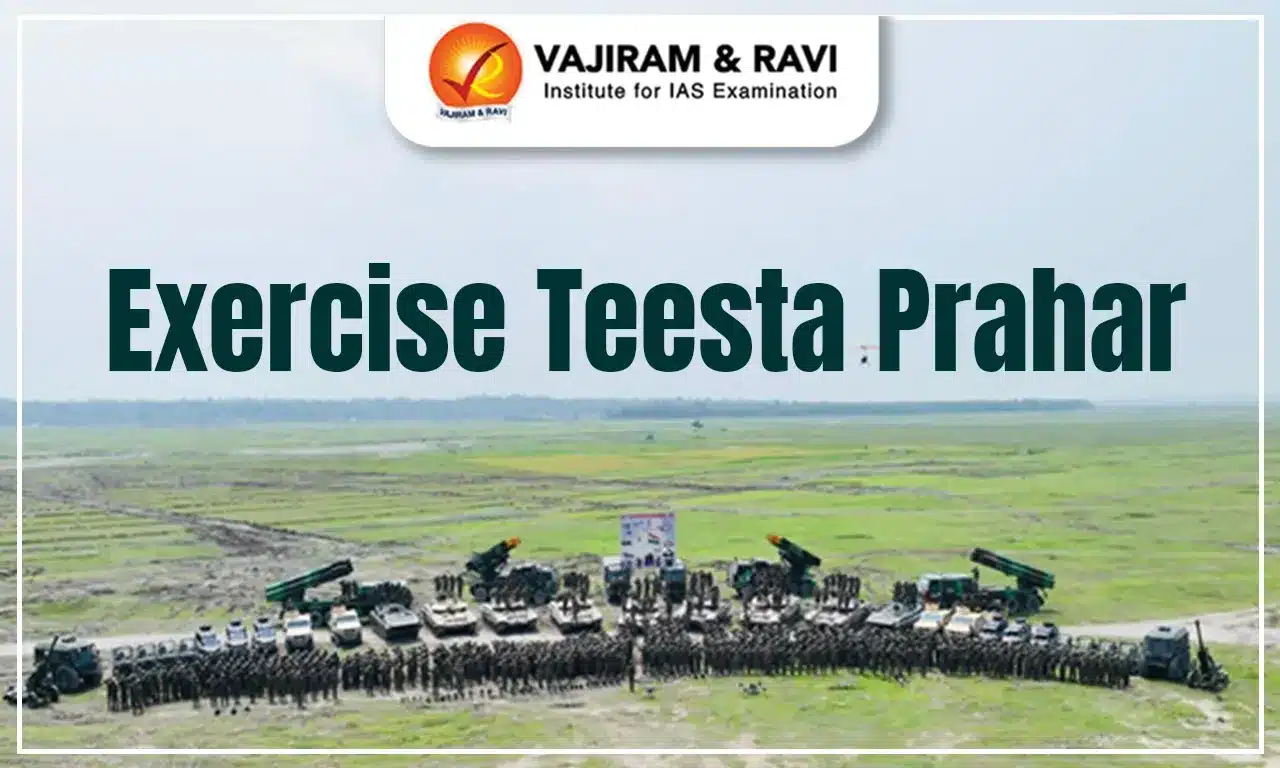
The Army recently conducted a comprehensive integrated field training exercise named 'Teesta Prahar' at the Teesta field firing range.

About Exercise Teesta Prahar

  • It was a large-scale integrated field exercise conducted by the Indian Army.
  • Venue: It was carried out at the Teesta field firing range in West Bengal, near the strategic Siliguri corridor, often referred to as “Chicken’s Neck”, the land that connects India's northeast region with the rest of the country. 
  • It showcased the Army’s operational readiness and coordination among combat and support arms in riverine terrain.
  • The exercise witnessed active participation from key combat and support arms, including the Infantry, Artillery, Armoured Corps,Mechanised Infantry, Para Special Forces, Army Aviation, Engineers, and Signals.
  • A key highlight of the drill was the deployment and validation of newly inducted next-generation weapon systems, military platforms, and advanced battlefield technologies, as a part of the Indian Army's emphasis on modernisation.
  • In addition, the exercise emphasised jointness, synergy, and seamless coordination, reinforcing the Army's ability to operate swiftly and effectively across varied terrain and adverse weather conditions. 
  • It featured tactical drills, battle rehearsals, and adaptive manoeuvres aimed at refining responses to dynamic combat scenarios.

Exercise Teesta Prahar FAQs

Q1. What is the exercise Parvat Prahar?

Ans. A large-scale integrated field exercise conducted by the Indian Army.

Q2. Where was Exercise Teesta Prahar conducted?

Ans. Teesta Field Firing Range, West Bengal

Q3. What terrain was primarily simulated during the exercise?

Ans. Riverine terrain

SourceTOI

Multi Agency Centre (MAC)

Multi Agency Centre (MAC)

Multi Agency Centre Latest News

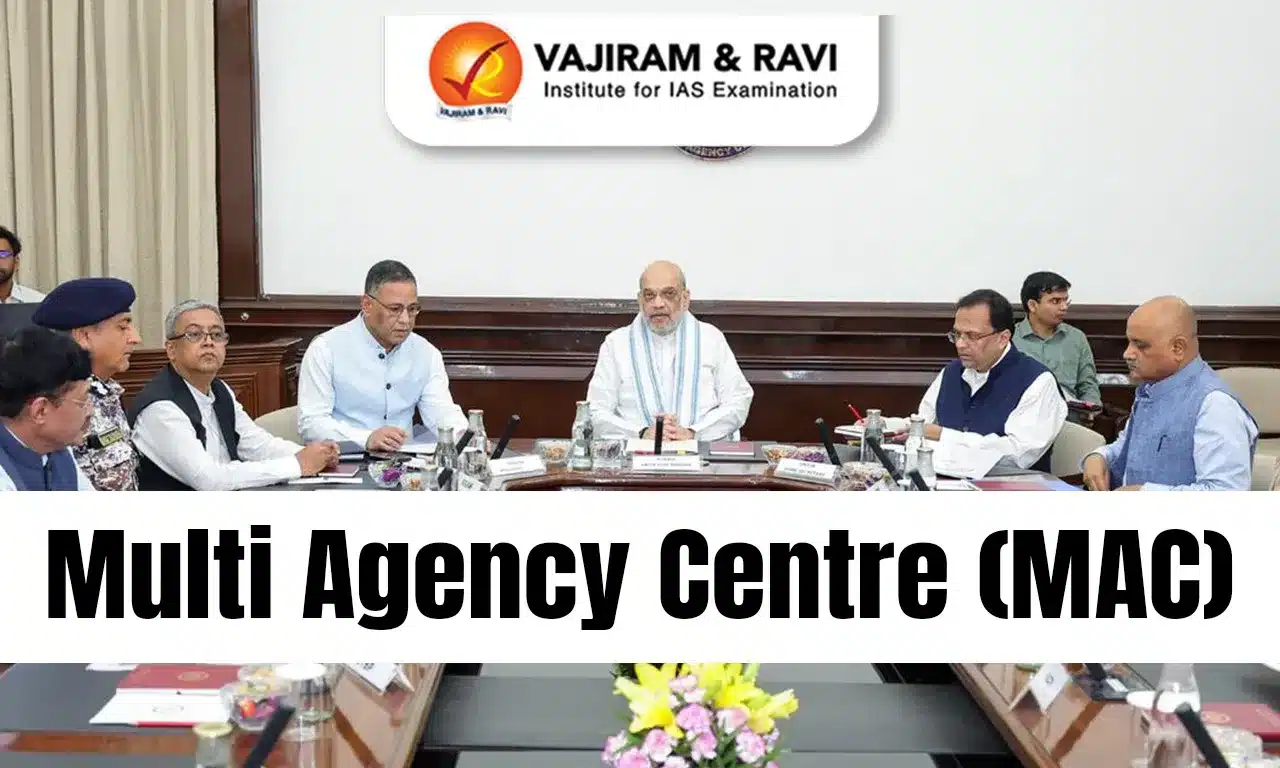
Union Home Minister Amit Shah recently inaugurated the revamped Multi Agency Centre (MAC).

About Multi Agency Centre

  • MAC is a national intelligence-sharing fusion centre under the Intelligence Bureau (IB) where states and central agencies and police forces coordinate to share, store, collate, and analyse inputs on terrorismon a daily basis under four heads – J&K, Northeast, LWE, and Rest of India.
  • It was created in December 2001 in the aftermath of the Kargil conflict but was strengthened in December 2008, following the 26/11 Mumbai terror attacks.
  • As many as 28 organisations, including the Research and Analysis Wing (RAW), armed forces, and State police, are part of the platform, and various security agencies share real-time intelligence inputs on MAC.
  • The new MAC network connects all police districts in the country through a secured network and has been built at a cost of ₹500 crore.
    • It incorporates futuristic capabilities such as embedded artificial intelligence and machine learning techniques to harness the potential of the vast database with MAC and Geographic Information System (GIS) services
    • The upgraded network will enhance trend analysis, hotspot mapping, and predictive operations, offering more accurate and actionable outcomes.
    • The new MAC network spanning the length and breadth of the country has weaved-in country’s Island territories, insurgency-affected areas, and mountainous high-altitude terrain, ensuring last-mile connectivity down to the level of district SPs in the remotest areas with a fast and standalone secure network. 
    • It will strengthen the country’s efforts to tackle serious threats like terrorism, extremism, organised crime, and cyberattacks.

Multi Agency Centre FAQs

Q1. What is the main purpose of the Multi Agency Centre (MAC)?

Ans. Share, store, collate, and analyse intelligence inputs on terrorism.

Q2. Under which agency does the Multi Agency Centre (MAC) function?

Ans. Intelligence Bureau (IB)

Q3. Which advanced technologies are incorporated in the upgraded MAC network?

Ans. Artificial Intelligence (AI) and Machine Learning (ML)

SourceTH

Rajon ki Baoli

Rajon ki Baoli

Rajon ki Baoli Latest News

The Archaeological Survey of India (ASI), in collaboration with the World Monuments Fund India (WMFI) and the TCS Foundation, has successfully completed the conservation work of ‘Rajon ki Baoli’, a 16th-century stepwell.

About Rajon ki Baoli

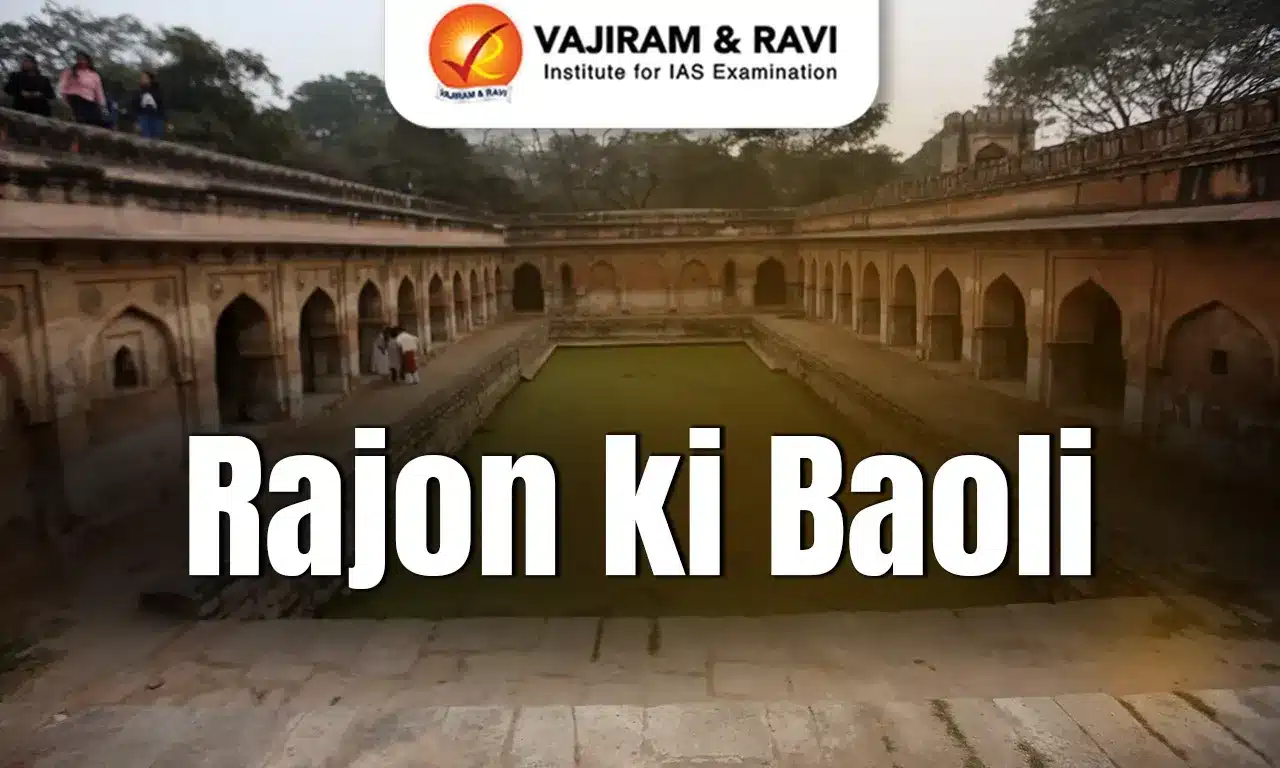
  • Rajon ki Baoli, also known as Rajon ki Bain, is a significant historical stepwell located in south Delhi’s Mehrauli Archaeological Park.
  • It was built in 1506 CE by Daulat Khan during the reign of Sikander Lodi, of the Lodi dynasty, which was the last pre-Mughal dynasty in India.
  • It stands as a testament to Lodi-era architecture and traditional water engineering.
  • It was used in its time as a water reservoir and a retreat during summers.
  • The stepwell’s name, Rajon ki Baoli, translates to ‘Baoli of the Masons,’ reflecting its historical use by masons for drinking and cooking purposes.

Rajon ki Baoli Features

  • The stepwell is primarily subterranean, with only the topmost storey visible above ground.
  • Its structure is built in four levels, each narrowing down as one approaches the well in the bottom.
  • Spanning across an area of 1,610 square metres, this baoli descends to a depth of 13.4 metres, with the main tank measuring 23 by 10 metres at its base.
  • It is a fine example of Indo-Islamic architecture, featuring intricate stone carvings, ornate arches, and a functional design that provided a natural respite from the heat.

Rajon ki Baoli FAQs

Q1. Where is Rajon ki Baoli located?

Ans. Mehrauli Archaeological Park, Delhi

Q2. Who built Rajon ki Baoli?

Ans. It was built in 1506 CE by Daulat Khan during the reign of Sikander Lodi.

Q3.What does the name “Rajon ki Baoli” mean?

Ans. Baoli of the Masons

SourceTH

‘Campus Calling’ Programme

‘Campus Calling’ Programme

‘Campus Calling’ Programme Latest News

The National Commission for Women (NCW) recently launched the ‘Campus Calling’ programme.

About ‘Campus Calling’ Programme

  • It is an initiative of the National Commission for Women (NCW) that aims to enhance gender sensitivity, raise awareness on the prevention of sexual harassment, and address cybercrimes impacting students.
  • The programme has been launched in collaboration with ‘Yuvamanthan’, a youth development platform.
  • The programme aims to reach over 1,000 universities and colleges across the country, making it one of the most extensive youth-centric initiatives undertaken by the NCW. 
  • It seeks to equip students with the knowledge and skills to combat gender-based discrimination, harassment, and cybercrimes effectively.
  • It will identify and appoint two male and two female campus ambassadors from each participating institution. 
    • These ambassadors will play a pivotal role in spearheading gender sensitization initiatives in their campuses, fostering a culture of safety, equality, and respect among their peers. 
    • They will act as key representatives, driving positive change and encouraging youth involvement in building inclusive and secure educational spaces.

‘Campus Calling’ Programme FAQs

Q1. What is the primary objective of the ‘Campus Calling’ programme?

Ans. Enhance gender sensitivity and awareness on harassment and cybercrimes.

Q2. Which organization has launched the ‘Campus Calling’ initiative?

Ans. National Commission for Women (NCW)

Q3. Approximately how many universities and colleges does the ‘Campus Calling’ programme aim to reach?

Ans. 1,000

SourceTH

Tanot Mata Temple

Tanot Mata Temple

Tanot Mata Temple Latest News

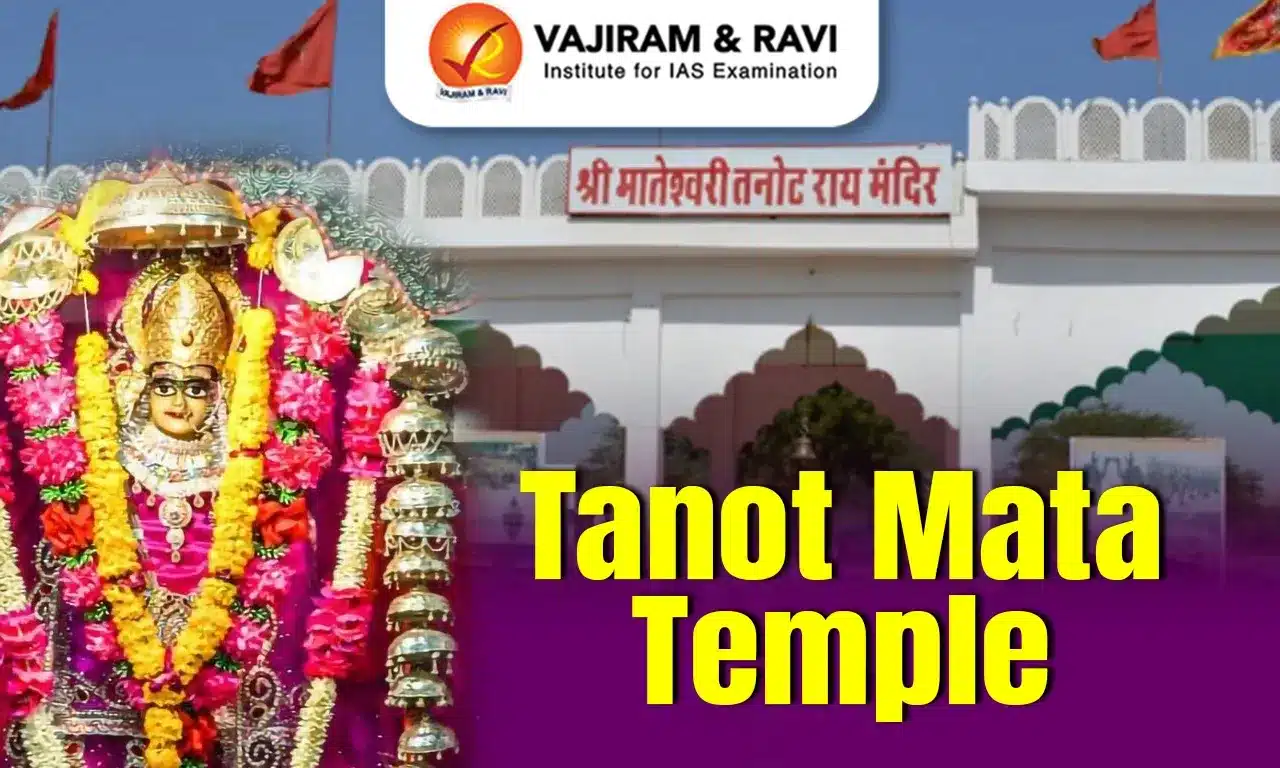
The historic Tanot Mata Temple, a 1,200-year-old sacred site near the India-Pakistan border in Jaisalmer, is set to reopen for visitors as border tensions subside.

About Tanot Mata Temple

  • It is an ancient Hindu temple situated in the Jaisalmer district of Rajasthan.
  • It is dedicated to Tanot Rai, a manifestation of the Hindu goddess Hinglaj Mata. 
  • According to local legends, the temple was established by a group of local tribes who worshipped the goddess Tanot Rai. 
  • Over time, the temple grew in popularity and became a significant religious site for devotees.
  • In 1965 and 1971, during the Indo-Pakistan War, Tanot Mata Temple gained widespread recognition when it survived heavy bombardment unharmed, which further strengthened the belief in the protective powers of the deity among locals and soldiers.
    • Despite the shelling of thousands of bombs from the Pakistan border, not one exploded in the vicinity of the temple. 
    • The unexploded bombs are, till date, treasured in the Tanot Museum within the temple premises. 
    • After the 1971 war, the temple was handed over to the Border Security Force of India, who continues to manage the Temple. 
    • The Indian army built a Vijay Sthamba within the temple premises, and every year on December 16,a celebration takes place to commemorate the victory of India over Pakistan. 

Tanot Mata Temple FAQs

Q1. Where is the Tanot Mata Temple located?

Ans. Jaisalmer, Rajasthan

Q2. The Tanot Mata Temple gained national fame during which wars?

Ans. 1965 and 1971 Indo-Pakistan Wars

Q3. Who currently manages the Tanot Mata Temple?

Ans. Border Security Force (BSF)

SourceTOI

Stagflation

Stagflation

Stagflation Latest News

In May 2025, concerns over stagflation have intensified in the United States. Banks are now sitting on $482.4 billion in unrealized losses from securities investments, a 32.5% increase from the previous quarter, according to the Federal Deposit Insurance Corporation (FDIC).

About Stagflation

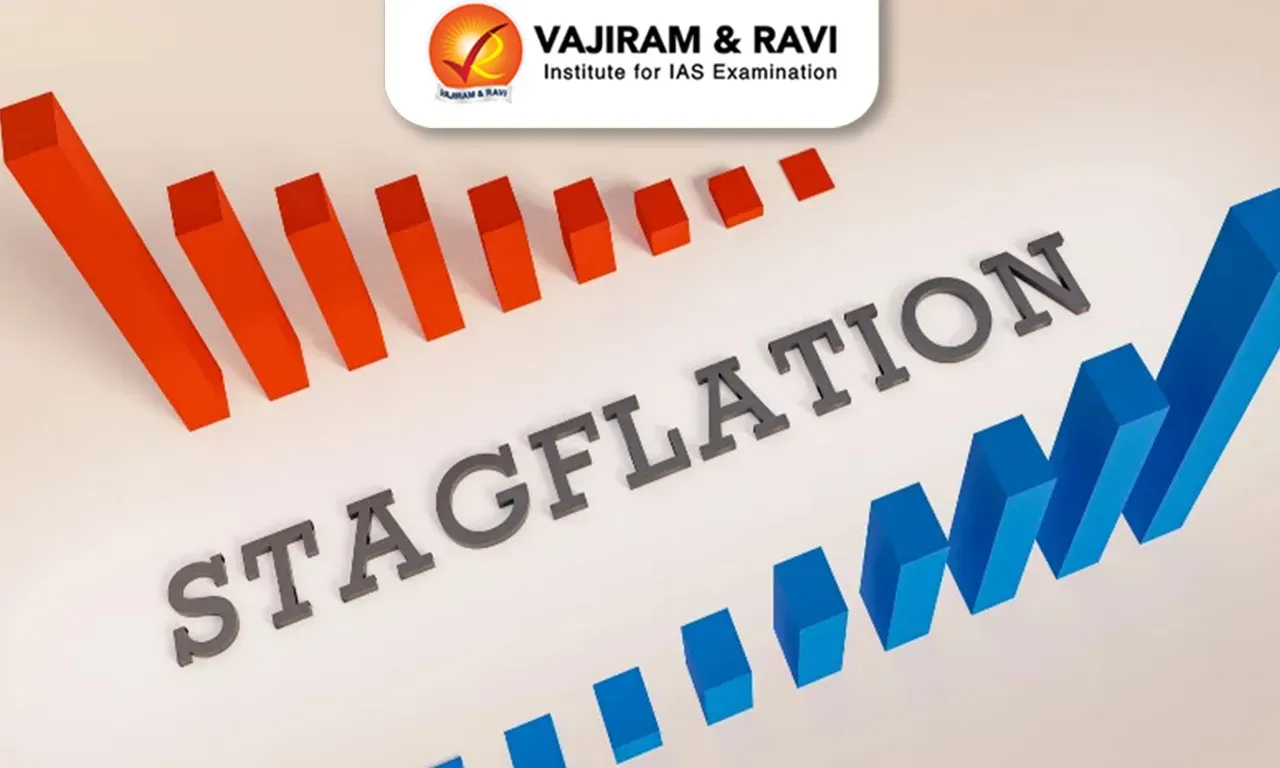
  • Stagflation is an economic phenomenon where an economy experiences three adverse conditions simultaneously:
    • High inflation (rising prices)
    • Stagnant or slow economic growth
    • High unemployment
  • The term was first used in the 1960s and became prominent during the 1970s oil crisis.
  • Stagflation is particularly challenging because the usual economic tools to fight inflation or unemployment often worsen the other problem.
    • For example, raising interest rates may control inflation but further slow growth and increase joblessness.
  • Causes of Stagflation:
    • Supply Shocks: Sudden spikes in the cost of essential resources (like oil) increase production costs, leading to both inflation and reduced output.
    • Policy Errors: Poorly coordinated fiscal and monetary policies, such as excessive government spending or delayed interest rate hikes, can fuel inflation while failing to stimulate growth.
    • Tariff Increases: Recent U.S. tariffs have raised input costs, potentially triggering stagflation by increasing prices and reducing demand.

Impact of Stagflation

  • Diminished Purchasing Power: Inflation erodes household incomes, reducing consumption.
  • Higher Unemployment: Companies facing higher costs and weaker demand cut jobs.
  • Reduced Investment: Economic uncertainty discourages businesses from investing, further hampering growth.
  • Financial Sector Stress: High interest rates, necessary to fight inflation, reduce the value of banks’ bond holdings. If depositors lose confidence, banks may face liquidity crises, as seen with SVB in 2023.

Stagflation FAQs

Q1. What is stagflation in an economy?

Ans. Stagflation is when an economy has high inflation, slow growth, and high unemployment at the same time.

Q2. Is stagflation worse than inflation?

Ans. Yes, stagflation is worse than inflation because it combines high prices with slow growth and rising joblessness.

Q3. How do you fix stagflation?

Ans. Stagflation is hard to fix, but solutions include supply-side reforms, targeted fiscal policies, and careful monetary policy.

Q4. What caused the 1970s stagflation?

Ans. The 1970s stagflation was mainly caused by oil price shocks, supply shortages, and policy mistakes.

SourceET

Sacred Jharkhand Hill Sparks Conflict Between Jains and Santals

Sacred Jharkhand Hill Sparks Conflict Between Jains and Santals

What’s in Today’s Article?

  • Parasnath Hill Dispute Latest News
  • A Sacred Hill Revered by Two Communities
  • An Old Conflict Over Sacred Rights
  • Situation After Independence
  • Parasnath Hill Dispute FAQs

Parasnath Hill Dispute Latest News

  • The Jharkhand High Court directed the state government to enforce an existing ban on meat, alcohol, and other intoxicants on a sacred hill in Giridih district. 
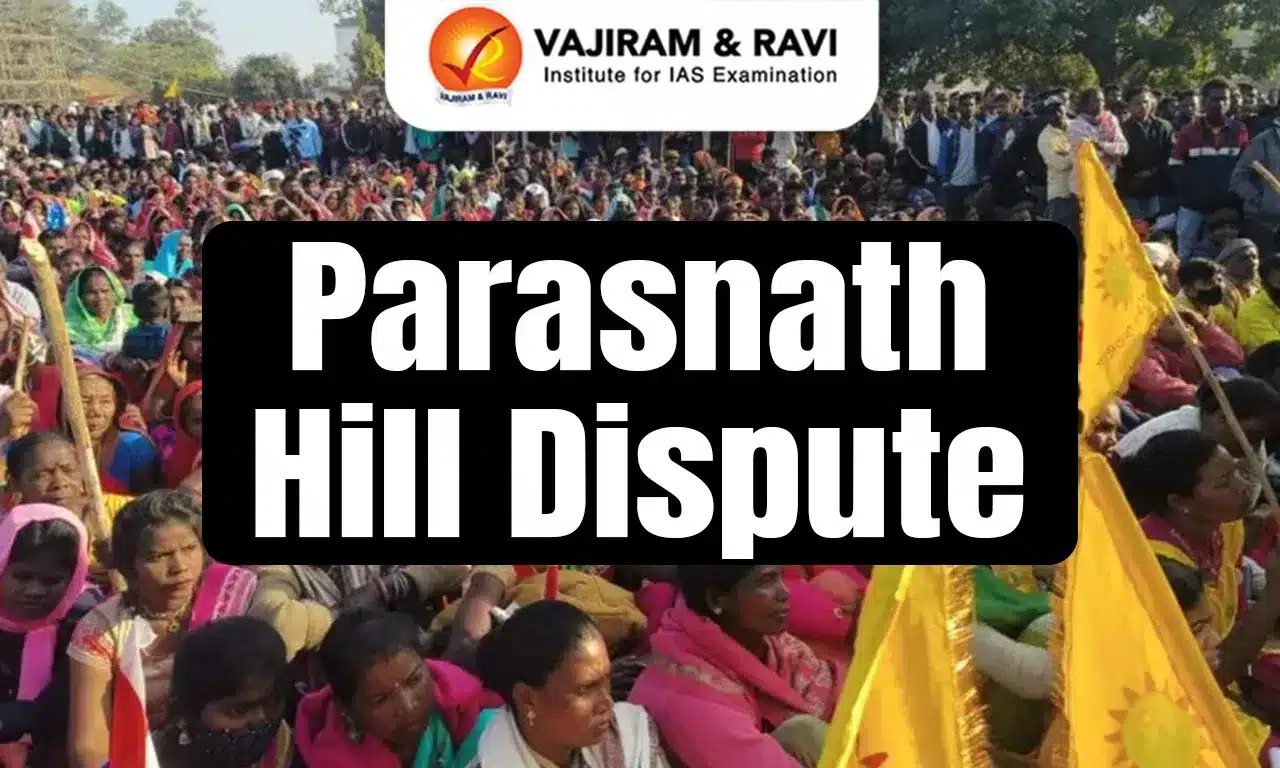
  • Known as Marang Buru to the Santal Adivasi community and Parasnath to Jains, the hill is a site of religious significance for both groups and has been at the center of a long-standing inter-community conflict.
image4.webp

A Sacred Hill Revered by Two Communities

  • Jain Significance
    • Parasnath Hill holds immense religious importance for Jains, as it is believed that 20 of the 24 tirthankaras, including Parshvanatha (after whom the hill is named), attained nirvana here. 
    • Today, the hill features over 20 Jain temples and pilgrimage sites, symbolizing its deep historical and spiritual roots in Jain tradition.
  • Santal Significance
    • For the Santal Adivasi community, the hill is known as Marang Buru or "Great Mountain" and is the abode of their supreme animist deity. 
    • It houses sacred sites like Jug Jaher Than and Dishom Manjhi Than, where vital rituals are performed. 
    • The hill also serves as a spiritual and cultural hub during the annual Hudur Durga festival in December.
    • The tribal council Lo Bir Baisi convenes at its base to resolve major disputes.
      • It was with a resolution of this council that the historic Santal Hul was launched in 1855. 
      • Led by Sidhu and Kanhu Murmu, the rebellion targeted the oppressive dikus (outsiders), including za- mindars, mahajans, and British officals.
  • Source of Conflict
    • The dual sanctity has made the hill a shared yet contested religious space between the two communities.

An Old Conflict Over Sacred Rights

  • Historical Claims and Disputes
    • While Jains claim that an ancient king once donated Parasnath Hill to their community, historical records challenge this. 
    • According to the 1957 Hazaribagh District Gazetteer, the oldest Jain temple on the hill dates only to 1765 AD. 
    • The formal dispute between the Santals and Jains over the hill was first documented in 1911, during the preparation of the record-of-rights.
  • The Sendra Festival and Religious Friction
    • A key point of contention is the Sendra festival—a three-day ritual hunt during the full moon of Baisakh, considered a rite of passage for Santal men. 
    • The hill, called Marang Buru by Santals, becomes the center of this religious and cultural practice. 
    • For Jains, who adhere strictly to non-violence and vegetarianism, this tradition is deeply troubling.
  • Legal Battles and Customary Rights
    • Early efforts by the Jain community to legally halt the hunting practice failed. 
    • In 1917, the Patna High Court dismissed the suit, terming the Jains’ grievance as “hyper sentimental.” 
    • Ultimately, the Privy Council—the highest court in British India—upheld the Santals’ customary right to hunt on the hill, recognizing their longstanding traditions.

Situation After Independence

  • Loss of Constitutional Protections
    • After India’s independence, the rights of Adivasis over Marang Buru began to decline due to increasing state control over forests and pressure from non-tribal communities (dikus). 
    • In 1972, the same year the Wildlife Protection Act was passed, Adivasi villages around the hill lost their Fifth Schedule status, stripping them of constitutional protections that allowed forest usage.
  • Impact on Religious Practices
    • This led to restrictions on traditional rituals, especially at Jug Jaher Than, the sacred Santal site. 
    • Between the 1970s and Jharkhand’s formation in 2000, Santals faced growing limitations on access and gatherings at the hill.
  • Recent Government Directives and Legal Orders
    • In 2023, the Ministry of Environment, Forest and Climate Change (MoEFCC) issued a memorandum banning alcohol, meat, and eggs within a 25 km radius of the hill—covering 99 mostly Adivasi villages—to honor Jain sentiments. 
    • This included restrictions in Anganwadi centers and primary schools. 
    • The Jharkhand High Court’s recent order enforced this directive.

Parasnath Hill Dispute FAQs

Q1. Why is Parasnath Hill important to Jains?

Ans. It’s believed 20 Tirthankaras attained nirvana here; it houses major temples and pilgrimage sites.

Q2. What does the hill mean to Santals?

Ans. Known as Marang Buru, it's home to their supreme deity and vital for rituals like Hudur Durga.

Q3. What triggered the conflict?

Ans. Clashing religious practices—Santal hunting vs Jain non-violence—created disputes over rituals and sacred space.

Q4. What was the 2023 government order?

Ans. A ban on meat, alcohol, and eggs within 25 km to respect Jain values, affecting tribal villages.

Q5. What is the Sendra festival?

Ans. A traditional Santal hunting ritual on the hill, which Jains oppose as it conflicts with their beliefs.

Source: TH | FL

Strategic Kolkata-Northeast Sea Route to Bypass Bangladesh

Strategic Kolkata-Northeast Sea Route to Bypass Bangladesh

What’s in Today’s Article?

  • Kolkata-Northeast Sea Route Latest News
  • Kaladan Multi-Modal Transit Transport Project (KMTTP)
  • Strategic Highway to Transform North-East Connectivity
  • Kolkata-Northeast Sea Route FAQs

Kolkata-Northeast Sea Route Latest News

  • India is planning a new highway from Shillong (Meghalaya) to Silchar (Assam) as part of a broader multi-modal transport project connecting to Myanmar, which will create a sea route to Kolkata that bypasses Bangladesh. 
  • This move is seen as a strategic response to Bangladesh’s interim leader Muhammad Yunus, who recently claimed that Northeast India is “landlocked” and relies on Dhaka as its only ocean gateway. 
  • In response, PM Modi, during a meeting with Yunus at the BIMSTEC Summit, cautioned against divisive rhetoric.

Kaladan Multi-Modal Transit Transport Project (KMTTP)

  • The KMTTP is a strategic infrastructure initiative undertaken by India, aimed at enhancing connectivity between the eastern Indian seaport of Kolkata and the landlocked North-Eastern states via Myanmar, bypassing Bangladesh. 
  • The project is jointly developed by India and Myanmar and is a key component of India’s Act East Policy.

Different Legs of the Project

  • Sea Leg
    • From Kolkata Port (India) to Sittwe Port (Myanmar) via the Bay of Bengal.
    • Distance: ~539 km by sea.
    • Sittwe Port has been constructed by India.
  • Inland Waterway Leg
    • From Sittwe to Paletwa via the Kaladan River in Myanmar.
    • Distance: ~158 km.
  • Road Leg
    • From Paletwa to Zorinpui (on the India-Myanmar border in Mizoram).
    • Distance: ~110 km.
  • Indian Leg (Planned Extension)
    • From Zorinpui to Lawngtlai, and further to Aizawl in Mizoram.
    • To be connected to India's highway network.

Benefits

  • Bypasses Bangladesh: Reduces dependency on access through Bangladesh for North-East connectivity.
  • Improves Connectivity: Offers an alternative route to the Siliguri Corridor (Chicken’s Neck), the narrow strip that connects North-East India with the rest of the country.
  • Boosts Trade & Commerce: Enhances trade flow between India and South-East Asia.
  • Strategic Significance: Strengthens India’s presence in the Bay of Bengal and deepens ties with Myanmar.
  • Economic Development: Spurs infrastructure development and economic activities in India’s underdeveloped North-Eastern region.
  • Part of Act East Policy: A critical step in India’s efforts to improve connectivity with ASEAN countries.

Strategic Highway to Transform North-East Connectivity

image5.webp

  • A 166.8-km four-lane high-speed highway is being constructed from Mawlyngkhung (near Shillong) to Panchgram (near Silchar) along NH-6. 
  • It is the first high-speed corridor in the North-East and the first such project in a hilly region, to be completed by 2030. 
  • The project is implemented by NHIDCL for MoRTH and was approved by the Union Cabinet at a cost of Rs 22,864 crore.

Infrastructure Details

  • The project will be executed in Hybrid Annuity Mode (HAM) under the PPP model.
    • HAM is a project delivery model used in India, particularly for national highway development.
    • It combines elements of both the Engineering, Procurement, and Construction (EPC) and the Build, Operate, and Transfer (BOT) models. 
    • It involves the government providing a portion of the project cost (40%) as construction support, while the remaining 60% is financed by the private developer through a pre-fixed annuity payment. 
    • This model aims to reduce financial risk for developers and speed up project execution. 
  • It will feature:
    • 19 major bridges, 153 minor bridges, 326 culverts
    • 22 underpasses, 26 overpasses, 8 limited-height subways
    • 34 viaducts to navigate the hilly terrain.

Key National and Strategic Significance

  • The highway will reduce travel time between Shillong and Silchar from 8.5 hours to 5 hours.
  • It will connect Silchar — a key entry point to Mizoram, Tripura, Manipur, and the Barak Valley — and act as a major regional link.
  • It supports India’s Act East Policy by enhancing connectivity to Myanmar and beyond.
  • The project is expected to reduce dependence on the Siliguri Corridor (Chicken’s Neck) and bypass Bangladesh, offering an alternative route via the Kaladan Multi Modal Transit Transport Project.

Kolkata-Northeast Sea Route FAQs

Q1. What is the Kaladan Project?

Ans. It’s an India-Myanmar project linking Kolkata to the Northeast via sea, river, and road, bypassing Bangladesh.

Q2. Why is this sea route important?

Ans. It offers Northeast India strategic, independent access to the sea, reducing reliance on Bangladesh’s transit facilities.

Q3. What are the components of the Kaladan route?

Ans. Sea from Kolkata to Sittwe, river to Paletwa, road to Mizoram border, then Indian highway extension.

Q4. What’s unique about the Shillong-Silchar highway?

Ans. It’s the Northeast’s first high-speed corridor, reducing travel time from 8.5 hours to 5 hours.

Q5. How does this route support Act East Policy?

Ans. It strengthens India’s connectivity to Southeast Asia, improves trade flow, and boosts Northeast’s development.

Source: IE | TW

Shingles Disease

Shingles Disease

Shingles Disease Latest News

A recent large-scale study from South Korea, published in the European Heart Journal, reveals that individuals vaccinated against shingles have a 23% lower risk of cardiovascular events, including heart attacks and strokes.

About Shingles Disease

  • Shingles, also known as herpes zoster, is caused by the reactivation of the varicella-zoster virus, the same virus responsible for chickenpox.
  • After a person recovers from chickenpox, the virus remains dormant in the nerve cells and can reactivate years later, especially when the immune system is weakened due to age, illness, or immunosuppressive medications.
  • Shingles typically presents as a painful rash, often forming a stripe of blisters on one side of the torso, neck, or face. Other symptoms may include itching, tingling, burning, headache, fever, and sensitivity to light or touch.
  • The most common complication is postherpetic neuralgia (PHN), a persistent nerve pain that can last for months after the rash clears.
  • Shingles is not contagious, but the virus can be spread to someone who has never had chickenpox.
  • It is most common in people over 50 or those with weakened immune systems.
  • There is a vaccine called Shingrix available, which helps in preventing shingles and its complications. Antiviral medications can reduce the severity and duration of shingles, especially if started early.

Shingles Disease FAQs

Q1. What causes shingles?

Ans. Shingles is caused by the reactivation of the varicella-zoster virus, which remains dormant in nerve cells after a chickenpox infection.

Q2. Who should get the shingles vaccine?

Ans. Adults aged 50 and above, and those with weakened immune systems, should get vaccinated. Shingrix is the preferred vaccine.

Q3. What are the new health benefits of the shingles vaccine?

Ans. Recent studies show the vaccine not only prevents shingles but also reduces the risk of cardiovascular diseases by 23% and dementia by 20%.

SourceIE

Supreme Court Strikes Down Ex-Post Facto Environmental Clearance

Supreme Court Strikes Down Ex-Post Facto Environmental Clearance

What’s in Today’s Article?

  • Evolving Environmental Jurisprudence in India Latest News
  • Key Highlights of the Supreme Court Judgment
  • Constitutional and Legal Framework
  • Violation and Institutional Lapses
  • Implications of the Verdict
  • Conclusion
  • Evolving Environmental Jurisprudence in India FAQs

Evolving Environmental Jurisprudence in India Latest News

  • In a significant ruling aimed at strengthening environmental governance in India, the Supreme Court declared illegal the Ministry of Environment’s 2017 notification and 2021 Office Memorandum (OM).
  • They allowed ex-post facto/ retrospective environmental clearance (EC) for projects that commenced without prior approval. 
  • The judgment reinforces the Environment Impact Assessment (EIA) Notification, 2006, and upholds the constitutional right to a pollution-free environment under Article 21.

Key Highlights of the Supreme Court Judgment

  • Striking down of 2017 notification and 2021 OM:
    • The 2017 notification granted a six-month amnesty for projects operating without prior EC.
    • The 2021 OM introduced a Standard Operating Procedure (SOP) for dealing with violation cases.
    • The Court ruled that both instruments are illegal, as they seek to regularize violations of the EIA Notification, 2006.
  • Prior EC is mandatory: 
    • Reiterating past precedents like Common Cause v. Union of India (2017) and Alembic Pharmaceuticals v. Rohit Prajapati (2020), the Court emphasized that prior EC is non-negotiable under environmental law.
    • Projects starting without it are in gross violation of the law and harm societal and ecological interests.
  • No more ex-post facto EC:
    • The judgment bans any future circulars or memoranda granting retrospective environmental clearance.
    • SC warned that courts must take strict action against violators to deter environmental degradation.

Constitutional and Legal Framework

  • Fundamental rights and duties:
    • Article 21 guarantees the right to life in a pollution-free environment.
    • Article 51A(g) outlines the fundamental duty of every citizen to protect and improve the environment.
    • Legal framework: The Environment (Protection) Act, 1986 is designed to enforce these rights and duties.
  • Role of courts:
    • The Supreme Court affirmed that it is the duty of constitutional courts to protect the environmental rights of citizens.
    • This was also reiterated by the court in -
      • The M.C. Mehta case (lays down the concept of ‘absolute liability’), 
      • The Godavarman Thirumulpad case (redefined the concept of ‘forests’) and
      • The recent (2024) case where SC ruled that citizens have a “right against the adverse effects of climate change”.
    • This means development cannot come at the cost of the environment.

Violation and Institutional Lapses

  • Widespread abuse of the 2017 and 2021 policies: 
    • Over 100 projects were granted ECs under the “violation category” including:
      • Coal (benefitted Mahanadi Coalfields Limited, etc), iron, bauxite mines
      • Cement plants (Jaypee Cement, etc), distilleries
      • Steel and iron factories
      • Major hospitals, hotels (Hotel Leela Venture Ltd, etc), real estate projects
  • At least 150 other projects were issued Terms of Reference (ToR) for environmental impact assessments.
  • Institutional lapses:
    • The Expert Appraisal Committee (EAC) met 46 times between 2017–2021 to process these violation cases.
    • The Ministry argued ex-post EC was in line with the polluter pays principle, but the Court rejected this reasoning.

Implications of the Verdict

  • Existing clearances not affected: Environmental clearances already granted under the now-invalidated instruments will remain valid.
  • Closure of loopholes: The “ex-post facto” route is now permanently closed, aligning with global best practices in environmental protection.
  • Strengthening environmental governance: This decision reaffirms that legal compliance is non-negotiable, and industries cannot operate outside regulatory frameworks.

Conclusion

  • The Supreme Court’s verdict sends a clear message - development must not come at the cost of environmental integrity
  • Upholding the principle of prior clearance, it reiterates the importance of accountability in the use of natural resources. 
  • As environmental degradation worsens, particularly in urban centers like Delhi, such rulings will be critical in ensuring that economic growth remains sustainable and legally compliant.

Evolving Environmental Jurisprudence in India FAQs

Q1. What was the key issue addressed by the Supreme Court in its 2025 judgment related to environmental clearance?

Ans. The Supreme Court struck down the 2017 notification and 2021 Office Memorandum that allowed ex-post facto environmental clearance, terming them illegal and against the EIA Notification 2006.

Q2. How does the judgment reinforce Article 21 of the Indian Constitution?

Ans. The Court upheld that the right to live in a pollution-free environment is part of the right to life under Article 21, and retrospective clearances violate this fundamental right.

Q3. Why did the Supreme Court find the 2021 Office Memorandum (OM) problematic in the context of environmental governance?

Ans. The 2021 OM attempted to regularize long-standing violations of EIA norms, even after 15 years of its implementation, undermining environmental accountability.

Q4. What principle of environmental law was central to the Court's reasoning in rejecting ex-post facto ECs?

Ans. The judgment emphasized the precautionary principle and the requirement of prior clearance, asserting that ex-post facto approvals contradict environmental jurisprudence.

Q5. What are the broader implications of this ruling for environmental impact assessment in India?

Ans. The ruling closes the door on retrospective approvals, strengthens the legal mandate for prior EC, and upholds judicial vigilance in environmental protection.

Source: TH | IE

Global Report on Food Crises

Global Report on Food Crises

Global Report on Food Crises Latest News

The Global Report on Food Crises 2025, released in May 2025, reveals that acute hunger has reached a new record high globally.

About Global Report on Food Crises

  • The Global Report on Food Crises (GRFC) is an annual, consensus-based technical report coordinated by the Food Security Information Network (FSIN) in support of the Global Network Against Food Crises (GNAFC).
  • It is produced through a partnership of key UN agencies (including FAO, WFP, UNICEF), the European Union, and other international organisations and NGOs.
  • The GRFC provides in-depth analysis of acute food insecurity and malnutrition at global, regional, and country levels, identifying immediate and underlying drivers, and guiding humanitarian and development interventions.

Key Findings of the 2025 GRFC

  • Record High Acute Hunger: In 2024, 295.3 million people in 53 countries faced acute food insecurity, up from 281.6 million in 2023. This marks the sixth consecutive annual increase and the highest level since reporting began.
  • Crisis Severity: Nearly a quarter of the population in the assessed countries suffered from acute hunger, with 1.9 million people facing famine conditions (IPC/CH Phase 5)-more than double the previous year.
  • Humanitarian Funding Crisis: Humanitarian allocations to food sectors could fall by up to 45% in 2025, threatening life-saving nutrition services for at least 14 million children and disrupting aid in major crisis zones.
  • Children and Women: Over 37 million children under five in 26 countries suffered from acute malnutrition in 2024, with more than 10.2 million experiencing severe acute malnutrition.

Global Report on Food Crises FAQs

Q1. What is the Global Report on Food Crises report?

Ans. It is an annual report analyzing acute food insecurity and malnutrition worldwide.

Q2. What is the current food crisis in the world?

Ans. Over 295 million people in 53 countries face severe hunger, mainly due to conflict, climate disasters, and economic shocks.

Q3. Who releases the GRFC report?

Ans. The Food Security Information Network (FSIN) in support of the Global Network Against Food Crises (GNAFC) releases it.

Q4. What is the FAO report on food crisis?

Ans. The FAO contributes to the GRFC, which details global acute hunger, its drivers, and affected countries each year.

SourceNDTV

Mahadayi River

Mahadayi River

Mahadayi River Latest News

A protest has emerged in Goa following the publication of a scientific paper, “The water budget of the Mahadayi river and its implications for the inter-State dispute”, by scientists and researchers.

About Mahadayi River

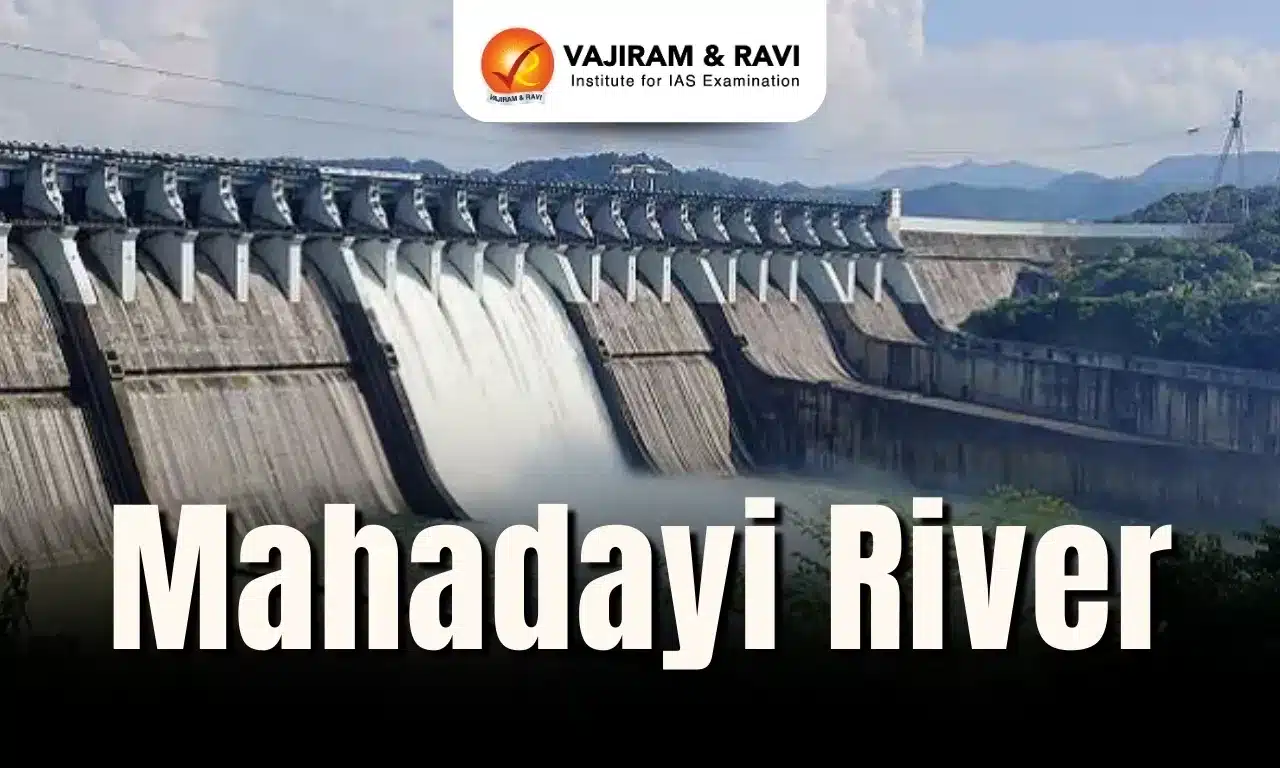
  • The Mahadayi (Mhadei) River originates from Bhimgad Wildlife Sanctuary in the Western Ghats in Karnataka and flows westward to join the Arabian Sea at Panaji, Goa.
  • Its basin is crucial for Goa’s water needs, covering much of North Goa.
  • It has several tributaries, namely Rogaro, Kushavati, Nanorem, Nanuz, Valvota, and Mapusa.
  • The Salim Ali Bird Sanctuary is located on the island of Chorao in the Mandovi River.
  • The river is central to a decades-long dispute between Karnataka and Goa, primarily over Karnataka’s plans to divert water from the Kalasa and Bhandura tributaries to the Malaprabha basin for drinking water needs.
  • The Mahadayi Water Disputes Tribunal (MWDT) in 2018 allocated 13.42 tmc (380 Mcum) of water to Karnataka, including permissions for limited diversion from the Kalasa (1.72 tmc) and Bhandura (2.18 tmc) streams.

Mahadayi River FAQs

Q1. Where does Mahadayi River start and end?

Ans: It starts in Bhimgad Wildlife Sanctuary, Karnataka, and ends in the Arabian Sea at Panaji, Goa.

Q2. What is the Mahadayi River controversy?

Ans: It is a dispute between Goa and Karnataka over sharing and diversion of the river’s water for drinking and irrigation needs.

Q3. Which is the longest river in Goa?

Ans: Zuari River is the longest river in Goa at 92 km.

Q4. What is the importance of Mahadayi River?

Ans: It is the lifeline of Goa, providing drinking water, irrigation, and supporting ecosystems and livelihoods.

SourceTH

Enquire Now