
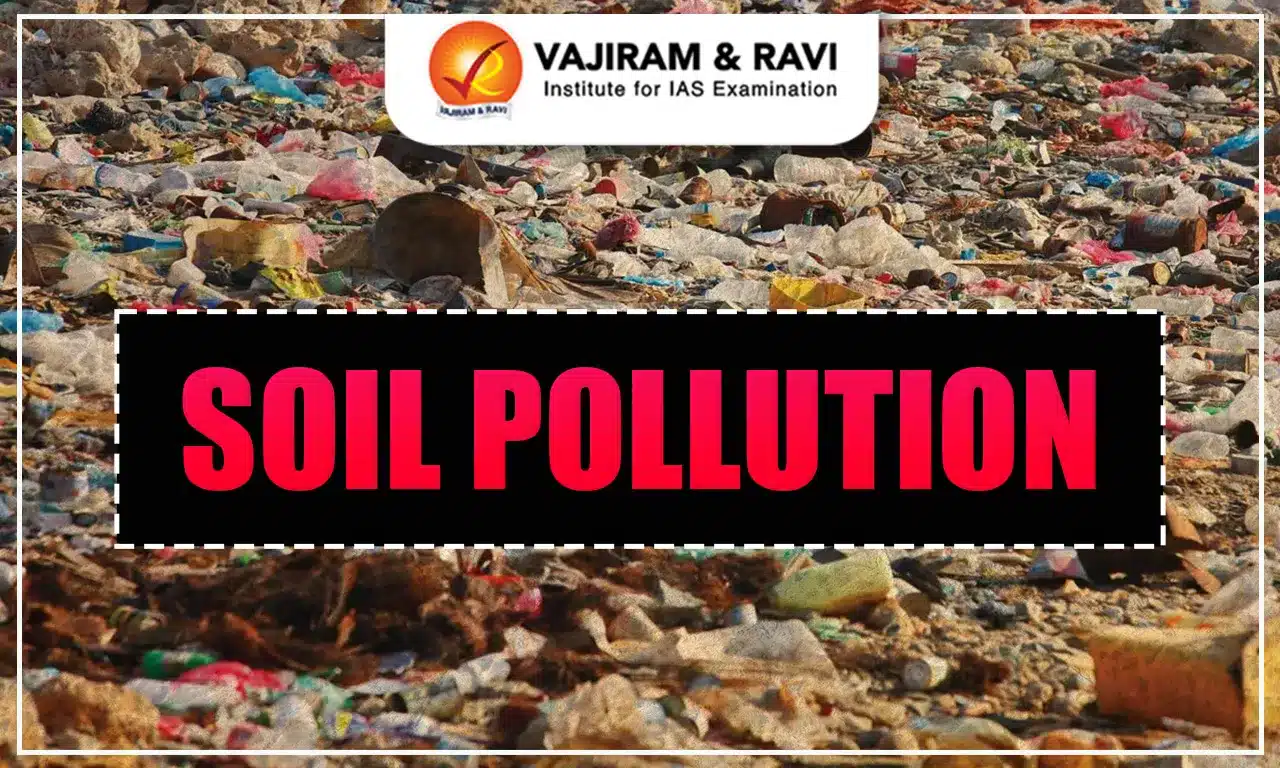
Soil Pollution has emerged as the most alarming environmental challenge. It is the degradation of the natural quality of soil due to the presence of harmful substances that alter its composition, reduce fertility and threaten human as well as ecological health. Soil frames the foundation of the terrestrial ecosystem, supporting agriculture, vegetation and human settlements. In this article, we are going to cover soil pollution, its causes, effects, sources and consequences.
Soil Pollution
Soil Pollution is caused by toxic substances that are either of natural origin or as a result of human activity. These substances accumulate in the soil at harmful levels that can impact all forms of living beings. The contaminants causing soil pollution include chemicals, heavy metals, pesticides, plastics and industrial wastes. Once polluted the soil loses its ability to perform its natural functions such as supporting plant growth, regulating water, recycling nutrients and sustaining biodiversity.
Soil Pollution Causes
Soil Pollution can be caused by both natural as well as human-induced entities and elements. These causes include:
Natural Causes
Like human causes, natural causes are equally responsible for causing soil pollution. These causes include:
- Weathering of rocks: Release of toxic elements such as fluorides and heavy metals into the soil.
- Acid rain: Imbalances soil pH and dissolves essential nutrients, leaving behind harmful residues.
- Natural disasters: Floods, cyclones, and tsunamis can deposit saline or polluted water into soil.
- Volcanic eruptions: Introduce toxic ash and gases that seep into the land.
Human-Induced Causes
Human activity is the main cause of soil pollution. These causes include:
- Industrial activity: Factories release untreated effluents, chemicals, and heavy metals directly into soil.
- Agriculture: Overuse of pesticides, insecticides, and chemical fertilisers contaminates farmland.
- Deforestation and urbanisation: Remove vegetation cover, leading to soil erosion and exposure to pollutants.
- Waste disposal: Unscientific dumping of municipal solid waste, plastics, e-waste, and biomedical waste contaminates soil.
- Mining operations: Strip the topsoil and leave behind toxic residues.
- Oil spills: During drilling, storage, or transport, oil percolates into the soil, reducing its fertility.
- Vehicular emissions: Lead particulates and hydrocarbons deposit onto soil through air.
Soil Pollution Sources
Sources of Soil Pollution includes:
- Industrial waste: Industrial waste is one of the largest contributors to soil pollution, including heavy metals, dyes, acids, and hazardous residues.
- Agricultural inputs: Pesticides, herbicides, and fertilisers alter soil chemistry and kill beneficial microbes.
- Urban waste: Plastics, glass, and sewage released into open landfills seep into soil.
- Mining and quarrying: Introduce radioactive elements and heavy metals into soil layers.
- Construction activities: Use of chemicals like cement and paints pollute surrounding soil.
- Oil industry: Frequent leaks and accidental spills degrade soil structure.
Soil Pollution Effects
Soil Pollution has the following effects:
1. On Human Health
- Food crops grown in contaminated soil accumulate harmful chemicals, entering the food chain.
- Leads to food poisoning, genetic disorders, cancers, and chronic diseases.
- Toxic gases released from polluted landfills aggravate respiratory illnesses.
- Long-term soil infertility can result in food scarcity and malnutrition.
2. On Agriculture and Plant Growth
- Reduces soil fertility, making land unsuitable for cultivation.
- Beneficial microorganisms perish, breaking down the soil’s natural nutrient cycle.
- Accumulation of heavy metals and salts inhibits seed germination and plant growth.
3. On the Environment
- Soil erosion and desertification accelerate due to loss of natural cover.
- Pollutants seep into groundwater, contaminating water resources.
- Biodiversity declines as polluted soil cannot sustain diverse plant and animal life.
- Hazardous lands are created, unsuitable for agriculture or habitation.
Soil Pollution Prevention and Control
Soil Pollution can be controlled using the right preventive and controlled measures:
- Scientific waste management: Segregation and proper disposal of industrial and municipal waste.
- Organic farming: Use of bio-pesticides, organic manure, and natural alternatives instead of chemical fertilisers.
- Soil conservation practices: Afforestation, strip cropping, and contour farming to reduce erosion.
- Public awareness campaigns: Educating communities about sustainable consumption and waste disposal.
- Recycling and reuse: Reducing dependence on plastics, glass, and petroleum products.
- Government regulations: Strict monitoring of industries, banning harmful pesticides like DDT, and enforcing environmental protection laws.
- Sustainable land use planning: Balancing urbanisation and industrial growth with soil conservation.
Important Soil Pollutants: Sources & Health Effects
| Soil Pollutant | Effects | Potential Sources |
|
Lead |
Lead is dangerous even at the tiniest levels, especially when these levels are sustained in time. It is highly toxic to young children, even in low doses, and in higher doses, it can be fatal for humans in general. |
Lead paint, mining, foundry, vehicle exhaust, construction, and agriculture activities. |
|
Mercury |
Mercury can be present in many forms – metal, vapour or salt – and in many compounds, and we may not always be aware that contact has taken place. However, mercury can be inhaled or absorbed through the skin, and mercury poisoning is extremely dangerous. |
Mining, incineration of coal, alkali and metal processing, medical waste, volcanoes and geologic deposits, accumulation in plants & vegetables grown on polluted soils. |
|
Arsenic |
It spreads through water, soil, and air. It’s useful in many ways but toxic in even more. |
Mining, incineration of coal, alkali and metal processing, medical waste volcanoes and geologic deposits, and accumulation in plants & vegetables grown on polluted soils. |
|
Copper |
Excess exposure to copper can be extremely harmful. Copper wiring, insecticides, and other unprotected products rich in copper can also be contaminants. |
Mining, foundry activities, construction activities. |
|
Zinc |
Zinc can easily contaminate the soil and water in areas where it is naturally present or mined. When ingested in excess, whether voluntarily through supplements or involuntarily through exposure to contaminated soil or water, zinc can cause various health problems. |
Mining, foundry activities, construction activities. |
|
Nickel |
While nickel can be naturally found in water and soil, it is often encountered in areas with human pollution. In small quantities, it is eliminated through urine or the intestinal tract; in larger doses, however, it is toxic and may cause severe health conditions. |
Mining, foundry activities, construction activities. |
|
PAHS (Polyaromatic Hydrocarbons) |
PAHs are among the most common pollutants throughout human history because they occur naturally as a result of many basic human activities. In older times, the most widely encountered PAH-producing activity was cooking on a wood-burning stove or grill and heating houses through wood-burning activities. |
Coal burning, vehicle emissions, accumulation in plants & vegetables grown on polluted soils, cigarette smoke, wildfires, agricultural burning, wood burning, construction, |
|
Herbicides/Insecticides |
Herbicides and insecticides are known pollutants. They can be inhaled, ingested through food or water or become harmful through direct skin contact. Depending on the length of exposure and the concentration of the pollutants, they cause serious health concerns, particularly for children and adults in general. |
Agricultural activities, gardening. |
Soil Pollution FAQs
Q1: What is meant by soil pollution?
Ans: Soil pollution is the contamination of soil by toxic substances that reduce its fertility and harm ecosystems.
Q2: What are the effects of soil pollution?
Ans: Soil pollution leads to reduced crop yield, loss of soil fertility, groundwater contamination, and adverse health effects on humans and animals.
Q3: What are the 5 causes of soil pollution?
Ans: The five causes are industrial waste, pesticide and fertilizer overuse, deforestation, improper waste disposal, and mining activities.
Q4: What are the soil pollutants impacting soil health?
Ans: Heavy metals, plastics, pesticides, fertilizers, and industrial chemicals are the major soil pollutants.
Q5: What is bioaccumulation?
Ans: Bioaccumulation is the gradual buildup of harmful substances like pesticides or heavy metals in living organisms over time.

