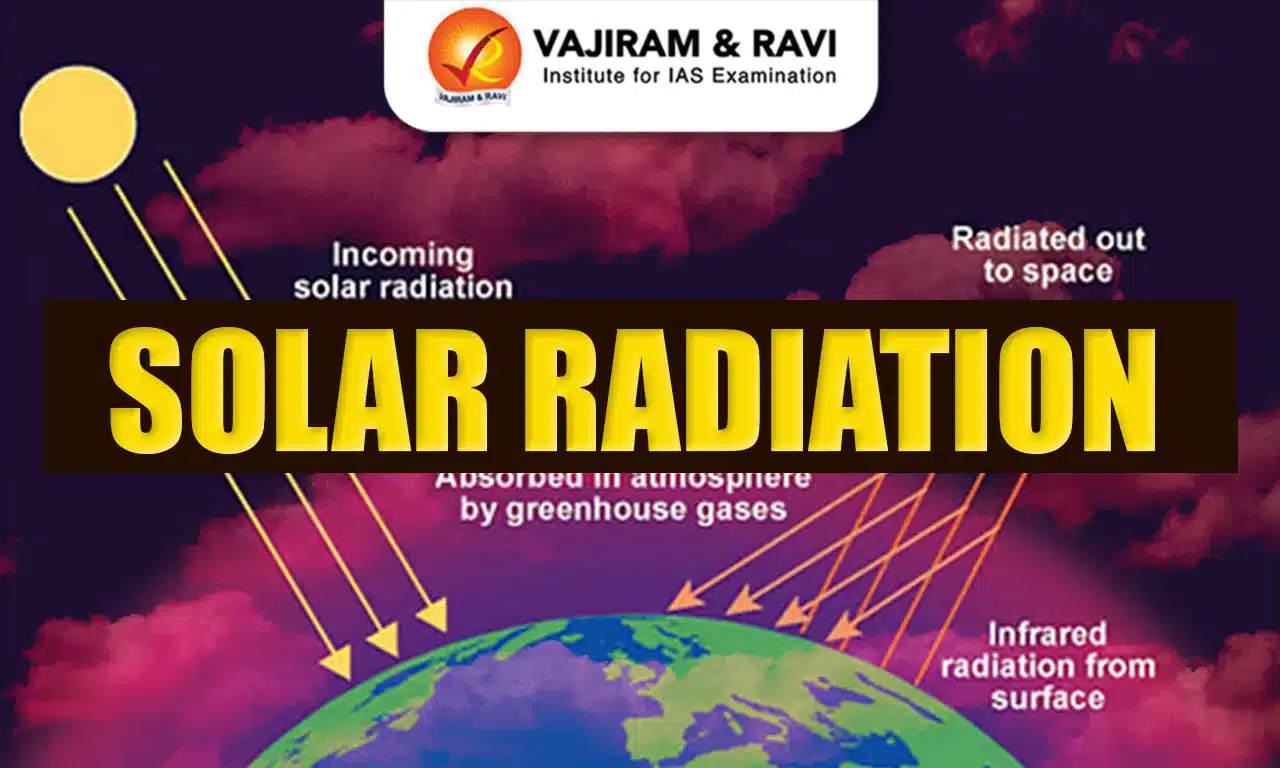
Hot Desert Climate is defined by intensely high daytime temperatures, very low humidity, and scant rainfall, often less than 250 mm per year. These regions fall under the arid climatic zones of the Köppen classification and are typically located around the subtropical high-pressure belts. A striking feature of hot deserts is the wide diurnal temperature variation, while days can be scorching, nights often turn quite cold due to rapid heat loss in the absence of cloud cover.
Despite their harsh environment, deserts sustain specialized flora and fauna adapted to conserve water and withstand extreme heat. Plants like cacti, xerophytes, and succulents, along with animals such as reptiles, camels, and rodents, exhibit unique survival mechanisms. Beyond their ecosystems, the Hot Desert influences the global climate patterns, acts as significant sources of dust storms that enrich soils in distant regions, and hold vital reserves of minerals and fossil fuels.
Hot Desert Climate
Hot Desert Climate are typically located between 15° and 30° latitude in both hemispheres, within the subtropical high-pressure zones. These regions are marked by extreme temperature contrasts, daytime temperatures often rise above 40°C, while nights turn unexpectedly cool due to rapid terrestrial heat loss under clear skies. Rainfall is scarce, generally less than 250 mm per year, and usually arrives in sudden, intense bursts rather than steady showers.
The aridity limits vegetation to drought-resistant plants such as cacti, succulents, and xerophytic shrubs. Faunal life, including camels, lizards, snakes, and scorpions, displays remarkable physiological and behavioral adaptations for conserving water and surviving the harsh environment.
Some of the most well-known hot deserts include the Sahara in Africa, the Arabian Desert in the Middle East, the Sonoran Desert in North America, and the Thar Desert in South Asia. Despite their stark landscapes, deserts contribute significantly to global systems by regulating heat balance, generating dust storms that enrich distant soils, and providing valuable reserves of petroleum, natural gas, and minerals. However, challenges like desertification, overgrazing, and climate change threaten their fragile ecological balance.
Hot Desert Climate Characteristics
Hot Desserts are unique natural environments shaped by extreme aridity and intense heat. Their distinct characteristics can be studied under the following heads:
- Climate: Hot deserts experience scorching daytime temperatures, often above 40°C during summer. Nights, however, can be unexpectedly cold due to rapid heat loss under clear skies. Rainfall is scarce, usually less than 250 mm annually and occurs in irregular, intense bursts.
- Vegetation: Plant life is sparse and dominated by drought-resistant species such as cacti, succulents, and thorny shrubs. Vegetation shows remarkable adaptations: some plants develop deep roots to tap groundwater, while others rely on shallow, widespread roots to quickly absorb rainfall.
- Soil: Desert soils are typically sandy, rocky, and deficient in organic matter. They are often prone to wind erosion and may have high salt or mineral concentrations, making them unsuitable for dense vegetation.
- Fauna: Animals of hot deserts display special survival strategies. Camels store fat for energy, reptiles and scorpions tolerate heat, and many species adopt nocturnal habits to escape daytime extremes. These adaptations help conserve water and energy.
- Landscape: The desert terrain features vast sand dunes, rocky or gravel plains, and occasional plateaus. Oases, where underground water surfaces, create fertile pockets that sustain vegetation and human settlements.
Hot Desert Climate Distribution Across World
Hot Desert Climate are mainly located between 15° and 30° latitude in both hemispheres, influenced by subtropical high-pressure zones that suppress rainfall. Their distribution across continents is as follows:
| Hot Desert Climate Distribution Across World | ||
|
Continent |
Hot Deserts |
Key Features / Location |
|
Africa |
Sahara Desert |
Largest hot desert; spans Algeria, Libya, Egypt, and other North African countries. |
|
Kalahari Desert |
Southern Africa; covers Botswana, Namibia, South Africa. |
|
|
Namib Desert |
Coastal desert in Namibia; known for tall dunes and unique biodiversity. |
|
|
Asia |
Arabian Desert |
Covers Arabian Peninsula including Saudi Arabia, Oman, Yemen. |
|
Thar Desert |
Also called the Great Indian Desert; located in India and Pakistan. |
|
|
Australia |
Great Victoria Desert |
Largest desert in Australia; located in the southwest. |
|
Simpson Desert |
Central Australia; known for red sand dunes. |
|
|
Gibson Desert |
Arid desert in central Western Australia. |
|
|
North America |
Sonoran Desert |
Southwestern USA and northern Mexico. |
|
Chihuahuan Desert |
Spans northern Mexico and parts of Texas and New Mexico. |
|
|
Mojave Desert |
California; includes Death Valley, the hottest place on Earth. |
|
|
South America |
Atacama Desert |
Northern Chile and Peru; driest desert in the world. |
Hot Desert Climate Significance
Hot deserts, though often seen as barren and lifeless, contribute immensely to ecological balance, economic development, and scientific discovery. Their role goes beyond extreme climates, they regulate weather patterns, provide valuable resources, and support unique life forms. The table below highlights the major areas where Hot Desert Climate Significance:
| Hot Desert Climate Significance | ||
|
Aspect |
Details |
Examples |
|
Climate Regulation |
Deserts influence global wind and weather patterns, balancing Earth’s heat. Their quick heat absorption and release affect surrounding climates. |
— |
|
Biodiversity & Adaptation |
Support unique ecosystems with drought-resistant plants and heat-adapted animals. Studying them reveals survival strategies. |
Cacti, camels, scorpions. |
|
Resource Reservoirs |
Rich in minerals, oil, and gas, making them economically significant. |
Sahara – phosphate; Arabian Desert – oil. |
|
Solar Energy Potential |
Receive maximum solar radiation, ideal for renewable energy projects. |
Mojave Desert – large solar farms. |
|
Scientific Exploration |
Landscapes used for planetary geology studies and space technology testing. |
Atacama Desert – Mars simulation site. |
|
Cultural & Economic Significance |
Shape traditions of indigenous communities and boost economies via tourism. |
Camel safaris, desert festivals, treks. |
Hot Desert Climate Challenges
Hot Desert Climate, though often seen as barren, are home to fragile ecosystems and communities that depend on scarce resources. Human activities and environmental changes have made these regions even more vulnerable. The key challenges include:
- Desertification: Overgrazing, deforestation, and poor land-use practices turn semi-arid areas into desert landscapes.
- Example: The Sahel in Africa is rapidly losing fertile land due to unsustainable practices.
- Climate Change: Rising global temperatures intensify droughts, increase evaporation, and worsen water shortages.
- Example: The Mojave Desert faces growing stress on its ecosystems due to higher temperatures.
- Water Scarcity: Limited water supplies are further drained by agriculture, industry, and settlements.
- Example: Groundwater over-extraction in the Arabian Desert has depleted aquifers.
- Biodiversity Loss: Urbanization, agriculture, and mining threaten the survival of unique desert species.
- Example: Mining in the Namib Desert disrupts habitats of endemic wildlife.
- Soil Degradation: Delicate desert soils erode easily due to wind, grazing, and human activity.
- Example: The Thar Desert suffers reduced agricultural productivity from soil erosion.
- Invasive Species: Non-native plants and animals disrupt the balance of desert ecosystems.
- Example: Invasive grasses in the Sonoran Desert displace native vegetation.
- Human Encroachment: Expanding cities and infrastructure fragment desert habitats, making survival harder for wildlife.
- Example: Las Vegas continues to push into the Mojave Desert.
Hot Desert Climate FAQs
Q1: What countries have a hot desert climate?
Ans: Countries like Saudi Arabia, Egypt, Sudan, Libya, Iran, Australia, Namibia, and parts of India have hot desert climates.
Q2: What is the type of climate in deserts?
Ans: Deserts have arid climate with very low rainfall, high evaporation, extreme temperatures, and scarce vegetation.
Q3: What is the weather like in a hot desert?
Ans: Hot deserts have scorching daytime heat, cool nights, minimal rainfall, strong winds, and very dry conditions.
Q4: What is the climate in the hot desert in India?
Ans: India’s Thar Desert has an arid climate with scorching summers, mild winters, low rainfall, and frequent dust storms.
Q5: What are the characteristics of the hot desert climate?
Ans: Hot deserts feature extreme heat, very low rainfall, arid air, sparse vegetation, sandy soils, and large diurnal temperature variations.