Kuttanad Wetland Agricultural System

Kuttanad Wetland Agricultural System

Kuttanad Wetland Agricultural System Latest News

Recently, the soil tests in Kuttanad paddy fields which are part of Kuttanad Wetland Agricultural System in Kerala showed increased level of aluminium concentrations in paddy fields.

About Kuttanad Wetland Agricultural System

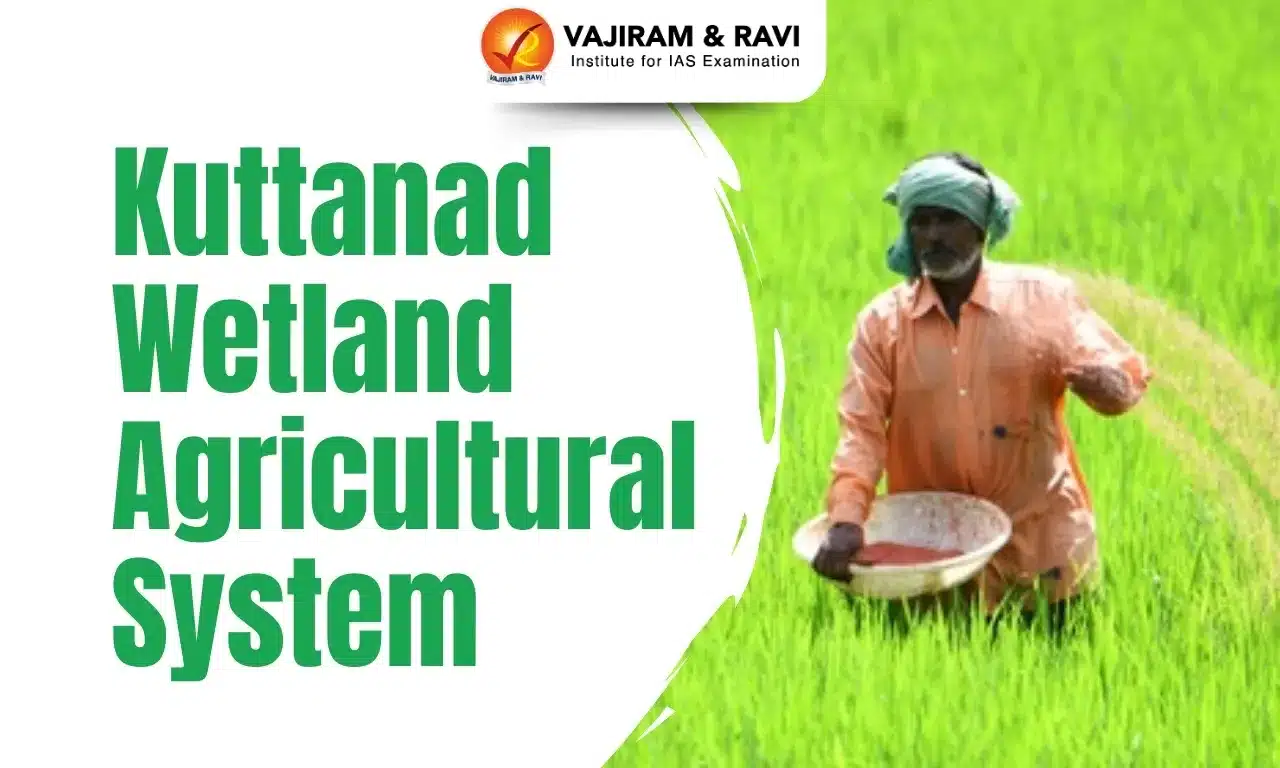
  • It is unique and the only system in India that favours rice cultivation below sea level.
  • The Kuttanad system is a complex mosaic of fragmented agricultural landscapes divided in three structures:
  • Wetlands used for paddy activities and fish catching,
  • Garden lands used for coconut, tubers and food crops plantation
  • Water areas used as inland fishing and shells
  • Recognition: The Kuttanad Below Sea-level Farming System recognised under Globally Important Agricultural Heritage Systems (GIAHS) of Food And Agriculture Organisation.

Impact of Aluminium on soil and Plants

  • Aluminium becomes more soluble and toxic as soil pH drops below five.
  • Excessive aluminium damages the plant root system and severely interferes with the absorption of essential nutrients such as phosphorus, calcium, potassium, and magnesium.

Key Facts about Globally Important Agricultural Heritage Systems

  • The Globally Important Agricultural Heritage Systems (GIAHS) is a Food and Agriculture Organization’s programme launched at the World Summit for Sustainable Development in 2002.
  • It is aiming to strike a balance between conservation, sustainable adaptation and socioeconomic development.
  • India’s GIAHS Include
    • Koraput region (Odisha): It is renowned for its subsistence paddy cultivation, predominantly on highland slopes.
    • Kuttanad system (Kerala): It is a unique below-sea-level farming landscape.
    • Saffron Park of Kashmir: It represents a rich agro-pastoral system characterized by traditional saffron cultivation.

Source: TH

Kuttanad Wetland Agricultural System FAQs

Q1: Kuttanad Wetland Agricultural System is located in?

Ans: Kerala

Q2: Kuttanad's farming involves cultivation in?

Ans: Low-lying wetland areas

GhostPairing

GhostPairing

GhostPairing Latest News

Recently, the Indian Computer Emergency Response Team (CERT-In) has issued an advisory about an active threat campaign which targets WhatsApp users by using a new technique called GhostPairing.

About GhostPairing

  • GhostPairing is a type of WhatsApp attack where hackers secretly link their own device to a victim’s WhatsApp account.
  • It gives hackers almost full access without the victim noticing.
  • GhostPairing' allows cybercriminals to take complete control of WhatsApp accounts without requiring passwords or SIM swaps.
  • The threat actors can take over WhatsApp accounts without authorisation by tricking potential victims into entering the pairing codes.

Modus Operandi of GhostPairing

  • GhostPairing begins with victims receiving a message from a trusted contact that reads: “Hi, check this photo”.
  • The message contains a link with a Facebook-style preview.
    The link leads to a fake Facebook viewer that prompts users to “verify” to see the content.
    Then, the attackers attempt to trick potential victims into entering their phone number and code.
  • By following a sequence of steps, victims unknowingly grant attackers full access to their WhatsApp accounts.

Source: IE

GhostPairing FAQs

Q1: What is the primary method used in the GhostPairing scam?

Ans: Exploiting WhatsApp's device-linking feature

Q2: How does the GhostPairing scam typically start?

Ans: Attackers send messages with links from "trusted contacts"

Anjadip Ship

Anjadip Ship

Anjadip Ship Latest News

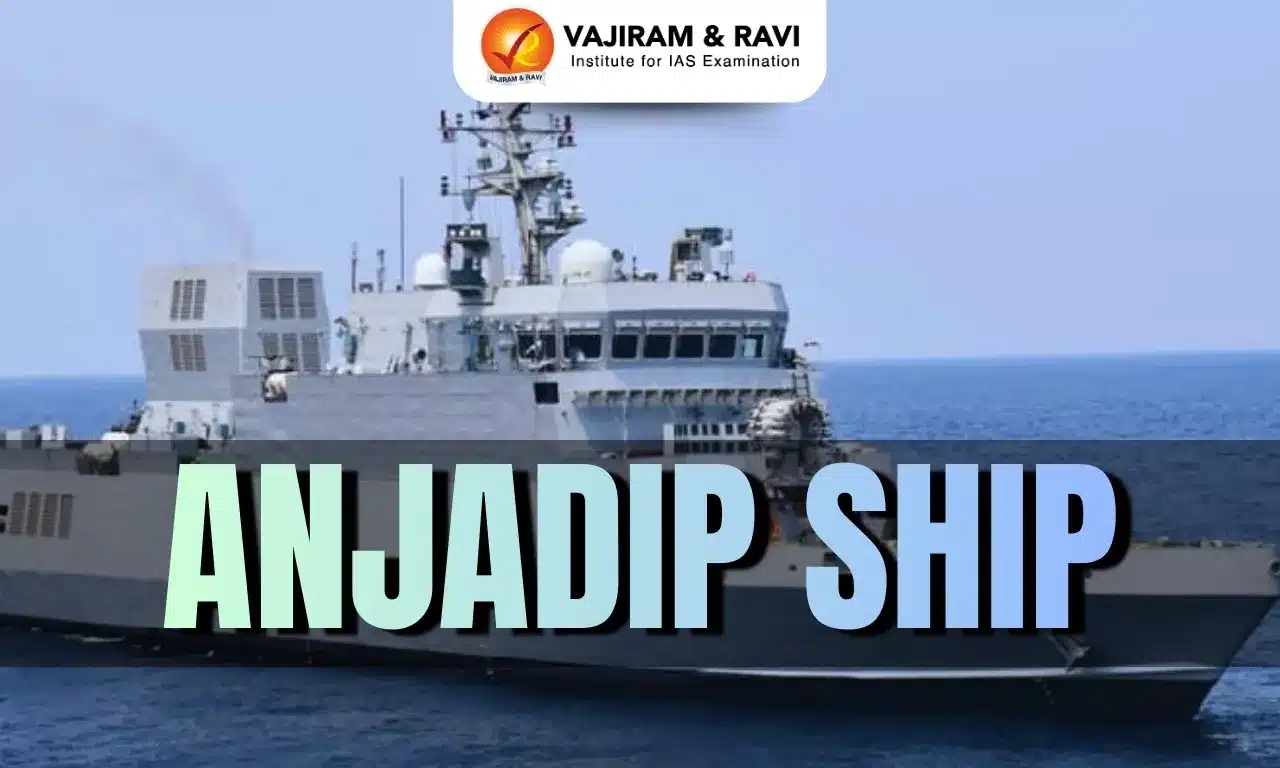
Recently, the ‘Anjadip’ Anti-Submarine Warfare Shallow Water Craft was delivered to the Indian Navy at Chennai.

About Anjadip Ship

  • It is the third of eight Anti-Submarine Warfare Shallow Water Craft.
  • It is indigenously designed and built by Garden Reach Shipbuilders and Engineers (GRSE), Kolkata.
  • The ship derives its name from Anjadip Island located off the coast of Karwar, Karnataka.
  • The ship is a reincarnation of the erstwhile INS Anjadip, a Petya class Corvette decommissioned in 2003.
    • The ASW SWC ships have been designed and constructed as per the Classification Rules of Indian Register of Shipping (IRS) under a Public-Private-Partnership (PPP) of GRSE with M/s L&T Shipyard, Kattupalli.

Features of Anjadip Ship

  • Capacity: It has displacement capacity of 900 tons with a maximum speed of 25 knots and an endurance of 1,800 nautical miles.
  • It is the largest Indian Naval Warship propelled by Waterjets.
  • These are equipped with state of the art Lightweight Torpedoes, indigenously designed Anti-Submarine Rockets and shallow water SONAR.
  • The ship stands as a testament to the growing domestic defence manufacturing ecosystem and reducing dependency on imports.
  • Significance: The ship will strengthen Navy’s Anti-Submarine, coastal surveillance and mine laying capabilities.

Source: PIB

Anjadip Ship FAQs

Q1: Which is the first indigenous anti-submarine warfare shallow water craft in India?

Ans: INS Mahe

Q2: What is the meaning of Anti-Submarine Warfare Shallow Watercraft?

Ans: Anti-Submarine Warfare (ASW) involves operations aimed at detecting, tracking, and destroying enemy submarines.

Mars Atmosphere and Volatile EvolutioN (MAVEN) Mission

Mars Atmosphere and Volatile EvolutioN (MAVEN) Mission

Mars Atmosphere and Volatile EvolutioN (MAVEN) Mission Latest News

NASA has lost contact with its Mars Atmosphere and Volatile Evolution (MAVEN) spacecraft, the Mars orbiter that has worked for more than a decade to study how the planet’s atmosphere is escaping into space.

About Mars Atmosphere and Volatile EvolutioN (MAVEN) Mission

  • It is the first spacecraft mission dedicated to surveying the upper atmosphere of Mars.
  • It is part of NASA's Mars Exploration Program, an unprecedented, multi-decade campaign to comprehensively understand Mars and its suitability to host past or present life. 
  • It aims to understand the role that loss of atmospheric gas to space played in changing the Martian climate over time. 
  • It was launched in November 2013 and arrived at Mars in September 2014.
  • MAVEN orbits Mars every 3.5 hours and gets as close as 150 km to its surface.
  • It carries three packages of instruments. 
    • One package studies the solar wind and its impact on Mars’s ionosphere. (Since Mars has no magnetic field, its atmosphere would be slowly removed by interaction with the solar wind.)
    • The second package is an ultraviolet spectrometer that studies the upper atmosphere.
    • The third package is a mass spectrometer that studies the composition of the upper atmosphere.
  • MAVEN found that Mars lost about 2/3 of its early atmosphere to space.

Source: TH

Mars Atmosphere and Volatile EvolutioN (MAVEN) Mission FAQs

Q1: What is the primary focus of the MAVEN mission?

Ans: Studying the upper atmosphere of Mars.

Q2: Which space agency launched the MAVEN mission?

Ans: NASA

Q3: What does MAVEN aim to understand about Mars?

Ans: How atmospheric gases were lost to space and how it affected Martian climate.

Q4: When was the MAVEN spacecraft launched?

Ans: November 2013.

Indian Council of Forestry Research and Education (ICFRE)

Indian Council of Forestry Research and Education (ICFRE)

Indian Council of Forestry Research and Education (ICFRE) Latest News

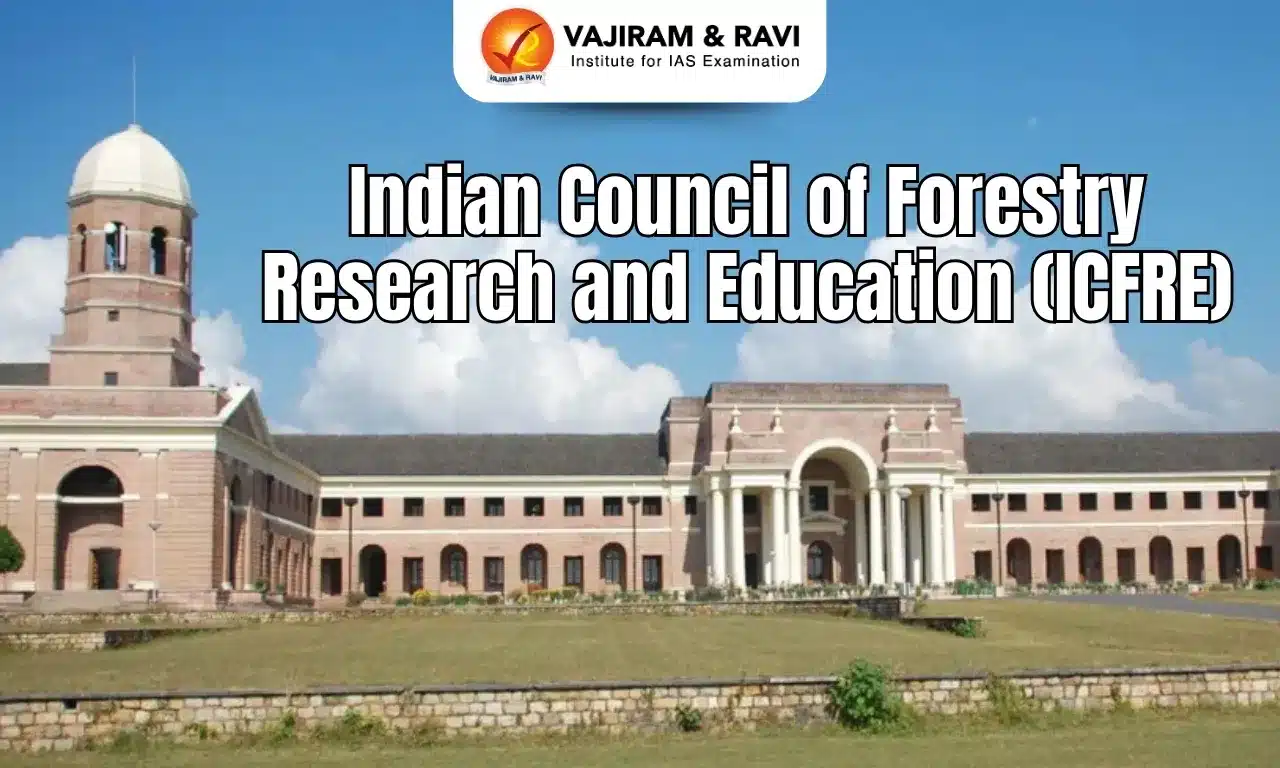
The Indian Council of Forestry Research and Education (ICFRE) will prepare a district-wise report on which hills meet the criteria to be considered part of the Aravalli Range, but strictly for the purposes of mining, the Union Environment Minister said recently.

About Indian Council of Forestry Research and Education (ICFRE)

  • It is the apex body in the national research system in the area of forestry.
  • It is an autonomous organization under the Ministry of Environment, Forest, and Climate Change (MoEF & CC), Government of India.
  • Mission: To generate, advance, and disseminate scientific knowledge and technologies for ecological security, improved productivity, livelihood enhancement, and sustainable use of forest resources through forestry research and education.
  • Headquarters: Dehradun 
  • History:
    • The journey of ICFRE was initiated way back towards the end of the nineteenth century with the advent of scientific forestry in India and the establishment of the Forest School in Dehradun in 1878. 
    • It was on 5th June 1906, subsequently, that the Imperial Forest Research Institute was founded by the Government of India for taking forward forestry research in the country.  
    • In 1986 the ICFRE was formed as an umbrella organisation for taking care of the forestry research, education, and extension needs of the country. 
    • Finally, on 1st June 1991, the ICFRE was declared an autonomous Council under the then Ministry of Environment and Forests.
  • Presently, ICFRE, with its headquarters at Dehradun, has a pan-India presence with its 9 Regional Research Institutes and 5 Centers in different biogeographical regions of the country. 
  • The regional research institutes are located at Jodhpur, Dehradun, Shimla, Hyderabad, Coimbatore, Ranchi, Bengaluru, Jorhat, and Jabalpur, and the centres are at Agartala, Aizawl, Allahabad, Chhindwara, and Visakhapatnam.

Source: TH

Indian Council of Forestry Research and Education (ICFRE) FAQs

Q1: What is the Indian Council of Forestry Research and Education (ICFRE)?

Ans: It is the apex body in the national research system in the area of forestry.

Q2: The Indian Council of Forestry Research and Education (ICFRE) operates under which ministry?

Ans: Ministry of Environment, Forest & Climate Change.

Q3: Where is the headquarters of Indian Council of Forestry Research and Education (ICFRE) located?

Ans: Dehradun

Q4: How many Regional Research Institutes does Indian Council of Forestry Research and Education (ICFRE) currently have?

Ans: Presently, ICFRE has a pan-India presence with its 9 Regional Research Institutes.

Financial Fraud Risk Indicator (FRI)

Financial Fraud Risk Indicator

Financial Fraud Risk Indicator (FRI) Latest News

The Department of Telecommunications (DoT) recently said that the financial fraud risk indicator (or FRI) has prevented potential losses of ₹660 crore across the banking ecosystem within six months of the rollout of this initiative.

About Financial Fraud Risk Indicator (FRI)

  • It was launched in May 2025 by the Department of Telecommunications (DoT’s) Digital Intelligence Unit (DIU).
  • It is a risk-based metric that classifies mobile numbers into three categories: Medium, High, and Very High Risk based on their likelihood of involvement in financial fraud.
  • The classification draws from a comprehensive analysis using inputs from various platforms, including the Indian Cybercrime Coordination Centre’s National Cybercrime Reporting Portal (NCRP), DoT’s Chakshu platform, and intelligence shared by banks and financial institutions.
  • By flagging high-risk numbers early, the tool enables banks, non-banking financial companies (NBFCs), and UPI service providers to take appropriate measures for customer protection and transaction validation.
  • How Advance Notification Helps Prevent Fraud?
    • The DoT’s Digital Intelligence Unit (DIU) regularly disseminates the Mobile Number Revocation List (MNRL), which details mobile numbers disconnected due to involvement in cybercrime, failed verification, or exceeding permissible usage limits. 
    • These numbers often surface in financial fraud activities.
    • Given that fraudulent mobile numbers are often short-lived and verification processes can take time, a preemptive indicator such as the FRI becomes highly effective. 
    • Thus, as soon as a suspected mobile number is flagged by a stakeholder, it undergoes multidimensional analysis, and classifies it into Medium, High, or Very High financial risk associated with it. 
    • It then shares this assessment about the number immediately with all stakeholders through DoT’s Digital Intelligence Platform (DIP). 
    • Banks and financial institutions can use FRI in real time to take preventive measures such as declining suspicious transactions, issuing alerts or warnings to customers, and delaying transactions flagged as high risk.

Source: ET

Financial Fraud Risk Indicator (FRI) FAQs

Q1: When was the Financial Fraud Risk Indicator (FRI) launched?

Ans: It was launched in May 2025.

Q2: Which department developed the Financial Fraud Risk Indicator (FRI)?

Ans: The Department of Telecommunications’ (DoT) Digital Intelligence Unit (DIU).

Q3: What does the Financial Fraud Risk Indicator (FRI) classify mobile numbers into?

Ans: It classifies mobile numbers into three categories: Medium, High, and Very High Risk based on their likelihood of involvement in financial fraud.

Q4: Which platforms provide data inputs for Financial Fraud Risk Indicator (FRI) analysis?

Ans: NCRP (National Cybercrime Reporting Portal), Chakshu platform, and intelligence from banks and financial institutions.

Q5: What is the purpose of Financial Fraud Risk Indicator (FRI) for banks and UPI providers?

Ans: To help them detect and prevent suspicious or fraudulent transactions early.

Khwaja Moinuddin Chishti

Khwaja Moinuddin Chishti

Khwaja Moinuddin Chishti Latest News

The Supreme Court recently declined urgent hearing of a plea against the practice of state-sponsored ceremonial honours or offering a 'Chadar' by the Prime Minister at the Dargah of Khwaja Moinuddin Chishti, in Ajmer.

About Khwaja Moinuddin Chishti

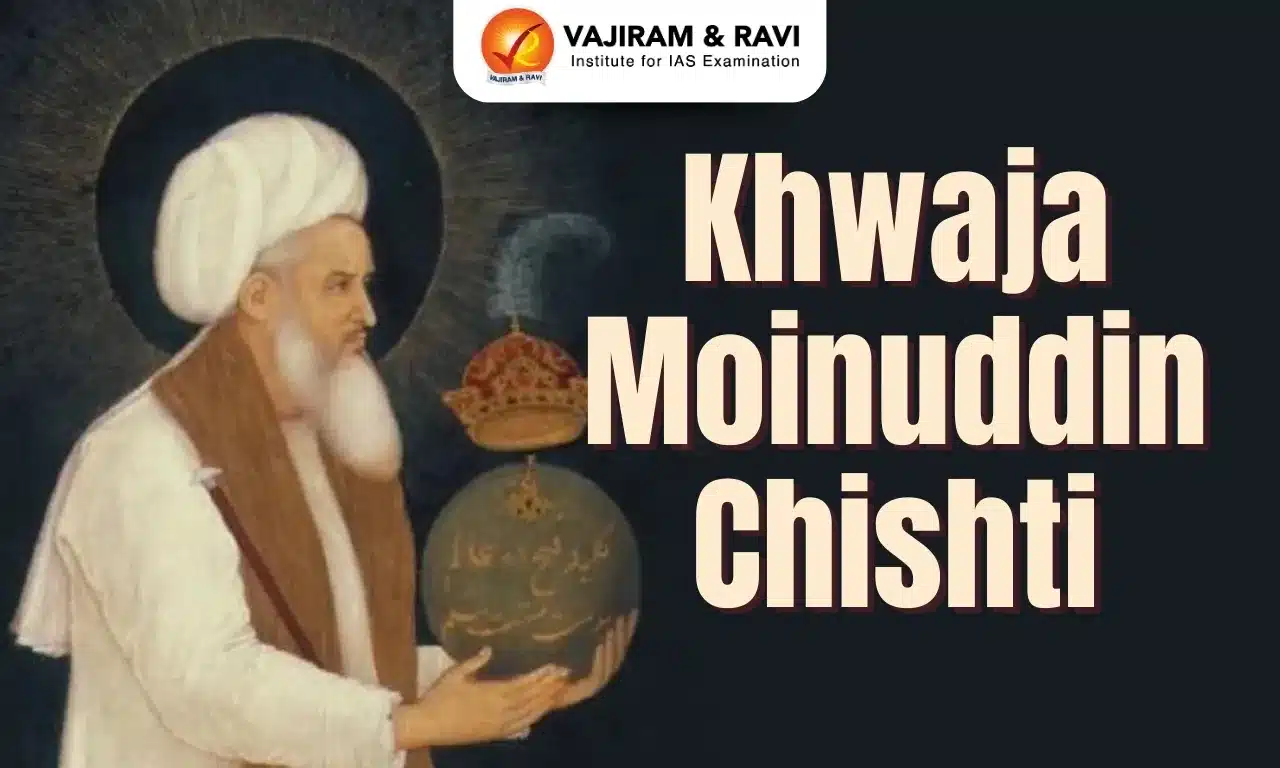
  • He was a very important Sufi saint. 
  • People often call him Gharīb Nawāz, which means 'Benefactor of the Poor'. 
  • He was born in 1141 CE in Sistan, a province in Persia (Iran) which borders present-day Afghanistan. 
  • His deep inclination towards spirituality led him to study in Samarkand and Bukhara, the great centres of Islamic learning.
  • A follower of Sunni Hanafi theology, he became the disciple of Hazrat Khwaja Usman Harooni, who later declared him his spiritual successor at the age of 52.
  • He came to India around the year 1192 AD. He finally settled in the city of Ajmer during the reign of Sultan Iltutmish in Delhi and Prithviraj Chauhan in Ajmer.
  • He is famous for bringing the Chishti Order of Sufism to India. 
  • He preached love, tolerance, charity, and detachment from materialism, and established a Khanqah in Ajmer to serve the poor. 
  • After his death in 1236 CE, Moinuddin Chishti was buried in Ajmer. 
  • His tomb became a very important place. It is now known as the Dargah Sharif, or the Ajmer Sharif Dargah.
    • The architectural style of Dargah Sharif purely reflects the Mughal style of architecture.
    • All Mughal rulers from Humayun to Shah Jahan have made modifications in the structure. 

The Chishti Order's Beliefs

  • The Chishti Order is a group within Sufism
  • Sufism is a way of life in Islam that focuses on finding a deeper, more personal connection with God.
  • The Chishti Order was started by a saint named Abu Ishaq Shami in Chisht, a town in Afghanistan
  • The Chishti Order is mostly followed in Afghanistan and South Asia. 
  • Moinuddin Chishti brought this order to India. 
    • The Chishti Order teaches several important things:
    • Love for all people.
    • Helping the poor and needy.
    • Living a simple life.
    • Being tolerant and peaceful.
    • Listening to spiritual music, called Qawwali, to feel closer to God.

Source: ET

Khwaja Moinuddin Chishti FAQs

Q1: Who is popularly known as Gharib Nawaz?

Ans: Khwaja Moinuddin Chishti.

Q2: Around which year did Moinuddin Chishti come to India?

Ans: Around 1192 AD.

Q3: In which Indian city did Khwaja Moinuddin Chishti finally settle?

Ans: Ajmer

Q4: Which Sufi order did Khwaja Moinuddin Chishti introduce to India?

Ans: He is famous for bringing the Chishti Order of Sufism to India.

Q5: Where was Khwaja Moinuddin Chishti buried?

Ans: Ajmer, at the Ajmer Sharif Dargah.

Rapid Financing Instrument

Rapid Financing Instrument

Rapid Financing Instrument Latest News

Recently, the International Monetary Fund has approved emergency funding of USD 206 million under its rapid finance instrument to help Sri Lanka address urgent needs arising from the catastrophic Cyclone Ditwah.

About Rapid Financing Instrument

  • It provides prompt financial assistance to any International Monetary Fund (IMF) member country facing an urgent balance of payments need.
  • It is one of the facilities under the General Resources Account (GRA) that provide financial support to countries, including in times of crisis.

Types of Rapid Financing Instrument

  • Regular Window: It is for urgent balance of payments needs caused by sources including domestic instability, exogenous shocks and fragility.
  • Under this, access up to 50 percent of quota per year and 100 percent of quota on a cumulative basis.
  • Large natural disaster Window: It is for urgent balance of payments needs arising from natural disasters where damage is assessed to be equivalent to or exceed 20 percent of the member’s GDP.
  • It provides access to up to 80 percent of quota per year and 133.33 percent of quota on a cumulative basis.

Conditionality of Rapid Financing Instrument

  • Support provided without ex-post program-based conditionality or reviews (prior actions sometimes apply).
  • Economic policies should aim at addressing the underlying balance of payments difficulties. 

Source: News On Air

Rapid Financing Instrument FAQs

Q1: What is the primary purpose of the IMF's Rapid Financing Instrument (RFI)?

Ans: Balance of payments support for economic crises

Q2: Under which IMF facility is RFI provided?

Ans: General Resources Account (GRA)

Paliyar Tribe

Paliyar Tribe

Paliyar Tribe Latest News

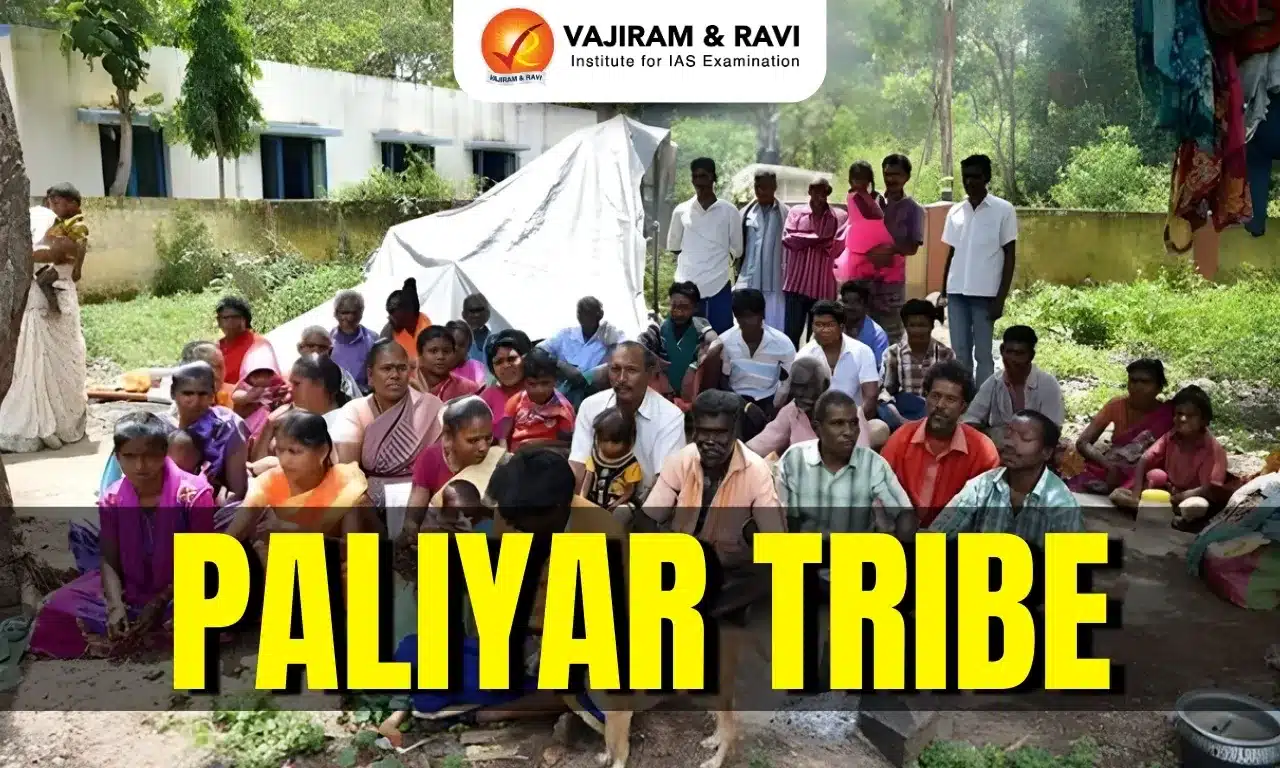
A total of 17 families belonging to the Paliyar Tribe in the Dindigul district have petitioned the Dindigul Collector, urging the district administration to recognise and develop their existing settlement as a formal village.

About Paliyar Tribe

  • They are an indigenous tribal community primarily found in the hilly regions of Tamil Nadu and Kerala.
  • They are and have been known by multiple names, such as the Paliyans, Pazhaiyarares, and Panaiyars. 
  • Historically, the Paliyars were spread all over the Dindigul district and the Sirumalai Palani hills, adjacent to the Western Ghats
  • As they inhabited the Palani hills, they were known as Panaiyars. 
  • Language: They primarily speak a dialect related to Tamil, reflecting their Dravidian linguistic heritage.
  • Occupation
    • Traditionally, the Paliyars were hunters and gatherers, residing in the forests of the Western Ghats. 
    • Presently, they have transformed into traders of forest products, food cultivators, and beekeepers, with some working intermittently as wage labourers, mostly on plantations.
  • They are recognized for their extensive knowledge and traditional practices pertaining to the use of medicinal plants.
  • Palliyars have small communities called kudis, sometimes living in caves or mud shelters. 
  • The Paliyar tribes never burned the dead bodies. They had the customary practice of burying the dead bodies in an area near to their residential area on the western side.
  • Their festivals involve nature-based rituals, dancing, and music.
  • They have a special ceremony to invoke rain and protect the forest spirits.

Source: TH

Paliyar Tribe FAQs

Q1: The Paliyar tribe is primarily found in which Indian states?

Ans: Tamil Nadu and Kerala

Q2: Traditionally, what was the main occupation of the Paliyars?

Ans: Traditionally, the Paliyars were hunters and gatherers.

Q3: How did the Paliyar tribe traditionally dispose of their dead?

Ans: Burial on the western side of the settlement.

Q4: What characterizes the festivals of the Paliyar tribe?

Ans: Nature-based rituals, dancing, and music.

Bhima River

Bhima River

Bhima River Latest News

Recently, the Karnataka government urged the central government’s intervention over Maharashtra’s excess use of Bhima river water.

About Bhima River

  • It is a perennial river and the largest tributary of the Krishna River.
  • Origin: It originates near Bhimashankar Temple in the Bhimashankar hills in the Western Ghats.
  • It flows through the states of Maharashtra, Karnataka, and Telangana.
  • Confluence: It merges into the Krishna River in Karnataka’s Raichur district.
  • Drainage Area: The Bhima drainage area is defined by the Western Ghats (west), the Balaghat Range (north), and the Mahadeo Hills (south).
  • The total basin area of the river is 48,631 sq.km., out of which 75 percent lie in the state of Maharashtra.
  • It runs in a well-entrenched valley, and its banks are heavily populated. 
  • Major Tributaries of Bhima River
    • Right Bank: Indrayani River, Mula River, Mutha River and Pavana River.
    • Left Bank: Sina and Nira etc.
  • Spiritual Significance: Pandharpur is an important pilgrimage centre located on the right bank of the Bhima River.

Source: TOI

Bhima River FAQs

Q1: The Bhima River is a tributary of which major river?

Ans: Krishna

Q2: The Bhima River originates in which state?

Ans: Maharashtra

Right to a Healthy Environment in India – Explained

Healthy Environment

Healthy Environment Latest News

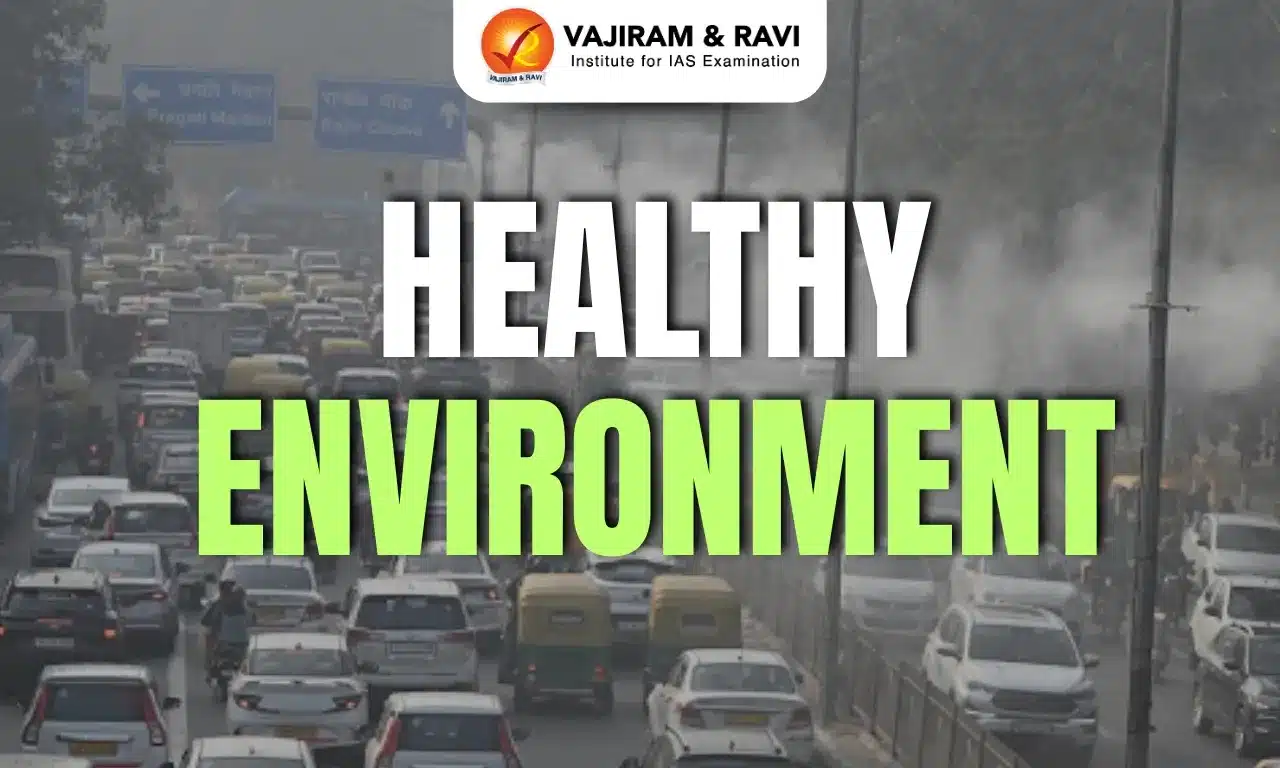
  • Rising air pollution in Delhi-NCR has renewed debate on recognising the right to a healthy environment as an explicit constitutional right.

Background: Environmental Degradation and Public Health

  • India faces recurring environmental crises, particularly during winter months, when air pollution levels in Delhi-NCR deteriorate sharply due to vehicular emissions, industrial activity, fossil fuel use, construction dust, waste burning, and agricultural residue burning. 
  • These conditions severely affect public health, leading to respiratory illnesses, cardiovascular diseases, and reduced life expectancy. 
  • The persistent nature of such crises has highlighted gaps in policy enforcement and raised questions about the legal responsibility of the State to protect environmental health.

Particulate Matter and Health Risks

  • Among various pollutants, particulate matter is considered the most harmful. PM10 particles can enter the respiratory system, while finer PM2.5 particles penetrate deep into the lungs and bloodstream. 
  • Diesel particulate matter, a sub-category of PM2.5, is especially toxic and poses serious risks to children and vulnerable populations. 
  • In response to worsening air quality, the Commission for Air Quality Management (CAQM) has strengthened the Graded Response Action Plan (GRAP), mandating school closures and staggered office timings during severe pollution phases, indicating growing administrative recognition of environmental health risks.

Constitutional Basis of Environmental Protection

  • Although the original Constitution did not explicitly guarantee environmental rights, judicial interpretation has expanded the scope of Article 21 (Right to Life) to include the right to a clean and healthy environment. 
  • This interpretation was gradually developed through landmark judgments, beginning with Maneka Gandhi v. Union of India (1978), which broadened the meaning of “life” beyond mere physical existence.
  • Subsequently, constitutional amendments strengthened environmental responsibility. 
  • Article 48A (Directive Principles) places a duty on the State to protect and improve the environment, while Article 51A(g) imposes a fundamental duty on citizens to safeguard natural resources. 
  • Together, these provisions create a shared constitutional obligation toward environmental protection.

Role of Judiciary and Public Interest Litigation

  • Since the mid-1980s, rapid industrialisation and liberalisation have intensified environmental degradation, prompting judicial intervention. 
  • The judiciary has played a proactive role by using Public Interest Litigations (PILs) under Articles 32 and 226 to address environmental harm. 
  • Courts have consistently balanced development needs with environmental sustainability, reinforcing the idea that economic growth cannot come at the cost of ecological destruction.
  • The Environment (Protection) Act, 1986, further strengthens this framework by defining the environment as an interconnected system of air, water, land, and living beings. 
  • Judicial rulings have clarified that the right to live with dignity includes the right to pollution-free air and water, making environmental protection an enforceable legal concern.

Environmental Principles in Indian Jurisprudence

  • Indian environmental law has adopted key global principles to deal with ecological harm. 
  • The principle of absolute liability was introduced to address industrial disasters involving hazardous substances, ensuring that enterprises bear full responsibility for damage regardless of fault.
  • The precautionary principle requires preventive action even in the absence of scientific certainty, while the polluter pays principle mandates that polluters bear the cost of environmental damage. 
  • These principles, affirmed by the judiciary, emphasise prevention, accountability, and sustainable development as core governance values.

Public Trust Doctrine and State Responsibility

  • The public trust doctrine reinforces the idea that natural resources are held by the State in trust for the people. 
  • Under this doctrine, the State cannot exploit environmental resources for private or commercial gain at the cost of public interest. 
  • Constitutional provisions under Article 39 further support community ownership of material resources and equitable distribution for public welfare.
  • Recent judicial recognition of climate change impacts has expanded environmental rights further. 
  • The Supreme Court’s acknowledgement of protection against adverse climate effects as part of Articles 21 and 14 reflects the evolving nature of environmental constitutionalism in India.

Need for Explicit Constitutional Recognition

  • Despite progressive judicial interpretation, the absence of an explicit fundamental right to a healthy environment limits enforceability. 
  • Since rights must be linked to Part III for direct claims, the article argues for formally incorporating the right to a clean and healthy environment into the Constitution. 
  • Such recognition would clearly define State accountability and citizen responsibility, strengthening environmental governance in an era of climate uncertainty.

Source: TH

Healthy Environment FAQs

Q1: How is the right to a healthy environment linked to Article 21?

Ans: It has been judicially interpreted as part of the right to life and human dignity.

Q2: What role does CAQM play in air pollution control?

Ans: CAQM implements measures like GRAP to manage air quality in Delhi-NCR.

Q3: What is the polluter pays principle?

Ans: It requires polluters to bear the cost of environmental damage they cause.

Q4: What is the public trust doctrine?

Ans: It holds that the State manages natural resources as a trustee for the public.

Q5: Why is explicit constitutional recognition being suggested?

Ans: To strengthen enforceability and ensure clear State responsibility for environmental protection.

Redrawing the Aravallis: New Definition, Exclusions, and Environmental Concerns

Aravallis

Aravallis Latest News

  • Amid criticism over the government’s new definition of the Aravalli Hills, the Environment Ministry said there was no immediate ecological threat and that the range remains protected, with mining allowed in only 0.19% of its total area. 
  • While the government has paused new mining leases pending further study, critics argue that official assurances do not address disputed court submissions or broader environmental threats beyond mining.

New Aravalli Definition: What Changes and Why It Matters

Measuring Aravali Hills

  • A new definition of the Aravalli Hills, approved by the Supreme Court in November 2025, classifies only landforms rising 100 metres or more above local relief—along with their slopes and adjoining areas—as part of the range. 
  • Critics argue that using local profile instead of a standard baseline could exclude large stretches of the Aravallis from protection. 
  • The Environment Ministry has said that no new mining leases will be granted until a detailed study is completed under the court’s order.

What Remains Protected in the Aravallis

  • Several parts of the Aravallis continue to enjoy strong legal protection, including tiger reserves, national parks, wildlife sanctuaries, eco-sensitive zones, notified wetlands, and compensatory afforestation plantations. 
  • These areas remain closed to mining or development unless explicitly permitted under wildlife or forest laws, regardless of whether they fall within the revised Aravalli definition.

Protection Is Not Always Permanent

  • However, such safeguards can be revised or diluted. 
  • A recent attempt by the Centre and Rajasthan to redefine the boundaries of the Sariska tiger reserve—which could have opened nearby areas to mining—was halted only after intervention by the Supreme Court, highlighting the fragility of regulatory protection.

How the New Benchmark Still Includes Some Areas

  • The new benchmark does not exclude all landforms below 100 metres. 
  • Any landform rising at least 100 metres above its local profile qualifies as part of the Aravalli Hills. 
  • Moreover, if two such hills are within 500 metres, the intervening land—regardless of its elevation—will also be treated as part of the Aravalli range.

What the New Aravalli Definition Excludes

  • The new parameters exclude large areas earlier identified as Aravalli under the Forest Survey of India (FSI) 3-degree slope formula, which classifies land as Aravalli if it lies above a state’s minimum elevation (115 m in Rajasthan) and has a slope of at least 3 degrees. 
  • Rajasthan—home to nearly two-thirds of the Aravalli range—faces the biggest exclusions.

Entire Districts Dropped from the Aravalli List

  • Several districts earlier counted among the 34 Aravalli districts across Gujarat, Rajasthan, Haryana, and Delhi are now excluded. Notably:
    • Sawai Madhopur (Ranthambhore Tiger Reserve; Aravalli–Vindhya convergence),
    • Chittorgarh (UNESCO World Heritage fort on an Aravalli outcrop),
    • Nagaur (where FSI mapped 1,110 sq km as Aravalli),
  • are missing from the updated list submitted to the Supreme Court.

Overstated Extent and the Mining Claim

  • While the government cited mining as limited to 0.19% of a 1.44 lakh sq km Aravalli expanse, this figure effectively covers the entire landmass of the 34 listed districts, not the actual hill range. 
  • Under the FSI method, the Aravallis span 40,483 sq km across 15 districts of Rajasthan—about 33% of those districts’ area.

Scale of Exclusion Under the 100-Metre Benchmark

  • Applying the new 100-metre local relief definition would exclude 99.12%—1,17,527 of 1,18,575—of the Aravalli hills (including slopes and surroundings) identified by the FSI in these 15 districts, dramatically shrinking the range’s officially recognised footprint.

What the Centre Told the Supreme Court

  • The Environment Ministry informed the Supreme Court that the 100-metre definition would include a larger area of the Aravallis than the 3-degree slope formula used by the Forest Survey of India (FSI). 
  • This was despite the FSI flagging concerns that the new benchmark would exclude vast tracts earlier identified as Aravalli.

Argument Based on District Averages

  • The Ministry argued that in 12 of the 34 Aravalli districts, the average slope is below 3 degrees—implying these districts would be excluded under the FSI method. 
  • Critics note this averages plains with hills, understating the slopes of actual hilly areas and thereby weakening the comparison.

Local Profile as the Baseline

  • The Ministry told the court that elevation would be measured from the local profile rather than a standardised reference point (such as Rajasthan’s lowest elevation of 115 m used by the FSI).
  • Using local profiles can exclude even 100-metre-high hills if surrounding terrain is already elevated (saddles), potentially shrinking the officially recognised Aravalli footprint despite claims to the contrary.

Inclusion vs Exclusion: The Core of the Aravalli Debate

  • Limits of the Mining Argument
    • The government has highlighted that only a small fraction of the Aravallis would be legally open to mining.
    • However, concerns persist about illegal mining, the future expansion of mining in areas excluded by the 100-metre definition, and the cumulative ecological impact of individual mining blocks on surrounding landscapes.
  • Environmental Risks Beyond Mining
    • Mining is not the only threat. 
    • By de-recognising large hilly tracts, especially in the Delhi NCR, where Aravalli ranges taper in height, the new definition could open vast areas to real estate and infrastructure development, posing serious environmental risks.
  • Committee’s Rationale: Avoiding ‘Over-Inclusion’
    • The ministry-led committee told the Supreme Court that not every hill is Aravalli and not every part of Aravalli is hilly, warning against “inclusion errors” if slope alone is used to define boundaries. 
    • It argued for caution in wrongly categorising non-Aravalli land.
  • Critics’ Concern: Exclusion Takes Priority
    • While acknowledging non-hilly stretches, the submission places greater emphasis on preventing inclusion of extra areas rather than on the risk of excluding genuine Aravalli landscapes, raising concerns that environmental protection may be weakened in the process.

Source: IE

Aravallis FAQs

Q1: What is the new Aravalli Hills definition?

Ans: The new Aravalli Hills definition recognises only landforms rising 100 metres above local relief, along with their slopes and adjoining areas, as part of the range.

Q2: Why is the new Aravalli definition controversial?

Ans: Critics argue that using local relief instead of a standard baseline could exclude most Aravalli hills earlier identified by the Forest Survey of India.

Q3: What areas remain protected despite the new definition?

Ans: Tiger reserves, wildlife sanctuaries, national parks, eco-sensitive zones, wetlands, and compensatory afforestation lands remain protected under forest and wildlife laws.

Q4: What does the new definition exclude from Aravalli protection?

Ans: Large tracts earlier identified under the FSI’s 3-degree slope method, including major districts in Rajasthan, Haryana, Gujarat, and Delhi, may be excluded.

Q5: Why does the inclusion–exclusion debate matter?

Ans: Excluding genuine Aravalli landscapes could enable mining, real estate, and infrastructure expansion, weakening ecological protection beyond the immediate mining footprint.

India–New Zealand FTA Finalised: Key Gains in Trade, Investment, and Mobility

India–New Zealand FTA

India–New Zealand FTA Latest News

  • India and New Zealand have concluded talks on a free trade agreement, granting India tariff-free access to New Zealand’s market, attracting $20 billion in investment over 15 years, and aiming to double bilateral trade to $5 billion within five years. 
  • The FTA will be formally signed in the first half of 2026.

India–New Zealand Bilateral Relations

  • India and New Zealand established diplomatic relations in 1952 and share enduring ties rooted in Commonwealth membership, common law traditions, and democratic governance. 
  • Sporting links—especially cricket, hockey, and mountaineering—and tourism have long fostered goodwill between the two societies.

Strategic Vision and Policy Frameworks

  • New Zealand has identified India as a priority partner through initiatives such as “Opening Doors to India” (2011) and the NZ Inc. India Strategy. 
  • This was further deepened by the “India–NZ 2025: Investing in the Relationship” strategy, envisioning a more enduring strategic partnership across political, economic, and people-centric domains.

Trade and Economic Ties

  • New Zealand is India's 11th largest two-way trading partner.
    • India-New Zealand total trade in 2023-24 was valued at US$ 1.75 billion.
  • Key trade sectors: Education, tourism, dairy, food processing, pharmaceuticals, renewable energy, and critical minerals.
  • Indian exports to NZ: Pharmaceuticals, precious metals & gems, textiles, motor vehicles, and non-knitted apparel.
  • Indian imports from NZ: Logs, forestry products, wool, edible fruit & nuts.

Defence and Maritime Cooperation

  • Defence ties are expanding steadily:
    • Regular naval visits and port calls by Indian Navy ships.
    • High-level naval leadership exchanges.
    • Cooperation under Combined Task Force-150, with Indian Navy personnel contributing while NZ leads the task force.
  • These engagements support maritime security and Indo-Pacific stability.

Education and Knowledge Partnerships

  • India is the second-largest source of international students in NZ (≈8,000 students).
  • Collaboration through:
    • NZ Centre at IIT Delhi
    • Joint research projects in cancer, robotics, cybersecurity, waste management, and medical technology
    • Education cooperation agreements with GIFT City and IIM Ahmedabad

People-to-People and Cultural Ties

  • Indian-origin population in NZ: ~292,000, with Hindi as the fifth most spoken language.
  • Vibrant celebration of Indian festivals and strong presence of Indian cultural institutions.
  • Deep sporting connections, including shared mountaineering heritage linked to Sir Edmund Hillary.

India–New Zealand Free Trade Agreement: A New Phase in Bilateral Ties

  • India and New Zealand have concluded a Free Trade Agreement (FTA), ending negotiations that began in March 2025.
  • FTA talks were launched during Luxon’s visit to India, and the deal was finalised in a record nine months, reflecting strong political commitment and a shared goal of deepening bilateral relations.

India–New Zealand Free Trade Agreement: Key Highlights

  • The FTA is expected to double bilateral trade within five years, deepen economic engagement, and strengthen cooperation beyond trade—covering defence, education, sports, innovation, and people-to-people ties.

Investment and Market Access Gains

  • Investment: New Zealand will invest $20 billion in India over 15 years. 
  • Healthcare: A dedicated health and traditional medicine annex—New Zealand’s first such agreement with any country—facilitates trade in health services.

Tariff Liberalisation

  • 95% of New Zealand’s exports will see tariffs eliminated or reduced.
  • 57% of exports to India will be duty-free from day one, rising to 82% on full implementation; the remaining 13% will see significant tariff cuts.
  • India protected sensitive sectorsno concessions on dairy, onions, sugar, spices, edible oils, rubber, rice, wheat, and soya.

Boost to Jobs and Exports

  • The FTA is expected to lift labour-intensive sectors—apparel, leather, textiles, rubber, footwear, home décor—and promote exports of automobiles, auto components, machinery, electronics, electricals, and pharmaceuticals.

Mobility and Services Access

  • 5,000 temporary employment visas annually for Indian professionals, valid up to three years.
  • India gains market access across 118 services sectors and MFN status in 139 sectors, expanding opportunities for Indian professionals.
    • Most Favoured Nation (MFN) status is a key WTO principle that requires countries to treat all WTO members equally in trade.
  • Coverage includes IT, engineering, healthcare, education, construction, and niche roles like AYUSH practitioners, yoga instructors, chefs, and music teachers—strengthening services trade and workforce mobility.

Source: TH | MEA | ToI

India–New Zealand FTA FAQs

Q1: What is the India–New Zealand FTA about?

Ans: The India–New Zealand FTA is a comprehensive trade pact aimed at tariff liberalisation, investment growth, services access, and deeper economic and strategic cooperation.

Q2: How will the India–New Zealand FTA impact trade and investment?

Ans: The agreement aims to double bilateral trade to $5 billion in five years and bring $20 billion in New Zealand investment into India over 15 years.

Q3: Which sectors benefit most from the India–New Zealand FTA?

Ans: Labour-intensive sectors like textiles, leather, footwear, and apparel, along with automobiles, electronics, machinery, and pharmaceuticals, are expected to gain significantly.

Q4: How does the FTA protect Indian farmers?

Ans: India has excluded sensitive agricultural products such as dairy, rice, wheat, sugar, onions, edible oils, and soya from tariff concessions to protect farmers’ interests.

Q5: What mobility benefits does the India–New Zealand FTA provide?

Ans: The FTA allows 5,000 temporary work visas annually for Indian professionals across IT, healthcare, education, construction, AYUSH, and creative sectors.

Enquire Now