Cook Islands

Cook Islands

Cook Islands Latest News

New Zealand recently suspended millions of dollars in budget funding to the Cook Islands, as the relationship between the two constitutionally linked countries continues to deteriorate amid the island group's deepening ties with China.

About Cook Islands

  • The Cook Islands are a group of 15 small islands that are spread over 2 million sq. km in the South Pacific Ocean. 
  • These islands are geographically positioned both in the Southern and Eastern hemispheres of the Earth. 
  • The islands are situated in the center of the Polynesian Triangle–about halfway between Hawaii and New Zealand.  
  • The Cook Islands are located to the east of Niue, Tonga, and Samoa; to the northeast of New Zealand; to the south of Kiribati and to the west of French Polynesia.
  • Named after Captain Cook, who explored them in 1773, the islands were once autonomous, home to tribes of mixed Polynesian ancestry.
  • The islands cover a total land area of 240 sq. km. 
  • They are divided into a northern group of six islands and a southern group of nine islands.
    • Northern Islands: These are mostly low-lying and sparsely populated coral atolls; and include the islands of Manihiki, Nassau, Penrhyn, Pukapuka, Rakahanga, and Suwarrow and are covered in light vegetation and equipped with stunning white sand beaches.
    • Southern islands: These generally consist of much larger, higher islands that are volcanic in origin and more densely populated. The southern island group includes Rarotonga, Aitutaki, Atiu, Mangaia, Manuae, Mauke, Mitiaro, Palmerston, and Takutea.
  • The distance between the two island groups is enormous. 
  • The highest point is Te Manga, which rises to 652 m on Rarotonga Island.
  • Most of the population is found on the island of Rarotonga.
  • Capital: Avarua, which is on Rarotonga island.
  • It is a self-governing island country in free association with New Zealand, an arrangement dating from August 1965. 
  • Under the terms of the free association, Cook Islanders hold New Zealand citizenship and enjoy the right of free access to New Zealand and, by extension, Australia.
  • System of Government: Parliamentary democracy under a constitutional monarchy.Currency: NZ dollars (NZD)
  •  

Source: DH

Cook Islands FAQs

Q1: Where are the Cook Islands located?

Ans: South Pacific Ocean

Q2: What is the capital of the Cook Islands?

Ans: Avarua

Q3: The Cook Islands consist of how many islands in total?

Ans: 15

Q4: The Cook Islands are geographically part of which triangle in the Pacific region?

Ans: Polynesian Triangle

Russell’s Viper

Russell’s Viper

Russell’s Viper Latest News

Studies carried out in mice have demonstrated that two approved drugs — varespladib and marimastat — were effective in countering systemic and lethal effects of Russell’s viper (Daboia russelii) venom either individually or in combination.       

About Russell’s Viper

  • Russell’s vipe is a highly venomous terrestrial snake of the family Viperidae found in Asia. 
  • It is one of the big four snakes (deadliest snakes) in India, the others being the Common krait (Bungarus caeruleus), the Indian Cobra (Naja naja) and the Saw-scaled viper (Echis carinatus).
  • Russell’s vipers are responsible for over half of India’s snakebite cases.
  • Habitat: They tend to avoid dense forests. They are mostly found in open, grassy, or bushy areas, but may also be found in second-growth forests (scrub jungles), on forested plantations, and on farmland.
  • Distribution: It is found in India, Sri Lanka, Bangladesh, Nepal, Myanmar, Thailand, Pakistan, Cambodia, Tibet, China (Guangxi, Guangdong), Taiwan, and Indonesia.

Features of Russell’s Viper

  • The snake can grow up to 1.5 meters and is identified by its distinctive reddish-brown spots outlined in black and white.
  • It has a wide, triangular head with small, overlapping scales, large nostrils, and small eyes with vertical pupils.
  • It is mainly nocturnal, becoming active as the sun fades.
  • These snakes are quite sedentary, often staying in one place for several days unless disturbed.
  • Conservations Status: IUCN Red List: Least Concern       

Highlights of the Study

  • Phospholipase A2 (PLA2), and Snake Venom Metalloproteinase (SVMPs) are two main components of Russell’s viper snake venom.
  • These toxins interfere with components of the blood clotting cascade to induce anticoagulant and haemorrhagic effects in humans. While the varespladib drug inhibits PLA2, the marimastat drug inhibits SVMP. 
  • The PLA2 inhibitor varespladib was found to neutralise even the high PLA2 activity of the venom found in Tamil Nadu and Punjab. The varespladib drug effectively inhibited the modest PLA2 activity of the venom from other Indian regions. 

Source: TH

Russell’s Viper FAQs

Q1: What is the role of the phospholipase?

Ans: Phospholipases are enzymes that cleave ester bonds within phospholipids. As a consequence of these hydrolysis reactions, a variety of lipid products are generated, which control much of cellular signaling.

Q2: Which drug is made from snake venom?

Ans: Batroxobin and cobratide

Q3: What is anti-venom used for?

Ans: Antivenom is used to neutralise snake bite toxins in people showing evidence of envenomation.

Bajau Tribe

Bajau Tribe

Bajau Tribe Latest News

Research has revealed that the Bajau’s spleens are, on an average, 50% larger than those of the general population, a natural adaptation that allows them to live longer and deep diver.

About Bajau Tribe

  • The Bajau, also called the Sea Gypsies or Sea Nomads, come from the Sulu Islands region in the Southern Philippines. 
  • And because of their nomadic sea life, this tribe eventually spread into the waters of Malaysia, Brunei, and Indonesia. 
  • The Bajau are renowned for their extraordinary free-diving abilities. 
    • Without using modern diving gear, they can dive to depths of 20–30 metres and hold their breath for five to 13 minutes. 
    • Bajau have spleens that are, on average, 50% larger than those of ordinary people, a natural adaptation that enables them to dive deeper and longer. 
    • Scientists have traced this adaptation to a variation in the PDE10A gene.
  • People of the Bajau Tribe live in wooden pole houses and houseboats called Lepa-Lepa. Their activities are mostly carried out on the boat.
  • Following seasonal changes, they move between islands, entirely dependent on the sea for food, income, and daily needs.
  • Fishing remains central to their lifestyle and is a strong reflection of their cultural heritage. Communal fishing activities help preserve traditional practices and strengthen social bonds.
  • They occasionally go ashore only to sell their catch to buy secondary needs that they cannot make themselves.

Source: TOI

Bajau Tribe FAQs

Q1: The Bajau tribe originally comes from which region?

Ans: Sulu Islands, Southern Philippines

Q2: How long can Bajau dive for?

Ans: Bajau people are capable of submerging up to 200 feet and remaining submerged for up to 10 minutes due to their larger spleens

Q3: How long have the Bajau people lived?

Ans: The Bajau have lived for more than 1000 years on house boats in the waters around Malaysia, the Philippines, and Indonesia.

Operation Rising Lion, Objectives, Background, Reactions

Operation Rising Lion

Operation Rising Lion is the codename for Israel’s largest and most ambitious military strike against Iran since the 1980-89 Iran-Iraq War.. Launched in the early hours of June 13, 2025, the operation targeted infrastructure within Iran, primarily focusing on nuclear facilities, missile production sites, and senior military leadership. The Operation Rising Lion marks a significant escalation in the rivalry between the two countries, turning covert tensions into warfare.

Operation Rising Lion

Operation Rising Lion marks a significant event in Middle Eastern affairs, highlighting Israel’s determination, military strength, and intelligence capabilities. While this operation has impacted Iran’s nuclear program, it remains too soon to determine how they will affect regional stability or influence Iran’s next steps. Operation Rising Lion could lead to a prolonged period of tension, or possibly create an opening for renewed diplomatic efforts under global pressure.

Operation Rising Lion Background

The origins of Operation Rising Lion stem from Israel’s long-standing concerns about Iran’s building nuclear weapons and its growing influence across the region through proxy groups. For over two decades, Israel has relied on diplomacy, cyber operations like the Stuxnet attack, and covert actions to slow Iran’s nuclear progress. However, Iran’s rising uranium enrichment especially at facilities such as Natanz and Fordow and its repeated threats to exit the Nuclear Non-Proliferation Treaty (NPT) prompted Israel to take more direct military action.

The Operation Rising Lion is codename for “Rising Lion,” inspired by a verse from the Bible (Numbers 23:24): "Behold, the people shall rise up as a great lion.". The phrase reflects themes of strength, resolve, and readiness to confront threats. Prime Minister Benjamin Netanyahu publicly embraced this symbolism, even placing a prayer note mentioning the verse at the Western Wall just before the operation began.

Operation Rising Lion Objectives

Israel’s stated goals for launching Operation Rising Lion include:

  1. Strikes were aimed at critical facilities involved in uranium enrichment and weaponisation, including the Pilot Fuel Enrichment Plant (PFEP) in Natanz, the Uranium Conversion Facility (UCF) and Fuel Plate Fabrication Plant (FPFP) in Isfahan.
  2. Targeting advanced missile manufacturing sites operated by the Islamic Revolutionary Guard Corps (IRGC).
  3. Dismantling command structures by eliminating senior Iranian military leaders and launch facilities in Kermanshah, Tabriz, and near Tehran.
  4. The name, timing, and execution of the Operation Rising Lion were all aimed at deterring further nuclear ambitions and showcasing Israel’s willingness to act unilaterally to protect national security.

Operation Rising Lion Reactions

  • Iran’s Response
    • Iran launched a large-scale strike involving hundreds of drones and ballistic missiles. Iranian officials mentioned the Israeli strikes as "an act of war," prompting members of parliament to propose legislation aimed at withdrawing from the Nuclear Non-Proliferation Treaty (NPT) and ceasing cooperation with the International Atomic Energy Agency (IAEA). 
    • The Iranian government also accused Israel of violating international law and vowed a severe response at a time and place of its choosing.
  • International Community
    • The United States offered indirect support by activating missile defense infrastructure stationed in Israel but refrained from participating in offensive operations. 
    • The European Union and the United Nations urged both sides to show restraint and avoid further escalation. 
    • Most Gulf nations issued no public statements, although reports indicated quiet diplomatic alignment with Israel due to mutual concerns over Iran’s regional influence.
  • Public Opinion in Israel and Iran
    • In Israel, the operation was widely seen as a decisive and well-executed show of strength, earning broad public support. 
    • In contrast, public reaction within Iran was more divided. While some expressed national unity, others especially in major cities lacking proper air raid shelters, the growing frustration can be seen toward the government’s handling of the crisis.

Operation Rising Lion FAQs

Q1: What is Operation Rising Lion?

Ans: Israel's April 2025 airstrikes on Iran targeted nuclear sites, missile facilities, and military leaders to hinder Iran’s advancing uranium enrichment capabilities.

Q2: Why is it called 'Rising Lion'?

Ans: The name symbolizes strength and readiness, inspired by a biblical lion reference, reflecting Israel's stance against Iran’s perceived nuclear threat.

Q3: What was the primary target of Operation Rising Lion?

Ans: The Natanz nuclear facility, housing thousands of centrifuges, was the main target, with both surface and underground structures damaged.

Q4: Why did Israel launch Operation Rising Lion?

Ans: To prevent Iran from nearing nuclear weapon capability, Israel conducted a preemptive strike citing imminent national security risks.

Q5: How does this operation relate to Iran’s nuclear program?

Ans: It disrupted Iran's uranium enrichment progress, which had reportedly reached levels sufficient to produce multiple nuclear warheads if further enriched.

Operation Sindhu

Operation Sindhu

Operation Sindhu Latest News

India recently announced launching ‘Operation Sindhu’ to evacuate Indian nationals from Iran as fears of an all-out Israeli-American military strike on Iran increased.

About Operation Sindhu

  • It was launched by the Government of India to evacuate Indian nationals from Iran in view of the deteriorating situation as a result of the ongoing conflict between Iran and Israel.
  • More than 10,000 Indians are currently in Iran, including around 6,000 students. 
  • In the first leg of the operation, 110 Indian students from northern Iran were successfully evacuated and transported by road to Yerevan, Armenia, under the supervision of Indian Missions in Iran and Armenia .
  • The Indian embassy in Tehran, together with the mission in Armenia, has been actively relocating citizens from high-risk areas within Iran to safer zones while coordinating further evacuation efforts via all available routes.
  • To oversee and support the operation, the government has established a 24×7 Control Room in New Delhi to monitor the situation and provide assistance to affected nationals. 
  • Additionally, the Embassy of India in Tehran has set up its own 24×7 emergency helpline to assist citizens on the ground.
  • Additional phases of Operation Sindhu are anticipated to proceed as developments occur.

Source: IE

Operation Sindhu FAQs

Q1: What is the primary objective of Operation Sindhu?

Ans: To evacuate Indian nationals from Iran due to the Iran-Israel conflict.

Q2: Approximately how many Indians are currently in Iran as per the operation details?

Ans: More than 10,000 Indians are currently in Iran, including around 6,000 students.

Q3: To which country were Indian students first evacuated from northern Iran?

Ans: Armenia

Idukki Wildlife Sanctuary

Idukki Wildlife Sanctuary

Idukki Wildlife Sanctuary Latest News

Tribal students and residents of Kannampadi within the Idukki Wildlife Sanctuary are about to open a new chapter in their life, with three new libraries set to open in the tribal settlement.

About Idukki Wildlife Sanctuary

  • Location: It is located in the state of Kerala.
  • It covers forests surrounding the Idukki Arch Dam. 
  • Terrain: The terrain of the sanctuary is characterized by steep mountains, valleys, and hills.
  • Topography: Altitude ranging from 450 to 1272 m. The highest peak is Vanjur Medu (1272 m).
  • Rivers: The major rivers flowing through the area are Periyar and Cheruthoniar.
  • Rainfall: Average rainfall is 3800 mm.
  • Vegetation: West Coast Tropical Evergreen forests, Semi Evergreen forests, Moist Deciduous Forests, Hill shoals, and Grasslands.

Flora and Fauna of Idukki Wildlife Sanctuary

  • Forests are essentially dense teak, rosewood, jackfruit, ebony, cinnamon, and diverse bamboo species.
  • It is home to Elephants, bison, sambar deer, wild dogs, jungle cats, tiger, wild boar etc apart from various species of snakes including cobra, viper, krait, etc.
  • Birds include jungle fowl, myna, laughing thrush, black bulbul, peafowl, woodpecker, kingfisher, etc.
  • It is home to the endangered species of the Nilgiri Tahr

Source: TH

Idukki Wildlife Sanctuary FAQs

Q1: Which is the largest wildlife sanctuary in Kerala?

Ans: Periyar Wildlife sanctuary

Q2: What is the speciality of Nilgiri tahr?

Ans: The Nilgiri tahr is a stocky goat with short, coarse fur and a bristly mane.

Q3: Where are Sholas found in India?

Ans: They are found only in South India in the Southern Western Ghats high altitude mountains in the states of Karnataka, Kerala and Tamil Nadu(Nilgiri).

Reverse Flipping

Reverse Flipping

Reverse Flipping Latest News

The SEBI recently announced a slew of measures to ease the compliance burden in the stock market ecosystem, encourage more companies to list on the bourses after reverse flipping to India, and facilitate greater foreign fund flows into government bonds.

What is Flipping?

  • Flipping, or ‘externalised structure,’ refers to the process of transferring entire ownership of an Indian entity to an entity incorporated abroad along with the transfer of key assets, like intellectual property, to a foreign entity despite having most of their market, personnel, and founders in India. 
  • This results in the Indian company becoming a wholly owned subsidiary of the foreign company, with its day-to-day operations in India.
  • Many Indian start-ups have previously adopted the flipping strategy, primarily because of the taxation benefits that some of the foreign countries offer. These include Singapore, the UAE, the Cayman Islands, the United Kingdom, and the United States.
  • Some other reasons why companies flip are to access the capital markets, higher valuations, branding and reach, and a more protective intellectual property environment.

About Reverse Flipping

  • Reverse flipping, or ‘internalisation,’ is the practice where a foreign entity-owned start-up shifts its domicile back to India. 
  • The primary reason for start-ups to flip back is to potentially get listed on Indian stock exchanges, attracting interested retail investors to invest in startup shares.
  • Some other reasons why start-ups are considering reverse flipping to India are the country's robust economic policies, expanding local market, and growing investor confidence in its startup ecosystem.
  • There are various structures for executing the reverse flip, depending on the size, location and nature of the firm. Choosing the right structure for a reverse flip is critical for a start-up, as it impacts legal, regulatory, and tax considerations.
  • ‘Inbound Merger’ and ‘Share Swap Arrangement’ are the two most used structures to execute a reverse flip.

Source: BS

Reverse Flipping FAQs

Q1: What does the term "flipping" refer to in the Indian startup ecosystem?

Ans: Reverse flipping, or ‘internalisation,’ is the practice where a foreign entity-owned start-up shifts its domicile back to India.

Q2: What happens to the Indian company after flipping?

Ans: It becomes a wholly owned subsidiary of a foreign entity.

Q3: What is Reverse Flipping also known as?

Ans: Internalisation

Sustainable Cities Integrated Pilot Approach Project

Sustainable Cities Integrated Pilot Approach Project

Sustainable Cities Integrated Pilot Approach Project Latest News

Guntur in Andhra Pradesh, has embraced an eco-friendly transformation in waste management by deploying over 200 electric autos for door-to-door garbage collection which is supported by the Sustainable Cities Integrated Pilot Approach (SCIAP) project. 

About Sustainable Cities Integrated Pilot Approach Project

  • The project aims to address UN-Habitat's commitments to support the Government of India in promoting sustainable urban planning and management, integrating urban infrastructure and service delivery in cities.
  • It aids 28 cities from 11 countries to address the challenges posed by megatrends of global environmental degradation, in an integrated manner.
  • The primary objective is to foster an environment conducive to investments in green infrastructure.
  • These investments are intended to decrease greenhouse gas emissions, enhance service delivery, and improve the overall quality of life for citizens.
  • It is being implemented by the United Nations Industrial Development Organization (UNIDO) with funding assistance from the Global Environment Facility (GEF) and in close cooperation with the Ministry of Housing and Urban Affairs.
  • The implementation of the project is underway in five pilot cities – Bhopal, Guntur, Mysore, Vijayawada, and Jaipur.

Key Facts about UN-Habitat

  • It is the focal point for all urbanization and human settlement matters within the UN system.
  • It is mandated by the UN General Assembly to promote socially and environmentally sustainable towns and cities with the goal of providing adequate shelter for all. 
  • It works with partners to build inclusive, safe, resilient and sustainable cities and communities.
  • UN-Habitat promotes urbanization as a positive transformative force for people and communities, reducing inequality, discrimination and poverty.
  • Headquarters: Nairobi

Source: PIB

Sustainable Cities Integrated Pilot Approach Project FAQs

Q1: What are the key features of sustainable cities?

Ans: Some important factors contributing to a city's sustainability include the use of renewable energy, efficient use of public transport, urban farming, implementation of green infrastructure, waste management, and water conservation system.

Q2: Is India part of Global Environment Facility?

Ans: India is both a donor and a recipient of GEF.

Q3: What are the objectives of Global Environment Facility ?

Ans: The GEF finances measures to achieve global environmental benefits in the areas of climate change, biodiversity, international waters and ozone layer depletion.

Nothopegia

Nothopegia

Nothopegia Latest News

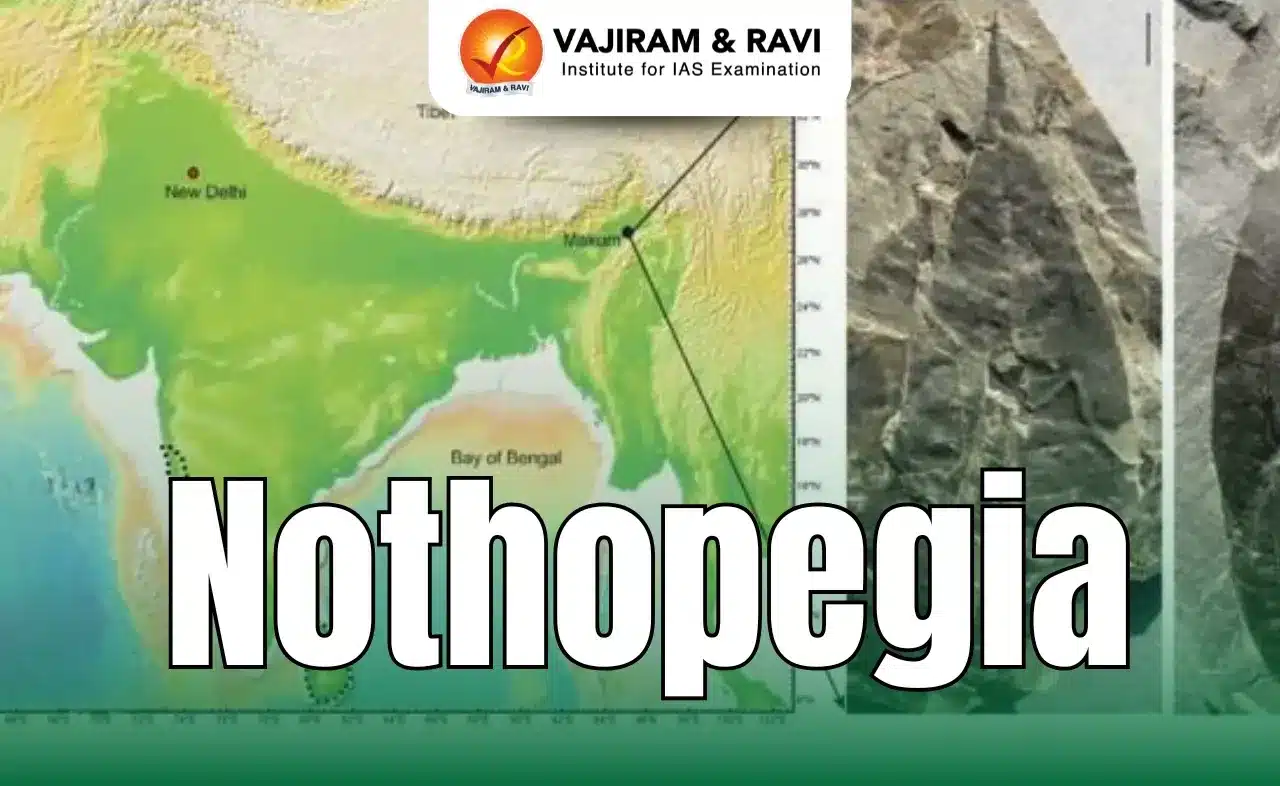
Recently, a team of researchers discovered 24-million-year-old fossilized leaves resembling modern plant species of the Nothopegia genus from Makum Coalfield of Assam.   

About Nothopegia

  • It is a genus of plants in the family Anacardiaceae.
  • The native range of this genus is Bangladesh, India, Sri Lanka.
  • At present species of this genus are found in Western Ghats region.

Key Findings of Nothopegiae

  • These fossilized leaves, dating back around 24–23 million years to the late Oligocene epoch, were the world’s oldest known fossil record of a plant genus called Nothopegia.
  • It is suggested that the ancient environment of northeast India once provided a perfect home for Nothopegia.
  • The Himalayas began their dramatic rise due to tectonic movements, bringing with them sweeping changes in temperature, rainfall, and wind patterns.
  • These geological convulsions cooled the northeast, rendering it inhospitable for many tropical plant species, including Nothopegia.
  • The species survived in the climatically stable Western Ghats, making it a living relic of an ancient ecological past.
  • Methodology used: Herbarium comparison, Cluster analysis, Climate Leaf Analysis Multivariate Program (CLAMP)

Source: PIB

Nothopegia FAQs

Q1: Where is Western Ghats located?

Ans: A chain of mountains running parallel to India's western coast the Ghats traverse the States of Kerala, Tamil Nadu, Karnataka, Goa, Maharashtra and Gujarat.

Q2: What happened in the oligocene epoch?

Ans: Global climates became cooler during the Oligocene, causing sea levels to drop.

Q3: What are the stages of the Oligocene period?

Ans: The Early Oligocene Rupelian Stage includes the interval from 34–28.5 Ma. The Late Oligocene Chattian Stage is dated between 28.5–23.8 Ma

Daily Editorial Analysis 19 June 2025

Daily Editorial Analysis

Legality of Israel's Strikes on Iran

Context:

  • In light of Israel's unprecedented military strikes against Iran, the international community faces a critical legal question—whether such acts are permissible under international law.
  • This needs to be evaluated particularly in the context of Article 2(4) and Article 51 of the UN Charter, and evolving doctrines of self-defence.

Legal Framework Governing Use of Force:

  • Prohibition under the UN Charter:
    • Article 2(4): Prohibits the use of force in international relations.
    • Article 51: Provides a narrow exception—self-defence in the event of an armed attack, governed by necessity and proportionality.
  • Defining self-defence:
    • As per international law scholar Marko Milanovic, the right to self-defence activates only when an actual armed attack occurs.
    • Since there was no direct armed attack from Iran or its proxies attributable to Iran, Israel’s current use of force lacks legal justification.

Pre-emptive and Anticipatory Self-Defence:

  • Israel’s claim of pre-emptive self-defence:
    • Israel argues that Iran’s advancement toward acquiring nuclear weapons warrants pre-emptive action to prevent existential threats.
    • This form of self-defence remains controversial and unsupported by Article 51, which requires an ongoing or imminent attack.
  • The Caroline Doctrine and conditions for pre-emptive action: Originates from the Caroline incident (1837), it sets stringent criteria:
    • Necessity must be instant, overwhelming, leaving no choice of means, and no moment for deliberation.
    • The response must be proportionate.

Interpreting 'Imminent' in International Law:

  • Two competing interpretations:
    • Restrictive/ narrow: Imminence implies an attack is about to occur—temporally proximate.
    • Expansive/ broad: Imminence can include hypothetical or distant future threats.
  • Legal preference for the narrow view:
    • Broad interpretation risks abuse by powerful states acting on conjecture (guess), contradicting the spirit and letter of the UN Charter.
    • The Caroline doctrine supports a narrow interpretation, emphasizing urgency and lack of alternatives.

Application to Israel’s Strikes:

  • Israel’s justification, based on Iran’s nuclear progress, falls under a broad and unsupported interpretation of imminence.
  • No evidence shows an immediate Iranian attack, hence the conditions for lawful anticipatory self-defence are unmet.

Importance of International Legal Norms:

  • Upholding accountability:
    • Despite its limitations, international law remains the only global framework for assessing the legitimacy of state actions.
    • Disregarding legal norms undermines global order and emboldens unilateral aggression.
  • Need for legal advocacy: Even amid violations, invoking international law is vital to hold states accountable, preserve legitimacy, and prevent impunity.

Conclusion:

  • Israel’s military strikes on Iran, lacking evidence of an imminent armed attack, do not meet the stringent criteria of lawful self-defence under international law and thus risk being classified as acts of aggression.
  • Upholding the UN Charter and established legal doctrines remains essential to preventing the erosion of global norms and deterring unilateral uses of force.

Legality of Israel's Strikes on Iran FAQs

Q1. What does Article 2(4) of the UN Charter state regarding the use of force in international relations?

Ans. Article 2(4) of the UN Charter prohibits the use of force by states in international relations, with limited exceptions like self-defence under Article 51.

Q2. Explain the principle of anticipatory or pre-emptive self-defence in international law.

Ans. Anticipatory self-defence allows a state to use force only if an armed attack is imminent, satisfying the conditions of necessity and proportionality as per the Caroline doctrine.

Q3. Why is Israel’s justification of pre-emptive self-defence against Iran considered problematic under international law?

Ans. Israel’s justification is based on a broad interpretation of imminence, which lacks support in international law and fails to demonstrate an immediate threat from Iran.

Q4. What is the significance of the Caroline doctrine in the context of the use of force?

Ans. The Caroline doctrine sets stringent criteria for lawful pre-emptive self-defence, requiring the threat to be instant, overwhelming, and leaving no room for deliberation.

Q5. Why is adherence to international law important despite its frequent violations in global conflicts?

Ans. International law remains the primary framework to ensure state accountability, legitimacy of actions, and restraint against unilateral aggression in global affairs.

Source: TH


The Real Challenges of Foreign Campuses

Context

  • The introduction of foreign university branch campuses in India, catalysed by the University Grants Commission (UGC) regulations of 2023, marks a transformative moment in the country’s higher education policy.
  • With institutions such as Australia’s Deakin University and the University of Wollongong opening in Gujarat’s GIFT City, and the University of Southampton setting up in Gurugram, India is actively inviting global academia into its fold.
  • More recently, Letters of Intent (LOIs) were issued to five more foreign institutions, reflecting growing momentum.
  • Yet, amid this enthusiasm, early signs suggest that this transition demands greater caution, strategic clarity, and deeper institutional commitment.

The Promise of Transnational Education

  • At the heart of India's move to allow foreign branch campuses lies a grand ambition: to internationalise its higher education system, attract global expertise, and offer students a cosmopolitan learning experience without having to study abroad.
  • In theorythis policy holds immense potential. By bringing in world-class curricula, pedagogical practices, and academic cultures, foreign campuses could complement domestic institutions and elevate academic standards across the board.
  • Furthermore, such campuses can create competitive pressures on Indian private universities, pushing them toward innovation, accountability, and higher quality.
  • However, the early implementation of this vision appears uneven.
  • Some of the new foreign campuses announced admissions even before disclosing fundamental academic information, including faculty details and curriculum structure.
  • This haste, while perhaps driven by optimism or market pressure, raises concerns about planning, transparency, and institutional readiness.
  • For India to truly benefit from this model, both the government and partnering institutions must focus not just on access and branding, but on the deeper layers of academic substance and sustainable impact.

Challenges in a Crowded Educational Landscape

  • Political Uncertainty
    • Globally, transnational education is undergoing a period of flux.
    • Political uncertainty in the United States, for instance, has severely affected outward-looking higher education strategies.
    • The Illinois Institute of Technology’s decision to open a campus in India, therefore, stands as an exception, not the rule.
    • Moreover, the institutions expressing interest in India are often not the top-ranked universities in their home countries.
    • In India, where elite institutions like the IITs and IIMs already command global respect and are expanding their international partnerships, these foreign entrants risk being seen as second-tier options unless they can offer something distinctly valuable.
  • Academic Identity
    • A key challenge lies in academic identity.
    • Many of these campuses focus on market-driven disciplines, business, data analytics, and computer science, which are already well-covered by high-performing Indian institutions. Without a broader academic mission or research agenda, these campuses may struggle to differentiate themselves.
    • Their narrow offerings, small scale, and often provisional infrastructures make them vulnerable to being perceived as diploma mills, institutions that confer degrees without rigorous scholarship or institutional depth.
    • In this competitive environment, branding alone cannot sustain credibility.

Overreliance on Marketing: A Troubling Trend

  • A particularly troubling development has been the heavy reliance of some foreign campuses on marketing rather than academic investment.
  • Flashy promotional campaigns, slick brochures, and strategic advertising may attract initial attention, but Indian students and parents are increasingly discerning.
  • They demand verifiable information on faculty qualifications, curriculum relevance, global linkages, and placement outcomes.
  • Marketing without substance may not only fail to convince but also damage long-term credibility.
  • university’s reputation is built not on billboards, but on consistent academic performance, student success, and meaningful engagement with the local context.
  • Additionally, the physical and social experience of campus life plays a crucial role in shaping student satisfaction.
  • The fact that many new branch campuses are operating out of rented vertical spaces strips them of the spatial identity and vibrancy typically associated with traditional university campuses.
  • true educational institution must go beyond classrooms; it must offer libraries, collaborative spaces, extracurricular avenues, and a sense of belonging.
  • This is part of the soft infrastructure that develops a genuine academic community, something few of the new campuses have prioritized so far. 

Ways Ahead to Overcome These Challenges

  • Aligning with Local Needs
    • From India’s perspective, the challenge is not simply to attract foreign institutions but to attract the right ones, institutions aligned with local aspirations and capable of long-term engagement.
    • Universities from the Global North may be motivated by revenue generation, brand extension, or international recruitment goals.
    • But unless their Indian ventures also align with domestic academic and developmental needs, these campuses will remain peripheral.
  • Focus on Regulatory and Academic Ecosystem
    • India must carefully evaluate each proposal based on several criteria: academic excellence, faculty strength, research orientation, willingness to engage with local challenges, and the ability to offer programs that genuinely complement existing Indian offerings.
    • Merely being a foreign institution should not be a qualification.
    • Moreover, India must resist the temptation to provide excessive incentives that may not yield proportionate returns.
    • Instead, it should focus on creating a regulatory and academic ecosystem that rewards quality, innovation, and public service.

Conclusion

  • The entry of foreign university campuses into India’s higher education space is both a moment of opportunity and a test of policy wisdom.
  • Done right, it can enrich India’s academic landscape, provide new learning pathways for students, and foster global partnerships.
  • Done hastily or superficially, it may undermine public trust, devalue academic integrity, and stall the broader internationalisation effort.
  • What is needed now is a measured, criteria-driven approach, one that welcomes collaboration but insists on quality, relevance, and long-term commitment.

The Real Challenges of Foreign Campuses FAQs

Q1. Which foreign universities have opened campuses in India recently?

Ans. Deakin University, the University of Wollongong, and the University of Southampton have recently opened campuses in India.

Q2. What is a major concern with new foreign campuses in India?

Ans. A major concern is that these campuses often prioritize marketing over genuine academic investment.

Q3. Why is local relevance important for foreign universities in India?

Ans. Local relevance is important because it ensures that foreign universities meet the specific educational and developmental needs of Indian students and society.

Q4. What challenge do foreign branch campuses face in India?

Ans. Foreign branch campuses face the challenge of competing with well-established Indian institutions like the IITs and IIMs.

Q5. What risks do poorly managed foreign campuses pose?

Ans. Poorly managed foreign campuses risk eroding public trust and damaging the reputation of the parent universities they represent.

Source: The Hindu


Resetting the India-U.S. Partnership in Uncertain Times

Context

  • In recent years, the India-U.S. relationship has been hailed as one of the most consequential global partnerships of the 21st century.
  • Rooted in shared democratic values and strengthened by converging geopolitical interests, the ties between the two nations have steadily deepened over the past two decades.
  • However, the current phase in bilateral relations reflects a perceptible, though not irreversible, drift.
  • Therefore, it is crucial to critically examine the causes of this drift, its manifestations, and the path forward to restore strategic trust and purpose in the relationship.

The Trajectory of India-US Ties

  • From Optimism to Unease
    • Not long ago, the trajectory of India-U.S. ties appeared to be on an upward curve.
    • Prime Minister Narendra Modi’s early engagement with President Donald Trump signalled mutual enthusiasm.
    • Bipartisan goodwill in Washington and a sense of strategic convergence in New Delhi suggested a relationship based not merely on transactional convenience but on a broader alignment of vision.
    • Both nations envisioned a future in which they could co-shape a democratic, rules-based global order.
    • Yet today, this optimism has given way to unease. While not a rupture, there is a subtle erosion of trust, marked by policy inconsistency, symbolic missteps, and a troubling return to outdated diplomatic frames.
    • The Trump administration’s decision to host Pakistan’s military chief for a state lunch, as well as the President’s hyphenated rhetoric that lumped India and Pakistan together post-Operation Sindoor, have disturbed New Delhi.
    • These signals blur the hard-earned distinction between India’s global ambitions and the India-Pakistan binary, thereby undercutting India’s strategic narrative.
  • Points of Friction
    • Several issues have emerged as irritants in the relationship.
    • On the economic front, despite celebrating the conclusion of a deal with China, President Trump reportedly discouraged Apple’s investment in India, warning of trade repercussions.
    • This undercuts India’s efforts to position itself as a manufacturing alternative in a China-plus-one strategy.
    • Immigration policy has also become contentious. The H-1B visa regime, long a linchpin of India-U.S. tech collaboration, now appears vulnerable to protectionist impulses.
    • The program’s erosion risks weakening the vibrant linkages between Silicon Valley and Indian innovation networks.
    • The most significant concern, however, lies in the U.S.'s renewed engagement with Pakistan.
    • The Pentagon’s characterisation of Pakistan as a phenomenal partner in counterterrorism, despite Pakistan’s known role in cross-border militancy, is deeply unsettling to Indian strategic thinkers.
    • It represents a relapse into Cold War-era thinking and nostalgia for a flawed yet familiar partner.

Possible Causes Behind the Strategic Drift

  • Trump’s Transactional Approach
    • The Trump administration’s deeply transactional approach prioritises short-term gains over long-term alignment.
    • India, with its civilisational strategic culture and emphasis on gradual, layered diplomacy, finds this disorienting.
    • Trump's diplomatic style, charismatic yet unpredictable, adds further complexity to bilateral dealings.
  • Overestimation of Pakistan’s Strategic Importance
    • Segments of the U.S. national security establishment continue to overestimate Pakistan’s strategic utility, especially in the Afghan context.
    • Despite evidence of duplicity, institutional inertia sustains this outdated paradigm.
  • India’s Assertion of Strategic Autonomy
    • India’s rise on the global stage has not been matched by an equivalent presence within U.S. policymaking institutions.
    • This communication gap leads to misinterpretations of India’s principled assertion of strategic autonomy as indecisiveness or fence-sitting.
    • Critics like Ashley Tellis argue that India suffers from great-power delusions, but this view underestimates the calculated patience that defines India's foreign policy and its refusal to mimic American methods.

Steps Toward Renewal of India-US Ties

  • Need for India to Avoid Reactive Diplomacy
    • To prevent the drift from becoming a deeper chasm, both nations must recalibrate. India must remain steady and avoid reactive diplomacy.
    • Despite recent irritants, the fundamentals of the relationship remain strong: defence collaboration, the Quad framework, intelligence sharing, and shared Indo-Pacific interests.
    • India should intensify behind-the-scenes engagement in Washington, using Congress, policy think tanks, and the Indian diaspora to build strategic advocacy.
  • India’s Continued Economic and Regulatory Reforms
    • Domestically, India must accelerate economic reforms, not to appease external actors but to strengthen investor confidence and manufacturing competitiveness.
    • Regulatory clarity and infrastructure modernisation are essential to attracting high-value industries.
    • On trade, modest bilateral arrangements are being explored, and must be pursued with pragmatic optimism.
    • Immigration, particularly the H-1B issue, should be reframed not as a concession to India, but as a mutual driver of innovation and technological growth.
  • US Investment in India’s Capacity Building
    • For the U.S., abandoning outdated Cold War frameworks is imperative.
    • Treating Indian manufacturing capacity or skilled labour as threats is self-defeating in a world that increasingly depends on democratic supply chains and technological partnerships.
    • If the U.S. wishes to counterbalance China effectively in the Indo-Pacific, it must invest more substantively in India’s regional capacity-building.

The Way Forward: Rediscovering Strategic Purpose

  • Above all, the India-U.S. relationship must rediscover its moral and strategic purpose.
  • This is not merely a tactical alliance against a rising China, nor simply a matter of market access. It is about co-creating a pluralistic, democratic, and rules-based global order.
  • History has shown what is possible when the two democracies act boldly. The 2005 civil nuclear deal was not just a diplomatic success; it was a profound gesture of strategic trust that defied conventional wisdom.
  • The current turbulence should not be seen as a failure, but as a necessary moment of reflection. It is an opportunity to reaffirm foundational commitments, adjust strategic postures, and renew mutual respect.
  • As noted in the introduction to Engaged Democracies, ‘The real test of the partnership is not how it behaves in moments of celebration, but how it endures in times of stress.’

Conclusion

  • The India-U.S. relationship stands at an inflection point but it has weathered past storms, post-Pokhran sanctions, disagreements over climate change, and differing visions of regional security.
  • Yet each time, it has rebounded with greater maturity and trust. The question today is not whether Trump will lose India, but whether both nations will lose sight of a generational opportunity to craft a democratic concert in Asia.
  • The answer must be a resolute no. If clarity, candour, and commitment are restored, the India-U.S. partnership can not only survive the present turbulence but emerge stronger, more purposeful, and once again, capable of making history.

Resetting the India-U.S. Partnership in Uncertain Times FAQs

Q1. What recent development signaled a drift in India-U.S. relations?

Ans. A drift became evident when the U.S. hosted Pakistan’s military chief and began speaking of India and Pakistan in the same breath, reviving outdated diplomatic framings.

Q2. Why is the H-1B visa important to India-U.S. ties?

Ans. The H-1B visa is important because it facilitates the movement of skilled Indian professionals to the U.S., strengthening technological collaboration and innovation between the two countries.

Q3. What approach does India prefer in diplomacy?

Ans. India prefers a patient, layered, and civilisational approach to diplomacy that emphasizes long-term strategic alignment over short-term gains.

Q4. What should both countries avoid in their relationship?

Ans. Both countries should avoid misinterpreting each other’s strategic intentions and falling back into Cold War-era thinking, especially in relation to Pakistan.

Q5. What is essential to revive the partnership?

Ans. To revive the partnership, both India and the U.S. must restore clarity, mutual respect, and a shared commitment to democratic values and long-term cooperation.

Source:  The Hindu

Daily Editorial Analysis 19 June 2025 FAQs

Q1: What is editorial analysis?

Ans: Editorial analysis is the critical examination and interpretation of newspaper editorials to extract key insights, arguments, and perspectives relevant to UPSC preparation.

Q2: What is an editorial analyst?

Ans: An editorial analyst is someone who studies and breaks down editorials to highlight their relevance, structure, and usefulness for competitive exams like the UPSC.

Q3: What is an editorial for UPSC?

Ans: For UPSC, an editorial refers to opinion-based articles in reputed newspapers that provide analysis on current affairs, governance, policy, and socio-economic issues.

Q4: What are the sources of UPSC Editorial Analysis?

Ans: Key sources include editorials from The Hindu and Indian Express.

Q5: Can Editorial Analysis help in Mains Answer Writing?

Ans: Yes, editorial analysis enhances content quality, analytical depth, and structure in Mains answer writing.


Captain James Cook

Captain James Cook

Captain James Cook Latest News

After 250 years, the long-lost ship of Captain James Cook, HMS Endeavour, has finally been discovered off the coast of Newport Harbour, Rhode Island.

About Captain James Cook

  • James Cook (1728-1779) was a British naval captain, navigator, and explorer. 
  • James Cook was born on October 27, 1728, in Marton, Yorkshire, England. At age 18 he became a sailor on the North Sea. While ashore, he studied mathematics.
  • In 1755 Cook joined the British Royal Navy. He was promoted quickly and took command of a ship at age 29. 
  • He took part in several battles in what is now Canada during the French and Indian War. 
  • After the war he charted the coast of Newfoundland. 
  • He sailed the seaways and coasts of Canada (1759 and 1763–67) and conducted three expeditions to the Pacific Ocean (1768–71, 1772–75, and1776–79), ranging from the Antarctic ice fields to the Bering Strait and from the coasts of North America to Australia and New Zealand.
  • In 1766 he wrote a paper about an eclipse of the Sun that won him fame as a scientific observer.
  • Three Voyages of Discovery:
    • The First Voyage:
      • In 1768 the Royal Society of London, an organization of scientists, asked Cook to lead the first scientific expedition to the Pacific Ocean. 
      • Cook’s expedition charted New Zealand. It also reached the southeastern coast of Australia in 1770. 
      • Cook named the continent New South Wales and claimed it for Great Britain. He returned to England the following year.
    • The Second Voyage: 
      • Between 1772 and 1775, Cook went around the world from west to east, seeking to discover another southern continent. 
      • Cook did not reach Antarctica, but he did become the first European to cross the Antarctic Circle. He also discovered and mapped many island groups.
    • The Third Voyage:
      • In 1776 Cook set out in search of a Northwest Passage from the Pacific to the Atlantic across the top of North America. 
      • He did not succeed, but he did become the first European to visit the Hawaiian Islands. 
      • Revisiting the islands on his way back from the Arctic, Cook was killed by Hawaiians. He died on February 14, 1779.

Source: NDTV

Captain James Cook FAQs

Q1: What is Captain James Cook most famous for?

Ans: Captain Cook is considered one of the greatest navigators and explorers of all time.

Q2: What was the main purpose of Cook’s first voyage (1768–1771)?

Ans: To lead a scientific expedition to the Pacific Ocean.

Q3: What happened to Captain James Cook?

Ans: On 14 February 1779, Captain James Cook was killed in Kealakekua Bay, Hawaii in a confrontation with the indigenous Hawaiians

Q4: Who discovered Hawaii?

Ans: Captain James Cook

Chandigarh Leads, Meghalaya Trails in School Education Rankings 2023–24

School Education Performance Index India

Performance Grading Index Latest News

  • Chandigarh has been adjudged the best performer in school education for the academic year 2023-24, as per the Performance Grading Index (PGI) 2.0 Report released by the Union Ministry of Education.

Performance Grading Index 2.0: An Overview

  • The Union Ministry of Education released the Performance Grading Index for Districts (PGI-D) 2.0 for the academic year 2023-24 on June 18, 2025. 
  • This upgraded framework assesses school education quality across States and Union Territories (UTs) on a scale of 1,000 points. 
  • It measures performance across multiple domains such as: 
    • Learning Outcomes
    • Access
    • Infrastructure
    • Equity
    • Governance, and 
    • Teacher Education
  • The PGI-D 2.0 aims to enable data-driven policymaking, promote evidence-based interventions, and encourage States/UTs to improve learning environments and outcomes in schools.

Top Performers: Chandigarh, Punjab, and Delhi

  • Chandigarh secured the highest rank this year, becoming the only State/UT placed in the fifth-highest grade, Prachesta-1, with a score of 719 out of 1,000. 
    • To attain this grade, a region must score between 701-760. The city showed balanced strength across domains such as learning outcomes, infrastructure, and equity.
  • Following Chandigarh, ten other States and UTs were placed in Prachesta-3 (scores between 581-640), including:
    • Punjab, Delhi, Gujarat, Kerala, Odisha, Goa, Haryana, Maharashtra, Rajasthan, Dadra and Nagar Haveli & Daman and Diu
  • These regions demonstrated consistent performance in indicators such as access to education, infrastructure development, and educational governance.

Bottom-Ranked and Lagging States

  • Meghalaya scored the lowest in the PGI 2.0 with 417 points and was the only State placed in the lowest performance level, Akanshi-3 (401-460 score bracket). 
  • Other States such as Bihar, Assam, Telangana, Jharkhand, Tripura, Manipur, Chhattisgarh, and the Northeastern States (Nagaland, Mizoram, Arunachal Pradesh) also performed poorly, falling into the Akanshi-2 category (scores between 461-520).
  • These States struggled primarily with issues related to student retention, basic infrastructure, and governance-related challenges.

Middle Performers and Average Scores

  • Fourteen States and UTs, including Tamil Nadu, Karnataka, West Bengal, Himachal Pradesh, and Uttar Pradesh, were placed in the Akanshi-1 category, scoring between 521-580. 
  • These regions performed moderately well but still have considerable scope for improvement, especially in learning outcomes and teacher training.

States Showing Highest Improvements

  • The PGI 2.0 also highlighted the States that made the most significant improvements over the previous year (2022-23):
    • Bihar and Telangana showed the most progress in access to education, with enhancements in student enrolment, retention rates, and transition to higher grades.
    • Delhi, Jammu & Kashmir, and Telangana made notable improvements in school infrastructure, with better availability of drinking water, electricity, clean toilets, and digital learning tools.
  • These gains demonstrate the effectiveness of targeted interventions and public investments in school systems in underperforming regions.

PGI Methodology and Grading System

  • The PGI 2.0 assigns scores based on weighted indicators. For instance, if the indicator “proficiency in Mathematics in Grade 5” carries a weightage of 20 and a State has 50% of students achieving the minimum proficiency, the score awarded is 10 (20 x 0.5). 
  • This method ensures that the quality of education is measured holistically, accounting for both outcomes and enabling conditions.
  • Despite progress, no State or UT has yet achieved the highest performance grade, Utkarsh, which requires a score above 90% (761-1,000 points). 
  • This indicates the need for accelerated reforms across the country.

Source: TH | BS

Performance Grading Index FAQs

Q1: Which State/UT topped the PGI 2.0 school education index for 2023–24?

Ans: Chandigarh secured the highest rank with a score of 719 and was placed in the Prachesta-1 grade.

Q2: What is the score range for Prachesta-1 in the PGI index?

Ans: Prachesta-1 includes States scoring between 701 and 760 out of 1,000 points.

Q3: Which States showed the most improvement in access to education?

Ans: Bihar and Telangana recorded the highest improvement in access indicators.

Q4: Which State was the lowest performer in the PGI 2.0 for 2023–24?

Ans: Meghalaya was the lowest scorer with 417 points, placing it in Akanshi-3.

Q5: How many States improved their scores in the PGI 2.0 compared to the previous year?

Ans: A total of 24 States and Union Territories improved their scores over the previous year.

India’s 2026 GDP Base Year Revision and Its Global Impact

India GDP Base Year Revision

India GDP Base Year Revision Latest News

  • The Ministry of Statistics and Programme Implementation is set to revise the base year for calculating India’s GDP from 2011-12 to 2022-23, with the updated data series to be released on February 27, 2026.
  • In addition, the base years for the Index of Industrial Production (IIP) and Consumer Price Index (CPI) will be updated to 2022-23 and 2023-24 respectively, reflecting broader efforts to align key macroeconomic indicators with current economic realities.

Rationale Behind GDP Base Year Revisions

  • The upcoming 2026 GDP base year revision will be the eighth such update in India’s economic history.
  • Purpose of Revising the Base Year
    • The primary aim of updating the GDP base year is to ensure more accurate measurement of the economy.
    • Precise GDP data is essential for policy formulation, business decisions, and broader economic analysis.
  • Complexity of GDP Estimation
  • GDP tries to capture the entire economic activity in one number, but estimating it is challenging because:
    • It must exclude the value of intermediate goods to avoid double counting.
    • GDP only includes the market value of final goods and services.
    • Even when data is available, calculations are complex; often, all required data isn't fully accurate or updated.
  • Evolving Economic Structure
    • India’s economy has transformed structurally over the decades:
      • Earlier: Predominantly agrarian economy.
      • Now: Services sector contributes over 55% to GDP; agriculture’s share has declined.
    • Estimating output in these sectors requires different data sources and methods, reflecting the economy’s changing nature.
  • Improvements in Data and Methodology
    • With better data availability and evolving global best practices, statistical methods must be revised to:
      • Expand sectoral coverage.
      • Use updated datasets.
      • Reflect new economic activities (e.g., digital economy).

Benefits of Regular Revisions in GDP Base Year and Methodology

  • Reflects Structural Changes in the Economy
    • Regular updates help capture shifts in economic composition.
    • New and emerging industries can be included, while outdated sectors can be excluded.
    • This ensures GDP calculations stay aligned with present-day realities.
  • Provides Accurate Measure of Real Growth
    • Revising the base year helps in better adjustment for inflation.
    • It improves the estimation of real GDP, which reflects actual increase in output, not just price rise.
    • This leads to a clearer picture of true economic performance, aiding policymakers and analysts.

Why the GDP Base Year Was Not Revised After 2011-12

  • Initial Plan for 2017-18 Revision
    • In 2017, the government announced plans to revise the GDP base year to 2017-18.
    • The revision was to be based on updated data from the Consumer Expenditure Survey (CES) and Periodic Labour Force Survey (PLFS).
  • Data Quality Concerns
    • Both surveys faced setbacks:
      • PLFS (2017-18) revealed 45-year high unemployment, which the government initially questioned.
      • CES (2017-18) showed a decline in consumption, suggesting rising poverty—a reversal of historical trends.
      • While PLFS was later accepted post-2019 elections, CES results were never released due to reliability concerns.
  • Policy Disruptions Made 2017-18 an Abnormal Year
    • The year 2017-18 witnessed major economic disruptions:
      • Demonetisation in November 2016.
      • GST rollout in July 2017.
    • These events contributed to a significant slowdown in GDP growth, making 2017-18 unsuitable as a representative base year.
  • COVID-19 Further Delayed the Update
    • From 2020 onwards, the COVID-19 pandemic caused severe economic disruptions.
    • As a result, subsequent years could not be considered “normal”, delaying the revision further.

Why the Upcoming GDP Revision Is Crucial for India’s Global Standing

  • Past Controversies Have Undermined Credibility
    • The last GDP revision in 2015 faced heavy criticism.
    • Experts, including former Chief Economic Advisor Arvind Subramanian, argued that India was overstating its GDP.
    • Critics pointed to discrepancies between different data sources, especially in the manufacturing sector.
  • Missed 2017-18 Revision Added to Inaccuracies
    • The failure to revise the base year in 2017-18 likely led to data inaccuracies.
    • This delay has caused methodological gaps in current GDP estimates.
  • Widening Trust Deficit in Macro Data
    • Disputes over the PLFS and CES surveys and the absence of a Census have raised concerns.
    • There are gaps in poverty and inequality data, further eroding trust in India’s macroeconomic statistics.
  • High Stakes for Credibility and Investment
    • The new GDP series will be released when India is poised to become the world’s third-largest economy (in nominal GDP).
    • As a result, global investors, institutions, and analysts will scrutinize the data more rigorously than ever.
    • The revision’s accuracy and transparency will affect:
      • Investor confidence, with billions of dollars at stake.
      • Policymaking, as reliable data is vital for effective governance.
      • India’s reputation in the global economic community.

Source: IE  |  ETN

India GDP Base Year Revision FAQs

Q1: Why is India revising its GDP base year in 2026?

Ans: To reflect structural economic changes and ensure GDP estimates align with current realities and inflation-adjusted real growth.

Q2: What is the new GDP base year for India?

Ans: India will shift the GDP base year from 2011–12 to 2022–23, with revised data released on February 27, 2026.

Q3: Why was the 2017-18 GDP base year plan dropped?

Ans: Due to poor data quality, demonetisation, GST impact, and abnormal economic disruptions during that period.

Q4: How do base year revisions benefit economic analysis?

Ans: They improve accuracy, capture new economic activities, and allow better inflation adjustments for measuring real economic growth.

Q5: Why is this revision vital for India’s global image?

Ans: It comes as India nears third-largest economy status, demanding transparent, credible data for investor confidence and global trust.

UN Oceans Conference 2025: Key Agreements, BBNJ Treaty, and Global Ocean Commitments

UN Oceans Conference 2025

UN Oceans Conference 2025 Latest News

About 2025 UN Ocean Conference

  • The third edition of UNOC (2025) focused on accelerating global action to protect oceans, especially international waters beyond national boundaries.
  • It was co-hosted by France and Costa Rica
  • Theme - “Accelerating action and mobilizing all actors to conserve and sustainably use the ocean”.
  • The Conference sought to support the implementation of Sustainable Development Goal 14 (SDG14 - Life Below Water), with three main priorities, to produce an ambitious Nice Ocean Action Plan:
    • Priority 1: Working towards completion of multilateral processes linked to the ocean
    • Priority 2: Mobilizing finance resources for the SDG14 and supporting the development of a sustainable blue economy
    • Priority 3: Strengthen and better disseminate knowledge linked to marine sciences to enhance policy-making

Biodiversity Beyond National Jurisdiction (BBNJ) Treaty

  • Adopted in 2023, BBNJ is an international agreement under the United Nations Convention on the Law of the Sea (UNCLOS) focused on conserving and sustainably using marine biodiversity in areas beyond national jurisdiction. 
  • It aimed to establish marine protected areas (MPAs) to prevent overfishing and deep-sea mining in these global commons.
  • Link to Global Biodiversity Goals
    • The conference supports the Convention on Biological Diversity, which targets protecting 30% of marine and coastal areas by 2030.
    • UNOC focuses on implementing this by pushing countries to ratify the Biodiversity Beyond National Jurisdiction (BBNJ) treaty.
  • Treaty Ratification Status
    • Though 160 countries have signed the BBNJ Treaty (High Seas Treaty), only 56 have ratified it so far.
    • The treaty requires 60 ratifications to begin a 120-day countdown before it becomes legally binding.
  • Treaty Objectives
    • Once enforced, the BBNJ treaty will:
      • Create marine protected areas beyond national jurisdiction.
      • Mandate environmental impact assessments for high-seas activities.
      • Regulate access to marine genetic resources.
      • Provide capacity-building support for developing countries.
  • India's and U.S.'s Positions
    • India has not ratified it yet but is “in the process.”
    • The United States has also not ratified the treaty.
  • Future Outlook
    • The UN anticipates 70 ratifications by September 2025.
    • Plans are in place to host the first BBNJ Conference of Parties (COP) — similar to climate COPs — in late 2026.

Key Hurdles to the Biodiversity Beyond National Jurisdiction (BBNJ) Treaty

  • Disputes Over Benefit Sharing
    • The most contentious issue is how to share commercial benefits from marine genetic resources found in the high seas.
    • These areas lie beyond national jurisdiction, making it difficult to establish ownership or profit-sharing mechanisms.
  • Lack of Consensus on Extraction
    • While extracting exotic marine life is technically challenging, there’s no clear global agreement on regulating such activities.
    • Environmental groups argue that without a ban or strict controls on extraction, the treaty’s conservation goals will be undermined.
  • Risk to Ocean Ecosystems
    • Critics warn that continued or unregulated extraction poses a serious threat to ocean health and biodiversity, defeating the treaty’s purpose.

Key Achievements of the United Nations Oceans Conference (UNOC)

  • Major Financial Commitments
    • The European Commission pledged €1 billion for ocean conservation, sustainable fishing, and marine science.
    • Germany announced a €100 million programme to clear old munitions from the Baltic and North Seas.
    • New Zealand committed $52 million to support ocean governance in the Pacific Islands.
      Italy allocated €6.5 million to improve marine surveillance and protection.
    • Canada contributed $9 million to the Ocean Risk and Resilience Action Alliance for climate resilience in vulnerable coastal regions.
  • Expansion of Marine Protected Areas
    • French Polynesia pledged to establish the world’s largest marine protected area, covering its entire exclusive economic zone (~5 million sq. km).
    • Spain committed to creating five new marine protected areas, aiming to protect 25% of its marine territory.
  • New Global Coalitions and Initiatives
    • The High Ambition Coalition for a Quiet Ocean was launched by 37 countries, led by Panama and Canada, to combat ocean noise pollution.
    • A UN agency collective initiated the One Ocean Finance process to mobilize funding from blue economy sectors.

Source: TH | UNESCO

UN Oceans Conference 2025 FAQs

Q1: What is the BBNJ Treaty?

Ans: An international agreement to protect marine biodiversity in international waters through protected areas, impact assessments, and benefit sharing.

Q2: Why is the BBNJ Treaty important?

Ans: It protects global commons from overfishing, deep-sea mining, and unregulated exploitation, promoting equitable benefit sharing.

Q3: What were the major financial pledges at UNOC?

Ans: EU, Germany, New Zealand, Canada, and others pledged over €1 billion for ocean science, governance, and conservation.

Q4: What are key challenges to the BBNJ Treaty?

Ans: Disputes over profit-sharing, lack of extraction regulation, and threats to biodiversity from commercial marine exploitation.

Q5: What are the priorities for the 2025 Ocean Conference?

Ans: Completing global treaties, financing the blue economy, and enhancing marine science for effective policy-making.

Enquire Now