Difference Between Nagara and Dravidian Style of Temple Architecture

Difference Between Nagara and Dravidian Style of Temple Architecture

The difference in between the Nagara Style and Dravidian Style Temple Architecture helps us understand the Indian art and culture better. While Nagara Style of temple architecture belongs to North India, the Dravidian Style of architecture belonged to South India.  Nagara and Dravadan Architecture of temples both come from early Panchayatan style of architecture. In this article we are going to cover the differences in between Nagara and Dravidian Style of Architecture. 

Difference in Between Nagara and Dravidian Style of Temple Architecture

The differences in between Nagara and Dravidian Style of Temple Architecture are: 

Nagara Style of Temple Architecture Dravidian Style of Temple Architecture

Temples located in Northern India are classified as Nagara Style.

Temples located in Southern India are classified as Dravidian Style 

Nagara Style has multiple Shikharas

The Dravidian style has 1 single Shikhara.

In Nagara Style, there are multiple towers

In Dravidian Style, it is always a single tower.

In Nagara Style, Central Tower is Curvilinear in shape

In Dravidian Style, Central Tower is shaped like a Pyramid

In Nagara style, the most prominent element is the Shikhara

In Dravidian Style, the most prominent element is the Gopuram.

In Nagara Style, at the entrance of Sanctum Sanctorum; Ganga and Yamuna rivers are depicted in personified form

In Dravidian Style, the entrance has Dwarapalas.

In Nagara style, there is not much importance given to the temple boundaries

In this style, temple boundaries are given high importance

In Nagara style, pedestals are higher than the ground.

Pedestals are at ground level in the Dravidian Style.

In Nagara Style, deities are inside

In Dravidian Style, deities are outside.

Nagara Style fo Temple Architecture

The Nagara style is the predominant form of temple architecture in northern India, developed between the 5th and 12th centuries CE. This style is easily recognizable by its curvilinear shikhara (tower) that rises vertically above the sanctum (garbhagriha). Unlike the Dravidian style of the south, Nagara temples typically do not have boundary walls or elaborate gateways (gopurams). The sanctum is often preceded by one or more pillared halls known as mandapas.

A distinctive feature is the amalaka, a ribbed circular stone disk crowning the shikhara, which is usually topped by a kalasha (finial). Temples follow a square ground plan and are richly decorated with intricate sculptures and carvings on the walls and pillars, depicting deities, celestial beings, and daily life.

The Nagara style is divided into three major sub-schools based on region:

  • Odisha School (e.g., Konark Sun Temple, Lingaraja Temple)
  • Central Indian School (e.g., Khajuraho temples)
  • Western Indian School (e.g., Modhera Sun Temple, Dilwara Jain Temples)

This architectural style not only reflects the spiritual ethos and symbolism of Hinduism but also showcases the refined artistry and engineering skill of ancient India, making it a cornerstone of India’s temple heritage.

Dravidian Style of Temple Architecture

The Dravidian style of temple architecture flourished in southern India, primarily in the Tamil Nadu, Andhra Pradesh, Karnataka, and Kerala regions. Originating during the Pallava dynasty (7th century CE) and reaching its zenith under the Cholas, Vijayanagar rulers, and Nayakas, this style is characterized by its pyramidal vimana (temple tower) built directly above the garbhagriha (sanctum sanctorum).

One of its most defining features is the gopuram, a monumental, ornate gateway tower at the temple entrance, which often becomes taller than the vimana itself in later periods. Dravidian temples are enclosed within compound walls and include multiple prakaras (concentric enclosures) and mandapas (pillared halls) for various rituals and gatherings.

Temples are richly adorned with intricate stone carvings depicting mythological stories, deities, dancers, and flora-fauna motifs. Large temple tanks (pushkarini) and chariot streets are often part of the temple complex.

Prominent examples of Dravidian architecture include:

  • Brihadeeswara Temple, Thanjavur (Chola)
  • Meenakshi Temple, Madurai (Nayaka)
  • Shore Temple, Mahabalipuram (Pallava)
  • Virupaksha Temple, Hampi (Vijayanagar)

The Dravidian style represents not only a unique architectural aesthetic but also a living tradition deeply woven into the ritualistic, cultural, and social fabric of southern India.

Difference Between Nagara and Dravidian Style of Temple Architecture FAQs

Q1: What is the difference between north and south temple architecture?

Ans: North Indian (Nagara) temples have curvilinear shikharas, while South Indian (Dravidian) temples feature pyramidal vimanas and towering gopurams.

Q2: What are the features of Dravidian Style of temple architecture?

Ans: Dravidian temples have pyramidal vimanas, ornate gopurams, enclosed walls, mandapas, and temple tanks.

Q3: What are the three styles of temple architecture?

Ans: The three styles are Nagara (North), Dravida (South), and Vesara (a hybrid of both).

Q4: Which style mixes Nagara and Dravida features?

Ans: Vesara style blends elements of both Nagara and Dravidian architecture.

Q5: What is the main difference between the Nagara and Dravida style of temple design?

Ans: The Nagara style has beehive-shaped shikharas with no boundary walls, while Dravida style features stepped pyramidal vimanas within walled enclosures.


Yellow Revolution in India, History, Objectives, Impact, Present Status

Yellow Revolution

The Yellow Revolution refers to a period in Indian agriculture (primarily 1986–1987) marked by a concerted effort to increase the production of oilseeds. The goal was to reduce dependency on imports of edible oils. The major oilseeds targeted included mustard, groundnut, soybean, sunflower, safflower, sesame, linseed, castor, and niger.

Sam Pitroda, a renowned telecom engineer and policy maker, is known as the Father of Yellow Revolution in India. He led the technological push that enabled this transformation. Under his guidance, the Oilseeds Technological Mission (OTM) was launched in 1986.

Why Was the Yellow Revolution Needed?

By the early 1980s, India was a major importer of its edible oil needs. Domestic production was not enough. Several issues including traditional methods of cultivation, low-yielding varieties, poor storage infrastructure, and pests that often decimated crops.

The over dependence on foreign imports was draining foreign exchange and creating economic vulnerability. The need to increase domestic oilseed production became both an agricultural and economic imperative. Hence, the Yellow Revolution.

Yellow Revolution History

The groundwork for this shift began with the launch of the Technology Mission on Oilseeds (TMO), initiated by then Prime Minister Rajiv Gandhi. This mission was structured, time-bound, and scientific, a break from past fragmented efforts. It had one job, transforming oilseed production using improved seeds, better practices, and institutional support.

Some of the critical components that formed the backbone of this effort:

  • Introduction of high-yielding varieties of oilseed crops.
  • Better access to irrigation, pesticides, and fertilizers.
  • Financial incentives, including minimum support prices.
  • Creation of oilseed-specific cooperatives.
  • Stronger linkages between research institutions and farmers.

Yellow Revolution Objectives

  1. Reduce edible oil imports by scaling domestic production.
  2. Push modern agronomic practices and technologies.
  3. Create co-operatives, provide technical training, and ensure fair prices.
  4. Make oilseed farming viable and profitable, especially in semi-arid and rain-fed regions.
  5. Enhance post-harvest handling to reduce wastage.

Yellow Revolution Features

By 1995, India’s oilseed production had nearly doubled from about 12 million tonnes in 1986 to around 24 million tonnes. Cultivated land expanded to over 26 million hectares. Thousands of oilseed societies involving lakhs of farmers were formed. Some of the other major Yellow Revolution Features includes:

  • Oilseed Technology Mission (OTM) focused on increasing yields through hybrid seeds and scientific cultivation.
  • Institutions like the National Dairy Development Board (NDDB) and the National Oilseeds and Vegetable Oils Development Board (NOVOD) were supporting in. NDDB was especially instrumental in setting up oilseed cooperatives, modeled after the dairy movement.
  • Farmers received free or subsidized inputs like fertilizers, pesticides, irrigation equipment, and extension services.
  • The government ensured procurement support and improved logistics like warehousing and transportation.
  • While several oilseeds were promoted, special focus was on mustard, groundnut, soybean, and sunflower.

Yellow Revolution Impact

The success of the Yellow Revolution in India can be attributed to multiple key focus areas that worked in tandem to boost oilseed production and transform rural agriculture. From technological advancements to policy reforms and increased socio-economic inclusion, especially of women, each component played a crucial role in shaping a self-sufficient oilseed economy. The table below outlines Yellow Revolution Impact on India’s agricultural landscape.

Yellow Revolution Impact
Key Success Area Description

Increased Production

Significant rise in oilseed output, especially in Gujarat, Rajasthan, MP, and Punjab; improved yield via hybrid seeds and better techniques.

Socio-Economic Boost

Elevated rural incomes; reduced regional disparities where modern methods were embraced.

Policy Changes

Introduced mission-mode agricultural policy with defined goals, deadlines, and accountability, shaping future reforms.

Technological Adoption

Farmers adopted scientific methods, irrigation, crop rotation, and pest management, improving efficiency and sustainability.

Women in Agriculture

Enhanced female participation in mustard and other oilseed farming; rise in women's involvement in agricultural cooperatives and rural economic roles.

Yellow Revolution Challenges

  • Oilseed crops are sensitive to diseases and pests. A bad year could wipe out entire yields.
  • Many oilseeds are grown in rain-fed or semi-arid areas, which limits productivity.
  • After the initial push, research and extension activities slowed down in many regions.
  • While production increased in the 1990s, the momentum wasn’t sustained. By the 2000s, India was again importing a significant share of its edible oil, nearly 60% by 2019.
  • Despite higher yields, a lot of post-harvest losses occurred due to poor storage and processing.

Yellow Revolution Present Situation

Fast forward to the 2020s. India still imports the bulk of its edible oil from countries like Malaysia, Brazil, Indonesia, and Argentina. Despite the gains of the Yellow Revolution, domestic production hasn't kept pace with population growth and rising consumption.

There are several reasons for this:

  • Expansion of oilseed cultivation has hit a ceiling. There’s limited arable land left.
  • Climate change has worsened growing conditions.
  • Farmers often find growing cereals or cash crops more profitable.
  • Inadequate investment in oilseed R&D and extension services.

Yellow Revolution Future Expectations

  1. Revive Farmer Co-operatives as these were the backbone of the first revolution. They need to be reactivated and modernized.
  2. Public-Private Partnerships as private players can bring in scale, innovation, and export market access.
  3. Promote Processing Infrastructure by Modernising cold chains, storage, and small-scale oil mills.
  4. Educate Farmers, Train them on sustainable practices, market trends, and diversification strategies.
  5. Policy Stability includes Ad-hoc export bans or import tariff changes hurt farmer morale.

Yellow Revolution FAQs

Q1: What is the Yellow Revolution in India?

Ans: The Yellow Revolution refers to the rapid increase in the production of edible oilseeds in India, especially mustard and sunflower, during the 1980s and 1990s.

Q2: Who is known as the Father of the Yellow Revolution in India?

Ans: Sam Pitroda is credited as the Father of the Yellow Revolution in India due to his role in promoting oilseed production through technological and policy interventions.

Q3: Why was the Yellow Revolution launched?

Ans: It aimed to reduce India’s dependence on edible oil imports by boosting domestic production through high-yielding varieties, better farming practices, and oilseed-focused policies.

Q4: Which crops are associated with the Yellow Revolution?

Ans: Mustard, sunflower, soybean, groundnut, and safflower are the key crops linked with the Yellow Revolution.

Q5: What are the key components of the Yellow Revolution?

Ans: The revolution involved improved seed quality, irrigation facilities, extension services, minimum support prices (MSP), and the launch of programs like the Technology Mission on Oilseeds (TMO).

Silent Valley Movement, History, Significance, Outcome

Silent Valley Movement

Silent Valley Movement was introduced in late 1970s and early 1980s which was an environmental campaign focusing on protecting the Silent Valley. It focused on protecting the  dense, untouched tropical rainforest in Kerala’s Palakkad district from being submerged due to a proposed hydroelectric project. Rich in biodiversity and home to rare species like the lion-tailed macaque, the forest was under threat from development that would have permanently damaged the ecosystem.

The movement began in 1973, when environmentalists, scientists, writers, and local communities came together to oppose the hydroelectric project. Their efforts eventually led to the cancellation of the dam and the declaration of Silent Valley as a national park in 1984. 

Silent Valley Movement About

The Silent Valley Movement was an environmental protest launched in 1973 against the proposed hydroelectric dam on the Kunthipuzha River, which flows through the Silent Valley in the Palakkad District of Kerala. The area is part of the Western Ghats, one of the world’s eight "hottest hotspots" of biological diversity. The plan was simple but destructive, to build a dam to generate hydroelectricity by submerging large sections of the forest. But environmentalists, scientists, students, poets, and locals knew the value of the Silent Valley.

Silent Valley Movement History

  1. The origins of the Silent Valley Movement lie in the 1970s, when the Kerala State Electricity Board (KSEB) proposed a hydroelectric project to meet the state’s rising power demands. The plan involved damming the Kunthipuzha River, which would have submerged over 8 square kilometers of pristine rainforest.
  2. In 1973, the Kerala Sastra Sahitya Parishad (KSSP), a science and environment advocacy group, raised the alarm. They published a report detailing the ecological destruction the project would cause.
  3. The momentum grew in 1976, when researchers led by M.K. Prasad documented the presence of the endangered Lion-tailed Macaque in the Silent Valley. The macaque became a symbol of the fragile ecosystem under threat.
  4. As national and international pressure increased, the Government of India eventually stepped in. In 1980, then Prime Minister Indira Gandhi intervened and ordered a termination of the project. After years of sustained advocacy, Silent Valley was officially declared a National Park in 1984 and inaugurated in 1985.

Silent Valley Movement Participants

The Silent Valley Movement brought together an exceptional coalition of activists, scientists, and organizations. Some of the key contributors were:

Silent Valley Movement Participants
S.No Name Role/Contribution

1

Kerala Sastra Sahitya Parishad (KSSP)

Led grassroots public education, mobilization, and scientific awareness

2

Silent Valley Samrakshana Samithi (SVSS)

Coordinated local protests and unified activists, students, and villagers

3

Kerala Forest Research Institute (KFRI)

Conducted biodiversity studies and flagged ecological threats of the project

4

World Wildlife Fund (WWF)

Provided global attention, support, and international funding

5

Dr. Salim Ali

Eminent ornithologist; opposed the project and advocated for wildlife conservation

6

Dr. Madhav Gadgil

Ecologist who lent scientific credibility; later led Western Ghats Ecology Panel

7

Sugathakumari

Poet-activist; her poem Marathinu Stuthi became an emotional symbol of the protest

Silent Valley Movement Significance

  1. Silent Valley includes over 1000 species of flowering plants, 128 species of butterflies, and many endemic animals like the Lion-tailed macaque. The movement protected this eco system
  2. The Silent Valley Movement success led to the formation of India’s first National Committee on Environmental Planning and Coordination (NCEPC) and later, the Environmental Protection Act, 1986.
  3. Silent Valley Movement was one of India’s first movements where common people, especially youth and intellectuals, understood the link between ecology and development.
  4. Movements like the Narmada Bachao Andolan, Appiko Movement, and Chipko Movement drew inspiration from Silent Valley’s peaceful yet impactful approach.
  5. It brought attention to the indigenous communities living in harmony with nature and helped prevent their displacement.

Silent Valley Movement Conservation

As a tropical evergreen rainforest Silent Valley, it is home to rare flora and fauna, including the endangered lion-tailed macaque. Recognising its ecological importance, the area was declared a National Park in 1984, ensuring that commercial activities and large-scale development projects are strictly prohibited.

  • Conservation of species like the Lion-tailed macaque, Nilgiri tahr, and Malabar civet.
  • Active prevention of illegal logging, fire outbreaks, and soil erosion.
  • Limited access for eco-tourists with strict guidelines to ensure minimal disruption.
  • Continued biodiversity documentation by the Kerala Forest Department and scientific institutes.
  • Designated as part of the UNESCO World Heritage Site, the park falls under the protected eco-sensitive zone.

Silent Valley Movement Result

  1. The Silent Valley Movement successfully stopped the construction of a hydroelectric dam that would have flooded the Silent Valley rainforest.
  2. Its success led to the declaration of Silent Valley as a National Park in 1984, granting it strong legal protection and making it a vital sanctuary for endangered species and rare plant life.
  3. The campaign played a key role in shaping India’s early environmental policies. It brought ecological concerns into national discourse and pushed policymakers to consider sustainability in development planning.
  4. The Silent Valley Movement drew attention both nationally and internationally. It became a model for environmental activism and inspired similar conservation efforts in other parts of the world.
  5. Beyond ecology, the campaign also safeguarded the rights of indigenous communities living in the region. It prevented their displacement and encouraged sustainable, community-led livelihoods.
  6. With its rich biodiversity, Silent Valley National Park has become a crucial hotspot for conservation efforts and ecological research in India.
  7. The movement sparked widespread public engagement with environmental issues, making more people aware of the value of protecting forests and natural habitats.
  8. It underscored the importance of balancing growth with ecological responsibility, laying the groundwork for India’s shift toward sustainable development.
  9. The Silent Valley Movement demanded greater transparency and accountability in decisions involving public resources and environmental impact.
  10. It empowered local communities and grassroots groups to stand up for their environment and actively participate in shaping decisions that affect their land and future.

Silent Valley Movement FAQs

Q1: What was the Silent Valley Movement?

Ans: It was an environmental movement launched in Kerala to prevent the construction of a hydroelectric dam in the Silent Valley rainforest.

Q2: Where is Silent Valley located?

Ans: It is in the Palakkad district of Kerala, in the Nilgiri Hills of the Western Ghats.

Q3: Who led the Silent Valley Movement?

Ans: It involved groups like KSSP, SVSS, scientists like Dr. Salim Ali, and activists like Sugathakumari.

Q4: Why was the Silent Valley important?

Ans: It harbors rich biodiversity, including endemic and endangered species, and is a tropical evergreen rainforest.

Q5: What was the government’s response to the movement?

Ans: In 1980, Indira Gandhi halted the project, and in 1984, the Silent Valley was declared a National Park.

Oscar Award 2025, Winners List, 97th Academy Awards Nominees

Oscar Award

The Oscar 2025 is the 97th Academy Awards, celebrating the finest achievements in filmmaking for the year 2024. The prestigious event took place at the Dolby Theatre in Hollywood, Los Angeles, on Sunday, March 2, 2025. The winners across various categories, including Best Picture, Best Director, Best Actor, Best Actress, and Supporting roles, have been officially announced. Keep reading the article to discover the List of Oscar Nominations 2025.

Oscar Awards 2025

The Academy Award of Merit, commonly known as the Oscar, is the highest recognition in the film industry which is presented by the Academy of Motion Picture Arts and Sciences (AMPAS), it honors excellence across multiple filmmaking disciplines, including acting, directing, writing, cinematography, and production. Known worldwide, winning an Oscar is a prestigious achievement that can greatly influence an artist’s career.

Oscar Awards 2025 Winner List

The 97th Academy Awards (Oscars 2025) honored excellence in filmmaking, recognizing outstanding performances, direction, and cinematic achievements. Adrien Brody was awarded Best Actor, while Mikey Madison with the Best Actress title. Anora claimed the Best Picture award. Here is the complete Oscar Awards 2025 Winner List:

Oscar Awards 2025 Winner List
Category Winner Film

Actor in a Leading Role

Adrien Brody

The Brutalist

Actor in a Supporting Role

Kieran Culkin

A Real Pain

Actress in a Leading Role

Mikey Madison

Anora

Actress in a Supporting Role

Zoe Saldaña

Emilia Pérez

Animated Feature Film

Flow

Gints Zilbalodis, Matīss Kaža, Ron Dyens, and Gregory Zalcman

Animated Short Film

In the Shadow of the Cypress

Shirin Sohani and Hossein Molayemi

Cinematography

The Brutalist

Lol Crawley

Costume Design

Wicked

Paul Tazewell

Directing

Anora

Sean Baker

Documentary Feature Film

No Other Land

Basel Adra, Rachel Szor, Hamdan Ballal, and Yuval Abraham

Documentary Short Film

The Only Girl in the Orchestra

Molly O'Brien and Lisa Remington

Film Editing

Anora

Sean Baker

International Feature Film

Brazil

I'm Still Here

Makeup and Hairstyling

The Substance

Pierre-Olivier Persin, Stéphanie Guillon, and Marilyne Scarselli

Music (Original Score)

The Brutalist

Daniel Blumberg

Music (Original Song)

El Mal

Emilia Pérez (Music by Clément Ducol and Camille; Lyric by Clément Ducol, Camille, and Jacques Audiard)

Best Picture

Anora

Alex Coco, Samantha Quan, and Sean Baker (Producers)

Production Design

Wicked

Nathan Crowley (Production Design); Lee Sandales (Set Decoration)

Live Action Short Film

I'm Not a Robot

Victoria Warmerdam and Trent

Sound

Dune: Part Two

Gareth John, Richard King, Ron Bartlett, and Doug Hemphill

Visual Effects

Dune: Part Two

Paul Lambert, Stephen James, Rhys Salcombe, and Gerd Nefzer

Writing (Adapted Screenplay)

Conclave

Screenplay by Peter Straughan

Writing (Original Screenplay)

Anora

Written by Sean Baker

Indian Oscar Winners List

At the 97th Academy Awards, no Indian film secured an Oscar. However, the Indian short film Anuja, produced by Priyanka Chopra, Guneet Monga, and Mindy Kaling, earned a nomination in the Best Live Action Short Film category. Despite its recognition, the award ultimately went to I'm Not a Robot by Victoria Warmerdam. In past years, India has achieved notable success at the Oscars, winning prestigious awards in various categories:

Indian Oscar Winners
Year Award Category Winners Film/Work

1983 (55th Academy Awards)

Best Costume Design

Bhanu Athaiya

Gandhi

1992 (Honorary Award)

Honorary Award

Satyajit Ray

Lifetime Contributions to Cinema

2009 (81st Academy Awards)

Best Original Score

A.R. Rahman

Slumdog Millionaire

2009 (81st Academy Awards)

Best Original Song

A.R. Rahman & Gulzar

"Jai Ho" from Slumdog Millionaire

2009 (81st Academy Awards)

Best Sound Mixing

Resul Pookutty

Slumdog Millionaire

2023 (95th Academy Awards)

Best Original Song

M.M. Keeravani & Chandrabose

"Naatu Naatu" from RRR

2023 (95th Academy Awards)

Best Documentary Short Subject

Kartiki Gonsalves & Guneet Monga

The Elephant Whisperers

List of Oscar Nominations 2025

Best Picture

  1. Anora
  2. The Brutalist
  3. A Complete Unknown
  4. The Substance
  5. Wicked
  6. Conclave
  7. Dune: Part Two
  8. Emilia Pérez
  9. I’m Still Here
  10. Nickel Boys

Best Actor

  1. Adrien Brody (The Brutalist)
  2. Timothée Chalamet (A Complete Unknown)
  3. Ralph Fiennes (Conclave)
  4. Sebastian Stan (The Apprentice)
  5. Colman Domingo (Sing Sing)

Best Actress

  1. Cynthia Erivo (Wicked)
  2. Mikey Madison (Anora)
  3. Demi Moore (The Substance)
  4. Fernanda Torres (I’m Still Here)
  5. Karla Sofía Gascón (Emilia Pérez)

Best Supporting Actress

  1. Monica Barbaro (A Complete Unknown)
  2. Felicity Jones (The Brutalist)
  3. Isabella Rossellini (Conclave)
  4. Ariana Grande (Wicked)
  5. Zoe Saldaña (Emilia Pérez)

Best Supporting Actor

  1. Edward Norton (A Complete Unknown)
  2. Guy Pearce (The Brutalist)
  3. Jeremy Strong (The Apprentice)
  4. Yura Borisov (Anora)
  5. Kieran Culkin (A Real Pain)

Best Director

  1. Coralie Fargeat (The Substance)
  2. James Mangold (A Complete Unknown)
  3. Jacques Audiard (Emilia Pérez)
  4. Sean Baker (Anora)
  5. Brady Corbet (The Brutalist)

Best Adapted Screenplay

  1. A Complete Unknown – Jay Cocks and James Mangold
  2. Conclave – Peter Straughan
  3. Nickel Boys – RaMell Ross and Joslyn Barnes
  4. Sing Sing – Clint Bentley and Greg Kwedar
  5. Emilia Pérez – Jacques Audiard

Best Original Screenplay

  1. Anora – Sean Baker
  2. The Brutalist – Brady Corbet and Mona Fastvold
  3. September 5 – Moritz Binder, Tim Fehlbaum, Alex David
  4. The Substance – Coralie Fargeat
  5. A Real Pain – Jesse Eisenberg

Best Original Song

  1. Never Too Late – Elton John: Never Too Late
  2. Like A Bird – Sing Sing
  3. The Journey – The Six Triple Eight
  4. El Mal – Emilia Pérez
  5. Mi Camino – Emilia Pérez

Best Original Score

  1. The Brutalist
  2. Conclave
  3. Wicked
  4. The Wild Robot
  5. Emilia Pérez

Best International Feature

  1. I’m Still Here (Brazil)
  2. The Girl with the Needle (Denmark)
  3. Flow (Latvia)
  4. Emilia Pérez (France)
  5. The Seed of the Sacred Fig (Germany)

Best Animated Feature

  1. Flow
  2. Inside Out 2
  3. Wallace & Gromit: Vengeance Most Fowl
  4. The Wild Robot
  5. Memoir of a Snail

Best Documentary Feature

  1. Black Box Diaries
  2. Soundtrack to a Coup d’Etat
  3. No Other Land
  4. Porcelain War
  5. Sugarcane

Best Live Action Short Film

  1. Anuja
  2. The Last Ranger
  3. A Lien
  4. The Man Who Could Not Remain Silent
  5. I’m Not a Robot

Best Animated Short Film

  1. Beautiful Men
  2. Magic Candies
  3. Wander to Wonder
  4. Yuck!
  5. In the Shadow of the Cypress

Oscar Award 2025 FAQs

Q1: Where are the Oscars held in 2025?

Ans: The 97th Academy Awards ceremony, presented by the Academy of Motion Picture Arts and Sciences (AMPAS), took place on March 2, 2025, at the Dolby Theatre in Hollywood, Los Angeles.

Q2: Who won the Oscars in 2025?

Ans: Sean Baker won four Oscars for Anora at the 97th Academy Awards, matching Walt Disney’s record for the most wins by one person in a year.

Q3: Which movies are up for Oscars in 2025?

Ans: The list includes, Anora, The Brutalist, A Complete Unknown, The Substance, Wicked,  Conclave, Dune: Part Two, Emilia Pérez, I’m Still Here, Nickel Boys.

Q4: What are the new Oscar rules for 2025?

Ans: up to three composers will be allowed to get individual statuettes. 

Q5: Who presents the Oscars in 2025?

Ans: Dave Bautista, Harrison Ford, Gal Gadot, Andrew Garfield, Samuel L.

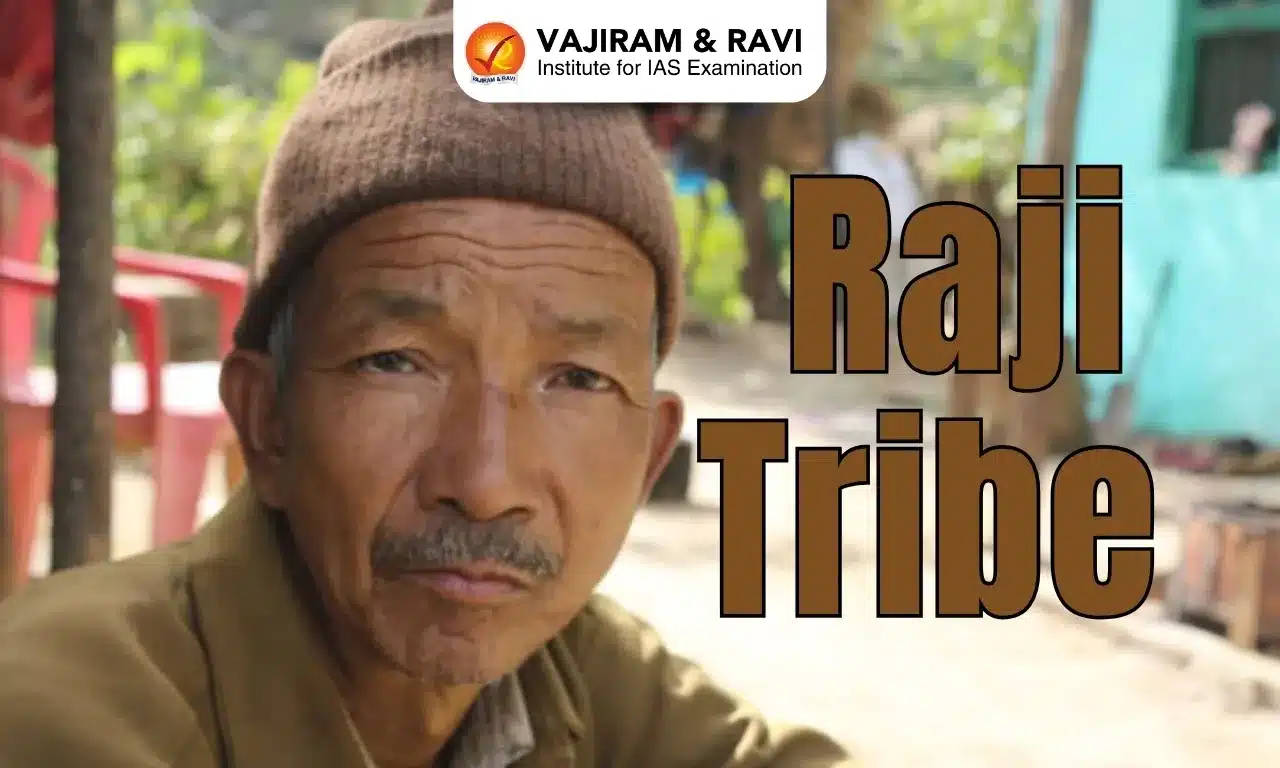
Raji Tribe

Raji Tribe

Raji Tribe Latest News

In Khetar Kanyal, a village dominated by the Raji tribe in Uttarakhand’s Pithoragarh district, the absence of a female candidate for the village head (pradhan) reveals a deeper crisis.

About Raji Tribe

  • The Raji tribe is a small indigenous community from the Kumaon region of Uttarakhand, India, and parts of western Nepal.
  • The Raji tribe is one of the smallest tribes of India.
  • They reside primarily in the remote areas of Uttarakhand’s Pithoragarh district.
  • They are also called "Banrawats," "Ben-Manus", and "cave dwellers." 
  • They are classified as a Particularly Vulnerable Tribal Group (PVTG).
  • Traditionally forest dwellers and cave dwellers, they speak the Tibeto-Burman language Bat-Kha.
  • Livelihood
    • They work as gatherers, collecting honey from bee-hives, fishing, and hunting. 
    • In recent decades, many have shifted to agriculture, with rice, maize, and barley being the staple crops. 
    • In addition to agriculture, the Rajis are skilled in various handicrafts, including weaving and basketry
  • Religion: They worship Hindu gods, and they worship nature. 
  • Social Organization:
    • The Raji tribe has a well-defined social structure, with elders playing a crucial role in decision-making and conflict resolution. 
    • The community is organized into clans, each with its customs and traditions. 
    • Panchayats (local councils) are responsible for maintaining social harmony and addressing issues within the community.
  • Housing and Architecture:
    • The traditional homes of the Rajis are constructed using locally available materials like wood, stone, and mud.
    • These houses are designed to withstand the harsh climatic conditions of the region and are typically built on elevated platforms to protect against floods and wild animals.

Source: OLI

Raji Tribe FAQs

Q1: Which state is Raji tribe in?

Ans: Uttarakhand

Q2: What is another name for the Raji tribe?

Ans: Banrawats

Q3: In which district of Uttarakhand do the Rajis primarily reside?

Ans: Pithoragarh

Q4: What language is traditionally spoken by the Raji tribe?

Ans: They speak the Tibeto-Burman language Bat-Kha.

Exercise Prachand Shakti

Prachand Shakti

Exercise Prachand Shakti Latest News

In a major step towards battlefield modernisation, the Ram Division of the India Army conducted a high-impact demonstration titled 'Prachand Shakti' .

About Exercise Prachand Shakti

  • It was conducted by the Indian Army at the Kharga Corps Field Training Area, in Uttar Pradesh's Meerut.
  • The exercise focused on the employment of disruptive technologies by infantry units in Strike Corps operations, showcasing the Army's technological transformation in real-time combat scenarios.
  • The core objective of the event was to demonstrate how such disruptive technologies can significantly enhance the agility, lethality, and survivability of infantry formations engaged in deep offensive missions conducted by Strike Corps.
  • This event highlighted the changing dynamics of warfare, where Unmanned Aerial Vehicles (UAVs), AI-enabled systems, loitering munitions, and autonomous platforms are playing a pivotal role in redefining operational capabilities.
  • This demonstration was part of the Indian Army's broader initiative under the 'Year of Tech Absorption', aimed at integrating indigenous and advanced technological solutions from civilian innovators into military operations.

Source: NDTV

Exercise Prachand Shakti FAQs

Q1: Where was Exercise Prachand Shakti conducted?

Ans: Meerut, Uttar Pradesh

Q2: What was the primary focus of Exercise Prachand Shakti?

Ans: Use of disruptive technologies in Strike Corps operations.

Q3: Exercise Prachand Shakti was part of which broader Indian Army initiative?

Ans: It was part of the Indian Army's broader initiative under the 'Year of Tech Absorption'.

European Free Trade Association (EFTA)

European Free Trade Association

European Free Trade Association Latest News

The Union Minister of Commerce and Industry recently said the Free Trade Agreement (FTA) between India and the four-nation European bloc ‘European Free Trade Association’ (EFTA), will be implemented from 1st October.

About European Free Trade Association

  • It is an intergovernmental organisation established in 1960 by the Stockholm Convention.
  • Objective: Promotes free trade and economic integration between its members within Europe and globally.
  • Member Countries: 
    • There were 7 founding countries: Austria, Denmark, Norway, Portugal, Sweden, Switzerland,  and the United Kingdom (UK). 
    • They were joined in 1970 by Iceland, in 1986 by Finland, and in 1991 by Liechtenstein. 
    • Meanwhile, in 1973, Denmark and the UK joined the European Union (EU); in 1986, Portugal joined the EU, and, in 1995, Austria, Finland, and Sweden joined the EU, consequently leaving EFTA.
    • EFTA currently has 4 member countries: Iceland, Liechtenstein, Norway, and Switzerland.
    • The four EFTA States are all open, competitive economies committed to the progressive liberalisation of trade in the multinational arena and in free trade agreements (FTAs). 
  • The association is responsible for the management of:
    • the free trade between the EFTA countries;
    • EFTA’s participation in the European Economic Area (EEA), which includes the European Union and three EFTA countries (Iceland, Liechtenstein, and Norway, but not Switzerland);
    • EFTA’s worldwide network of FTAs.
  • In contrast to the European Union (EU), EFTA is not a customs union. This means that the individual EFTA States are free to set their own customs tariffs and arrange other foreign trade measures vis-à-vis the non-EFTA States.
  • The EFTA countries have developed one of the largest networks of FTAs. These FTAs span over 60 countries and territories, including the EU.

European Free Trade Association Governance Structure

  • Its highest governing body is the EFTA Council. It generally meets 8 times a year at the ambassadorial level and twice a year at the ministerial level.
  • The headquarters of the EFTA Secretariat is located in Geneva. It assists the EFTA Council in the management of relations between the 4 EFTA States and deals with the negotiation and operation of EFTA’s FTAs.
  • EFTA Surveillance Authority (ESA): It monitors compliance with EEA rules in Iceland, Liechtenstein, and Norway. 
  • EFTA Court: It is based in Luxembourg and has the competence and authority to settle internal and external disputes regarding the implementation, application or interpretation of the EEA agreement.
    • Its jurisdiction corresponds to that of the Court of Justice of the European Union in matters relating to the EEA EFTA countries.

Source: NOA

European Free Trade Association FAQs

Q1: Which convention led to the establishment of European Free Trade Association (EFTA)?

Ans: EFTA was established in 1960 by the Stockholm Convention.

Q2: How many countries are currently members of European Free Trade Association (EFTA)?

Ans: EFTA currently has 4 member countries: Iceland, Liechtenstein, Norway, and Switzerland.

Q3: Which country is not part of the European Economic Area (EEA) among the EFTA members?

Ans: Switzerland

Q4: Where is the headquarters of the European Free Trade Association (EFTA) Secretariat located?

Ans: Geneva

INS Sandhayak

INS Sandhayak

INS Sandhayak Latest News

Recently, Indian Navy's INS Sandhayak made her maiden port call at Port Klang, Malaysia, for hydrographic cooperation.

About INS Sandhayak

  • It is the first of the indigenously designed and built Sandhayak-class hydrographic survey ship, was commissioned in Feb 2024 
  • It was constructed at Garden Reach Shipbuilders & Engineers (GRSE), Kolkata.
  • The ship has full‑scale coastal and deep‑water surveying capacity, oceanographic data collection and is capable of Search and Rescue (SAR)/humanitarian operations with onboard helicopter and hospital functions.
  • The primary purpose of the ship is to conduct comprehensive coastal and deep-water Hydrographic Surveys for Port and Harbour approaches, as well as determining navigational channels and routes.
  • The operational zone extends up to maritime limits, covering the Exclusive Economic Zone (EEZ) and extended continental shelf.
  • In its secondary role, the ship can offer limited defence capabilities and serve as a hospital ship during wartime or emergencies.
  • It is equipped with cutting-edge hydrographic tools, including a Data Acquisition and Processing System, Autonomous Underwater Vehicle, Remotely Operated Vehicle, DGPS Long-range positioning systems, and Digital side-scan sonar.
  • Powered by two diesel engines, the vessel boasts a speed capability exceeding 18 knots....
  • The maiden visit of the ship to port Klang aims at facilitating technical exchanges and strengthening institutional ties via concerted cooperation like sharing of survey technologies and sustained hydrographic support engagements.

Source: PIB

INS Sandhayak FAQs

Q1: What is the role of INS Sandhayak?

Ans: The primary role of the ship is to carry out full scale hydrographic surveys of ports, harbours, navigational channels/routes, coastal areas and deep seas, towards enabling safe marine navigation.

Q2: Which is the first survey vessel in India?

Ans: Sandhayak

BioEmu

BioEmu

BioEmu Latest News

A new deep learning system called BioEmu predicts the full range of shapes a protein naturally explores under biological conditions.

About BioEmu

  • Biomolecular Emulator (BioEmu for short) is a generative deep learning system.
  • It can generate thousands of statistically independent samples from the protein structure ensemble per hour on a single graphical processing unit
  • It is a model that samples from the approximated equilibrium distribution of structures for a protein monomer, given its amino acid sequence.
  • Developed by: It is developed by Microsoft and researchers at Rice University in the US and Freie Universität in Germany.

Working of BioEmu

  • It predicts the full range of shapes a protein naturally explores under biological conditions.
  • It promises to be faster and cheaper than classical approaches at predicting protein function
  • It allows high-resolution protein flexibility modelling at scale, unlike slower, more classical approaches like molecular dynamics (MD) which is slow and costly.
  • It captures large shape changes in enzymes, local unfolding that switches proteins on or off, and fleeting cryptic pockets, temporary crevices that can serve as drug docking sites, like in the cancer-linked protein Ras.
  • It predicts 83% of large shifts and 70-81% of small changes accurately, including open and closed forms of a vital enzyme called adenylate kinase.
  • It also handled hard to predict proteins that don’t have a fixed 3D structure and how mutations affect protein stability.
  • It quickly generates snapshots of all the stable shapes a protein is likely to adopt. It can produce thousands of these structures in minutes to hours on a single GPU.
  • BioEmu can’t model cell walls, drug molecules, pH changes or show prediction reliability like AlphaFold and also can’t handle temperature shifts, membranes, and other conditions.

Source: TH

BioEmu FAQs

Q1: What is BioEmu?

Ans: Microsoft Research AI for Science introduces BioEmu, a deep learning system that emulates protein equilibrium ensembles by generating thousands of statistically independent structures per hour on a single GPU.

Q2: What is the protein?

Ans: Proteins are large, complex molecules that play many important roles in the body.

Pact for Future

Pact for Future

Pact for Future Latest News

India has reiterated its firm support for the Pact for the Future and its key annexes- the Global Digital Compact and the Declaration on Future Generations- during the third informal dialogue to review the agreement.

About Pact for Future

  • It is the most wide-ranging international agreement covering entirely new areas and issues on which agreement has not been possible in decades.
  • Aim: It aims to strengthen global cooperation and accelerate progress on the Sustainable Development Goals (SDGs)
  • It ensures that international institutions can deliver in the face of a world that has changed dramatically since they were created.
  • Issues covered: The Pact covers a broad range of issues including peace and security, sustainable development, climate change, digital cooperation, human rights, gender, youth and future generations, and the transformation of global governance. 
  • The Pact for the Future includes a Global Digital Compact and a Declaration on Future Generations. 
  • It was adopted at the Summit of the Future held in New York in September 2024.
  • Its adoption demonstrates that countries are committed to an international system with the United Nations at its centre.

Source: News on Air

Pact for Future FAQs

Q1: What is a Pact for the Future?

Ans: The Pact for the Future formulates 56 commitments in the areas of: sustainable development and financing for development; international peace and security; science, technology, and innovation and digital cooperation; youth and future generations; and transforming global governance.

Q2: Why are SDGs important?

Ans: The Sustainable Development Goals (SDGs) aim to transform our world. They are a call to action to end poverty and inequality, protect the planet, and ensure that all people enjoy health, justice and prosperity.

Solar EruptioN Integral Field Spectrograph

Solar EruptioN Integral Field Spectrograph

Solar EruptioN Integral Field Spectrograph Latest News

NASA, along with a team of international solar physicists, will launch a sounding rocket Solar EruptioN Integral Field Spectrograph (SNIFS) experiment from New Mexico. 

About Solar EruptioN Integral Field Spectrograph

  • Its sounding rocket is designed to break new ground by using a unique set of capabilities to probe the most vexingly complex region of the solar atmosphere, the chromosphere.
  • The SNIFS rocket mission has a primary objective to explore the energetics and dynamics of the chromosphere using a next-generation solar spectral imager.
  • It is the first ever solar ultraviolet integral field spectrograph, an advanced technology combining an imager and a spectrograph.
  • Imagers capture photos and videos, which are good for seeing the combined light from a large field of view all at once.
  • Spectrographs dissect light into its various wavelengths, revealing which elements are present in the light source, their temperature, and how they’re moving — but only from a single location at a time. 
  • The SNIFS mission combines these two technologies into one instrument.  
  • It will observe a magnetically active region on the Sun and capture high-resolution spectroscopic data from both the chromosphere and the transition region — in real time
  • SNIFS will target the hydrogen Lyman-alpha line — the brightest line in the solar ultraviolet spectrum and one of the most powerful diagnostics for upper chromospheric conditions.

Source: IE

Solar EruptioN Integral Field Spectrograph FAQs

Q1: What is the purpose of a spectrograph?

Ans: Spectrographs are instruments that are used to conduct spectroscopy. They provide scientists with the data they need to analyse the materials that make up stars, nebulae, galaxies and the atmospheres of planets.

Q2: What are the 3 layers of the Sun?

Ans: The inner layers are the Core, Radiative Zone and Convection Zone. The outer layers are the Photosphere, the Chromosphere, the Transition Region and the Corona.

Indian Astronomical Observatory (IAO)

Indian Astronomical Observatory

Indian Astronomical Observatory Latest News

Indian astronomers have successfully photographed the interstellar comet C/2025 N1 (ATLAS), also known as 3I/ATLAS, using the Himalayan Chandra Telescope (HCT) of the Indian Astronomical Observatory (IAO) at Hanle, Ladakh.

About Indian Astronomical Observatory 

  • The Indian Astronomical Observatory, also known as the Hanle Observatory, is located in the Hanle Valley, Ladakh.
  • It is situated at an altitude of 4500 metres above mean sea level to the north of Western Himalayas. 
  • Inaugurated in 2001, the observatory is run by Bengaluru's Indian Institute of Astrophysics (IIA).
  • The site is a dry, cold desert with sparse human population and the ancient Hanle monastery as its nearest neighbour. 
  • The cloudless skies and low atmospheric water vapour make it one of the best sites in the world for optical, infrared, sub-millimetre, and millimetre wavelengths.
  • It houses a 2-meter aperture Himalayan Chandra Telescope (HCT), which is remotely operated from the Centre for Research and Education in Science and Technology (CREST) in Bengaluru.
  • It also features a solar power plant, satellite-based communication systems, and a liquid nitrogen plant for cooling detectors.
  • Hanle is also home to a unique Dark Sky Reserve designated by the International Dark-Sky Association. 
    • A Dark Sky Reserve is a designated area that aims to preserve and protect the quality of its night skies by minimising light pollution. 
    • Dark Sky Reserves are typically located in areas with exceptional natural darkness and starry skies. 
    • And Hanle, with less than 1000 people living in the village, is the perfect area.

Source: ETVB

Indian Astronomical Observatory FAQs

Q1: Where is the Indian Astronomical Observatory (IAO) located?

Ans: Hanle Valley, Ladakh

Q2: Which institute operates the Indian Astronomical Observatory?

Ans: Bengaluru's Indian Institute of Astrophysics (IIA).

Q3: Which telescope is housed at the Indian Astronomical Observatory?

Ans: Himalayan Chandra Telescope

Q4: What unique designation has Hanle received from the International Dark-Sky Association?

Ans: Dark Sky Reserve

Q5: What natural features make Hanle an ideal location for astronomical observation?

Ans: Cloudless skies and low atmospheric water vapour.

India-EU FTA – Progress on Digital Trade, Services & Investment Texts

India-EU FTA

India-EU FTA Latest News

  • India and the European Union (EU) have made notable headway in the 12th round of Free Trade Agreement (FTA) negotiations, with the digital trade chapter finalised in principle and substantial progress achieved on services and investment chapters. 
  • These developments are crucial in finalising India-EU FTA - which will be a turning point for global trade, cross-border data governance, and bilateral economic relations.

Key Highlights of the India-EU FTA Negotiation

  • Digital Trade Chapter - A milestone development: It covers cross-border data flows, crucial for e-commerce and digital services.
  • Significance: A key enabler for India's IT and digital economy to scale up and integrate with the global services ecosystem.
  • Pending disclosure: Textual positions of both parties are yet to be made public.

India-EU Services and Investment Integration

  • Services sector progress:
    • EU’s objective: To eliminate “discriminatory and disproportionate obstacles” for EU service providers.
    • India’s advantage: Rapidly expanding IT and financial services sectors could benefit from increased EU investment.
  • Economic relevance: Services account for over 70% of EU’s global foreign direct investment (FDI). Deepening ties could enhance India's service export potential.

Cross-Border Data Flow - Strategic and Contested

  • AI, data localisation, and sovereignty:
    • Global context: Cross-border data flows are critical in the age of Artificial Intelligence (AI), the Fourth Industrial Revolution's cornerstone.
    • India’s position: Resistant to diluting data localisation norms, emphasizing policy space, privacy, and cyber sovereignty.
  • Key policy developments:
    • India’s policy stance: India has traditionally resisted altering its stance on data localisation under any plurilateral agreements at the World Trade Organization (WTO) to preserve policy space.
    • The Reserve Bank of India’s (RBI) 2018 norms: Made it mandatory for payment system providers such as Mastercard and Visa to store payment data of Indian residents within the country.
    • UN Conference on Trade and Development's (UNCTAD) 2018 report: Stressed data’s strategic value and endorsed localisation for development and regulatory oversight.
  • Global examples: Vietnam and the Philippines adopted localisation to protect nascent industries and build domestic digital capabilities.

Investment and Dispute Settlement Mechanism

  • Advances in investment text and dispute mechanism:
    • State-to-state mediation: Considerable progress reported, signalling convergence on dispute resolution.
    • Legacy issues: EU concerns persisted after India unilaterally terminated Bilateral Investment Treaties (BITs) in 2016.
  • India’s revised strategy: New investment agreements under a fresh legal framework are being negotiated.
  • EU’s position: Supports establishing a Multilateral Investment Court and sees the investment protection agreement as a stepping stone to deeper trade ties.

Conclusion

  • The recent progress in India-EU FTA negotiations represents a turning point, particularly in digital trade and investment. 
  • By balancing economic integration with regulatory sovereignty, India seeks to unlock growth opportunities while preserving national interests — a delicate equilibrium that aligns with its broader trade and digital strategy in the evolving global order.

Source: IE

India-EU FTA FAQs

Q1: What is the significance of the India-EU Free Trade Agreement (FTA) for the Indian services sector?

Ans: The FTA offers the potential to deepen integration of India's services sector with the EU market, enhancing investment, scale, and competitiveness, especially in IT and financial services.

Q2: Why is cross-border data flow a contentious issue in trade negotiations, particularly for India?

Ans: Cross-border data flow is contentious due to India's emphasis on data localisation to safeguard privacy, cyber sovereignty, and policy space, despite global pressure for freer data movement.

Q3: How has India addressed the EU’s concerns regarding investment protection after terminating its bilateral investment treaties (BITs)?

Ans: India has begun negotiating new investment agreements under a revised legal framework that prefers dispute resolution under domestic law, addressing EU's demand for legal clarity.

Q4: In what ways can data localisation benefit developing economies, according to UNCTAD?

Ans: UNCTAD argues that data localisation can promote foreign investment in digital infrastructure, protect domestic industries, and enable better enforcement of national laws.

Q5: What does the progress on the dispute settlement mechanism in India-EU FTA negotiations indicate?

Ans: It reflects a breakthrough in long-standing differences, particularly the EU’s concern over legal protection for investors, and may pave the way for a multilateral investment court.

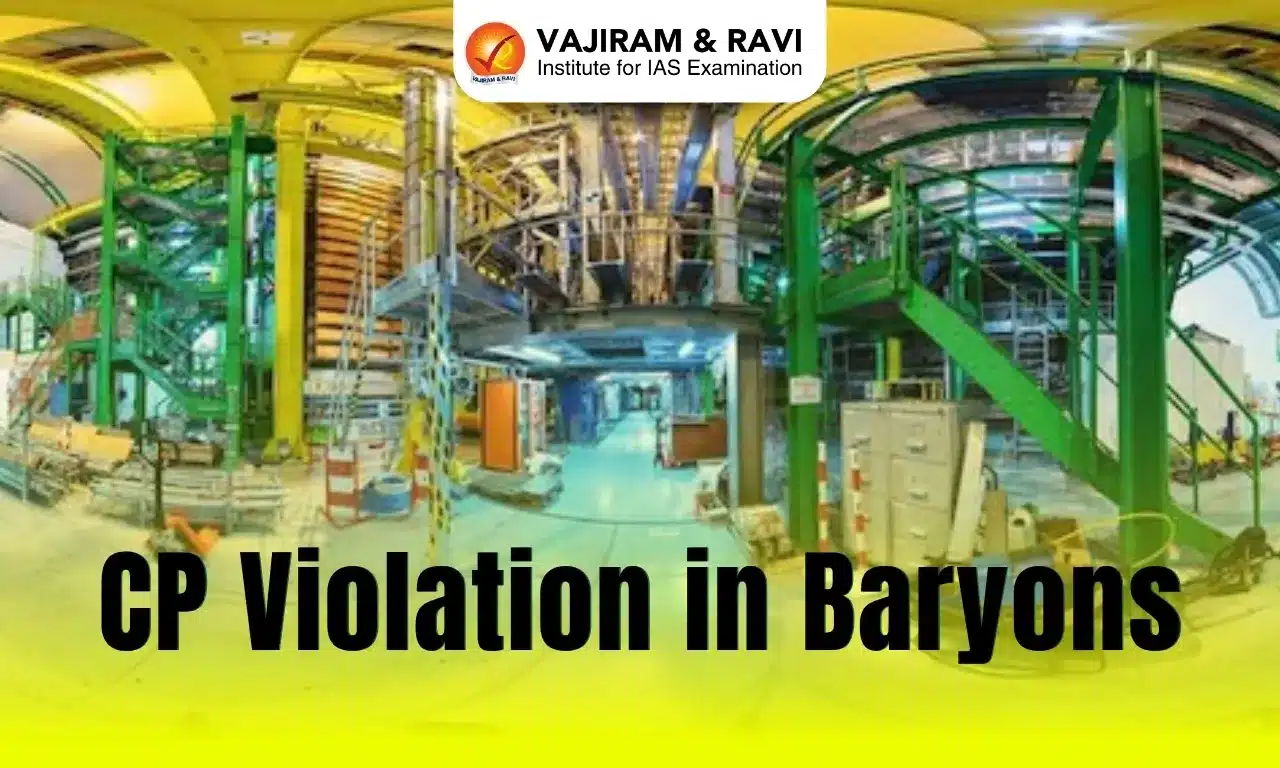
Antimatter Mystery Solved? First Evidence of CP Violation in Baryons

CP Violation in Baryons

CP Violation in Baryons Latest News

  • Recently, European scientists observed, for the first time, that matter and antimatter versions of a subatomic particle called a baryon decay at different rates. 
  • This difference in behavior could help explain why the universe is predominantly made of matter, offering a crucial clue to the long-standing antimatter mystery.

Matter and Antimatter

  • Matter is what makes up everything we see around us—people, planets, stars—composed of particles like protons, neutrons, and electrons. 
  • Antimatter is like matter’s mirror image: for every matter particle, there’s a corresponding antiparticle with the same mass but opposite charge. 
  • For example:
    • The antiparticle of an electron (negative charge) is a positron (positive charge).
    • The antiparticle of a proton is an antiproton, with negative charge.
  • When a particle and its antiparticle meet, they annihilate, releasing energy.

Why the Universe Has More Matter Than Antimatter

  • The Big Bang should have produced equal amounts of matter and antimatter, but today, the universe is overwhelmingly made of matter. 
  • This imbalance remains one of science's greatest mysteries. A key to understanding it lies in a phenomenon called CP violation—where the universe treats matter and antimatter differently. 
    • CP stands for charge conjugation (swapping particles with their opposites) and parity (mirror flipping left and right). 
      • Charge conjugation involves replacing every particle in a system with its antiparticle. 
      • For example, an electron would be replaced with a positron, a proton with an antiproton, and so on. 
    • CP symmetry implies that physical laws should remain the same when a particle is replaced by its antiparticle and its spatial coordinates are inverted.
  • If both symmetries held perfectly, matter and antimatter would behave identically. 
  • However, experiments have shown that CP symmetry can be broken. 
  • This violation is essential to explaining how the early universe ended up with more matter than antimatter.

First Observation of CP Violation in Baryons

  • Until now, CP violation had only been observed in mesons—particles made of a quark and an antiquark. 
  • For the first time, scientists have detected CP violation in baryons, which are three-quark particles like protons and neutrons that make up most visible matter. 
  • The breakthrough came from studying the decay of the Λb0 baryon
    • The Λb0 baryon is a subatomic particle known as a "bottom lambda baryon." 
    • It's a type of baryon, meaning it's composed of three quarks, and it contains one up quark, one down quark, and one bottom quark. 
    • The "0" in Λb0 indicates that it is electrically neutral. 
    • This particle is also sometimes referred to as an "open-beauty baryon". 
  • Researchers found that these two decayed differently into a proton, a kaon, and two pions, providing the first evidence of CP violation in baryon decays and offering new insight into the matter-antimatter imbalance in the universe.

How Scientists Observed CP Violation in Baryon Decay

  • The discovery was made at Europe’s Large Hadron Collider (LHC) using the LHCb detector, which recorded data from billions of proton-proton collisions over several years. 
  • These collisions occasionally produced Λb0 baryons and their antiparticles (Λb0-bar). 
  • Scientists then compared how often each version decayed into those particles. A difference in decay rates, after correcting for experimental biases, indicated CP violation. 
  • To ensure accuracy, the team used a control channel—where no CP violation is expected—to filter out false signals and isolate the real effect.

Conclusion

  • While the observed CP violation is not enough to fully explain the matter-antimatter imbalance, it opens new avenues for further study. 
  • Scientists will now explore other baryon decays and refine measurements to uncover deeper sources of CP violation—potentially revealing unknown forces or particles. 
  • This discovery takes us closer to answering one of the universe’s most profound questions: why does anything exist at all?


Source: TH | TH | DOE

CP Violation in Baryons FAQs

Q1: What is antimatter?

Ans: Antimatter consists of particles with the same mass but opposite charge to matter; they annihilate upon contact with matter.

Q2: Why is the universe mostly matter?

Ans: CP violation may explain the imbalance, showing nature treats matter and antimatter slightly differently after the Big Bang.

Q3: What is CP violation?

Ans: It’s when physical laws differ between particles and their mirror-image antiparticles—violating charge-parity (CP) symmetry.

Q4: Where was CP violation in baryons observed?

Ans: At the LHC in Europe, using the LHCb detector and billions of proton-proton collisions to observe Λb0 decays.

Q5: Why is this discovery important?

Ans: It opens new paths to understanding the universe’s formation and the matter-antimatter asymmetry that allowed us to exist.

India’s Sugar and Salt Labelling Drive: Health Ministry’s Awareness Push

Sugar and Salt Labelling

Sugar and Salt Labelling Latest News

  • The Health Ministry has instructed all government departments to prominently display the oil and sugar content of popular Indian snacks such as samosa, vada pav, kachori, pizza, and burger. 
  • This information must be shared in cafeterias, lobbies, meeting rooms, and even on government stationery, aiming to promote awareness of unhealthy food consumption.

Sugar and Oil Display Boards to Promote Healthy Eating

  • The Union Health Ministry has proposed the installation of sugar and oil content display boards in schools, offices, and public institutions to raise awareness about hidden fats and sugars in everyday foods. 
  • These boards are intended to act as visual behavioural nudges encouraging healthier dietary choices. 
  • The proposal also includes printing health messages on all official stationery—such as letterheads, envelopes, notepads, and folders—to serve as daily reminders in the fight against obesity.

Warning Labels Aimed at Tackling Rising Lifestyle Diseases

  • The Health Ministry has introduced warning labels on food items to raise public awareness and encourage moderation in consumption. 
  • This initiative comes in response to a sharp rise in non-communicable diseases (NCDs), which now account for over 66% of deaths in India, particularly affecting those above the age of 30. 
  • Conditions such as heart disease, diabetes, respiratory illnesses, and cancers are becoming major public health concerns. 
  • Experts highlight that excess intake of sodium, added sugars, refined oils, and sugary drinks—often marketed as healthy—contribute to poor metabolic health. 
  • Additionally, many people fail to consume enough fibre, fruits, vegetables, whole grains, and fermented foods, further worsening nutritional gaps. 
  • Even functional snacks, which claim to offer health benefits, can contribute to these risks.

How Nutrient Values Are Measured and Why It Matters

  • Nutrient values of food are determined through laboratory analysis of prepared foods and presented per 100 grams for clarity. 
  • These assessments focus on total sugar, saturated fat, and salt content. When lab testing isn’t feasible, values are estimated using ingredient data from the Indian Food Composition Tables (IFCT), published by ICMR-NIN. 
  • The 2024 Dietary Guidelines for Indians define High Fat, Sugar, and Salt (HFSS) foods as those where sugar provides over 10% of energy, fat exceeds 15%, and salt exceeds 625 mg per 100g
  • Such foods, often highly processed and nutrient-poor, contribute to obesity, diabetes, and heart disease. 
  • The ICMR-NIN backs the government’s awareness drive on HFSS foods, especially to protect children and youth from rising non-communicable diseases.

Unhealthy Snacks: It’s About Content, Not Origin

  • Any food—whether Indian or Western, homemade or packaged—can be unhealthy if it contains excessive sugar, salt, or fat. 
  • According to experts, the focus should be on a snack’s nutritional profile rather than its type or origin. 
  • The Health Ministry's efforts aim to raise awareness and encourage healthier choices through non-punitive behavioural nudges. 
  • These initiatives align with broader programmes like Eat Right India, Poshan Abhiyaan, Fit India, and the National NCD Control Programme, all aimed at promoting informed food decisions and improving public health.

Guidelines on Sugar and Salt Intake for a Healthier Life

  • The World Health Organization recommends a balanced diet to prevent malnutrition, non-communicable diseases like heart disease and diabetes, and to boost overall immunity. 
  • For Indian adults, the advised daily intake is less than 65 grams of total fat, under 25 grams of added sugar, and below 5 grams of salt
  • Children have specific limits based on their age. Nutrition experts stress the importance of building meals around fibre-rich foods, local produce, lean proteins, and healthy fats. 
  • They encourage home-cooked meals, mindful eating, and consistency in healthy choices over rigid dieting trends for long-term well-being.


Source: TH | PIB

Sugar and Salt Labelling FAQs

Q1: What has the Health Ministry mandated regarding snacks?

Ans: Government departments must display oil and sugar content on common snacks like samosas, vada pav, and burgers in public spaces.

Q2: Why are warning labels being used?

Ans: To raise awareness and promote moderation amid rising lifestyle diseases like diabetes, heart disease, and obesity across India.

Q3: How are food nutrient values calculated?

Ans: By lab analysis or ingredient data from ICMR’s Food Composition Tables, values are listed per 100g for clarity.

Q4: Which foods are considered unhealthy?

Ans: Any food—Indian or Western—with excessive sugar, salt, or fat, regardless of origin, can be classified as unhealthy.

Q5: What are WHO’s sugar and salt guidelines for adults?

Ans: Daily intake should be under 25g sugar, 5g salt, and 65g total fat to maintain good health.

NIRF Rankings to be Impacted by Research Retractions: Mild Penalty in 2024, Stricter from 2025

NIRF Rankings

NIRF Rankings Latest News

  • The National Institutional Ranking Framework (NIRF) will award negative scores to higher educational institutions for papers that have been retracted from journals.

Introduction

  • In a significant move to promote academic integrity and research quality, the National Institutional Ranking Framework (NIRF) has announced that it will begin penalising institutions for retracted research papers. 
  • Starting with the 2024 ranking cycle, institutions will face a mild deduction in scores if they have research publications that were retracted in the previous year. 
  • A more stringent penalty system is planned for 2025 and beyond. This shift comes amid rising concerns over research misconduct and retraction trends within Indian academia.

Background on NIRF and Its Evolution

  • Launched in 2016 by the Ministry of Education, the National Institutional Ranking Framework (NIRF) has become India’s premier system for evaluating higher education institutions. It assesses universities and colleges based on five core parameters:
    • Teaching, Learning and Resources
    • Research and Professional Practices
    • Graduation Outcomes
    • Outreach and Inclusivity
    • Perception
  • Of these, Research and Professional Practice (RP) carries substantial weight, up to 40% for some categories, which includes publications, quality, IPR, and research projects.
  • The growing number of retractions, especially in indexed journals, has raised alarm bells, prompting NIRF to evolve its methodology to uphold research credibility.

Research Retractions: A Rising Concern

  • According to the NIRF 2024 brochure, approximately 300 retractions were recorded in 2023 across Indian institutions, a noticeable increase from earlier years. Many of these retractions occurred in journals indexed in Scopus and Web of Science, which are the databases used by NIRF to assess research quality.
  • Retractions generally stem from issues such as:
    • Plagiarism or duplicate submissions
    • Manipulation of data or peer review
    • Ethical misconduct or authorship disputes
  • Such instances not only undermine academic integrity but also distort institutional rankings if left unaddressed.

Revised Methodology for Penalising Retractions

  • Starting with the 2024 ranking cycle, NIRF has outlined the following approach:
  • Mild Penalty in 2024 Rankings
    • A small reduction in scores under the “Research and Professional Practice” category for institutions that had retracted papers in 2023.
    • The penalty will be proportional to the number of retractions and the nature of misconduct.
  • Harsh Penalty from 2025 Onwards
    • In the 2025 rankings and beyond, the penalty will become stricter.
    • Institutions may lose a larger share of RP marks, especially if retractions are related to serious ethical violations or involve multiple authors from the same institution.
  • This phased approach gives institutions time to reform their research practices and introduce robust quality checks.
  •  

Role of UGC CARE and Database Integration

  • NIRF currently relies on Scopus and Web of Science for research output evaluation. 
  • However, UGC CARE (Consortium for Academic and Research Ethics) has also been tasked with maintaining a list of credible journals. A triangulation approach, involving Scopus, Web of Science, and UGC CARE, is expected to strengthen the assessment of quality and integrity in published work.
  • This broader integration is aimed at filtering out predatory journals and ensuring only credible publications are considered in rankings.

Institutional Responsibility and Course Correction

  • The inclusion of retraction penalties is intended not just as a punitive measure, but as a catalyst for systemic reform. Institutions are encouraged to:
    • Establish Research Integrity Offices or Committees
    • Strengthen peer-review oversight for in-house publications
    • Provide training on academic ethics to faculty and students
    • Enforce strict publication quality norms
  • This move aligns with global best practices and is expected to elevate the credibility of Indian institutions on international platforms.

Broader Implications for Indian Academia

  • Introducing penalties for retractions in national rankings sends a strong message about accountability and quality in higher education. It is also expected to:
    • Deter unethical research practices
    • Encourage internal audits of publication records
    • Improve India’s global research image, especially as Indian institutions seek better positions in international rankings like QS and THE

Source : TH

NIRF Rankings

Q1: When will NIRF start penalizing institutions for research retractions?

Ans: Mild penalties will begin from the 2024 NIRF rankings, with harsher penalties starting from 2025.

Q2: Which category in NIRF rankings will be affected by retractions?

Ans: The penalties will affect scores under the “Research and Professional Practice” parameter.

Q3: How many research retractions were recorded in 2023?

Ans: Around 300 retractions involving Indian institutions were noted in 2023.

Q4: What is the reason behind introducing this penalty?

Ans: The penalty aims to curb research misconduct and ensure integrity in academic publishing.

Q5: Will UGC CARE also play a role in research evaluation?

Ans: Yes, NIRF is planning to integrate UGC CARE data alongside Scopus and Web of Science for a comprehensive assessment.

Enquire Now