UPSC Daily Quiz 2 April 2026

UPSC Daily Quiz

[WpProQuiz 127]

UPSC Daily Quiz FAQs

Q1: What is the Daily UPSC Quiz?

Ans: The Daily UPSC Quiz is a set of practice questions based on current affairs, static subjects, and PYQs that help aspirants enhance retention and test conceptual clarity regularly.

Q2: How is the Daily Quiz useful for UPSC preparation?

Ans: Daily quizzes support learning, help in revision, improve time management, and boost accuracy for both UPSC Prelims and Mains through consistent practice.

Q3: Are the quiz questions based on the UPSC syllabus?

Ans: Yes, all questions are aligned with the UPSC Syllabus 2025, covering key areas like Polity, Economy, Environment, History, Geography, and Current Affairs.

Q4: Are solutions and explanations provided with the quiz?

Ans: Yes, each quiz includes detailed explanations and source references to enhance conceptual understanding and enable self-assessment.

Q5: Is the Daily UPSC Quiz suitable for both Prelims and Mains?

Ans: Primarily focused on Prelims (MCQ format), but it also indirectly helps in Mains by strengthening subject knowledge and factual clarity.

National Statistical Office (NSO), Structure, Functions, Reports

National Statistical Office

The National Statistical Office (NSO) is the central statistical agency of India responsible for collecting, processing, and disseminating official statistical data. It functions under the Ministry of Statistics and Programme Implementation and plays a crucial role in evidence-based policymaking, planning, and governance. The NSO was formed in 2019 by merging two key statistical bodies to improve efficiency, coordination, and data quality in India’s statistical system.

Structure of National Statistical Office

The National Statistical Office (NSO) is structured to ensure efficient collection, processing, and dissemination of statistical data across India.

  • The NSO is headed by the Chief Statistician of India (CSI), who oversees all statistical activities and ensures coordination between departments.
  • The Economic Statistics Division (ESD) handles national income accounts, GDP estimation, industrial production, and economic indicators.
  • The Social Statistics Division (SSD) focuses on social sector data such as health, education, employment, gender statistics, and human development indicators.
  • The Field Operations Division (FOD) is responsible for conducting nationwide surveys, collecting primary data from households, enterprises, and institutions.
  • The Data Processing Division (DPD) manages data entry, validation, processing, and tabulation using advanced statistical tools and software.
  • The Survey Design and Research Division (SDRD) develops methodologies, sampling techniques, and survey frameworks to improve the quality and reliability of data.
  • The NSO ensures coordination between central ministries, state governments, and international statistical organizations for standardization of data.

National Statistical Office Functions

The National Statistical Office performs a wide range of functions that are essential for economic planning, governance, and policy formulation. It acts as the backbone of India’s statistical system by providing reliable and timely data to various stakeholders.

  • Conducts large-scale national surveys on employment, consumption, health, education, and socio-economic conditions.
  • Compiles and releases national income statistics, including GDP, GNP, and per capita income.
  • Collects and analyzes data related to industries, agriculture, and services sectors.
  • Publishes official statistical reports, databases, and periodic publications for public and government use.
  • Develops statistical standards, concepts, definitions, and classifications to maintain uniformity across data systems.
  • Provides technical guidance and support to state statistical departments and other government agencies.
  • Ensures data quality, accuracy, and reliability through proper validation and verification processes.
  • Promotes the use of modern technology and digital tools in data collection and analysis.

Major Reports and Publications by NSO

The National Statistical Office regularly publishes a wide range of reports and datasets that are crucial for understanding India’s economic and social conditions. These publications are widely used by policymakers, researchers, economists, and students.

  • National Accounts Statistics (NAS): Provides comprehensive data on GDP, sector-wise growth, savings, and capital formation in the economy.
  • Periodic Labour Force Survey (PLFS): Offers detailed information on employment, unemployment rates, and labour force participation in both rural and urban areas.
  • Consumer Expenditure Survey: Highlights spending patterns of households, which helps in assessing poverty levels and consumption trends.
  • Annual Survey of Industries (ASI): Covers industrial performance, production levels, employment, and investment in the manufacturing sector.
  • Index of Industrial Production (IIP): Measures short-term changes in industrial output across various sectors.
  • Statistical Year Book of India: A comprehensive compilation of data across sectors like agriculture, health, education, and infrastructure.
  • Energy Statistics: Provides data on production, consumption, and distribution of energy resources in India.
  • Social Consumption Reports: Focus on sectors like health and education, providing insights into access and utilization of services.

National Statistical Office FAQs

Q1: What is the National Statistical Office (NSO)?

Ans: The National Statistical Office is India’s central agency responsible for collecting and publishing official statistics related to the economy, population, and social sectors.

Q2: When was the NSO established?

Ans: The NSO was established in 2019 after merging the Central Statistics Office (CSO) and the National Sample Survey Office (NSSO).

Q3: Under which ministry does NSO function?

Ans: The NSO works under the Ministry of Statistics and Programme Implementation.

Q4: Who heads the National Statistical Office?

Ans: The NSO is headed by the Chief Statistician of India (CSI).

Q5: What type of data does NSO provide?

Ans: NSO provides data on GDP, employment, inflation, industries, social sectors, and population statistics.

Cardamom Hills, Location, Peaks, Biodiversity, Conservation

Cardamom Hills

The Cardamom Hills are also known as Yela Mala. They form an important mountain range in southern India within the Western Ghats. They cover about 2,800 km² and are globally significant for biodiversity and spice cultivation. The hills derive their name from the spice cardamom grown in their cool, moist climate and are part of a UNESCO World Heritage region.

Cardamom Hills Features

The Cardamom Hills exhibit complex geography, climate and economic features shaping their importance in southern India.

  • Location: They are Located mainly in Idukki district of Kerala.The hills lie around the continuous mountainous system in southern Western Ghats. 
  • Extent: They cover about 2,800 km² of area and connect with Anaimalai, Palani and Pothigai ranges.
  • Relief and Elevation: Elevation ranges from 300 to 2,700 metres, with Anamudi at 2,695 metres, the highest peak south of the Himalayas, located in Eravikulam National Park.
  • River Systems: The hills form a watershed for west flowing rivers like Periyar, Mullayar and Pamba. These rivers support irrigation, hydropower and ecological systems across Kerala.
  • Climate Characteristics: Temperatures range from 15°C in winter to 31°C in summer. Rainfall varies between 2,000 to 3,000 mm in western areas and below 1,500 mm in eastern rain shadow zones.
  • Monsoon Influence: The southwest monsoon provides two-thirds of rainfall between June and September, while northeast monsoon and pre-monsoon showers add seasonal precipitation diversity.
  • Major Peaks: Important peaks above 2,000 metres include Meesapulimala (2,640 m), Kattumala (2,552 m), Devimala (2,523 m) and Kumarikkal Mala (2,522 m).
  • Plantation Economy: The region supports large scale cultivation of cardamom, pepper, tea and coffee, benefiting from humid slopes and fertile soils suited for plantation agriculture.

Cardamom Hills Biodiversity

The Cardamom Hills represent a biodiversity rich ecosystem with endemic species and protected forest zones.

  • Forest Types: Tropical evergreen forests dominate mid elevations, while higher regions have montane and shola forests. Lower slopes show semi evergreen and moist deciduous vegetation influenced by rainfall gradients.
  • Floral Diversity: Around 392 plant taxa are recorded with dominant species like Persea macrantha, Cullenia exarillata and Palaquium ellipticum. About 56% of tree species are endemic.
  • Mammalian Fauna: The region supports over 60 mammal species including Bengal tiger, Indian elephant, gaur, sambar deer and leopard, many facing habitat pressure and conservation concerns.
  • Avian and Reptilian Diversity: Around 265 bird species and 45 reptile species are found, including endemic Nilgiri wood pigeon and rare reptiles like the Cardamom Hills earth snake.
  • Endemic Species: Species such as lion tailed macaque, Nilgiri tahr, slender loris and purple frog highlight high endemism and ecological uniqueness of the region.

Cardamom Hills Significance

The Cardamom Hills hold ecological, economic and hydrological importance in southern India.

  • Biodiversity Hotspot: As part of the Western Ghats, they fall within one of the world’s major biodiversity hotspots, supporting rare and endemic species with global conservation importance.
  • Spice Production Hub: The Cardamom Hill Reserve contributes about 70% of India’s cardamom production, making it a major centre for spice cultivation and export economy.
  • Hydrological Importance: Rivers originating here support irrigation, drinking water and hydroelectric projects like Idukki and Mullaperiyar dams, sustaining regional livelihoods.
  • Ecotourism: Areas like Periyar attract large scale tourism, including wildlife safaris, trekking and plantation tours, contributing to local economy and conservation awareness.
  • Agricultural Diversity: The region produces tea, coffee, pepper, teak and bamboo, creating a diversified plantation economy beyond cardamom cultivation.
  • Cultural Importance: Cardamom has culinary, medicinal and religious significance in India, enhancing the socio-cultural value of the region’s agricultural output.
  • Strategic Location: Acting as a natural boundary between Kerala and Tamil Nadu, the hills influence climate, vegetation and river systems across both states.

Cardamom Hills Challenges

The Cardamom Hills region faces multiple environmental and administrative challenges due to human activities and climate variability.

  • Deforestation: Forest cover declined drastically due to plantation expansion, reducing ecological stability and disrupting natural habitats across the hills over decades.
  • Illegal Encroachment: Unauthorized land use, illegal cultivation and land sales in the Cardamom Hill Reserve violate forest laws and accelerate ecological degradation.
  • Biodiversity Loss: Intensive farming and habitat fragmentation threaten endemic species, disrupt wildlife corridors and reduce species diversity significantly.
  • Soil and Water Degradation: Heavy pesticide use and deforestation lead to soil erosion, reduced fertility and contamination of water bodies affecting ecosystem health.
  • Climate Variability: Declining rainfall trends and erratic monsoons have reduced agricultural productivity, including cardamom yields by up to 60% to 70% during drought periods.
  • Landslides and Floods: Deforestation and slope instability increase vulnerability to landslips and flash floods, especially in steep terrain regions like Idukki.

Cardamom Hills Conservation

Various conservation initiatives aim to balance ecological protection with sustainable development in the region of Cardamom Hills as highlighted below:

  • Protected Areas: The Periyar Tiger Reserve covers 777 km², with a 350 km² core national park, forming the central conservation zone of the hills.
  • Protected Area Network: The Periyar Tiger Reserve and adjoining forest divisions like Ranni, Konni and Achankovil protect large contiguous forest areas and wildlife habitats.
  • Cardamom Hill Reserve(CHR): Declared under Travancore in 1897, CHR spans about 334 sq miles and serves as a regulated zone for cultivation and forest conservation.
  • Community Based Conservation: Participatory Forest Management programs involve local communities in afforestation, watershed protection and monitoring illegal activities.
  • Wildlife Protection: Conservation focuses on species like tiger, elephant, Nilgiri tahr and hornbill through habitat restoration and anti poaching measures.
  • Ecological Corridors: The hills act as wildlife corridors linking Anaimalai and Palani ranges, ensuring species movement and genetic diversity conservation.
  • Legal Interventions: The Supreme Court appointed committees have highlighted violations in CHR and recommended strict enforcement of Forest (Conservation) Act 1980 to prevent further degradation. 

Cardamom Hills FAQs

Q1: Where are the Cardamom Hills located?

Ans: The Cardamom Hills are located in southern India, mainly in Idukki district of Kerala, forming part of the Western Ghats.

Q2: Why are the Cardamom Hills named so?

Ans: They are named after cardamom cultivation, as the cool and moist climate of the hills is ideal for growing Cardamom, an important spice.

Q3: Which is the highest peak in the Cardamom Hills?

Ans: Anamudi is the highest peak at 2,695 metres and is also the highest point in India south of the Himalayas.

Q4: What is the ecological importance of the Cardamom Hills?

Ans: The region is a biodiversity hotspot with rich flora and fauna, including endangered species like tiger, elephant and Nilgiri tahr.

Q5: Which major protected area is located in the Cardamom Hills?

Ans: The Periyar Tiger Reserve is the main protected area, known for wildlife conservation and ecotourism activities.

Shevaroy Hills, Location, Peaks, Biodiversity, Significance

Shevaroy Hills

Shevaroy Hills is also known as Servarayan Hills. They form an important hill range of the Eastern Ghats located near Salem in Tamil Nadu. They rise to about 1620 metres and cover nearly 400 square kilometres with elevated plateaus between 1200-1500 metres. The range includes the well known hill station ‘Yercaud’. It acts as a key geographical link in the southern Eastern Ghats system by connecting nearby hill ranges and shaping regional ecology and climate.

Shevaroy Hills Features

Shevaroy Hills are a distinct sub-range of the Eastern Ghats with varied terrain, elevation and cultural identity.

  • Location: It is situated near Salem in the state of Tamil Nadu. 
  • Extent: The hills spread over about 400 square kilometres and form part of the southern Eastern Ghats hill chain, linking ranges like Kalrayan, Kolli and Pachaimalai Hills.
  • Elevation and Peaks: The highest point is Solaikaradu peak at around 1620 metres above mean sea level, making it the tallest peak in the southern Eastern Ghats region.
  • Plateau Formation: The hills consist of elevated plateaus ranging from 4000 to 5000 feet, creating a cool climate and supporting settlements like Yercaud at high altitudes.
  • Geographical Linkage: The range lies parallel to Chitteri hills and near Mettur hills. They act as an important connecting segment in the fragmented Eastern Ghats system.
  • Name Origin: The name ‘Servarayan’ comes from a local Tamil deity worshipped by tribal communities, reflecting the cultural and religious importance of the hills. The name had been anglicised and later became ‘Shevaroy’.

Shevaroy Hills Biodiversity

The Shevaroy Hills support diverse flora and fauna, including endemic species and ecological similarities with the Western Ghats.

  • Forest Types: Patches of original forests remain, especially at higher elevations, containing endemic plant species and resembling Western Ghats vegetation patterns.
  • Unique Flora: Species like Strobilanthes kunthiana (Neelakurinji) grow on higher slopes, a rare occurrence in Eastern Ghats outside limited regions.
  • Agricultural Vegetation: Coffee plantations dominate the landscape along with citrus fruits like oranges and crops such as bananas, pears and jackfruit.
  • Mammalian Fauna: Animals include gaur, sambar deer, spotted deer, Indian pangolin, jackals, foxes, civets, mongooses, hares and giant squirrels inhabiting forested zones.
  • Reptiles and Amphibians: The region hosts endemic reptiles like Uropeltis ellioti and Hemiphyllodactylus aurantiacus, along with amphibians such as Hylarana and Raorchestes species.
  • Bird Diversity: Bird species include whistling thrush, racket tailed drongo, peacock, shama, Oriental leafbird and Indian grey hornbill, indicating rich avian diversity.

Shevaroy Hills Significance

Shevaroy Hills hold ecological, economic, cultural and tourism importance in southern India.

  • Tourism Importance: Yercaud hill station, orchidarium of Botanical Survey of India, viewpoints, waterfalls and lake attractions make the region a major tourist destination.
  • Agricultural Economy: Coffee plantations established during colonial times remain economically important, along with fruit cultivation such as oranges and bananas supporting livelihoods.
  • Cultural Significance: The hills are sacred to Malaiyali tribal communities, with the Servarayan Temple and annual festivals reflecting deep rooted traditions and beliefs.
  • Ecological Role: The hills act as a biodiversity hotspot within the Eastern Ghats, preserving endemic species and maintaining ecological balance in the region.
  • Hydrological Importance: The range contributes to watershed systems and influences local climate, supporting agriculture and sustaining nearby plains through rainfall and water retention. 

Shevaroy Hills FAQs

Q1: Where are Shevaroy Hills located?

Ans: Shevaroy Hills are located near Salem in Tamil Nadu and form part of the southern Eastern Ghats mountain system.

Q2: What is the height of Shevaroy Hills?

Ans: The highest peak, Solaikaradu, reaches about 1620 metres above mean sea level, making it the tallest in the southern Eastern Ghats.

Q3: What type of vegetation is found in Shevaroy Hills?

Ans: The hills have patches of natural forests, coffee plantations and crops like oranges, bananas, pears and jackfruit along with endemic plant species.

Q4: Which mountain system do Shevaroy Hills belong to?

Ans: Shevaroy Hills are part of the Eastern Ghats and act as an important link in the southern section of this mountain chain.

Q5: What types of Fauna are found in Shevaroy Hills?

Ans: The hills support animals like gaur, sambar deer, Indian pangolin, jackals, foxes, giant squirrels and several reptiles and bird species.

Antariksh Venture Capital Fund

Antariksh Venture Capital Fund

Antariksh Venture Capital Fund Latest News

Recently, the Union Minister said that India’s dedicated Antariksh venture capital fund for the space sector has progressed steadily, with investment in selected startups expected to begin from the first quarter of FY2027.

About Antariksh Venture Capital Fund

  • It is a close ended fund registered with the Securities and Exchange Board of India (SEBI) as a Category II Alternative Investment Fund (AIF).
  • It is a SEBI registered Alternative Investment Fund.
  • Key Investor: Indian National Space Promotion and Authorization Centre (IN-SPACe), Department of Space, Government of India.
  • The Fund is sponsored by SIDBI Venture Capital Limited.
  • The Fund’s investment objective:  To provide much-needed capital to companies in the space sector at various stages of development as well as support the scaling of operations and the commercialization of new technologies, empowering the companies to contribute to India’s broader space ambitions.
  • It is looking to invest exclusively in Indian companies operating in the Space sector with Technology Readiness Level (TRL) of 4 and above.

Key Facts about Indian National Space Promotion and Authorization Centre

  • It is a single-window, independent, nodal agency that functions as an autonomous agency in the Department of Space (DOS). 
  • It is formed following the Space sector reforms to enable and facilitate the participation of private players.
  • Functions
    • It is responsible to promote, enable, authorize and supervise various space activities of non-governmental entities (NGEs) including building launch vehicles & satellites and providing space-based services; sharing space infrastructure and premises under the control of DOS/ISRO; and establishing of new space infrastructure and facilities.
    • The agency acts as an interface between ISRO and NGEs and assesses how to utilize India’s space resources better and increase space-based activities. 
    • Three Directorates viz., Promotion Directorate (PD), Technical Directorate (TD) and Program Management and Authorization Directorate (PMAD) are carrying out the functions of IN-SPACe.

Source: PIB

Antariksh Venture Capital Fund FAQs

Q1: What is the primary focus of Antariksh Venture Capital Fund?

Ans: Spacetech startups

Q2: Who is the investment manager of Antariksh Venture Capital Fund?

Ans: SIDBI Venture Capital Limited

Rebate of State and Central Taxes and Levies (RoSCTL) Scheme

Rebate of State and Central Taxes and Levies (RoSCTL) Scheme

Rebate of State and Central Taxes and Levies (RoSCTL) Scheme Latest News

Recently, the Ministry of Textiles has extended the Rebate of State and Central Taxes and Levies (RoSCTL) Scheme for exports of apparel/garments and made-ups up to 30th September 2026.

About Rebate of State and Central Taxes and Levies (RoSCTL) Scheme

  • It is operational from 7th March 2019.
  • It aims to reimburse all embedded State and Central Taxes/Levies for exports of manufactured goods and garments.
  • It has been established as a successor for the old “Rebate of State Levies (RoSL) Scheme.
    • The difference between RoSL & RoSCTL Scheme is that under the RoSL Scheme, there was no benefit on the central tax and Levies. But in the RoSCTL scheme, the exporter will get rebate of both State and Central tax and Levies.
  • Objective: To compensate for the State and Central Taxes and Levies in addition to the Duty Drawback Scheme on export of apparel/ garments and Made-ups by way of rebate.

Features of RoSCTL Scheme

  • The rebate under the Scheme shall be in the form of duty credit scrips.
  • The scrips shall be issued electronically on the Customs system.
  • The duty credit scrips shall be used for payment of Basic Customs Duty on import of goods. These scrips shall be freely transferable.
  • The duty credit available in an e-scrip shall be transferred at a time for the entire amount in the said e-scrip to another person and transfer of the duty credit in part shall not be permitted.
  • Validity of e-scrip: The period of validity of the e-scrip, of one year from its creation, shall not change on account of transfer of the e-scrip.
  • Eligibility: All exporters of garments/Apparel and made-ups manufactured in India are eligible to take benefit under this scheme, except entities/ IECs under the Denied Entity List of the Directorate General of Foreign Trade (DGFT).
  • Implementing agency: It is implemented by the Department of Revenue, Ministry of Finance.

Source: PIB

Rebate of State and Central Taxes and Levies (RoSCTL) Scheme FAQs

Q1: Which products are covered under the RoSCTL Scheme?

Ans: Apparel and made-ups

Q2: What is the primary objective of the RoSCTL Scheme?

Ans: To refund embedded state and central taxes on apparel and made-up exports

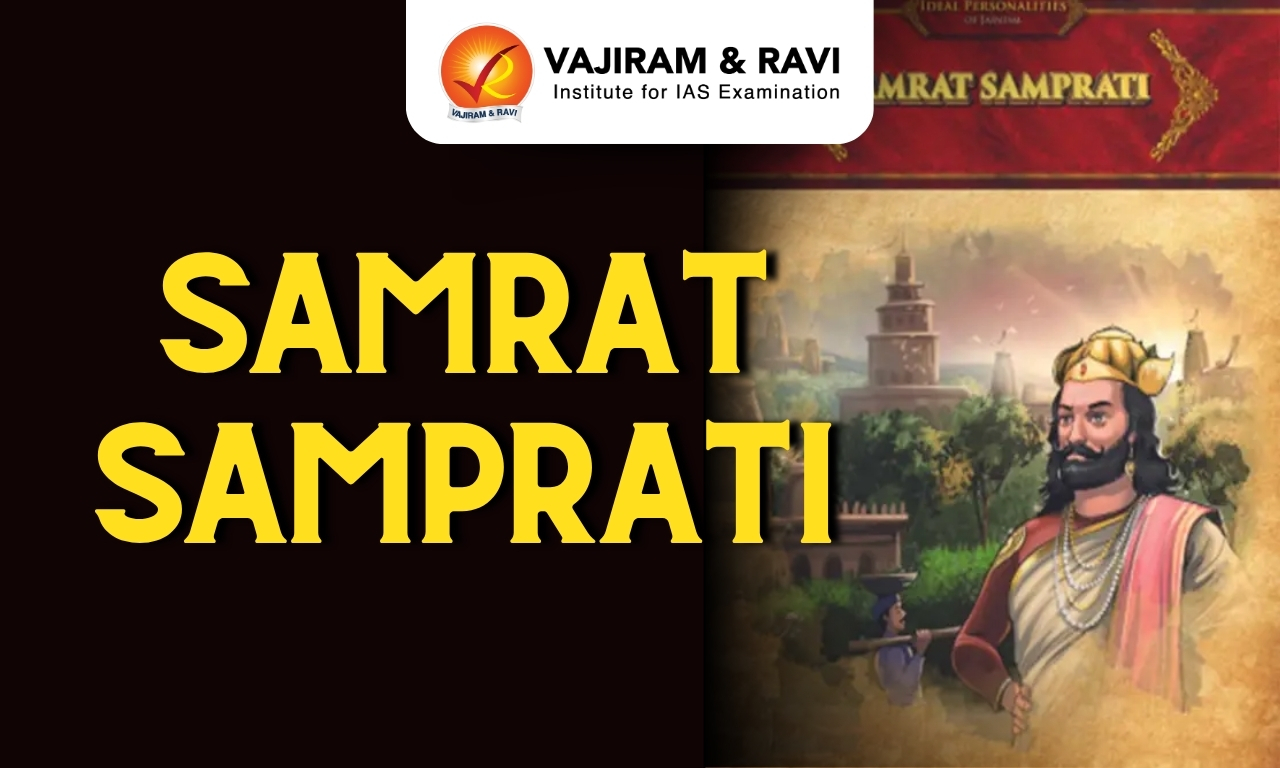
Samrat Samprati

Samrat Samprati

Samrat Samprati Latest News

Recently, the Prime Minister of India inaugurated the Samrat Samprati Museum in Gujarat.

About Samrat Samprati

  • Samrat Samprati (224-215 BC) was a Mauryan ruler.
  • He was the grandson of Samrat Ashoka.
  • Other Names: He was known as Indrapalit, Sangat and Vigatashok.
  • He was known for propagating Jainism and the principle of non-violence.
  • His life is described in Jain scripture like ‘Sampratikatha’, ‘Parishistaparva’, and ‘Prabhavakcharita’.
  • King Samprati had established centres of Jain culture in Iran and in Arab countries. 
  • It is said that Samprati, also known as 'Jain Ashoka', built thousands of Jain temples in western and southern India.

Key Facts about Jainism

  • Jainism is a sramanic religion. Sramana' is a Sanskrit word that denotes an ascetic or monk.
  • Jainism is one of the religions whose origin can be traced back to the twenty four teachers (tirthankaras - ones who establishes a path or ford), through whom their faith is believed to have been handed down.
  • The 24th Tirthankara was Vardhamana Mahavira.
  • Jainism mainly aims at the attainment of liberation. It can be attained through three principles required to be observed to attain Moksha/Nirvana
    • Samyakdarshana: Right Faith 
    • Samyakjnana: Right Knowledge 
    • Samyakcharita: Right Action 
  • The five doctrines of Jainism (five vows), known as Panchamahavratas, are for the monks.
    • Ahimsa: do not commit violence
    • Satya: do not tell a lie
    • Asteya: do not steal
    • Aparigraha: do not hoard
    • Brahmacharya: observe continence.

Source: TH

Samrat Samprati FAQs

Q1: Who was Samrat Samprati?

Ans: A Mauryan emperor

Q2: Who was Samrat Samprati's father?

Ans: Kunala

YUVIKA Programme

YUVIKA Programme

YUVIKA Programme Latest News

Recently, the Union Minister of State (Independent Charge) for Science & Technology highlighted the Government’s sustained efforts to nurture scientific temper among the youth, stating that the Yuva Vigyani Karyakram (YUVIKA).

About YUVIKA Programme

  •  YUva VIgyani KAryakram (YUVIKA) is a learning and awareness creating programme of the ISRO.
  • It imparts basic knowledge on Space Technology, Space Science, and Space Applications to younger students with a preference to rural areas. 
  • The programme is aimed at creating awareness about the emerging trends in science and technology amongst the youngsters, who are the future building blocks of our nation.
  • It is also expected to encourage more students to pursue Science, Technology, Engineering and Mathematics (STEM) based research /career.
  • Eligibility
    • Those who have finished class 8 and are currently studying in class 9 can apply for the programme.
    • Three students from each state/Union Territory will participate in this programme every year, covering CBSE, ICSE, and state-board syllabus.
    • The selection is based on 8th Standard academic performance and extracurricular activities.
    • Students belonging to the rural area have been given special weightage in the selection criteria.
    • In case there is a tie between the selected candidates, the younger candidates will be given priority.
  • This programme involves
    • It is a two-week residential programme offered by ISRO.
    • It will include invited talks, experience sharing by eminent scientists, facility and lab visits, exclusive sessions for discussions with experts and practical and feedback sessions.

Source: PIB

YUVIKA Programme FAQs

Q1: Where is YUVIKA Programme conducted?

Ans: At various ISRO centers across India

Q2: What is the duration of YUVIKA Programme?

Ans: 2 weeks

Rice’s Whale

Rice's Whale

Rice's Whale Latest News

Scientists fear that the USA administration's plan to expand oil drilling in the Gulf of Mexico will  push Rice's Whales to extinction.

About Rice's Whale

  • Rice's whales are members of the baleen whale family Balaenopteridae.
  • These are most closely related to Bryde’s whales.
  • In 2021, the Rice’s whale was recognized as a new species, evolutionarily distinct from other Bryde’s whales around the world.
  • Appearance
    • They have three prominent ridges in front of their blowhole. Their body is sleek, and their pectoral fins are slender and pointed.
    • Rice's whales are uniformly dark gray on top with a pale to pink belly.
    • It is a medium-sized whale sighted year-round in the northern Gulf of America (Previously known as Gulf of Mexico), with most sightings concentrated in 100-400 meter (m) depths of the northeastern 
  • Distribution: It is the only whale species that lives year-round in the Gulf of America.
  • Diet: They are mainly dependent on silver-rag driftfish.
  • Reproduction: Rice's whales are likely able to reproduce every 2 to 3 years, reaching sexual maturity at age nine.
  • Threats: Vessel strikes, noise pollution, oil spills, and climate change.
  • Conservation Status
    • IUCN Red List: Critically Endangered

Source: TH

Rice's Whale FAQs

Q1: Where is Rice's Whale primarily found?

Ans: Gulf of Mexico

Q2: What is another name for Rice's Whale?

Ans: Gulf of Mexico whale

Algeria

Algeria

Algeria Latest News

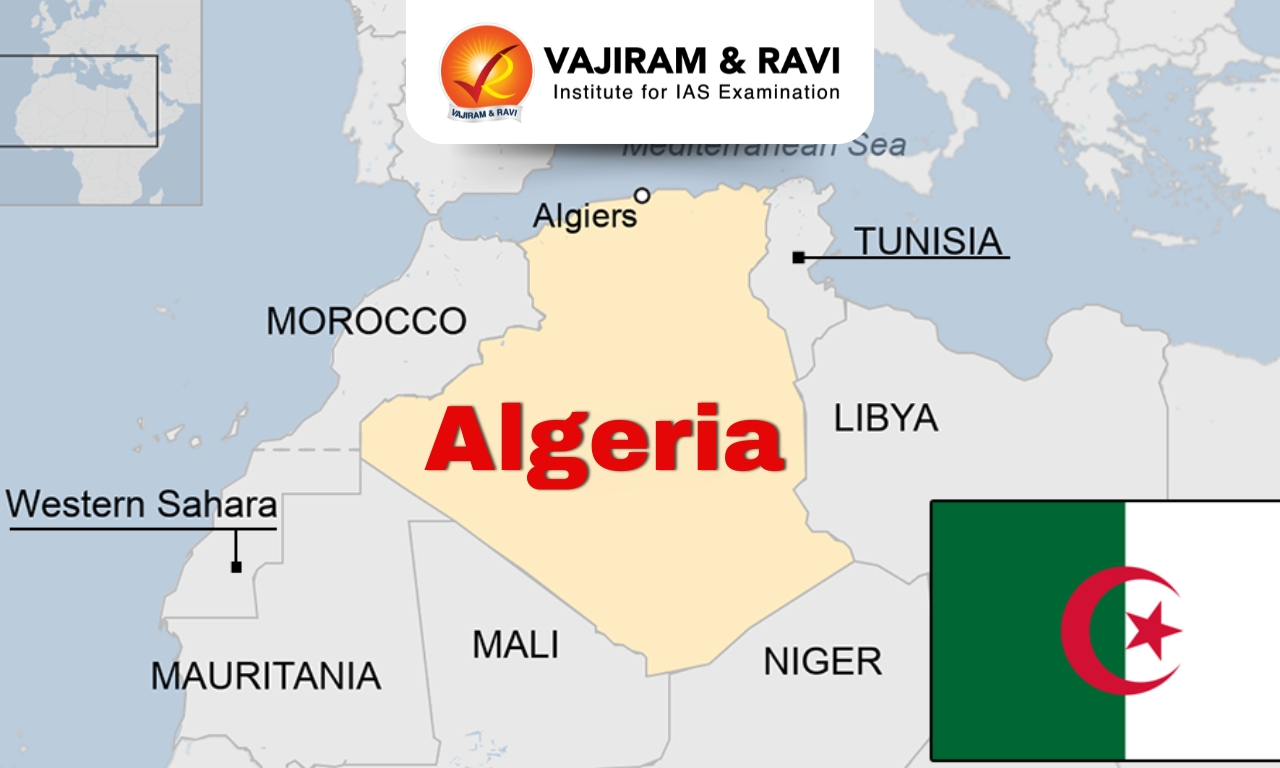
Recently, the 7th round of Foreign Office Consultations between India and Algeria was held in Algiers.

About Algeria

  • Location: It is located in the Maghreb region of North Africa.
  • Bordering countries: It is bordered by seven countries namely Tunisia, Libya, and Niger to the northeast, east, and southeast respectively; Mali, Mauritania, and Western Sahara lie to the southwest. Morocco borders to the west.
  • Maritime Border: It has a coastline on the Mediterranean Sea to the north.  
  • Capital City: Algiers

Geographical Features of Algeria

  • Climate: It mainly consists of Mediterranean climate, with warm, dry summers and mild, rainy winters.
  • Major Rivers: Djedi River and Chelif River 
  • Highest Point: Mount Tahat
  • Mountain Ranges: Mountain ranges in Algeria include the Atlas mountains, the Saharan Atlas, the Tell Atlas, the Hoggar Mountains, and the Tassili n' Ajjer mountains.
  • Natural Resources:  It has abundant natural resources including oil, gas, solar energy, iron, zinc, lead, silicon, and helium.

Source: News On Air

Algeria FAQs

Q1: What is the official language of Algeria?

Ans: Arabic

Q2: What is the capital of Algeria?

Ans: Algiers

Snowy Owl

Snowy Owl

Snowy Owl Latest News

Recently, the snowy owl has been designated for international protection by the U.N. Convention on the Conservation of Migratory Species of Wild Animals.

About Snowy Owl

  • The Snowy owl (Bubo scandiacus) is a large, white owl of the true owl family.
  • Habitat: It mainly lives in the Arctic in open, treeless areas called tundra.
  • It can also be found in coastal dunes and prairies, open moorland, meadows, marshes, and agricultural areas
  • Distribution: It is native to Arctic regions in North America and Eurasia.

Characteristics of Snowy Owl

  • Unlike many other owls, Snowy owls are not nocturnal, and can be seen hunting any time of the day or night.
  • It is a nomadic bird, rarely breeding at the same locations or with the same mates on an annual basis and often not breeding at all if the prey is unavailable.
  • Diet: These are carnivores and feed on a wide variety of small mammals such as lemmings, meadow voles etc.
  • They use a ‘wallop’ hunting method - swooping down and snatching prey with their strong talons
  • Conservation Status
    • IUCN Red List: Vulnerable

Source: KSN

Snowy Owl FAQs

Q1: What is a distinctive feature of Snowy Owls?

Ans: White feathers with dark markings

Q2: Where do Snowy Owls primarily breed?

Ans: Arctic tundra

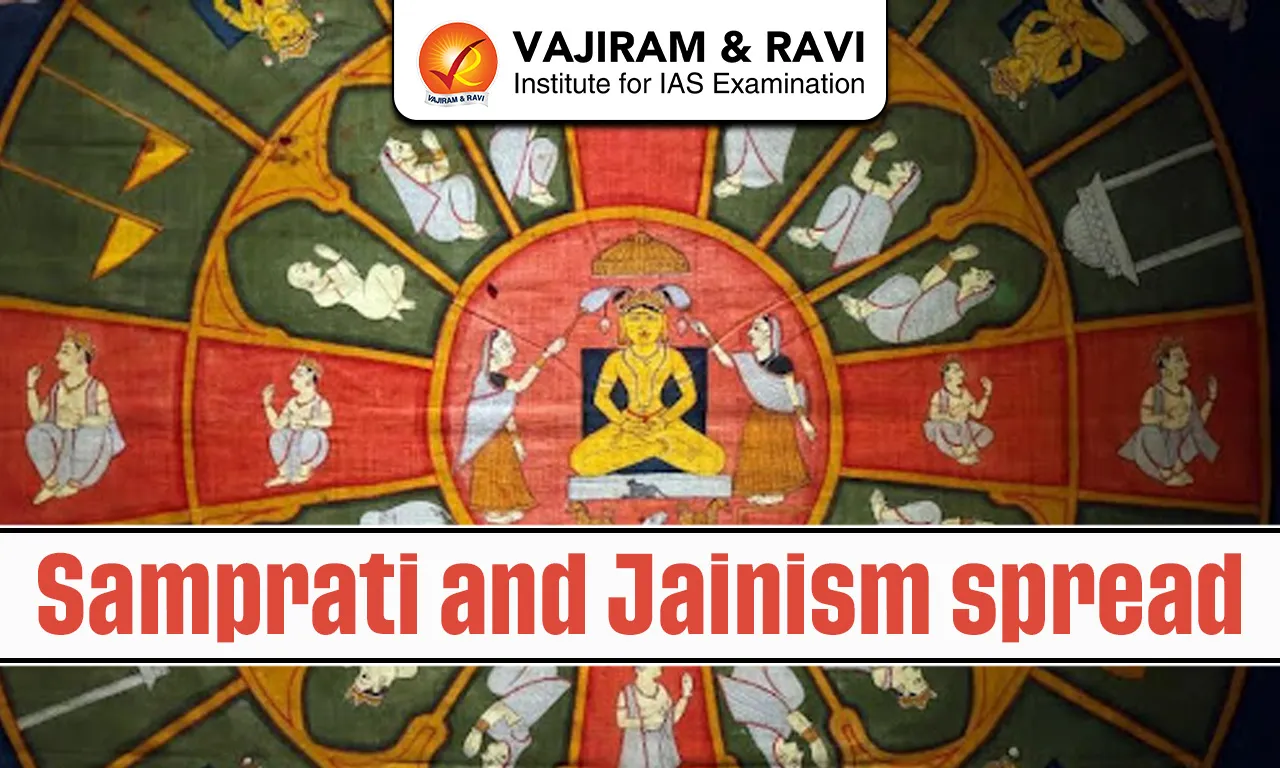
Samprati and Jainism Spread: How Samprati Took Jainism Across India After Ashoka

Samprati and Jainism Spread

Samprati and Jainism Spread Latest News

  • On Mahavir Jayanti (March 31), PM Modi inaugurated the Samrat Samprati Museum in Koba, Gandhinagar, dedicated to Jain history and Samrat Samprati, grandson of Emperor Ashoka.
  • While Ashoka is known for spreading Buddhism, Samprati is remembered for promoting Jainism across India and beyond, playing a key role in expanding the faith’s influence.

Mauryan Legacy Beyond Ashoka

  • The Mauryan Empire (3rd century BCE) is best known for Emperor Ashoka (c. 269–232 BCE), who expanded the empire and promoted a moral order based on Buddhist principles. 
  • His model of ethical kingship influenced regions beyond India, especially Buddhist Southeast Asia.

Jainism Within the Mauryan Era

  • Despite Buddhism’s prominence, Jainism also remained significant during this period. 
  • Ashoka’s first wife, Padmavati, is believed to have been a Jain, and his grandfather, Chandragupta Maurya, is said in Jain traditions to have embraced Jainism, migrated south during a famine, and died in meditation at Shravanabelagola.
  • While Chandragupta is central to the Digambara tradition, Shvetambara texts highlight Ashoka’s grandson, Samprati, as a key figure. 
  • After Ashoka’s death (in 232 BCE), the empire may have been divided between his grandsons Dasharatha and Samprati.
  • Samprati, son of Kunala, is portrayed in Jain texts as a devoted follower who played a major role in spreading Jainism, particularly by promoting and distributing images of the Jinas across the subcontinent.

Samprati: The Jain Counterpart to Ashoka

  • Samprati, believed to have ruled between 230 and 220 BCE, emerges in Shvetambara Jain texts as a key royal patron of Jainism. 
  • Over time, his legacy expanded through medieval works like Samprati Nripa Charitra, portraying him as a central figure in Jain religious history.

Conversion and Religious Commitment

  • While some traditions claim he was Jain from birth, most accounts highlight his conversion under the monk Suhastin in Ujjain. 
  • He adopted Jain lay practices, including daily icon worship, and developed a deep personal commitment to Jain dharma, rather than acting out of political motives.

Expansion of Jainism Across Regions

  • After his conversion, Samprati is credited with actively spreading Jainism by sending monks to distant regions, building and renovating temples, and installing numerous Jain icons. 
  • His efforts helped consolidate Jainism across regions like Andhra, Tamil Nadu, Karnataka, Maharashtra, Gujarat, Malwa, and Rajputana.
  • Some traditions even extend his influence to China, Myanmar, Afghanistan, Nepal, Bhutan, and parts of Central and West Asia.

Temple Building and Religious Infrastructure

  • Samprati’s contribution went beyond missionary activity. 
  • Like Ashoka with Buddhist stupas, he is said to have institutionalised Jain religious culture through large-scale temple construction and icon installation
  • Traditions credit him with building 125,000 temples, renovating 36,000, consecrating millions of icons, and establishing 700 charitable centres.

Legacy in Jain Tradition

  • In western India, many ancient temples and icons without clear historical records are often attributed to Samprati. 
  • His role in Jain history is seen as parallel to Ashoka’s in Buddhism, symbolising a ruler who not only spread teachings but also embedded religious practices across regions.

Historical Sources and Death

  • Samprati’s life is documented in texts like Sampratikatha, Parishistaparva, and Prabhavakcharita
  • He is believed to have ruled for about 50 years and died around 190 BCE, leaving behind a lasting legacy as a champion of Jainism.

Conclusion

  • The story of Samprati and Jainism spread highlights how Ashoka’s grandson played a crucial role in expanding Jainism. 
  • The Samprati and Jainism spread effort involved sending monks, building temples, and installing Jain icons across regions. 
  • Through these actions, Samprati and Jainism spread became a defining chapter in ancient Indian religious history.

Source: IE | JS

Samprati and Jainism Spread FAQs

Q1: Who was Samprati in Jain history?

Ans: Samprati was Ashoka’s grandson and a Mauryan ruler known for promoting Jainism extensively through temple building, missionary work, and spreading Jain practices across India and beyond.

Q2: How did Samprati and Jainism spread across India?

Ans: Samprati and Jainism spread through sending monks, constructing thousands of temples, and installing Jain icons across regions like Gujarat, Karnataka, Tamil Nadu, and Maharashtra.

Q3: Did Samprati spread Jainism outside India?

Ans: Some traditions suggest Samprati and Jainism spread to regions like Myanmar, Afghanistan, Nepal, and Central Asia, similar to Ashoka’s spread of Buddhism.

Q4: What role did religion play in Samprati’s rule?

Ans: Samprati’s rule was deeply influenced by Jainism, focusing on non-violence, temple construction, and welfare activities rather than political expansion.

Q5: Why is Samprati compared to Ashoka?

Ans: Samprati is compared to Ashoka because both rulers promoted religions—Ashoka spread Buddhism, while Samprati and Jainism spread became central to Jain history.

India’s Push for Piped Natural Gas – Reducing LPG Dependence

Piped Natural Gas

Piped Natural Gas Latest News

  • India is accelerating the shift towards piped natural gas (PNG) to reduce LPG import dependence and improve energy security. 

Types of Cooking and Transport Fuels

  • India uses multiple forms of gaseous fuels for domestic and industrial purposes.
    • Liquefied Petroleum Gas (LPG) is a mixture of propane and butane obtained during oil refining and natural gas processing. 
    • Liquefied Natural Gas (LNG) is natural gas cooled to extremely low temperatures to convert it into liquid form for transport. 
    • Piped Natural Gas (PNG) is natural gas supplied directly to households through pipelines. 
    • Compressed Natural Gas (CNG) is natural gas compressed for use as a vehicular fuel. 
  • Each of these fuels differs in storage, transport, and usage. LPG is cylinder-based, while PNG is pipeline-based, making it more continuous and convenient. 

Transport and Distribution Mechanisms

  • The logistics of fuel distribution differ significantly across fuel types.
    • LPG is transported in cylinders after being liquefied and pressurised, and delivered physically to households. 
    • LNG is transported through specialised carriers at extremely low temperatures and later regasified. 
    • PNG is delivered through underground pipelines directly to consumers. 
  • Pipeline-based delivery reduces handling and storage risks while ensuring an uninterrupted supply. 

Why LPG Became Dominant in India

  • India adopted LPG as the primary cooking fuel due to logistical convenience.
  • Cylinder-based delivery is easier to implement compared to building an extensive pipeline network.
  • This made LPG suitable for rapid expansion, especially under schemes like PM Ujjwala Yojana.
  • However, LPG supply chains are vulnerable to disruptions, especially due to import dependence.

News Summary

  • The Union Govt is actively promoting piped natural gas as an alternative to LPG, driven by concerns over import dependence and global disruptions. 
  • India currently has around 33 crore LPG connections. Officials estimate that domestic natural gas production could potentially support up to 30 crore connections if households transition to PNG. 
  • One of the key reasons behind this push is India’s heavy reliance on LPG imports. 
    • Nearly three-fifths of LPG demand is met through imports, with about 90% routed through the Strait of Hormuz, which has been affected by geopolitical tensions. 
  • In contrast, LNG imports are more diversified globally, making natural gas a more secure option.
  • The government is also taking policy measures to accelerate PNG adoption. It is expected that around 15 lakh new PNG connections will be added in the near term. 
  • A major policy shift includes discouraging dual connections. Households may be required to transition fully to PNG where available, leading to an increase in PNG adoption. 
  • Currently, PNG connections have crossed 1.5 crore and are expected to reach 2 crore soon. The government aims to expand this to 12 crore connections by 2034. 
  • To support this expansion, India is rapidly developing pipeline infrastructure. The existing pipeline network spans about 25,000 km, with an additional 10,500 km under construction. 

Advantages of PNG

  • Energy Security. Reduces dependence on LPG imports and vulnerable supply routes. 
  • Convenience. Provides an uninterrupted supply without cylinder replacement. 
  • Cost Efficiency. Lower logistics and handling costs in the long run. 
  • Environmental Benefits. Natural gas burns cleaner than LPG and reduces emissions. 
  • These advantages align with India’s broader goals of energy transition and sustainability.

Challenges in PNG Expansion

  • High initial investment in pipeline infrastructure. 
  • Difficulties in land acquisition and approvals. 
  • Uneven geographical coverage. 
  • Limited awareness and technical readiness among industrial users. 
  • Additionally, India’s LNG system operates on a “just-in-time” model with limited storage, making it vulnerable to supply disruptions. 

Way Forward

  • India must adopt a balanced approach for gas-based energy transition.
    • Expand pipeline infrastructure to underserved regions. 
    • Increase domestic natural gas production. 
    • Strengthen LNG import and storage capacity. 
    • Improve regulatory coordination for faster approvals. 
    • Promote awareness and technical support for industries. 

Source: TH

Piped Natural Gas FAQs

Q1: What is piped natural gas (PNG)?

Ans: PNG is natural gas supplied directly to households through pipelines for cooking and heating.

Q2: Why is India promoting PNG over LPG?

Ans: To reduce import dependence and improve energy security.

Q3: What is the target for PNG connections in India?

Ans: India aims to achieve 12 crore PNG connections by 2034.

Q4: What is a major challenge in PNG expansion?

Ans: Lack of pipeline infrastructure and last-mile connectivity.

Q5: How does PNG benefit the environment?

Ans: It burns cleaner than LPG and reduces carbon emissions.

Daily Editorial Analysis 2 April 2026

Daily-Editorial-Analysis

A Textbook, Criticism, the Court and Contempt

Context

  • There was a recent controversy surrounding a Class VIII textbook published by the National Council of Educational Research and Training about a chapter ‘Corruption in Judiciary’.
  • And the intervention of the Supreme Court of India has revived debate over the limits of criticism of the judiciary and the scope of contempt powers.
  • The decision to withdraw the book and appoint a review committee underscores the delicate balance between protecting judicial authority and safeguarding free speech, academic freedom, and democratic values.

Understanding Contempt of Court

  • The power of contempt is a key mechanism to uphold the integrity of the judiciary. It consists of civil contempt and criminal contempt.
  • Civil contempt addresses disobedience of court orders, while criminal contempt involves acts that obstruct justice, prejudice proceedings, or scandalise the court by undermining public confidence.
  • The concept of scandalising the court is complex. It is not intended to protect individual judges from criticism or personal offence, but to prevent the spread of false narratives that damage the institution.
  • The distinction lies between legitimate critique and malicious criticism that weakens the system.

The Foundation of Judicial Power: Public Trust

  • The judiciary does not command the power of the purse or the power of the sword. Its authority rests on the Constitution, the rule of law, and most importantly, public trust.
  • This trust is built through consistent delivery of justice, protection of fundamental rights, and adherence to fairness and objectivity.
  • Public confidence forms the backbone of judicial legitimacy. Persistent and unfounded attacks can erode this trust, thereby weakening the judiciary’s ability to function effectively.
  • At the same time, openness to accountability and introspection is essential to maintain credibility.

The Judiciary and Tolerance of Criticism

  • Judicial wisdom has long emphasized tolerance toward criticism. Sabyasachi Mukherjee acknowledged systemic shortcomings and encouraged inward reflection.
  • B. Gajendragadkar cautioned that excessive use of contempt powers could harm the court’s dignity rather than preserve it.
  • The broad shoulders approach, articulated by S. P. Bharucha, highlights the importance of restraint.
  • Courts must demonstrate judicial restraint, allowing space for dissent and criticism without reacting defensively.
  • Globally, Lord Denning affirmed that courts should not use contempt powers to suppress criticism. Freedom of speech, including the right to fair comment, remains fundamental.
  • Judicial dignity is best upheld through fairness, objectivity, and judicial conduct, not punitive action.

Drawing the Line: Responsible Criticism vs. Contempt

  • A clear boundary exists between acceptable criticism and actionable contempt. Criticism must be fact-based, non-reckless, and free from ill intent.
  • Deliberate attempts to denigrate the institution or spread misinformation may justify legal intervention.
  • This distinction is crucial because the judiciary exercises judicial review, a power that ensures accountability, transparency, and good governance.
  • Public support for this role depends on trust in the institution. Weakening that trust risks undermining democratic checks and balances.

The Role of Due Process and Academic Freedom

  • Situations involving intellectual or academic expression require a cautious approach.
  • Providing an opportunity for explanation, clarification, or correction aligns with due process and promotes fairness.
  • A measured response can prevent escalation and preserve institutional dignity.
  • The judiciary, as a protector of rights, must ensure that academic freedom is not stifled. Excessive intervention may create a chilling effect, discouraging open discussion and critical thinking.
  • A balance between institutional respect and freedom of expression is essential.

Challenges Within the Judiciary

  • Internal challenges, particularly judicial corruption, pose a significant threat to public confidence. Even isolated instances can damage the institution’s reputation.
  • Existing mechanisms such as impeachment, transfer, and in-house inquiry often prove inadequate or slow.
  • Strengthening accountability mechanisms is necessary to address misconduct effectively.
  • This would reinforce trust, support honest judges, and enhance the overall administration of justice. A transparent and robust system is essential for sustaining credibility.

Conclusion

  • The tension between protecting judicial authority and preserving freedom of expression is inherent in a democracy.
  • The judiciary’s strength lies not in the frequent use of contempt powers but in its ability to command respect through integrity, fairness, and constitutional values.
  • A balanced approach that embraces constructive criticism while guarding against harmful attacks can strengthen both the judiciary and democratic discourse.
  • By promoting accountability, respecting free speech, and maintaining public trust, the judiciary can continue to serve as a guardian of rights and the rule of law.

A Textbook, Criticism, the Court and Contempt FAQs

Q1. What are the two types of contempt of court?
Ans. Civil contempt and criminal contempt are the two types of contempt of court.

Q2. Why is public trust important for the judiciary?
Ans. Public trust is important because it forms the foundation of the judiciary’s authority and legitimacy.

Q3. Can the judiciary be criticised?
Ans. Yes, the judiciary can be criticised as long as the criticism is fair, factual, and not malicious.

Q4. What is judicial review?
Ans. Judicial review is the power of courts to examine and ensure the legality of actions of the legislature and executive.

Q5. Why should contempt powers be used cautiously?
Ans. Contempt powers should be used cautiously to avoid harming free speech and the dignity of the judiciary.

Source: The Hindu


A Flame the State Cannot Guarantee

Context

  • India’s LPG crisis of March 2026, triggered by the war in West Asia and disruptions in the Strait of Hormuz, is often explained through import dependence, chokepoint vulnerability, and inadequate storage.
  • While these explain the trigger, they fail to address why a major welfare programme could not shield its beneficiaries.
  • The deeper issue lies in the welfare architecture, which amplified the crisis’s impact and the distinction between supply chain shock and structural weakness is crucial to understanding the severity of the disruption.

Gaps in India’s LPG Welfare Architecture and Its Impact

  • Expansion Without Resilience

    • Over the past decade, the Pradhan Mantri Ujjwala Yojana (PMUY) expanded LPG access to over 10 crore households, significantly improving clean cooking access.
    • This transition reduced reliance on biomass fuels, delivering measurable gains such as time savings, reduced drudgery, and improved health outcomes for women.
    • The programme represented a major step toward energy transition and social welfare expansion.
    • However, the model prioritised connections over continuity. While access increased, the system lacked safeguards to ensure uninterrupted supply during disruptions.
    • The absence of resilience planning meant that benefits remained conditional on stable market conditions, exposing households to external shocks.
  • From State Provision to Market Dependence

    • A critical shift occurred when LPG replaced kerosene distributed through the Public Distribution System (PDS).
    • Despite inefficiencies, the PDS ensured state-controlled supply, physical stockholding, and predictable access.
    • The transition to LPG moved households into a market-based system dependent on global commodity flows.
    • India imports nearly 60% of its LPG, with about 90% routed through the Strait of Hormuz, creating a severe geopolitical risk.
    • Unlike crude oil, there is no dedicated strategic LPG reserve, and existing reserves remain limited.
    • This shift replaced a controlled but flawed system with an efficient yet fragile one, without building adequate supply security mechanisms.

The Illusion of Sovereign Guarantee

  • PMUY projected a strong sovereign guarantee, reinforced through government branding, Direct Benefit Transfer (DBT), and political ownership.
  • These elements created an expectation of state accountability and reliability.
  • In practice, however, supply depended on global markets and vulnerable trade routes. The state retained symbolic control while lacking direct capacity to manage disruptions.
  • This resulted in a misalignment between promise and delivery, where visible assurances were not supported by physical infrastructure or contingency systems.

The Crisis Impact: Unequal Burdens and Social Stratification

  • Even in normal conditions, many beneficiaries struggled with affordability constraints, leading to low refill rates or partial reversion to traditional fuels.
  • Rising prices and delays intensified this energy insecurity.
  • Existing social inequalities further shape access. Scheduled Caste and tribal households face lower LPG usage due to gaps in distribution networks and entrenched hierarchies.
  • During shortages, these disparities become sharper, reflecting structural exclusion within delivery systems.
  • The gendered burden is equally significant. Although women are the formal beneficiaries, they lack control over supply and pricing.
  • When LPG becomes inaccessible, women absorb the impact through increased labour, often reverting to biomass.
  • This undermines gains in women’s empowerment, revealing a gap between formal entitlement and actual agency.

The Way Forward: Designing for Resilience

  • Strengthening the system requires targeted reforms rather than complete overhaul.
  • Establishing a strategic LPG buffer can protect against short-term shocks, while diversifying import routes can reduce reliance on a single maritime chokepoint.
  • Clear crisis protocols are essential to ensure equitable distribution during shortages. Expanding alternatives such as community biogas, supported under initiatives like GOBARdhan, can provide localised energy solutions.
  • Similarly, scaling up piped gas networks in urban areas can reduce dependence on cylinder-based supply.
  • A resilient welfare system must incorporate redundancy, decentralised alternatives, and adaptive mechanisms to prevent disruptions from reaching households.

Conclusion

  • The LPG crisis highlights a fundamental limitation in welfare design: success was measured in coverage expansion rather than reliability.
  • While PMUY achieved large-scale inclusion, it did not ensure continuity under stress.
  • A durable welfare system must go beyond access to guarantee supply stability, especially in times of crisis.
  • True transformation requires embedding resilience, ensuring that benefits remain intact even under adverse conditions.
  • Without this shift, welfare gains remain vulnerable, and the promise of inclusive development risks becoming contingent on fragile global systems.

A Flame the State Cannot Guarantee FAQs

Q1. What triggered India’s LPG crisis in March 2026?
Ans. The crisis was triggered by disruptions in the Strait of Hormuz due to the war in West Asia.

Q2. What is the key weakness in the LPG welfare architecture?
Ans. The key weakness is the lack of resilience and continuity planning during supply disruptions.

Q3. How did PMUY improve households’ lives?
Ans. PMUY improved lives by providing clean cooking fuel, reducing drudgery, and saving time for women.

Q4. Why are poorer and marginalized groups more affected?
Ans. They are more affected due to affordability constraints and unequal access within distribution networks.

Q5. What is one major solution to improve the system?
Ans. One major solution is to create a strategic LPG buffer to ensure supply during crises.

Source: The Hindu


Uniform Civil Code (UCC) - Beyond Uniformity to Justice

Context

  • The debate on the Uniform Civil Code (UCC) has resurfaced, this time catalysed by judicial observations rather than executive action, despite Article 44 placing it within the Directive Principles of State Policy (DPSP).
  • A recent petition before the Supreme Court sought to strike down the Muslim Shariat (Application) Act, 1937, prompting important reflections on personal laws, gender justice, and constitutional equality.

Key Issues in the Current Debate

  • Judicial push vs legislative domain:
    • A three-judge Bench led by the CJI Surya Kant highlighted the need for reform in Muslim Personal Law (MPL).
    • However, concerns arise regarding judicial overreach into a domain reserved for policymaking.
  • Equality vs testamentary freedom:
    • Equal succession rights may be undermined by absolute testamentary powers (allowing a person to will away their entire property to anyone he chooses).
    • For example, the Gujarat UCC has been challenged for inconsistencies in inheritance law.
    • Notably, none of the Hindu Succession Act, 1956; the Indian Succession Act, 1925; and the Uttarakhand Uniform Civil Code, 2024, restrict such testamentary freedom.

Muslim Personal Law - Nuanced Realities

  • Protective features in inheritance:
    • Under the Muslim Shariat (Application) Act, 1937, a Muslim cannot will away more than one-third of property, and cannot favour one heir without consent of others.
    • These restrictions may protect women’s inheritance rights better than some “uniform” laws.
  • Codified and jurist-made nature: MPL is not merely customary, it is partly codified through legislation (1937 Act), and developed through judicial precedents and scholarly interpretations.

Constitutional and Judicial Dimensions

  • Essential religious practices debate: In Shayara Bano vs Union of India (2017), instant triple talaq was invalidated as it lacked Qur’anic basis.
  • However, inheritance rules are Qur’an-based, making reform constitutionally complex.
  • The evolving jurisprudence (e.g., Sabarimala review) questions the “essential practices doctrine.”

Gender Justice - A Mixed Picture

  • Gaps in existing laws:
    • The Shariat Act excludes agricultural land, limiting women’s property rights.
    • State land laws (e.g., Uttar Pradesh Revenue Code, 2006), provide partial rights (e.g., to unmarried daughters).
    • Hence, such distinctions violate Article 14 (Right to Equality).
  • Progressive aspects of MPL:
    • Marriage is treated as a civil contract, not a sacrament.
    • Key protections are consent of bride mandatory, Mehar (dower) as financial security, and customisable Nikahnama.
    • Similarly, divorce rights are Khula (no-fault divorce for women), and judicial divorce under Dissolution of Muslim Marriages Act, 1939 on grounds like cruelty, desertion, etc.
    • In some respects, MPL appears more women-friendly than certain provisions in Hindu law or even recent UCC models.

Challenges in Implementing UCC

  • One-size-fits-all approach: Uniformity may ignore community-specific safeguards, especially for women.
  • Risk of regressive outcomes: Removal of beneficial provisions (e.g., limits on testamentary powers) could harm vulnerable groups.
  • Federal and legal complexities: Personal laws intersect with Religious freedoms (Article 25), Equality (Article 14), and legislative competence (Centre vs States).
  • Social sensitivities: Perception of UCC as targeting specific communities may hinder consensus.

Way Forward

  • Gradual, piecemeal reform: Instead of a blanket UCC, pursue incremental harmonisation of laws.
  • Focus on substantive justice: Prioritise gender justice over mere uniformity. Ensure reforms do not dilute existing protections.
  • Adopt Best Practices across laws: Incorporate progressive elements from all personal laws. For example, testamentary restrictions (from MPL), and gender-equal succession (from Hindu law).
  • Address structural gaps: Reform land laws to ensure equal rights for women. Remove arbitrary distinctions (e.g., married vs unmarried daughters).
  • Build social consensus: Engage stakeholders, religious bodies, and civil society to ensure inclusive reform.

Conclusion

  • The UCC debate must move beyond ideological binaries of uniformity versus diversity.
  • A truly effective civil code should be just, inclusive, and gender-sensitive, rather than merely uniform.
  • India’s legal evolution has historically involved cross-pollination of ideas across traditions—a process that should guide future reforms.
  • The goal must not be legal homogeneity, but substantive equality and dignity for all citizens.

Uniform Civil Code (UCC) FAQs

Q1. Whether the Uniform Civil Code (UCC) ensures substantive gender justice in India?

Ans. UCC may ensure formal equality, but it may undermine substantive gender justice by limiting testamentary powers.

Q2. What are the constitutional challenges involved in implementing the UCC in India?

Ans. UCC faces challenges in balancing Article 44 with religious freedom (Article 25) and equality (Article 14).

Q3. What is the role of Muslim Personal Law in protecting women’s rights in India?

Ans. Despite certain limitations, Muslim Personal Law contains progressive elements like restricted testamentary powers.

Q4. Why is a piecemeal approach suggested for implementing the UCC in India?

Ans. A gradual approach allows incorporation of best practices from different personal laws while avoiding regressive outcomes.

Q5. What are the limitations of existing inheritance laws in ensuring gender equality in India?

Ans. Existing laws often allow absolute testamentary freedom and discriminatory provisions in land laws, undermining women’s inheritance rights.

Source: IE

Daily Editorial Analysis 2 April 2026 FAQs

Q1: What is editorial analysis?

Ans: Editorial analysis is the critical examination and interpretation of newspaper editorials to extract key insights, arguments, and perspectives relevant to UPSC preparation.

Q2: What is an editorial analyst?

Ans: An editorial analyst is someone who studies and breaks down editorials to highlight their relevance, structure, and usefulness for competitive exams like the UPSC.

Q3: What is an editorial for UPSC?

Ans: For UPSC, an editorial refers to opinion-based articles in reputed newspapers that provide analysis on current affairs, governance, policy, and socio-economic issues.

Q4: What are the sources of UPSC Editorial Analysis?

Ans: Key sources include editorials from The Hindu and Indian Express.

Q5: Can Editorial Analysis help in Mains Answer Writing?

Ans: Yes, editorial analysis enhances content quality, analytical depth, and structure in Mains answer writing.


Acute Lymphoblastic Leukaemia

Acute Lymphoblastic Leukaemia

Acute Lymphoblastic Leukaemia  Latest News

The multi-institutional study of 830 adult ALL patients treated at eight academic centres found that about one in 10 adults diagnosed with Acute lymphoblastic leukaemia (ALL ) had a mutation in TP53.

About Acute Lymphoblastic Leukaemia

  • Acute lymphoblastic leukaemia or acute lymphocytic leukaemia is a type of blood cancer that affects the white blood cells and bone marrow.
  • It is a fast-growing cancer. It is the most common type of paediatric cancer.
  • Symptoms: Bleeding from the gums, Bone pain,Fever, Frequent infections and Frequent or severe nosebleeds etc.
  • Causes: It occurs when a bone marrow cell develops changes (mutations) in its genetic material or DNA. 
  • Types of Acute Lymphoblastic Leukaemia: The World Health Organization classifies acute lymphoblastic leukemia into two main groups:
    • B-cell lymphoblastic leukemia/lymphoma: Starts in immature cells that ordinarily develop into B-cell lymphocytes. B-cell ALL is the most common subtype.
    • T-cell lymphoblastic leukemia: Starts in immature cells that ordinarily develop into T-cell lymphocytes. T-cell ALL is less common.
  • Treatment: It may include chemotherapy or targeted drugs that specifically kill cancer cells.

Source: TH

Acute Lymphoblastic Leukaemia FAQs

Q1: Which age group is most commonly affected by ALL?

Ans: Children

Q2: What type of cancer is Acute Lymphoblastic Leukaemia?

Ans: Cancer affecting lymphoid cells

E20 Fuel

E20 Fuel

E20 Fuel Latest News

The Central government has implemented a new fuel mandate for petrol pumps to supply E20 fuel with a minimum octane rating of 95 RON.

About E20 Fuel

  • It is a blend of 20 per cent ethanol and 80 per cent petrol.
  • Ethanol is a biofuel derived from crops such as sugarcane, maize, and grains.
  • Advantages: It offers a higher octane rating and potentially cleaner combustion, making it a more advanced alternative.
  • While regular petrol in India typically has an octane rating of around 91 to 92 RON, E20 fuel comes with a minimum rating of 95 RON.
  • This higher octane helps in smoother combustion.

What is Ethanol?

  • Ethanol, also known as ethyl alcohol, is a type of alcohol that is commonly used in various applications. 
  • Properties: It is a clear, colourless liquid with a characteristic odour and taste. 
  • Ethanol has the chemical formula C2H5OH and is composed of carbon, hydrogen, and oxygen atoms. 
  • Pure ethanol is nontoxic and biodegradable, and if spilled, they break down into harmless substances. 
  • However, fuel ethanol contains denaturants to make fuel ethanol undrinkable.
  • How is ethanol sourced?
    • Ethanol can be produced from various sources, but it is often derived from renewable resources such as crops like corn, sugarcane, barley, and wheat.
    • It can also be produced from cellulosic materials like agricultural residues and wood.

Source: LM

E20 Fuel FAQs

Q1: What does E20 fuel contain?

Ans: 20% ethanol + 80% petrol

Q2: What is the aim of promoting E20 fuel?

Ans: Reduce dependence on fossil fuels

Ammonium Nitrate

Ammonium Nitrate

Ammonium Nitrate Latest News

Recently, a leasing agreement was signed between Bharat Coal Gasification and Chemicals Limited (BCGCL) and Mahanadi Coalfields Limited (MCL) for the upcoming Coal to Ammonium Nitrate Project at Lakhanpur, Odisha. 

About Ammonium Nitrate

  • Ammonium nitrate (NH4NO3) is a crystal-like white solid which is made in large industrial quantities. 
  • It is a salt of ammonia and nitric acid.
  • Properties of Ammonium Nitrate:
    • It has a melting point of 170°C. 
    • It is highly soluble in water; heating of the water solution decomposes the salt to nitrous oxide (laughing gas). 
  • Applications
    • It is commonly used in agriculture as a high-nitrogen fertilizer, and it has also been used as an oxidizing agent in explosives.
    • It is one of the base ingredients used in the manufacture of commercial explosives.
    • It is the main component of slurry explosives used for mining.
  • Legal Controls on Ammonium Nitrate in India
    • Under rules introduced in 2012 and updated in 2021, any mixture containing over 45% ammonium nitrate is legally classified as an explosive.
    • A District Magistrate may permit possession of up to 30 metric tonnes, while larger quantities need approval from the Petroleum and Explosives Safety Organisation (PESO). 
    • PESO issues licences for the manufacture, storage, transport, and use of large quantities of ammonium nitrate.

Source: PIB

Ammonium Nitrate FAQs

Q1: What is a major hazard associated with Ammonium Nitrate?

Ans: Explosiveness

Q2: What is the chemical formula of Ammonium Nitrate?

Ans: NH4NO3

Enquire Now