Disguised unemployment is a situation where more people are working in a job than actually needed. Even if some of them stop working, the total output does not change. This means that their contribution is almost zero, even though they appear to be employed. It is commonly seen in sectors like agriculture, where many family members work on the same piece of land without increasing productivity. In simple terms, it is hidden unemployment where people seem busy but are not fully utilized.
Reasons for Disguised Unemployment
There are several factors that lead to the existence of disguised unemployment:
- High population pressure: A rapidly growing population increases the number of people looking for work, especially in rural areas. This leads to excess labor in limited jobs.
- Dependence on agriculture: In rural areas, agriculture is often the main source of income. Since land is limited, many family members work on the same land even when they are not all needed.
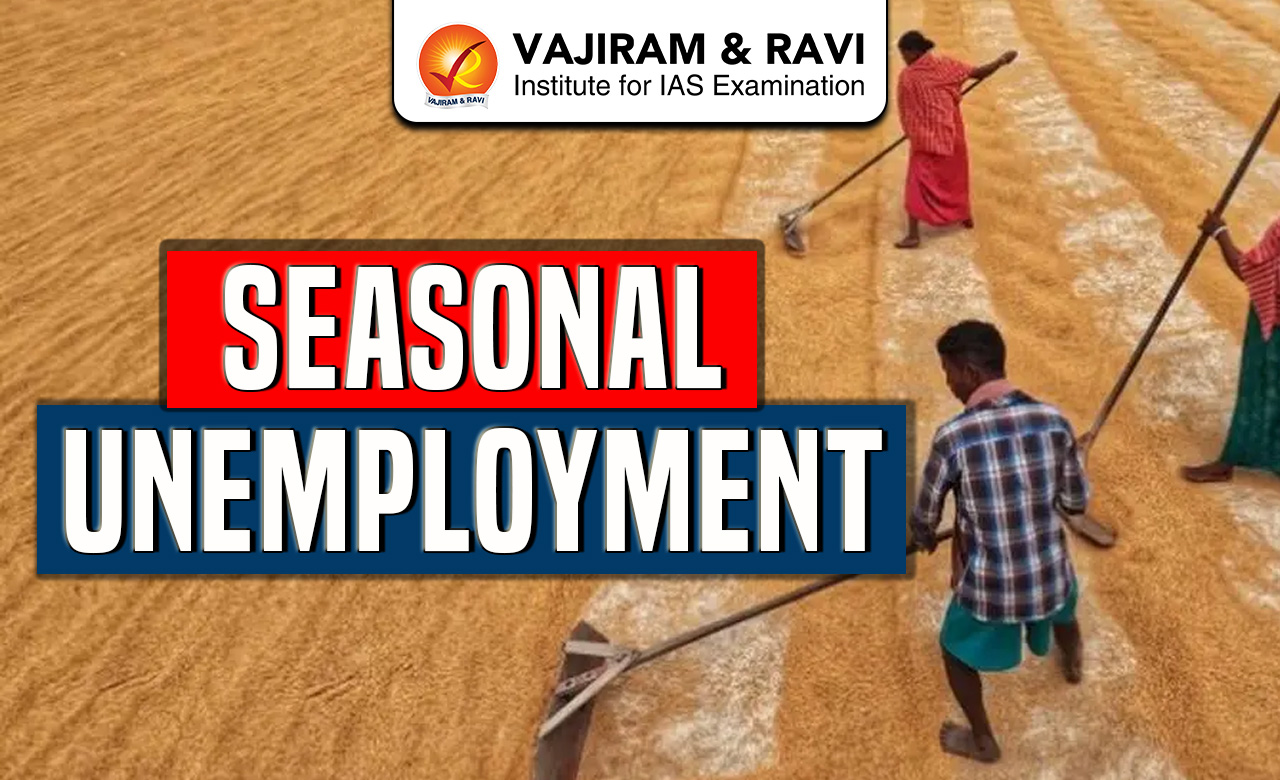
- Seasonal nature of work: Agricultural work is not available throughout the year. During off-seasons, people remain underemployed or do very little productive work.
- Poverty and lack of capital: Poor people often do not have enough money to start their own businesses or invest in better opportunities. This forces them to depend on limited resources and share work with others.
- Cheap labor availability: In labor-abundant economies, workers are available at low wages. Employers may hire more workers than necessary because it does not cost much.
- Lack of skills and education: Many people, especially in rural areas, do not have the skills required for better jobs. As a result, they remain stuck in low-productivity work.
- Limited industrial development: When industries and other sectors do not grow fast enough, they fail to absorb surplus labor from agriculture.
Ways to Reduce Disguised Unemployment
Disguised unemployment can be reduced by taking several practical steps:
- Controlling population growth: Managing population growth can help reduce pressure on available resources and jobs.
- Promoting skill development: Providing education, vocational training, and skill-based programs can help people find better employment opportunities.
- Encouraging self-employment: Easy access to loans and financial support can help people start small businesses or become entrepreneurs.
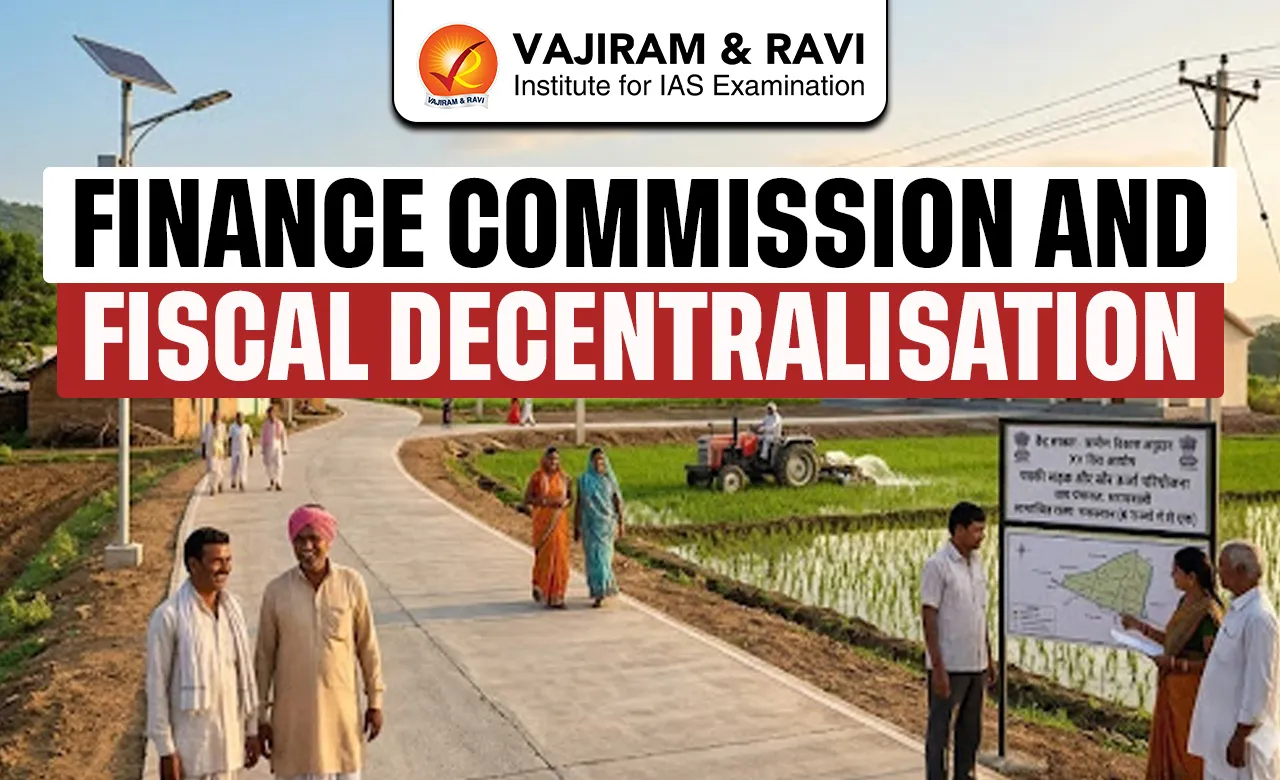
- Developing rural areas: Improving infrastructure, industries, and services in rural regions can create more job opportunities outside agriculture.
- Shifting labor to other sectors: Encouraging people to move from agriculture to industries and services can reduce excess labor in farming.
- Improving agricultural productivity: Using better technology and modern methods can increase output while reducing the need for excess labor.
- Supporting small and medium enterprises (SMEs): Growth of small businesses can create jobs and absorb surplus workers.
Government Schemes to Reduce Disguised Unemployment
- Viksit Bharat-Guarantee for Rozgar and Ajeevika Mission (Gramin) Act, 2025 replaces Mahatma Gandhi National Rural Employment Guarantee Act and guarantees 125 days of rural employment with timely wages, a break during peak farming seasons, and a focus on infrastructure, livelihoods, water conservation, and climate-resilient work, along with better implementation and accountability.
- Pradhan Mantri Kaushal Vikas Yojana focuses on improving the skills of the youth so that they can become more employable. Under this scheme, people are given training in various technical and non-technical fields based on industry needs. The main aim is to prepare individuals for better job opportunities in different sectors, thereby reducing the number of people stuck in low-productivity work such as agriculture.
- Deen Dayal Upadhyaya Grameen Kaushalya Yojana is specifically designed for rural youth from poor families. It provides skill training along with placement opportunities in different industries. The scheme aims to shift surplus labor from agriculture to more productive sectors by equipping them with the necessary skills and connecting them to formal employment.
- Deen Dayal Antyodaya Yojana – National Rural Livelihoods Mission works towards reducing poverty by promoting self-employment and organization of rural poor into Self-Help Groups. It provides financial assistance, training, and support to start small businesses and income-generating activities. This helps people move away from disguised unemployment by creating alternative sources of income.
- Pradhan Mantri Mudra Yojana aims to provide financial support to small entrepreneurs and businesses by offering loans without the need for collateral. It encourages people to start their own ventures in areas such as manufacturing, trading, and services. By promoting entrepreneurship, it generates employment opportunities and reduces pressure on limited agricultural land.
- PM Street Vendor’s AtmaNirbhar Nidhi is designed to support street vendors by providing them with small working capital loans. This scheme helps vendors restart or expand their businesses, especially after economic disruptions. It promotes self-employment in urban areas and provides a stable source of income to people who might otherwise remain underemployed.
- Garib Kalyan Rozgar Yojana was introduced to provide immediate employment opportunities in rural areas, particularly for migrant workers who returned to their villages. The scheme focused on creating rural infrastructure and generating jobs in a short period of time, helping to reduce both open and disguised unemployment.
- Prime Minister’s Employment Generation Programme is a credit-linked subsidy scheme that encourages individuals to set up micro-enterprises. It provides financial assistance for starting new businesses in both rural and urban areas. By supporting entrepreneurship and small-scale industries, the scheme plays an important role in generating employment and reducing the burden on agriculture.
Disguised Unemployment FAQs
Q1: What is disguised unemployment?
Ans: Disguised unemployment is a situation where more people are working than required, and some workers do not contribute to production. Even if they stop working, output remains the same.
Q2: Where is disguised unemployment commonly found?
Ans: It is mostly found in agriculture and family-based work, especially in rural areas where many people work on limited land.
Q3: Why is disguised unemployment considered a problem?
Ans: It reduces productivity and economic growth because labor is not used efficiently, even though people appear to be employed.
Q4: What are the main causes of disguised unemployment?
Ans: Major causes include high population growth, dependence on agriculture, poverty, lack of skills, seasonal work, and limited industrial development.
Q5: Why is disguised unemployment difficult to measure?
Ans: It is hidden in nature, as people seem to be employed, so it does not appear clearly in official unemployment data.