About Tawang Monastery:
- Location:
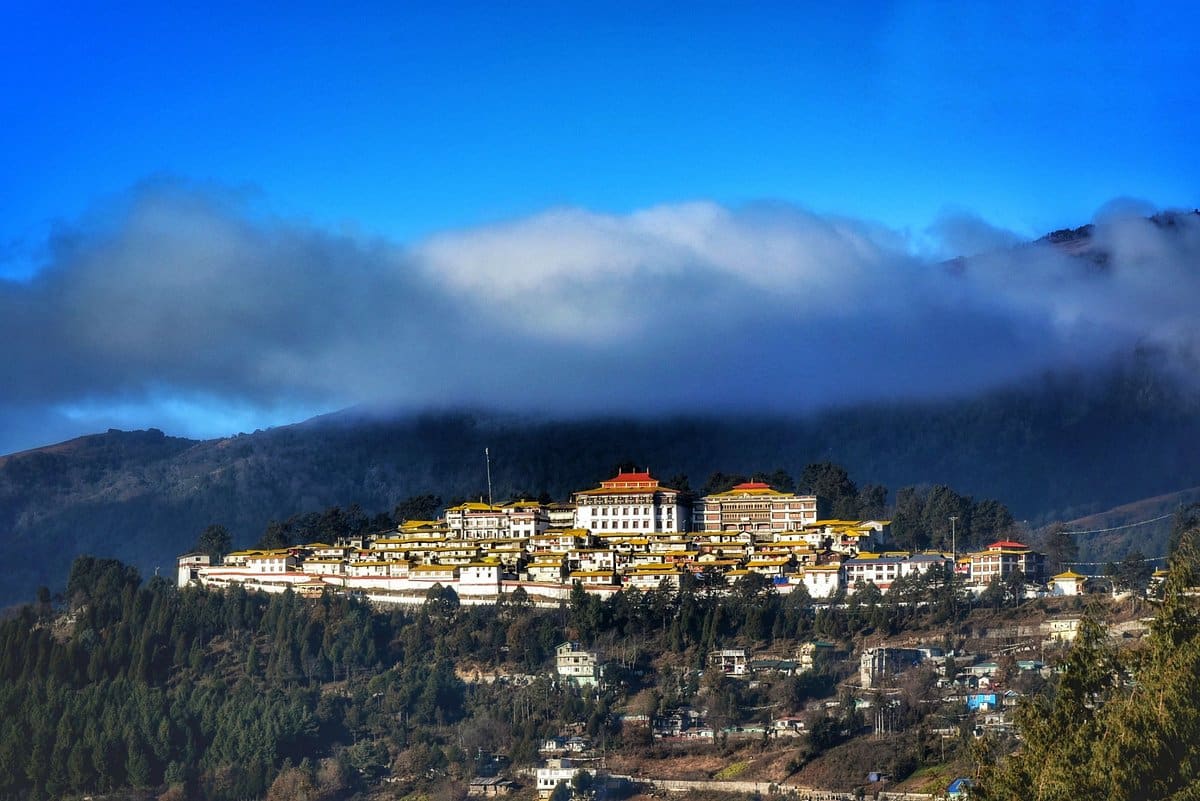
- It is located in the Tawang district in Arunachal Pradesh.
- It is situated on a mountain in the town of Tawang at an altitude of over 3000 m.
- It is the largest monastery in India and the second largest in the world after the Potala Palace in Lhasa, Tibet.
- It is known in Tibetan as GaldenNamgeyLhatse, which translates to “celestial paradise in a clear night.”
- It was founded by Merak Lama LodreGyatso in 1680-1681 in accordance with the wishes of the 5th Dalai Lama, NgawangLobsangGyatso.
- It belongs to the Gelug school of Mahayana Buddhism.
- Structure:
- The monastery is three stories high and is enclosed by a 282 m-long compound wall.
- The 8 m high gilded statue of Lord Buddha dominates the sanctum.
- It has a residential building for the monks, a library, a museum and a school for basic education.
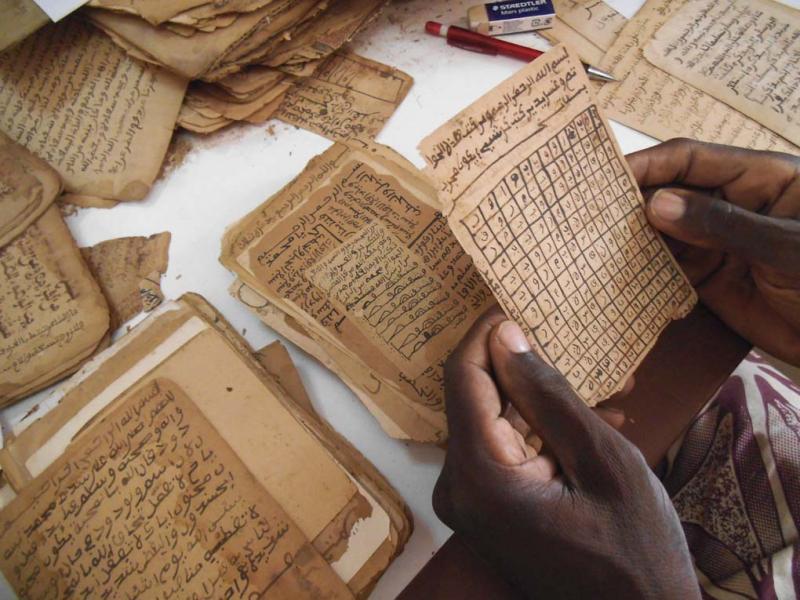
- The monastery has many ancient scriptures, including the Kangyur, a collection of the teachings of the Buddha, and the Tengyur, a collection of commentaries on the teachings of the Buddha.
Gelug school of Mahayana Buddhism:
- The Gelug or Gelug-pa, also known as the Yellow Hat sect, is the newest of the four major schools of Tibetan Buddhism.
- It was founded by Je Tsongkhapa (1357–1419), a Tibetan philosopher, tantric yogi and lama, and further expanded and developed by his disciples
- It emerged as the pre-eminent Buddhist school in Tibet since the end of the 16th century.
- The Dalai Lamas are often mostly associated with this school.
- The Ganden Tripa (“Ganden Throne Holder”) is the official head of the school, though its most influential figure is the Dalai Lama.
- Gelug school placed special emphasis on monastic training and study, as well as practice.
Q1) What is Mahayana Buddhism?
Mahayana Buddhism is the largest Buddhist sect in the world, and its beliefs and practices are what most non-adherents recognize as “Buddhism” in the modern era. It developed as a school of thought sometime after 383 BCE, possibly from the earlier school known as Mahasanghika, though that claim has been challenged.
Source: Tawang Monastery Expresses Discontent Over China Renaming Places in Arunachal Pradesh


 Last updated on Oct, 2026
→ UPSC 2027 Notification will be released on 13 January 2027 at upsconline.nic.in.
→ Check Nobel Prize 2026 Winners List here.
→ Download PIB PRiSM Monthly Magazine 2026 here.
→ Check UPSC Monthly Current Affairs Magazine The Recitals here.
→ Check out the latest UPSC Syllabus here.
→ Download UPSC Model Answers for Mains 2026
→ UPSC Mains Question Paper 2026 is out now for Essay & GS Paper 1, 2, 3 & 4.
→ UPSC Calendar 2027 has been released.
→ Enroll in Vajiram & Ravi’s UPSC Mains Test Series 2027 for structured answer writing practice, expert evaluation, and exam-oriented feedback.
→ Join Vajiram & Ravi’s UPSC Mentorship Program 2027 for personalized guidance, strategy planning, and one-to-one support from experienced mentors.
→ Go through the UPSC Mains Previous Year Papers to enhance your preparation.
→ UPSC has released UPSC Toppers List 2025 with the Civil Services final result on its official website.
→ Also check Best UPSC Coaching in India