About IMF’s Stand-By Arrangement:
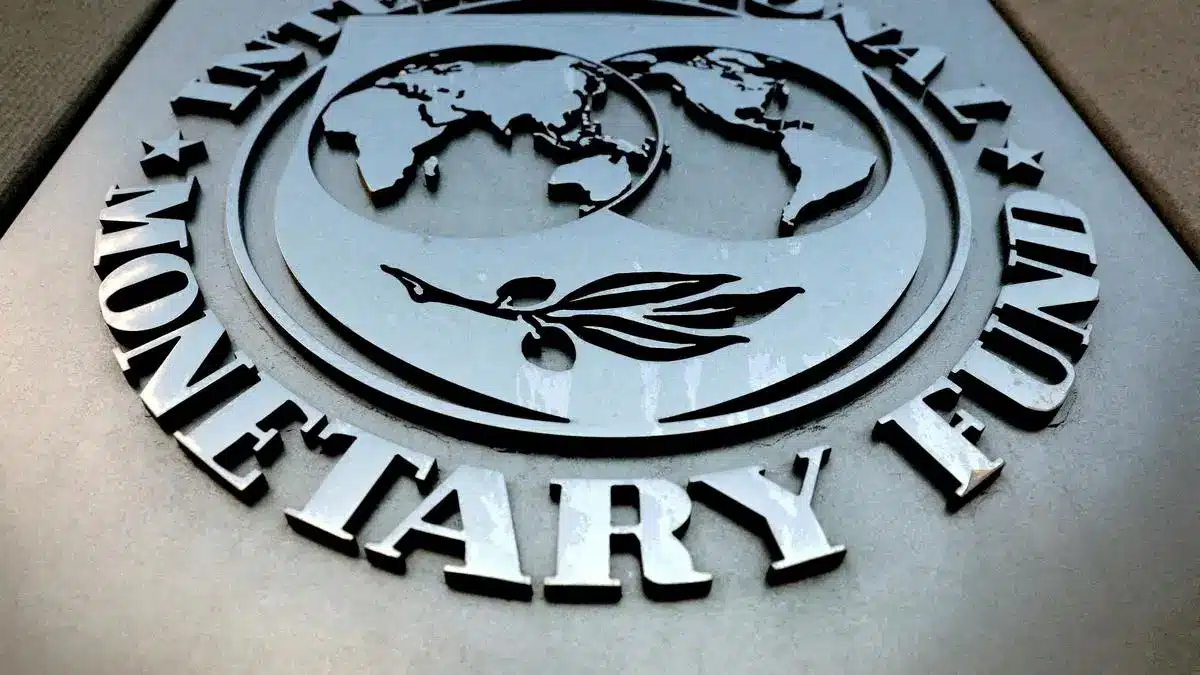
- The Stand-by Arrangement (SBA) provides short-term financial assistance to countries facing balance of payments problems.
- Historically, it has been the IMF lending instrument most used by advanced and emerging market countries.
- Eligibility: All member countries facing actual or potential external financing needs. Most often used by advanced and emerging market countries, but low-income countries sometimes use the SBA together with the Standby Credit Facility (SCF).
- Conditionality
- Countries’ economic policies must address the problems that led the country to seek funding.
- Disbursements conditional on the observance of quantitative performance criteria.
- Progress in implementing structural measures that are critical to achieving the objectives of the program is assessed in a holistic way, including via benchmarks.
- Duration of the assistance: Flexible. Typically covers a period of 12–24 months, but not more than 36 months.
Key facts about IMF
- It fosters economic growth and employment by providing temporary financial assistance to countries to help ease the balance of payments adjustment and technical assistance.
- Foundation: Formed in 1944 at the Bretton Woods Conference with the goal of reconstructing the international monetary system.
- Important Reports: World Economic Outlook and Global Financial Stability Report
- Headquarters: Washington, DC, USA
Q1: What is a Stand-by Credit Facility?
The Stand-by Credit Facility (SCF) provides financial assistance to low-income countries (LICs) with short-term balance of payments needs. The SCF is one of the facilities under the Poverty Reduction and Growth Trust (PRGT).
Source: IMF approves immediate disbursal of USD 1.1 billion loan tranche to Pakistan


 Last updated on Oct, 2026
→ UPSC 2027 Notification will be released on 13 January 2027 at upsconline.nic.in.
→ Asian Games 2026 are being held in Aichi-Nagoya, Japan, from 19 September to 4 October.
→ Check Nobel Prize 2026 Winners List here.
→ Download PIB PRiSM Monthly Magazine 2026 here.
→ Check UPSC Monthly Current Affairs Magazine The Recitals here.
→ Check out the latest UPSC Syllabus here.
→ Download UPSC Model Answers for Mains 2026
→ UPSC Mains Question Paper 2026 is out now for Essay & GS Paper 1, 2, 3 & 4.
→ UPSC Calendar 2027 has been released.
→ Enroll in Vajiram & Ravi’s UPSC Mains Test Series 2027 for structured answer writing practice, expert evaluation, and exam-oriented feedback.
→ Join Vajiram & Ravi’s UPSC Mentorship Program 2027 for personalized guidance, strategy planning, and one-to-one support from experienced mentors.
→ Go through the UPSC Mains Previous Year Papers to enhance your preparation.
→ UPSC has released UPSC Toppers List 2025 with the Civil Services final result on its official website.
→ Also check Best UPSC Coaching in India